

Featured
Gunter Pauli: Visions of a blue economy


By Shamman Zahir
The man nicknamed as the Steve Jobs of sustainable development, Gunter Pauli designs and implements businesses by using what is locally available. Best known for his book, The Blue Economy (published first in 2009 now translated in +50 languages), looks at this concept in which what is good for you and the environment should not have to cost more unlike what a green economy suggests.
Maldives Insider team had the opportunity to discuss with Gunter what this could mean for the Maldives as a country at the forefront of countries to be affected by rapid climate change.
He believes that with new insights you can correct the errors in your ways and it is never too late to do the right thing. The man truly believes in his work and ethics, that he does not have a car to this day since 1994. We are certainly not suggesting you change your way of life overnight, but simply hear out what Gunter has to say.
Maldives Insider: Tell us briefly how you started on this path you’re on now.
Gunter Pauli: I established the first ecological factory in history, correct. We had to have a factory that has no waste, emits no emissions, that should pay its staff to come on a bike instead of using a ride share service, it was a surprise to the world at the time. I launched the concept of Zero emissions. Any business should be a zero emissions business. Not net zero in 2030 or 2040. Now! This was in 1989. So, I built the first factory practicing what I had proposed. It was a major success.
MI: What interested you to focus your efforts into this line of work?
GP: It gives you dignity. How much dignity is it to have a chicken frozen in Brazil on your plate here? It satisfies your need to eat. It’s a very basic principle. I figure out what I have and go from there. I will give you an example close to home. You have the largest seaplane fleet in the world. Where does the fuel come from? It is imported. When fuel price increases, it directly effects the airfare at the same pace. This causes a huge drain on the cash available in the country. Do people realise that the algae growing in the sea, that they have the fuel you need to power the aircrafts? Give it a chance! You have it already; the raw materials are around us. It has no dignity to have to import fuel to have to fly people around the nation.
Here is an interesting story. A whale’s heart. It’s pumping thousand litres per pulse. How much electricity does it need to pump? You would imagine a lot. The reality is though, it’s only 6 volts. If you tell an engineer, I have a pump of 6 volts that can pump 1000 litres then the initial reaction would be, impossible. Although there are million whales in the ocean that already do this. So similarly, you have mangroves here. You bite into a leaf, it’s not salty. Yet its roots stand in salt water. This is due to reverse osmosis and capillary action. A mangrove does not use pumps, instead it uses thin tubes called capillaries for its function. So, at the end of the day, be innovative, be more creative.
Blue economy challenges people to start with what you have. Not for you to get filthy rich fast. It is to stamp out poverty and to have an abundance of drinking of water available to all. The mangroves are not suffering, why do you suffer?
MI: What are your thoughts on green energy and how it will benefit the Maldives, especially the tourism sector?
GP: It’s by doing a thousand little steps. We don’t need signed pledges of carbon emissions to be cut down by a certain date. What we need is owners and management that sets these goals with a clear objective in mind. Go to the root causes and figure it out. The same quality assurance imposed on marketing and customer satisfaction applied to sustainability is what we need. Risk analysis is common in business, new technology lets wait and see how it goes is the common script. We believe in the ideas as much to invest in them ourselves. The technology is here today.
Sustainable resorts are the future. With an increasing number of conscious consumers more people would be inclined to spend their money knowing that this stay offsets their carbon footprint.
First, set your goals clearly. Second, be impatient. Don’t push what needs to be done for later. The third thing is, with one initiative aim to meet multiple goals.

MI: What are the biggest challenges you’d predict moving forward with the ideas of a blue economy? There will be critics who’d rather have the convenience now than sustainability. What is your response to that?
GP: My response is, what do you want in life? Do you want convenience or do you want to have happiness and health? It is as simple as that. It’s your choice. Many people choose convenience and that is why we have 50 percent of the world now obese. Is that what we want to have or happiness and health? I am not saying you shouldn’t eat the frozen chicken. What I am saying is it is important to think out of the box in terms of how can I feed the people on my island with what is available to us. Particularly after Covid I believe more people would rather have happiness and health.
I will tell you of a real-life example from Las Gaviotas, Colombia. In 1984, we decided on a region where 70 percent of the people have diabetes and gastro intestinal issues. We decided to find out what was causing this. We asked ourselves, what do we need to take the root cause away? You have to have a good job, with good physical exercise, food without excessive sugar and water that is rich in the right minerals. Hm, that sounds like we have to regenerate a forest.
That requires a lot of manual labor, it creates shade and better water quality. I am happy to report to you 30 years after we started, we had to close the hospital due to lack of patients. It is a the only such case in the world. That is 8000 hectors of forest land and 12,000 people living without a hospital.

MI: Given that it is one of the hottest summers on record, the timing of this interview is ironic. Of all the possible course of action, what should be top priority right now?
GP: We cannot do a change of the global system overnight. It’s about small initiatives making an impact. That is why I am so interested in the Maldives. 100’s of islands with small populations. If the Maldives can show that it can be done, it is a lesson to the world. The Maldives is a humble and modest nation. You don’t say, we know. Instead have the attitude of can I learn from you?
I was able to 15 years ago to design the first large island that is a 100 percent fossil fuel free. In Spain called El Hierro. The island was at the end of its life. The younger generation wanted to live in the bigger cities such as Barcelona, Valencia and Madrid. The elders said, what can we do to reverse this? We offer subsidies, we offer free education but they aren’t coming. I said you have to offer the next generation a challenge. To become a 100 percent fossil fuel free island. They asked how? I asked what do you have around you? They have an elevation and old craters exist. We designed a system with 5 windmills and pumping of water up and down. We have the first 100 percent reverse osmosis desalination plant and pump the water to the highest crater (700m) and when there is no wind and the water comes down, we generate hydropower. Financially it didn’t work unless we integrated both the water and power production. What used to be an expense, now accounts for 15 percent of its income by supplying water to its people. When we first started on the island there was 5600 people on the island. Today they have 12800. People came back. Why? People thought it was a great idea to live in a self-sufficient island. With these concepts it opened up jobs and new engineers required to have gravity feed systems.
My message is, take those small steps. The small initiatives make a big impact over time.
MI: Maldives currently takes a green tax from the tourism sector, what would be the best way to use such funds in your opinion?
GP: Make your islands free of fuel. It is a big drain on your cash. Being a small country, solar is expensive and takes up a lot of space. The wind reserves and structure are not as feasible to have windmills nor would it be aesthetic. What is the most innovative but practical steps you can take to turn things around? I have made suggestions of how you can produce your fuel with very little space. If that can be accomplished it helps the brand image and convinces consumers to spend consciously.
The right leaders are very important. A leader is not necessarily a boss. It is one who gives an incredible example with performance and transparency striving towards your goals.
MI: What is your message to those interested in contributing to this work?
GP: Start young! You want to be happy and healthy having the energy I have at this age, start young. Do what you believe in. Focus on what is giving you results. Sometimes, results can take a long time. Don’t always accept the easy way. Rome was not built in one day. Blue economy captures that philosophy and adds science. If you have science as the backbone and these philosophies as a foundation, you can do a lot in the world similar to this
(Gunter hands me a business card that looks like any other.)
What you have there is stone paper. It takes up no water. Traditional methods of paper from cutting down trees, to produce 1 ton of paper, takes approximately 6,000 tonnes of water. This novel paper uses up no water and no plants. It was a challenge to the engineers to scale up production. The first sheet, the proof of concept was easy to make. The proof of operation means you need machines that are running constantly. That took 17 years. Modern capital demands are more instant return of investments which should not always be the case. Walking on a coral beach I now say, you’re walking on paper. That is what we are currently doing in Morocco. Sixty-seven percent less carbon emissions and recyclable forever.
Wake up in the morning and look up at the sky. The sky is the limit. We bombard our youth with all the problems in the world.
If you set your goals clear, you can do it. Instead of it can’t be done have a mindset of how can it be done?


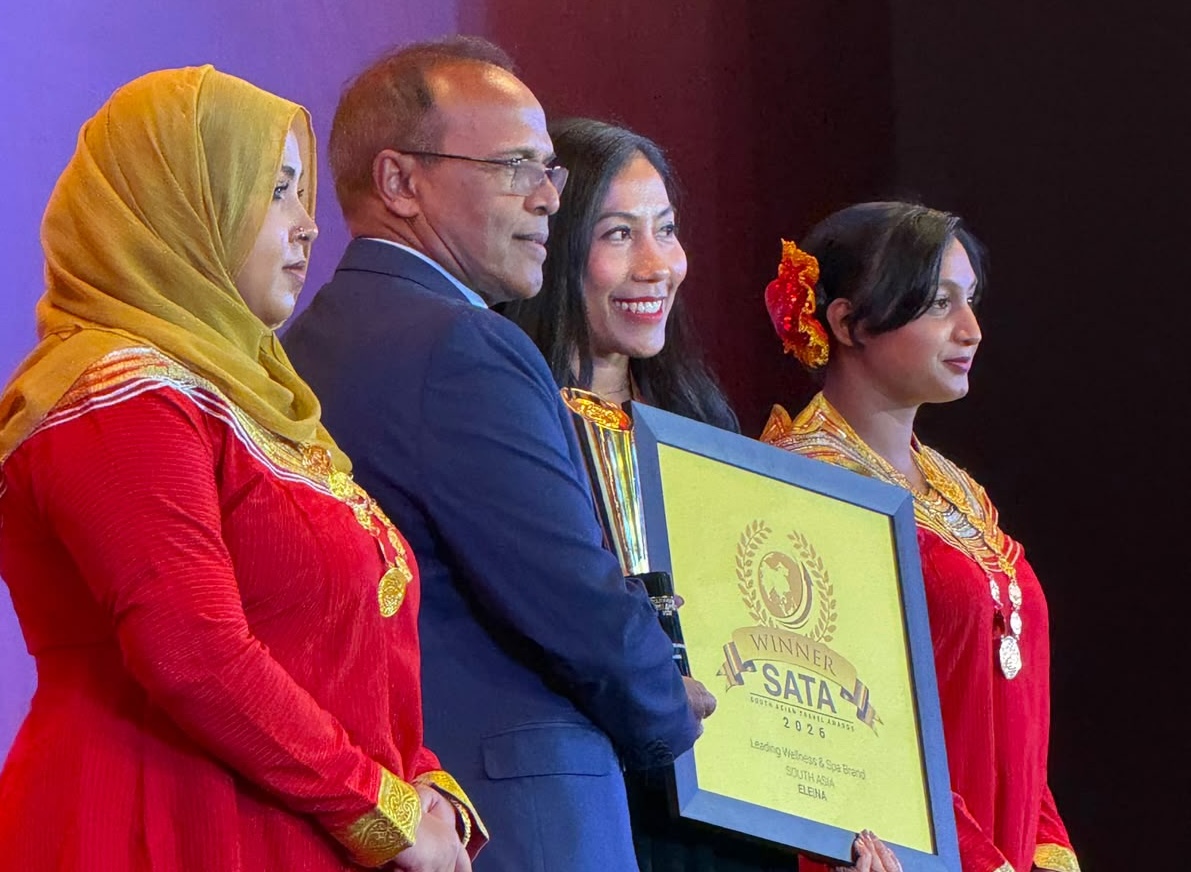
ELE|NA has been named Leading Wellness and Spa Brand at the South Asian Travel Awards (SATA) 2026, recognising the Maldives-based wellness brand’s contributions to the hospitality and wellness industry across the region.
The recognition comes as wellness continues to become an integral part of luxury hospitality, with ELE|NA working alongside resort partners to develop and operate wellness facilities that combine therapeutic experiences, trained professionals and operational expertise.
Guided by its Wellness Your Way™ philosophy, ELE|NA incorporates wellness into different aspects of the guest experience. Its six Pillars of Vitality – TouchFlow, ReFine, BodyFit, SoulVibe, SleepSync and FoodDelight – encompass therapeutic treatments, physical activity, emotional wellbeing, restorative sleep and nutrition. The framework allows individual resorts to develop wellness programmes tailored to their locations and guest preferences.
In addition to providing wellness experiences, ELE|NA works with hospitality partners on concept development, spa operations, therapist training and service delivery. Its operational model combines the individual characteristics of each resort with standardised systems and procedures aimed at maintaining service consistency across its properties.
Sustainability also forms part of the brand’s operations. All ELE|NA properties in the Maldives have received Platinum Sustainable Wellness Accreditation, recognising their approach to responsible spa operations, environmental management and community wellbeing.
The brand also invests in professional development through the ELE|NA Wellness Academy, which provides training programmes for therapists and wellness professionals. The academy combines traditional therapeutic practices, practical training and contemporary wellness knowledge to support professional development and strengthen service standards across the industry.
The recognition at SATA 2026 comes as ELE|NA continues to expand its operations beyond the Maldives, extending its wellness concepts and services into India, Nepal and other emerging hospitality destinations.
With wellness increasingly influencing travellers’ accommodation choices and holiday experiences, ELE|NA continues to focus on integrating wellness services into resort operations while supporting the development of trained professionals and sustainable practices within the hospitality sector.
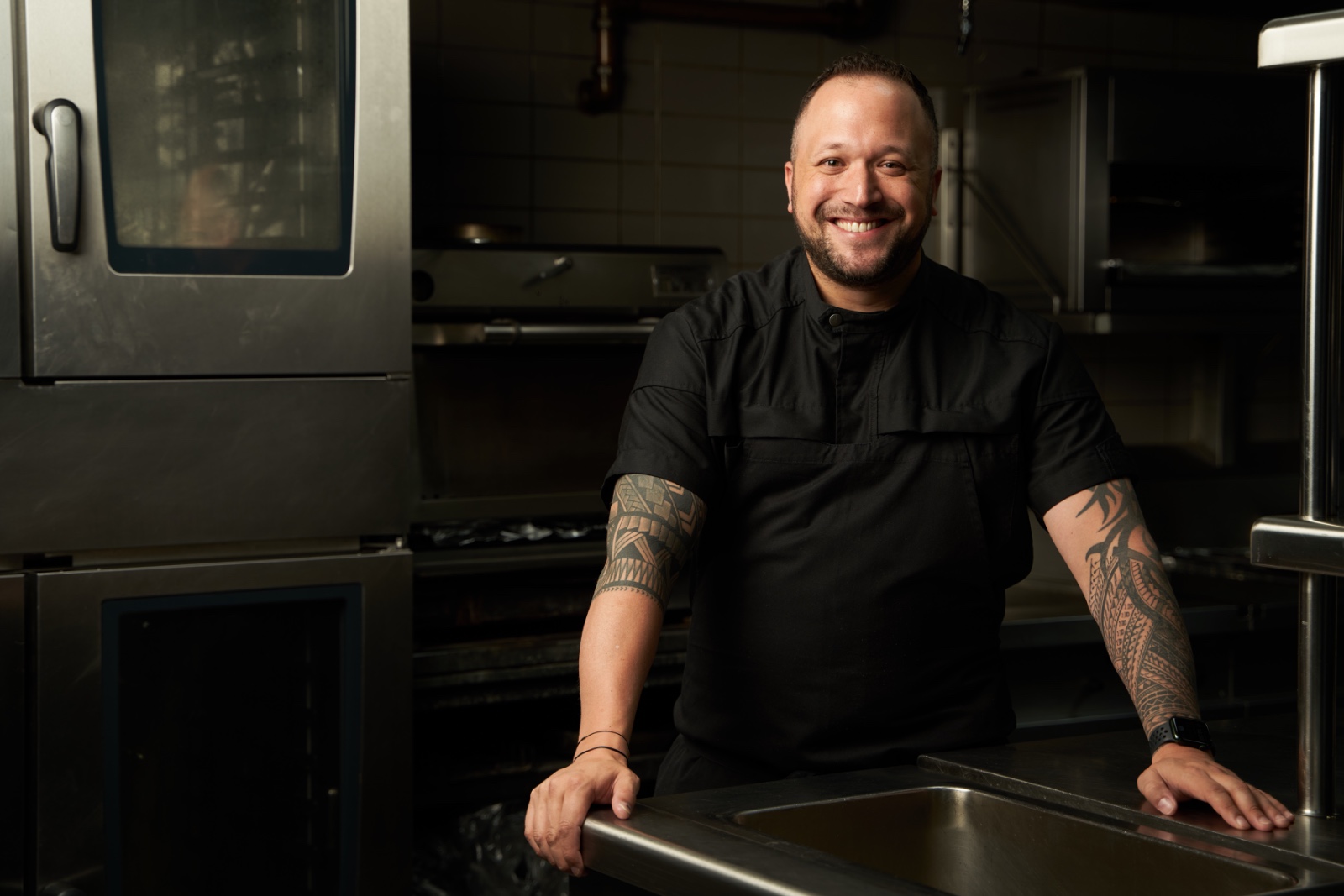
Milaidhoo Maldives is set to welcome award-winning chef James Knight-Paccheco, widely known as Chef JKP, on 11 and 12 December 2026 for two culinary events focusing on cooking techniques, culinary experiences and the exploration of new flavours.
On 11 December, Chef JKP will conduct a culinary workshop, offering guests the opportunity to cook alongside him, learn professional techniques and exchange ideas in the kitchen. The following evening, he will host a wine-pairing dinner featuring dishes prepared in his signature style, accompanied by wines selected by the resort’s resident sommelier to complement each course.
With more than 20 years of experience in the hospitality industry, Chef JKP has worked in Michelin-starred restaurants, luxury hotels and restaurant projects across the UK and the Middle East. Throughout his career, he has worked alongside renowned chefs including Raymond Blanc, Gordon Ramsay and Michael Caines. He is also the creator and host of The Chef JKP Podcast, which has recorded more than 6.5 million downloads.
At Milaidhoo Maldives, the culinary experience draws inspiration from the island’s surroundings, Maldivian flavours and traditional cooking methods, combined with international influences introduced by the resort’s team of chefs. This approach encourages the exchange of culinary knowledge and techniques, allowing guests to explore local dishes, learn new cooking methods and engage with the chefs responsible for their dining experiences.
Located within the Baa Atoll UNESCO Biosphere Reserve, Milaidhoo offers a setting where dining experiences focus on personalised service and interaction between guests and culinary professionals. Chef JKP’s visit is intended to provide guests with opportunities to engage directly with the visiting chef, gain insights into his approach to cooking and experience his culinary creations.
The culinary workshop will take place on 11 December 2026, followed by the wine-pairing dinner on 12 December 2026.
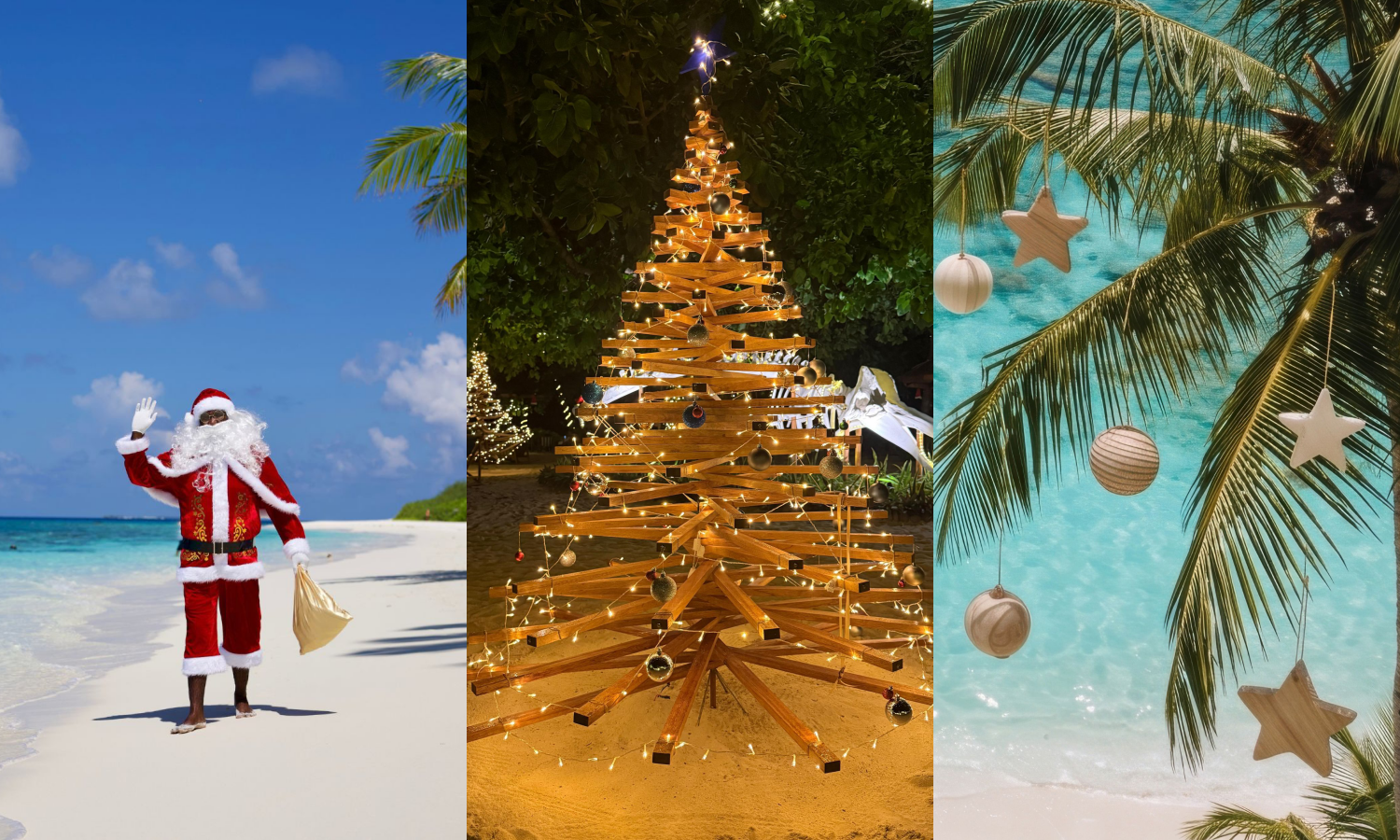
Reethi Faru Resort has welcomed the festive season with its annual Fruit Mixing Ceremony, marking the beginning of a programme of celebrations, activities and experiences for guests visiting the resort during the Christmas and New Year period.
The resort has prepared a series of festive events and activities catering to guests of different ages and interests. Families will have the opportunity to participate in Christmas tree decorating, creative workshops and gingerbread house making, while couples can enjoy evening walks along beaches decorated with festive lights.
The festive programme will include a Christmas dinner and a New Year’s Eve gala, followed by a DJ party to welcome 2027. Guests will also be able to participate in coral planting activities alongside a marine biologist, providing an opportunity to learn about the island’s marine ecosystem and contribute to conservation efforts.
For guests seeking relaxation, the resort will offer yoga sessions and spa treatments, while those interested in outdoor activities can participate in water sports, island excursions, sports challenges and PADI diving experiences conducted by certified instructors.
Other events scheduled during the festive period include Reethi Faru Resort’s anniversary celebration, a Christmas Tree Lighting Ceremony and the arrival of Santa Claus. The programme will also feature live music, Maldivian cultural performances, outdoor movie nights and a selection of dining experiences.
According to the resort, the festive programme has been designed to bring together traditional Christmas and New Year celebrations with activities that highlight the Maldives’ natural environment and cultural heritage.
Through its combination of festive events, recreational activities, marine conservation initiatives and dining experiences, Reethi Faru Resort aims to provide guests with opportunities to celebrate the holiday season while experiencing island life in the Maldives.

-

 News1 week ago
50 visits, hundreds of dives: Bandos Maldives honours loyal guests with coral garden
-

 Cooking1 week ago
V Villas Maldives at Mirihi brings Thai flavours from Phuket to the Maldives
-

 Cooking1 week ago
Milaidhoo Maldives welcomes JAG Head Chef Laurence Tan for October culinary residency
-

 Action1 week ago
From zero experience to professional careers: Atmosphere Foundation celebrates Divemaster graduates
-

 News1 week ago
Grand Park Kodhipparu unveils seasonal journey from quiet escapes to festive celebrations
-

 News1 week ago
The St. Regis Maldives celebrates 10 years with global chefs, bartenders and artists
-

 News1 week ago
The Standard, Maldives introduces complimentary upgrade to new Ocean Reef Pool Villas
-

 News1 week ago
‘Circle of Light’ to illuminate RAH GILI MALDIVES’ first festive season