

Featured
Small islands like Maldives may not disappear under rising seas, researchers find


In recent years, the leaders and inhabitants of many small-island nations like the Maldives, Kiribati and Tuvalu have warned that climate change is an existential threat to their homelands, fearing they could disappear under rising seas as the planet warms.
But according to research published on Wednesday, small, low-lying islands dotted around the Pacific, the Caribbean and Asia — often seen as the places most vulnerable to global warming — can naturally adapt and raise themselves above encroaching waves.
A three-year study led by Britain’s University of Plymouth, which looked at coral reef islands such as the Maldives and the Marshall Islands, found that tides move sediment to create higher elevation, a process that may keep the islands habitable.
“The dominant discourse is that of an island drowning, and the outcome of that is coastal defences and relocation … We think there are more trajectories for the islands,” said lead author Gerd Masselink, professor of coastal geomorphology at the University of Plymouth.
Low-lying island states are judged to be at greatest risk from increasingly powerful storms and rising oceans, with some making preparations to resettle their people within decades.
Many are already building sea walls, moving coastal villages to higher ground, appealing for international aid or setting up projects to repair damage caused by climate change impacts.
The world’s tens of thousands of coral reef islands are mostly uninhabited, but are home to about a million people who largely rely on fishing or tourism for a living, said Masselink.
Although the islands have different structures due to varying weather and wave patterns, they tend to be relatively small, low-lying, sandy or gravel islands sitting on top of a living reef platform.
They were formed hundreds of thousands of years ago by waves moving and piling up reef material or sediment to create higher ground — a natural defence mechanism that continues, he noted.
For the study published in the journal Science Advances, scientists built a model coral reef and island in a laboratory tank with rising water levels, and used computer simulations to replicate how such islands respond to higher seas in reality.
The results suggest that by opting for climate-resilient infrastructure that allows for occasional flooding, like buildings on stilts and movable houses, islanders with enough space could adapt to their shifting environment, Masselink said.
Dredging coral sand and sediments found in island lagoons and moving it to beaches could also aid the natural process of raising the islands, he told the Thomson Reuters Foundation.
Sea walls, however, are compromising the natural ability of the islands to adjust to rising sea levels, he said.
“If you stop the flooding of the islands, you also stop the movement of the sediment on top of the island,” he said.
Most coral islands do not depend on agriculture, and import food and fresh water, making saltwater contamination during flooding less of an issue, he noted.
Hideki Kanamaru, natural resources officer with the UN Food and Agriculture Organisation in Asia-Pacific, said the study provided a “new perspective” on how island nations could tackle the challenge of sea-level rise.
But even if islands can adapt naturally to higher seas by raising their own crests, humans still need to double down on global warming and protection for island populations, he added.
Climate change in Maldives
Maldives comprises 1,190 islands in 20 atolls spread over 900km in the Indian Ocean. Of these, just 199 islands are inhabited with a population of slightly over 515,000 people. The highest point of land is two metres or about six feet above sea level.
The atolls of Maldives are ringed by the seventh largest coral reefs in the world and among the richest in species diversity. The reefs host over 1,900 species of fish, 187 coral species, and 350 crustaceans.
Drawn by its pristine beaches, underwater coral reefs, and spectacular marine wildlife, this small island-nation attracts some 1.5 million tourists annually. In recent years, nature-based tourism has served as the engine of growth for the economy and accounts for about 70 per cent of GDP.
Geography has made the Maldives especially vulnerable to the consequences of climate change. Being land scarce and low lying, the country is exposed to the risks of intensifying weather events such as damage caused by inundation, extreme winds, and flooding from storms.
With the melting of polar ice caps, the Maldives is also exposed to the risks of sea-level rise.
Rising sea temperatures also threaten the coral reefs and cause bleaching and death, with the most severe damage in areas that are stressed by pollutants, or damaged by physical disturbance.
Vulnerability to climate change hazards has been magnified by damage to coral reefs which has in turn impaired their protective function, thus a negative cycle of impact.
Note: The above article is largely based on reporting by Reuters. The cover photo has been sourced from Visit Maldives.


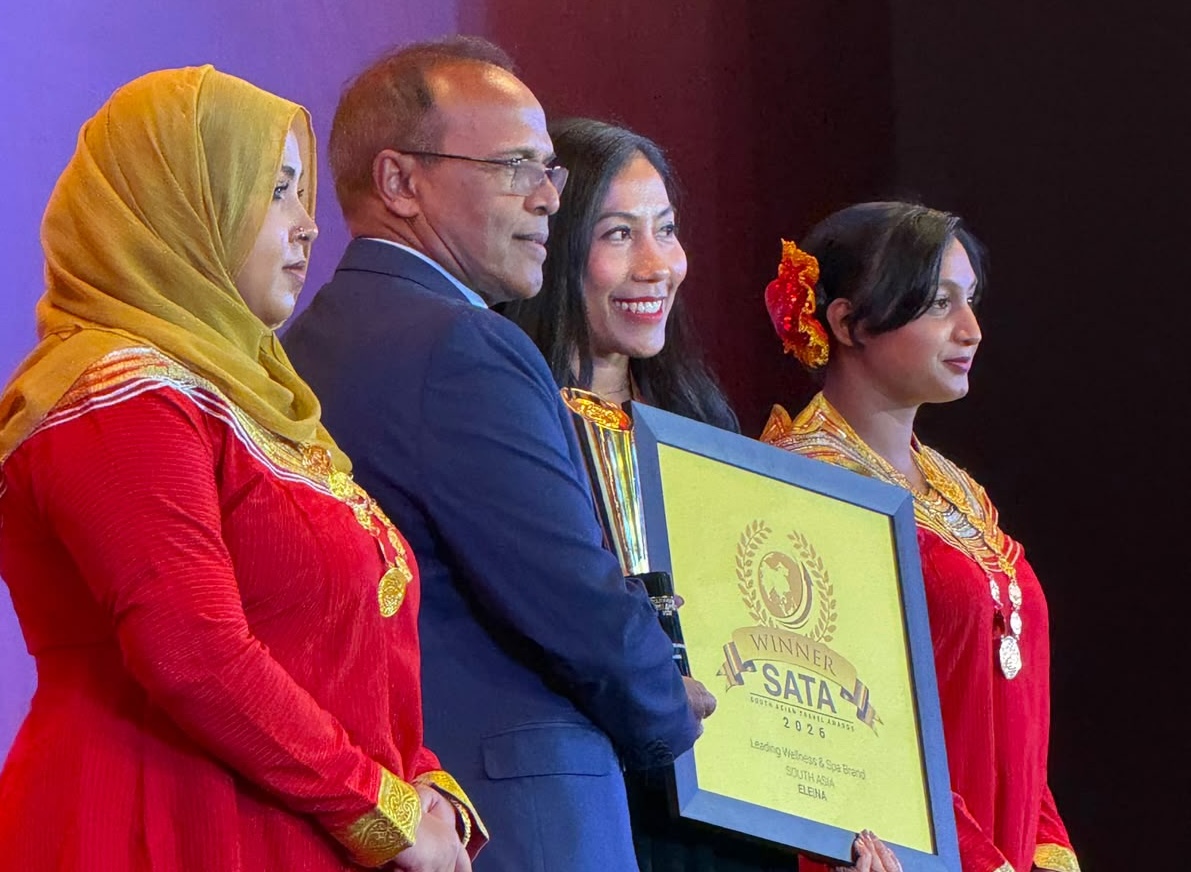
ELE|NA has been named Leading Wellness and Spa Brand at the South Asian Travel Awards (SATA) 2026, recognising the Maldives-based wellness brand’s contributions to the hospitality and wellness industry across the region.
The recognition comes as wellness continues to become an integral part of luxury hospitality, with ELE|NA working alongside resort partners to develop and operate wellness facilities that combine therapeutic experiences, trained professionals and operational expertise.
Guided by its Wellness Your Way™ philosophy, ELE|NA incorporates wellness into different aspects of the guest experience. Its six Pillars of Vitality – TouchFlow, ReFine, BodyFit, SoulVibe, SleepSync and FoodDelight – encompass therapeutic treatments, physical activity, emotional wellbeing, restorative sleep and nutrition. The framework allows individual resorts to develop wellness programmes tailored to their locations and guest preferences.
In addition to providing wellness experiences, ELE|NA works with hospitality partners on concept development, spa operations, therapist training and service delivery. Its operational model combines the individual characteristics of each resort with standardised systems and procedures aimed at maintaining service consistency across its properties.
Sustainability also forms part of the brand’s operations. All ELE|NA properties in the Maldives have received Platinum Sustainable Wellness Accreditation, recognising their approach to responsible spa operations, environmental management and community wellbeing.
The brand also invests in professional development through the ELE|NA Wellness Academy, which provides training programmes for therapists and wellness professionals. The academy combines traditional therapeutic practices, practical training and contemporary wellness knowledge to support professional development and strengthen service standards across the industry.
The recognition at SATA 2026 comes as ELE|NA continues to expand its operations beyond the Maldives, extending its wellness concepts and services into India, Nepal and other emerging hospitality destinations.
With wellness increasingly influencing travellers’ accommodation choices and holiday experiences, ELE|NA continues to focus on integrating wellness services into resort operations while supporting the development of trained professionals and sustainable practices within the hospitality sector.
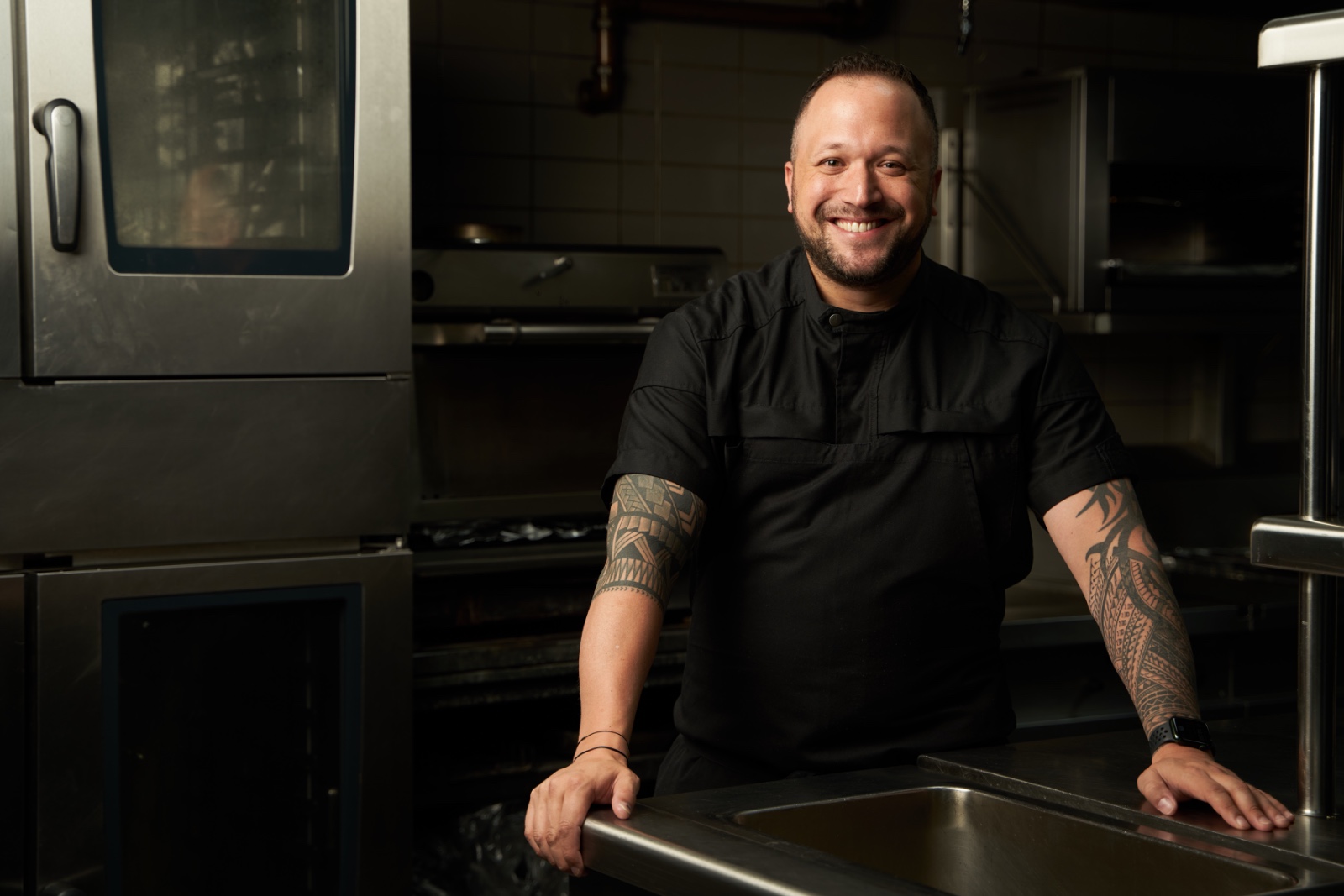
Milaidhoo Maldives is set to welcome award-winning chef James Knight-Paccheco, widely known as Chef JKP, on 11 and 12 December 2026 for two culinary events focusing on cooking techniques, culinary experiences and the exploration of new flavours.
On 11 December, Chef JKP will conduct a culinary workshop, offering guests the opportunity to cook alongside him, learn professional techniques and exchange ideas in the kitchen. The following evening, he will host a wine-pairing dinner featuring dishes prepared in his signature style, accompanied by wines selected by the resort’s resident sommelier to complement each course.
With more than 20 years of experience in the hospitality industry, Chef JKP has worked in Michelin-starred restaurants, luxury hotels and restaurant projects across the UK and the Middle East. Throughout his career, he has worked alongside renowned chefs including Raymond Blanc, Gordon Ramsay and Michael Caines. He is also the creator and host of The Chef JKP Podcast, which has recorded more than 6.5 million downloads.
At Milaidhoo Maldives, the culinary experience draws inspiration from the island’s surroundings, Maldivian flavours and traditional cooking methods, combined with international influences introduced by the resort’s team of chefs. This approach encourages the exchange of culinary knowledge and techniques, allowing guests to explore local dishes, learn new cooking methods and engage with the chefs responsible for their dining experiences.
Located within the Baa Atoll UNESCO Biosphere Reserve, Milaidhoo offers a setting where dining experiences focus on personalised service and interaction between guests and culinary professionals. Chef JKP’s visit is intended to provide guests with opportunities to engage directly with the visiting chef, gain insights into his approach to cooking and experience his culinary creations.
The culinary workshop will take place on 11 December 2026, followed by the wine-pairing dinner on 12 December 2026.
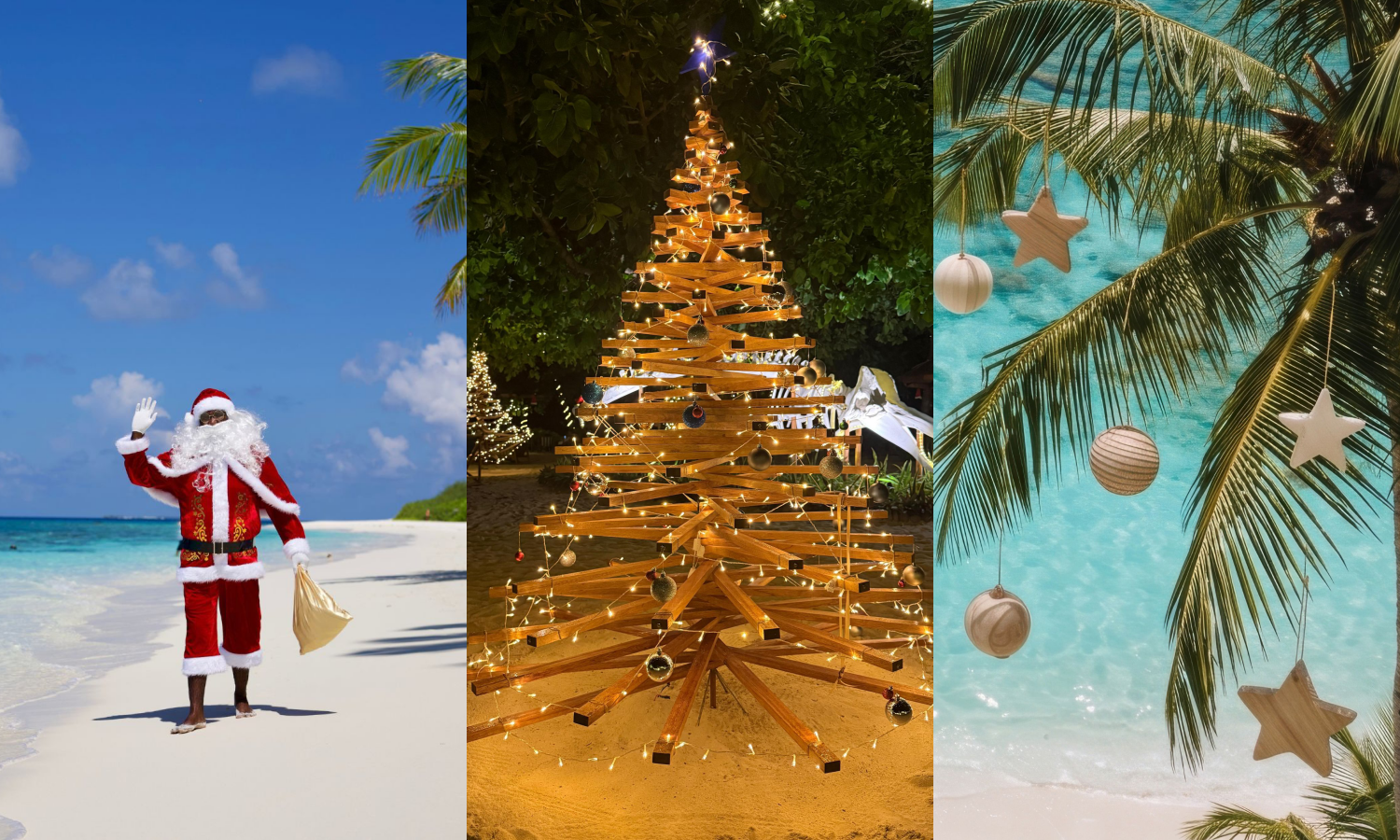
Reethi Faru Resort has welcomed the festive season with its annual Fruit Mixing Ceremony, marking the beginning of a programme of celebrations, activities and experiences for guests visiting the resort during the Christmas and New Year period.
The resort has prepared a series of festive events and activities catering to guests of different ages and interests. Families will have the opportunity to participate in Christmas tree decorating, creative workshops and gingerbread house making, while couples can enjoy evening walks along beaches decorated with festive lights.
The festive programme will include a Christmas dinner and a New Year’s Eve gala, followed by a DJ party to welcome 2027. Guests will also be able to participate in coral planting activities alongside a marine biologist, providing an opportunity to learn about the island’s marine ecosystem and contribute to conservation efforts.
For guests seeking relaxation, the resort will offer yoga sessions and spa treatments, while those interested in outdoor activities can participate in water sports, island excursions, sports challenges and PADI diving experiences conducted by certified instructors.
Other events scheduled during the festive period include Reethi Faru Resort’s anniversary celebration, a Christmas Tree Lighting Ceremony and the arrival of Santa Claus. The programme will also feature live music, Maldivian cultural performances, outdoor movie nights and a selection of dining experiences.
According to the resort, the festive programme has been designed to bring together traditional Christmas and New Year celebrations with activities that highlight the Maldives’ natural environment and cultural heritage.
Through its combination of festive events, recreational activities, marine conservation initiatives and dining experiences, Reethi Faru Resort aims to provide guests with opportunities to celebrate the holiday season while experiencing island life in the Maldives.

-

 Action1 week ago
From zero experience to professional careers: Atmosphere Foundation celebrates Divemaster graduates
-

 News1 week ago
The St. Regis Maldives celebrates 10 years with global chefs, bartenders and artists
-

 News1 week ago
The Standard, Maldives introduces complimentary upgrade to new Ocean Reef Pool Villas
-

 News1 week ago
‘Circle of Light’ to illuminate RAH GILI MALDIVES’ first festive season
-

 News1 week ago
Women’s football stars Lucy Bronze, Ona Batlle join Kandima Maldives festive line-up
-

 Awards1 week ago
Condé Nast Traveler names .Here Baa Atoll among Indian Ocean’s top resorts
-

 News1 week ago
Karan Tacker shares Maldives family escape at Centara Grand Lagoon
-

 Awards1 week ago
JOALI Maldives named Indian Ocean’s best resort as Maldives claims 20 of top 25