

Featured
Maldives seeks to boost Indian tourist arrivals after travel bubble


Officials from the Maldives and India on Wednesday discussed ways to boost tourist arrivals to the Indian Ocean tourist paradise from its closest neighbour, as the island nation tries to rebuild its tourism-dependent economy which had been battered by the global coronavirus pandemic.
Tourism minister Dr Abdulla Mausoom and the Indian ambassador in Maldives Sunjay Sudhir held the discussions during a meeting at the tourism ministry’s office in Maldivian capital Male Wednesday afternoon.
“Tourism Minister @Mausoom_Maus meets High Commissioner of #India to #Maldives H.E. Sunjay Sudhir. Issues discussed include increasing tourist arrivals from India, networking between Indian Investors and Maldivian SMEs; and human resource development for the tourism sector,” the ministry said, on Twitter.
However, the ministry did not give any further details.
The meeting comes a few weeks after Air India and IndiGo resumed scheduled passenger flights to the Maldives. India’s flag carrier now operates a weekly service between Trivandrum and Male, while the country’s biggest airline flies on the Kochi-Male-Kochi route every Thursday and Sunday.
Maldives flag carrier Maldivian has also resumed its flights to Trivandrum, operating flights every Thursday and Saturday.
Last month, officials from the Maldives and India inked an agreement to create a “travel bubble” to facilitate movement of people between the two countries.
India was the fastest growing source market for Maldives tourism in 2019, as arrivals recorded year-over-year growth of 83.5 per cent to reach 166,015 from 90,474 in 2018.
The Maldives reopened its borders on July 15.
With the border reopening, 30-day free on-arrival visa is issued to all tourists with a confirmed booking for a stay at any registered tourist facility in the country.
There is no mandatory quarantine or testing on arrival, but tourists have to complete an online health declaration form and provide a negative PCR test result taken at least 72 hours prior to their departure.
Visitors with symptoms of the Covid-19 respiratory disease caused by the novel coronavirus or those travelling with someone who has similar symptoms are also tested at their own expense.
The coronavirus outbreak has hit the Maldivian economy hard, as travel restrictions and other preventive measures affect the country’s lucrative tourism industry, which contributes the bulk of the island nation’s state revenue and foreign reserves.
Before the pandemic, the government had been bullish about tourism prospects, targeting two million, high-spending holidaymakers this year after last year’s record 1.7 million.
However, only 382,760 tourists visited the Maldives before the country closed its borders on March 27. It was a 40.8 per cent decline over the 646,092 that visited the Maldives from January to March last year.
Meanwhile, the government’s best case scenario now puts total tourist arrivals for 2020 just above 800,000.
Tourism has been the bedrock of the Maldives’ economic success. The $5 billion-dollar economy grew by 6.7 per cent in 2018 with tourism generating 60 per cent of foreign income.
However, the government is at present projecting a possible 13 per cent economic contraction this year — an estimated $778 million hit.
On March 8, Maldives reported its first cases of the novel coronavirus, as two hotel employees tested positive for Covid-19 at a luxury resort in the archipelago.
Eighteen more cases — all foreigners working or staying resorts and liveaboard vessels except five Maldivians who had returned from abroad — were later identified.
A six-case cluster of locals, detected in capital Male on April 15, confirmed community transmission of the coronavirus. Several more clusters have since been identified, bringing the total number of confirmed case in the Maldives to 8,834.
Thirty-one deaths have been reported, while 6,288 have made full recoveries.
The Maldives announced a state of public health emergency on March 12, the first such declaration under a recent public health protection law.
The public health emergency declaration allowed the government to introduce a series of unprecedented restrictive and social distancing measures, including stay-at-home orders in capital Male and its suburbs, a ban on inter-island transport and public gatherings across the country, and a nationwide closing of government offices, schools, colleges and universities.
Non-essential services and public places in the capital such as gyms, cinemas and parks were also shut.
Restaurants and cafes in the capital were asked to stop dine-in service and switch to takeaway and delivery.
A nationwide shutdown of all guesthouses, city hotels and spa facilities located on inhabited islands was also ordered.
The restrictions are now being eased in phases, with the third phase measures now active.


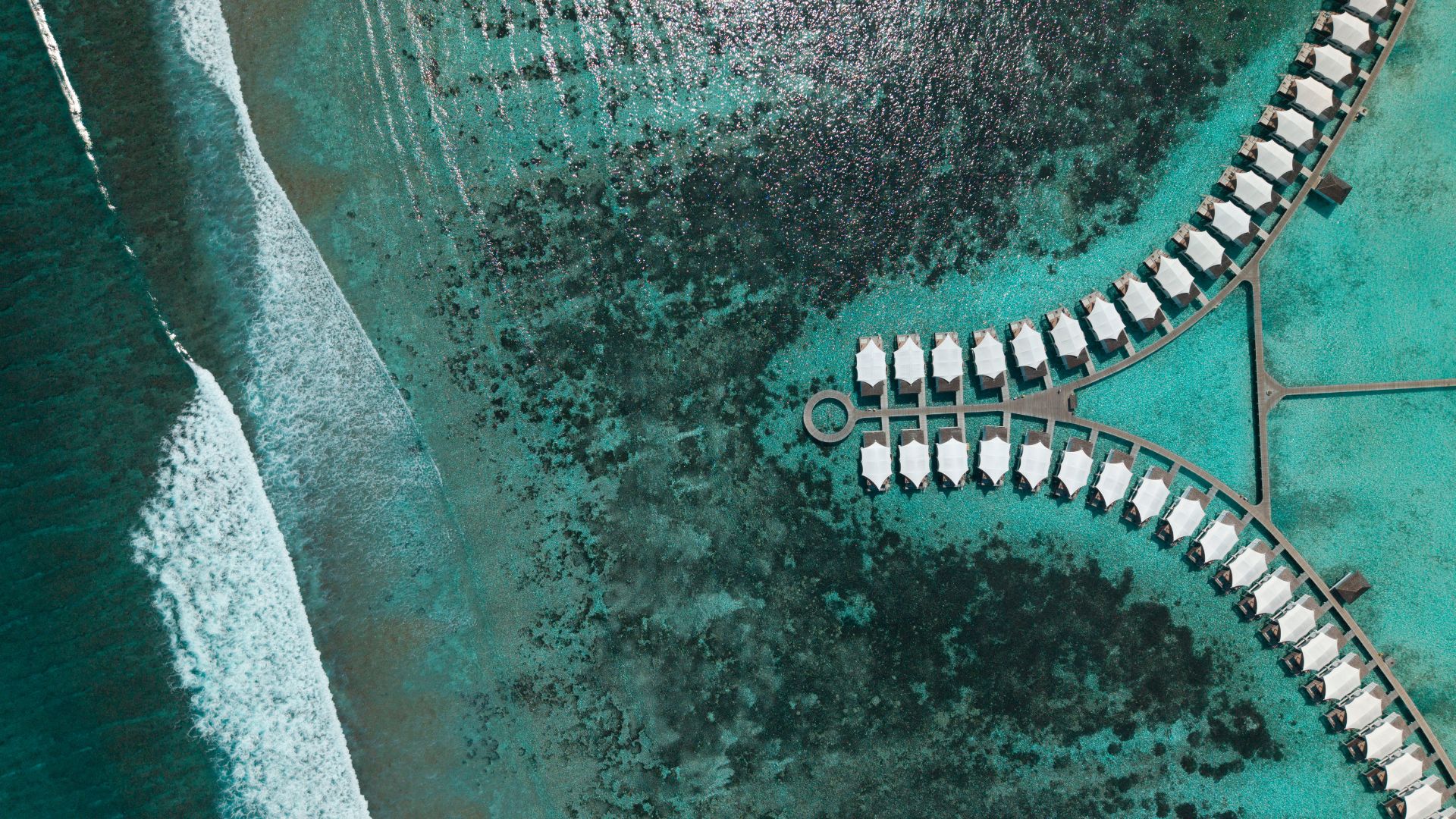
Cinnamon Hotels & Resorts Maldives has introduced a summer offer aimed at travellers seeking longer stays across its four island resorts.
Guests booking stays of seven nights or more will receive complimentary return transfers for two people, while shorter stays will include complimentary one-way transfers. At participating resorts, up to two children under the age of 12 can also stay and dine free.
The offer includes savings on selected excursions and activities and is available for bookings and stays until 31 October 2026.
Guests who book directly through Cinnamon Hotels & Resorts Maldives will have access to additional benefits, including options to personalise their stays with beach dining, spa treatments and island activities. Members of the brand’s loyalty programme will receive further savings and earn double Discovery Dollars during the promotional period.
Cinnamon Dhonveli Maldives offers beachfront accommodation, a range of activities and speedboat transfers from Malé. Its accommodation and family-focused programmes are designed for guests seeking a combination of recreation and time together.
Cinnamon Velifushi Maldives provides accommodation, dining options, wellness services and water-based activities within an island setting. The resort caters to couples, families and travellers visiting the Maldives for the first time.
Cinnamon Hakuraa Huraa Maldives, located across two islands in Meemu Atoll, is positioned for couples and honeymooners. Guest experiences include sunset dining, spa treatments and access to the surrounding lagoon.
Ellaidhoo Maldives by Cinnamon caters to divers and snorkellers through its house reef, marine life and access to dive sites. The resort provides direct access to underwater experiences in the Indian Ocean.
The summer offer provides savings of up to 65% across Cinnamon Hotels & Resorts Maldives’ four properties.
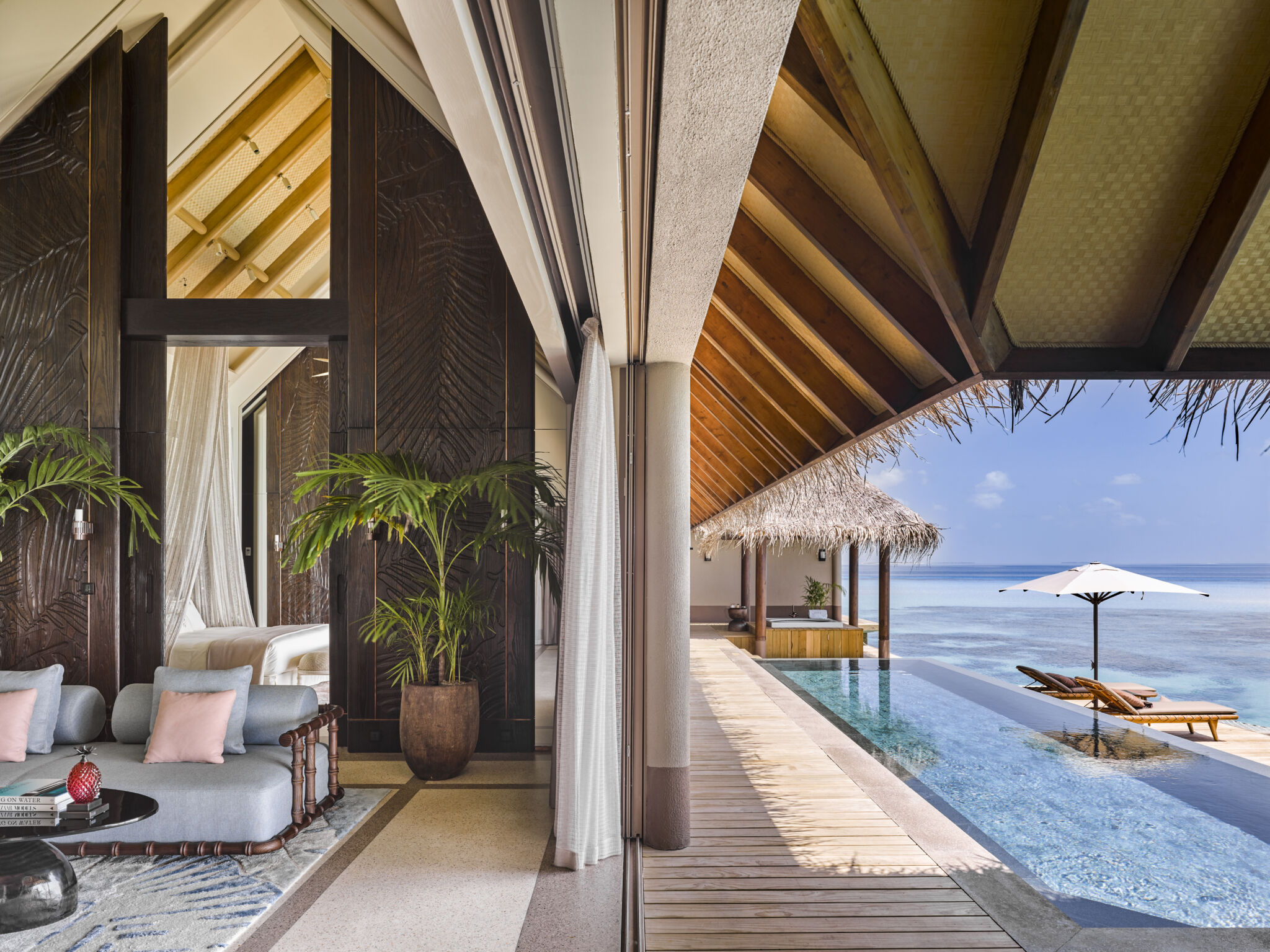
JOALI Maldives has been recognised in two categories at the Travel + Leisure Luxury Awards Asia 2026, receiving honours among the Best Resorts in the Maldives and for the Most Outrageous Villa.
The recognition reflects the resort’s Creative Living philosophy, which brings together art, nature, wellbeing, sustainability and hospitality within the guest experience.
Located in Raa Atoll, approximately 45 minutes by seaplane from Malé, JOALI Maldives opened as the Maldives’ first art-immersive luxury resort. Art installations, dining experiences, wellbeing programmes and accommodation are integrated across the island as part of its approach to resort living.
The property features 73 beach and overwater villas and residences, positioned across the island and above the Indian Ocean. The accommodation has been designed to provide privacy, space and access to views of the surrounding environment.
Each villa combines contemporary design with materials including timber, marble, bamboo and terrazzo, as well as handcrafted finishes. Floor-to-ceiling glass provides views of the ocean, while private pools connect the indoor and outdoor spaces.
Artworks and design pieces are also incorporated into each villa, reflecting the resort’s Creative Living concept and extending the art experience into the accommodation.
Guests can choose from Beach Villas, Water Villas and multi-bedroom Residences, with options designed for couples, families and groups. The larger residences provide additional living areas, pools and facilities for guests seeking more space and privacy.
Each villa is supported by a dedicated Jadugar, a term used by the resort to describe its butler service. The Jadugar assists guests throughout their stay by arranging dining experiences, island activities, celebrations and other personalised services.
Guests are also provided with bicycles to explore the island’s pathways, gardens and viewpoints.
JOALI Maldives said the awards reflected the work of its team and the support of its guests, partners and wider community. The resort also said it would continue developing experiences focused on creativity, wellbeing and connection.
The recognition adds to JOALI Maldives’ position within the Maldives’ luxury resort sector, where its art-led design and Creative Living philosophy form the basis of its guest experience.
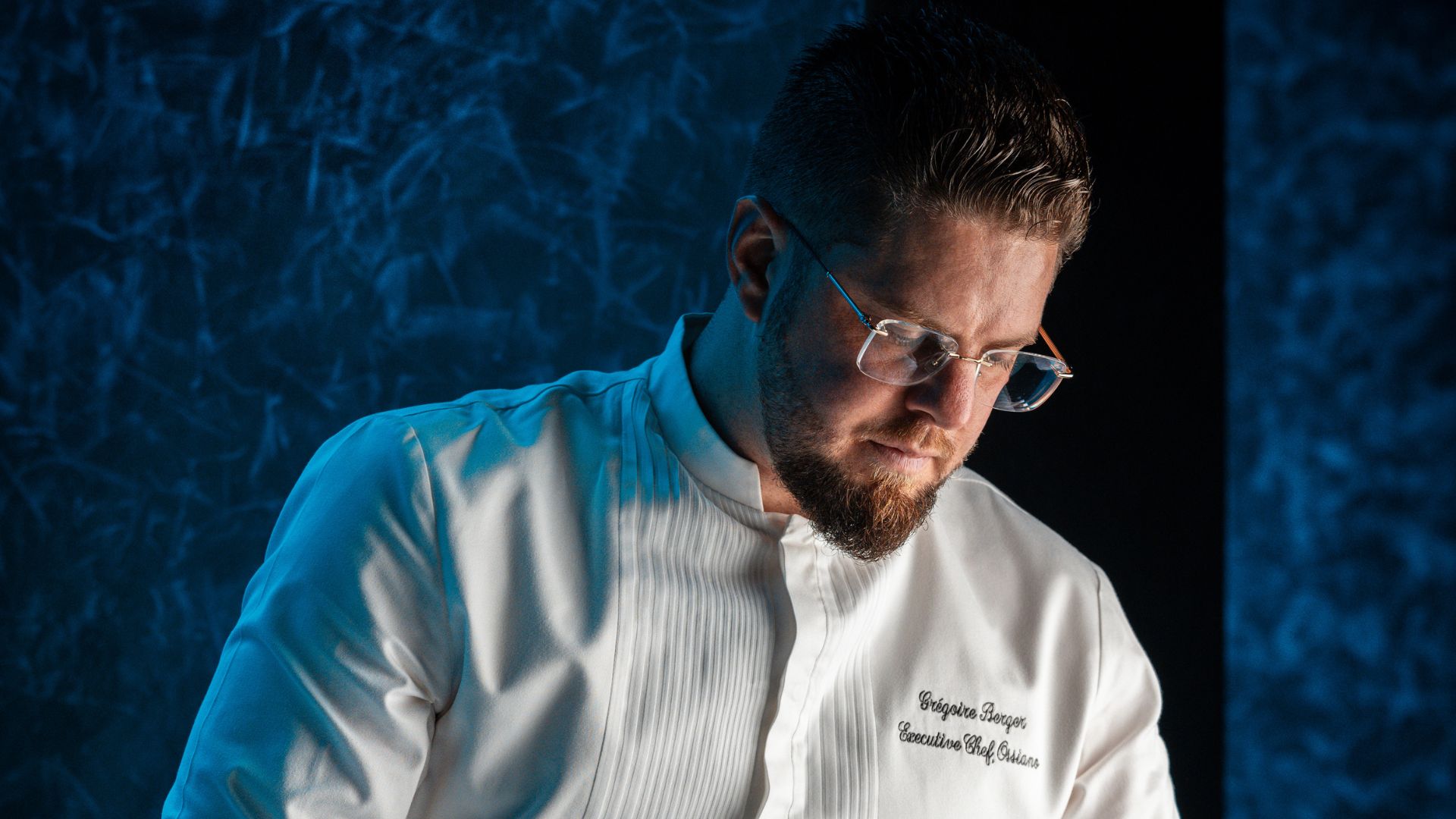
Lily Beach Resort & Spa has announced a culinary collaboration with Chef Grégoire Berger, chef and co-owner of the Dubai restaurant Kraken.
Known for progressive French cuisine influenced by the ocean, Berger has received a Michelin star in the Michelin Guide Dubai from 2022 to 2024. His restaurant has also been included among the World’s 50 Best Restaurants, while his work has received recognition through several international culinary awards.
Berger’s approach draws on the sea as a source of ingredients, ideas and presentation. His menus combine French culinary techniques with marine influences, with each dish developed around a narrative connected to the ocean.
As part of his visit to Lily Beach in August 2026, Berger will host a fine-dining dinner for a limited number of guests. He will also introduce a signature dish at AQVA Bar & Restaurant during the collaboration.

The programme forms part of Lily Beach’s efforts to expand its culinary offering and introduce visiting chefs and dining concepts to guests in the Maldives.
Located in South Ari Atoll, the resort will provide guests with an opportunity to experience Berger’s cuisine within its all-inclusive hospitality concept. The collaboration will combine his Michelin-recognised approach with the resort’s existing food and beverage programme.
Lily Beach Resort & Spa has established its hospitality offering around its premium all-inclusive model, supported by a range of dining venues. Its restaurants offer overwater dining, international buffet selections, seafood and Asian-inspired dishes.
The resort’s culinary programme is supported by the Platinum Plan, an all-inclusive package that includes dining experiences, a selection of wines and spirits, excursions and personalised services.
Through the collaboration with Berger, Lily Beach aims to add another dining experience to its guest programme while continuing to develop its position within the Maldives’ luxury hospitality market.

-

 Awards6 days ago
Three Cinnamon Maldives resorts ranked among Tripadvisor’s top 10% worldwide
-

 Meditation1 week ago
Six Senses unveils ‘The Yin Way’ retreat at Kanuhura
-

 Awards1 week ago
Carne Diem Grill by Dharshan becomes Maldives’ sole entry in 50 Best Discovery 2026
-

 Action1 week ago
Nova Maldives marks Women’s Dive Day with diving, education and reef restoration
-

 News1 week ago
JW Marriott Maldives Resort & Spa welcomes Anshuka Parwani for exclusive wellness retreat
-

 Cooking6 days ago
The Standard, Maldives’ Mediterranean restaurant Onda earns regional nomination
-

 News6 days ago
Oaga Art Resort completes first phase of reboot ahead of August return
-

 Awards6 days ago
RAAYA by Atmosphere recognised at International Sustainability Awards 2026