

News
International Symposium hosted by Four Seasons Landaa Giraavaru leads commitments to save sharks and rays


Maldives showed its commitment to preserving the world’s sharks in 2010, when it established a shark sanctuary in its waters. To build on that, the Maldives government and The Pew Charitable Trusts brought leaders from nations in the region together on October 25 and 26, 2015 for a ministerial symposium focused on shark and ray conservation in the Indian Ocean.
Ministers and senior officials from the Maldives, an archipelago southwest of India, welcomed counterparts from Sri Lanka and the Seychelles to talk about the global crisis facing these animals. With 100 million sharks killed annually around the world, attendees discussed the urgent steps needed to safeguard these important species.
The Maldives exhibited global leadership by declaring its waters a shark sanctuary, where all sharks and rays are fully protected and used for profitable ecotourism. Shark and ray ecotourism is now a key part of the country’s economy, with one study estimating its annual value at USD 2.3 million. Research has shown that sharks are worth far more alive than when killed for their fins and meat.
“It is highly encouraging to see Indian Ocean island nations come together to discuss the economic benefits of sustainable shark and ray ecotourism,” said Daniel Fernando of the Manta Trust, which advocates for conservation of manta rays and their habitats.
Four Seasons Resort Maldives at Landaa Giraavaru hosted the symposium, which drew shark experts from around the world to one of the epicentres of sustainable shark and ray ecotourism. Presentations and discussions allowed the region’s ministers to witness firsthand why tourists travel from all over the world to see the manta rays, reef and whale sharks that are abundant in the protected Maldivian waters.
“It’s fantastic to see these governments gather and work together to develop solutions to protect sharks and rays,” said Luke Warwick, who directs Pew’s shark conservation efforts. ‘”Through the development of shark sanctuaries, such as the one here in the Maldives, along with international protections and strong legislation wherever sharks and rays are caught, these imperiled species can survive.”
The Sri Lankan government announced at the symposium that it has submitted a proposal to list all species of thresher sharks on Appendix II of the Convention on International Trade in Endangered Species of Wild Fauna and Flora (CITES) for consideration at next year’s meeting of the wildlife trade convention in South Africa. This international conservation leadership from Sri Lanka builds on the listing last November of thresher sharks on theConvention on the Conservation of Migratory Species of Wild Animals (CMS). Thresher sharks have been identified by the International Union for Conservation of Nature as the world’s most vulnerable family of sharks, so the proposal by Sri Lanka is badly needed.
“This action will help ensure that thresher sharks survive,” said Gamini Jayawickrama Perera, Minister of Sustainable Development and Wildlife, Sri Lanka. “We see severe declines in our waters and have acted to fully protect these slow-growing sharks. We want to make sure that governments around the world work together to either fully protect or limit the catch of thresher sharks to sustainable levels, so that they survive for generations to come.”
At the conclusion of the meeting, the ministers agreed on a declaration stating their joint aim to protect the Indian Ocean’s sharks and rays, both in their own waters and through collective, international action. This declaration included further leadership from the Maldives, who committed to support this Sri Lankan thresher shark proposal, and also take decisive action themselves by proposing that the silky shark is also offered protection under CITES.
“With huge quantities of sharks still killed in the region annually, the commitments made in this declaration, and the follow-up actions that need to happen in the coming months and years will be crucial if sharks are to survive and recover in the Indian Ocean,” said Mohamed Shainee, Maldives Minister of Fisheries and Agriculture.
“The Maldives has already taken a lead in regional shark management through the creation of a shark and ray sanctuary, so these species are protected in our waters. We now are reaping the benefits of a thriving ecotourism sector. We now want the world to join us in protecting sharks and rays, starting with the adoption of these CITES Proposals at the CoP next year,” Minister Shainee added.
“As noted in the declaration, the Maldives will be proposing that silky sharks are protected through a CITES Appendix II listing – these are key sharks that keep our tuna fisheries healthy, and we want to see them protected and sustainably managed globally,” added Thoriq Ibrahim, Maldives Minister of Environment and Energy.


Entertainment
Hard Rock Hotel Maldives welcomes British duo The Whiskey Brothers for live performances


Hard Rock Hotel Maldives is turning up the volume this October as The Whiskey Brothers bring their signature live performances to CROSSROADS Maldives for two evenings of music, energy and island entertainment.
Known for their engaging performances and distinctive musical style, The Whiskey Brothers will bring their sound to two of the destination’s vibrant venues, creating memorable evenings against the stunning backdrop of the Maldives.
The duo will kick off their performances at Hard Rock Cafe Maldives on 27 October 2026. Open to the public, including local residents, expats, and visitors, the evening invites music lovers to come together and experience the electrifying atmosphere of Hard Rock Cafe, where great music, dining and entertainment take centre stage.

On 28 October 2026, The Whiskey Brothers will continue their island performance at The Elephant & The Butterfly, Hard Rock Hotel Maldives’ signature beachfront restaurant. This exclusive performance is reserved for resort guests, offering an intimate evening of live music in a relaxed tropical setting.
The performances reflect Hard Rock Hotel Maldives’ commitment to bringing its iconic music-inspired DNA to life through dynamic entertainment, engaging experiences and vibrant island programming.
Located within CROSSROADS Maldives, just 15 minutes by speedboat from Velana International Airport, Hard Rock Hotel Maldives continues to celebrate the spirit of music, entertainment and island living.
Event Details:
- 27 October 2026 | 9:00 PM – 9:45 PM Venue: Hard Rock Cafe Maldives; open to the public, including locals, expats and visitors
- 28 October 2026 | 7:30 PM – 8:15 PM Venue: The Elephant & The Butterfly, Hard Rock Hotel Maldives; exclusive to resort guests
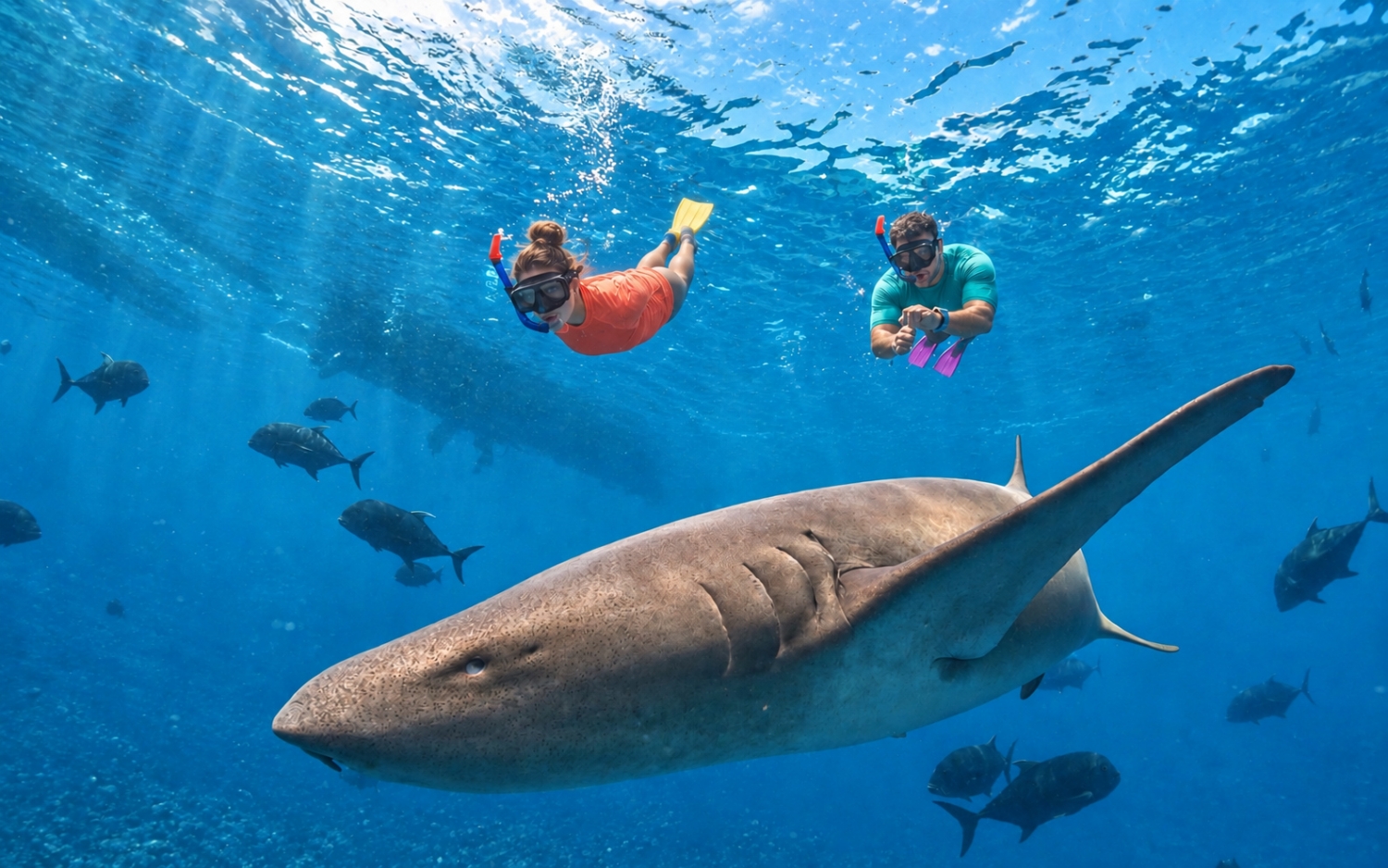
Kandooma Maldives has expanded what guests can expect from an all-inclusive Maldives holiday, with scuba diving, traditional sunrise line fishing, reef snorkelling, a sunset cruise and a spa treatment included in qualifying stays alongside 24-hour dining and drinks.
The 146-villa resort has transitioned to an experience-led all-inclusive offering under its new brand promise: Discover. Experience. Celebrate.
“We want family holidays to be easier, more enriching and considerably more fun,” says Andrew Drummond, General Manager of Kandooma Maldives.
“For us, all-inclusive shouldn’t just mean food and drinks. We want guests to be able to say yes to more of the Maldives. Go diving. Try traditional fishing. Get on the boom net at sunset. Get a massage and maybe join an activity they hadn’t planned. It’s about making it easy to get out there and enjoy the holiday.”
Recently named Leading Family Resort at the South Asian Travel Awards, Kandooma Maldives has designed the new offering to give guests more opportunities to experience the island and the South Malé Atoll, with many of the costs already taken care of.

All-inclusive stays are a minimum of four nights and include:
- 24-hour dining, with an extensive choice across participating island outlets
- One Sunset Splash Cruise per person, per stay
- One Group Reef Snorkelling experience per person, per day
- One Sunrise Fishing Trip per person, per stay
- One Scuba Dive per day for certified divers
- One 30-minute Back, Neck and Shoulder Massage OR 30-minute Foot Massage per person, per stay at Kandooma Spa by COMO Shambhala (Adults over 18 years)
Longer stays bring additional experiences and benefits, with selected inclusions resetting every four nights.
There is plenty more happening around the island too, with a changing daily programme of complimentary and bookable activities for adults and children.
A day at Kandooma can begin before breakfast, heading out onto the Indian Ocean as the first light appears on the horizon.
The included Sunrise Fishing Trip gives guests the chance to try traditional Maldivian line fishing, a simple technique that has been part of island life for generations.
The experience is part of Kandooma Ways, which connects guests with the Maldives, its people and culture. It is as much about being out on the ocean as the island wakes up as it is about seeing what might take the bait.
Later in the day, guests can head back out on the water for the Sunset Splash Cruise. As the sun drops and the sky changes through shades of gold, orange and pink, the choice is simple. Climb onto the boat’s boom net and feel the splash and spray of the Indian Ocean, or stay completely dry on deck with a refreshing drink and watch the sun go down. It’s a Maldives sunset, Kandooma style.
Kandooma Blue is all about getting guests into, onto and around the Indian Ocean. The included daily group Reef Snorkel is an easy way to discover what lies beneath the surface. Guests can explore coral formations, swim alongside schools of colourful tropical fish and keep watch for other marine life along the reef.
For certified scuba divers, there is much more to explore. Kandooma has a PADI 5-Star Dive Centre, with 28 dive sites accessible from the resort. Among them is renowned Kandooma Thila, approximately five minutes away by boat.
Depending on the site, season and conditions, divers may encounter colourful reef fish, turtles, rays and sharks while exploring reefs, channels, walls and thilas.
Certified divers staying on a qualifying all-inclusive package receive one scuba dive per day, making it possible to explore more of the South Malé Atoll throughout their holiday rather than limiting diving to a single excursion.

Eat When You Want, Where You Want
Kandooma Table is about good food, choice and keeping things easy. As an All-inclusive resort, guests are not tied to the same restaurant for every meal, with dining available across multiple outlets around the island.
Kandooma Café is open 24 hours a day, covering everything from breakfast and leisurely lunches to late-night snacks, which is ideal for those with early morning departures and hungry guests arriving on the island late at night.
The new Kandooma Beach Club brings a different flavour to island dining throughout the day. Mornings are all about casual bites and fun for tweens in the Arcade Zone, complete with billiards, ping pong, foosball and arcade games. Come lunchtime, guests can settle in for à la carte dining with beautiful beach views. And there’s another treat for all-inclusive guests: one dinner per person at Kandooma Beach Club is included for every four nights of their stay. By day, drinks are self-serve, think airport-lounge style, including beer on tap and wines by the glass.
Bokkuraa Pool Deck offers casual poolside dining, while Baraveli Beach Bar is an easy spot for drinks and refreshments overlooking the Indian Ocean with your feet in the sand.
Then there’s the new Scoops Gelateria.
“No one is going to go hungry staying at Kandooma,” Andrew laughs. “We’ve even added a Gelateria because, really, who doesn’t love ice cream on holiday? And we’ve included soft-serve too.”
Guests can also upgrade their morning with a floating breakfast, served in the privacy of their villa pool. And for wine lovers, the new Wine Room offers premium wines by the bottle in addition to the all-inclusive wine selection served by the glass. Guests can choose something special for dinner or take a bottle back to their villa, with premium bottles charged to their room account.
Time to Slow Down
Kandooma Flow is the slower side of island life. Each qualifying guest can choose a 30-minute Back, Neck and Shoulder Massage OR a 30-minute Foot Massage at Kandooma Spa by COMO Shambhala. It’s a welcome chance to switch off after a day spent diving, snorkelling, swimming or exploring, or simply to make some time for yourself while on holiday.
Guests who want to linger a little longer can use their included 30-minute massage benefit to extend or combine with a paid treatment. The Spa inclusion is strictly for adults (18+) only.

Something Different Every Day
There is no need for two days at Kandooma to look the same.
The resort runs a changing programme of complimentary and bookable activities for adults and children, with plenty of opportunities to get active, head out on the water, join in with something social, try something new or simply spend the day at the beach.
Guests can pack their days with experiences or do very little at all. Both work perfectly well at Kandooma.
“We didn’t want families worrying about every extra cost or thinking about the bill at the end of their stay,” says Andrew.
“We want them to relax, try something new and make terrific memories. Go fishing at sunrise, discover the reef, dive somewhere incredible or have a massage. It’s their holiday, and we want to make it easy for them to enjoy it.”
That thinking is summed up in three words: Discover. Experience. Celebrate.
The resort’s all-inclusive brochure can be found here or visit www.kandooma-maldives.com for more information.
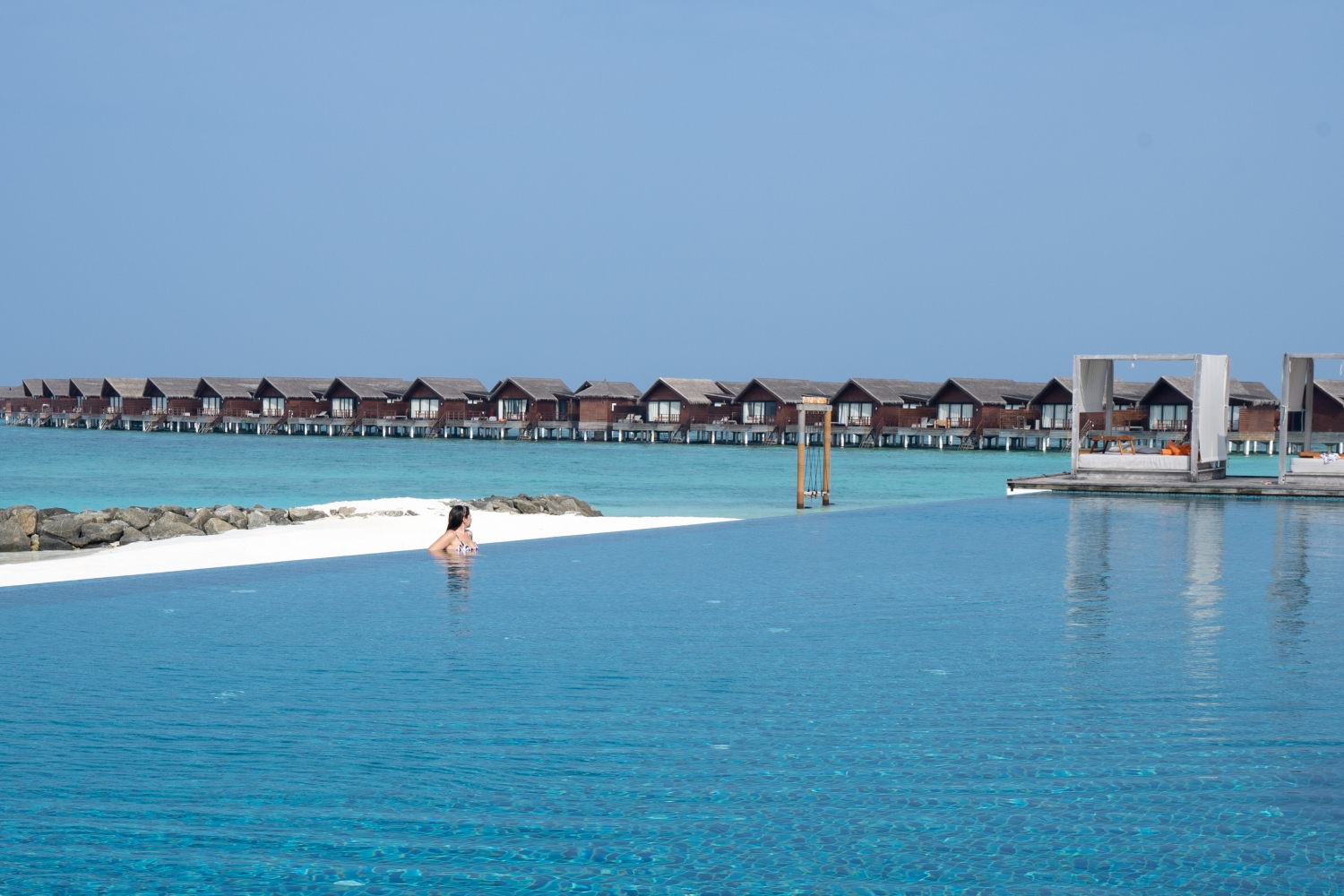
Grand Park Kodhipparu Maldives has introduced Remember the Quiet, a new signature wellbeing journey, ideally experienced over three to four nights, created for travellers who increasingly arrive on holiday needing something more than a change of scenery — they need space to slow down.
Designed around a simple idea — remember what quiet feels like — the experience responds to the realities of modern travel and everyday life: long journeys, jet lag, busy schedules, constant notifications and the feeling of always having something demanding attention.
Rather than creating a traditional wellness retreat filled with treatments, appointments and tightly scheduled activities, Grand Park Kodhipparu has taken a different approach. Remember the Quiet intentionally leaves space between experiences, allowing guests to settle naturally into the rhythm of the island.
It is particularly suited to travellers coming from fast-paced city life, guests looking to reset after a demanding period, and those who want wellbeing to feel restorative rather than like another schedule to complete. It also offers an alternative for travellers who may not consider themselves traditional wellness guests, but simply want to return home feeling more rested, present and refreshed.

A Journey Shaped by the Island
At the heart of Remember the Quiet is not a single treatment or ritual, but a gradual shift into a slower rhythm — shaped through movement, meditation, water, nature and stillness.
What makes the experience distinctive is what happens beyond the Spa itself and how these moments unfold across the island, rather than within one dedicated wellness space.
The resort’s overwater Spa, yoga studio, lagoon, swimming pool, bicycles, sunset views and quiet corners of the island are brought together as different chapters of one connected experience.
Moments of Stillness introduces a dedicated guided meditation at the yoga studio, creating space for guests to pause, quiet the mind and reconnect with the present moment.
Intentionally simple and unhurried, the experience allows stillness itself to become part of the journey. Henna sits at the heart of Carry the Quiet, with other mindful creative activities including woodblock painting and canvas painting also available. A personalised henna ritual in a peaceful island setting becomes one of the journey’s most distinctive mindful moments, followed by unhurried time to enjoy the lagoon and sunset.
The final stage remains intentionally light: Pockets of Peace. The designated Pockets of Peace reveal some of the island’s often-overlooked hidden gems — carefully identified spots where guests can escape the bustle, enjoy a moment of solitude and reconnect with nature at their own pace.
The spaces between these moments are equally intentional — time to swim, cycle around the island, watch the lagoon, rest in the villa or simply have nowhere they need to be.
“Across the world, we are seeing a growing interest in wellbeing retreats that embrace nature as an essential part of the experience. At Grand Park Kodhipparu, we have the privilege of a private island setting where the ocean, lagoon, tropical surroundings and natural rhythms of island life provide the perfect environment to slow down and reconnect with ourselves”, explains Liz Smailes, Director of Marketing.
“With Remember the Quiet, we wanted to go beyond traditional spa and wellness offerings, inviting guests to rediscover the simple pleasure of doing less. By connecting the natural beauty of our island with moments of stillness, gentle movement and mindful experiences, we hope guests leave not just feeling rested, but with a renewed sense of calm they can carry home with them.”

A Different Kind of Signature Stay
This deliberately spacious structure is what differentiates Remember the Quiet from a conventional wellness package. Instead of combining a collection of standalone spa and fitness inclusions, the journey connects existing elements of island life around one emotional purpose: helping guests move from arrival fatigue towards a calmer state of mind.
The philosophy reflects Grand Park Kodhipparu’s wider approach to contemporary boutique luxury, where the value of a stay is increasingly defined not simply by what guests are given to do, but by how the destination allows them to feel.
While guests are free to enjoy Remember the Quiet for any length of stay, three to four nights are recommended to fully embrace the journey, allowing time for its experiences to unfold naturally, without the pressure of a fixed schedule.

Remember the Quiet Includes:
- One-hour relaxation experience at the resort’s overwater Spa
- Complimentary guided Moments of Stillness sessions
- Complimentary 1-hour daily sunrise and sunset yoga
- Slow Lagoon Hour as evening settles over the island
- Pockets of Peace located around Kodhipparu
- A mindful Carry the Quiet art and handcraft experience with a henna hand painting, woodblock or canvas painting to take home
- Complimentary bicycles for exploring the island at an unhurried pace
- Welcome amenities upon arrival
Rather than asking guests to escape from their holiday for a wellness treatment, Remember the Quiet allows the holiday itself to become the wellbeing experience.
It is a signature stay shaped not by how much guests can fit into their stay, but by how differently they can feel at the end of them.
It is remembering how it feels to have nothing demanding your attention.

-

 Awards1 week ago
Cinnamon Maldives resorts celebrate triple win at SATA 2026
-

 Action1 week ago
Four Seasons Resorts Maldives honoured for 25 years of marine conservation efforts at HICAP 2026
-

 Fashion1 week ago
KAYALI showcases Maldives as luxury brand destination with first global trip
-

 Cooking1 week ago
Milaidhoo Maldives welcomes Chef JKP for culinary workshop, wine-pairing dinner
-

 Awards1 week ago
ELE|NA recognised for excellence in wellness hospitality at SATA 2026
-

 News1 week ago
The Standard, Huruvalhi Maldives to introduce refreshed villas, dining and wellness facilities
-

 News1 week ago
Siyam World Maldives adds JetCar Cinema to collection of island experiences
-

 News1 week ago
Sheraton Maldives launches festive offer with up to 20% savings on stays