

Featured
Ritz-Carlton Maldives, Fari Islands unveils conservation achievements and new green goals

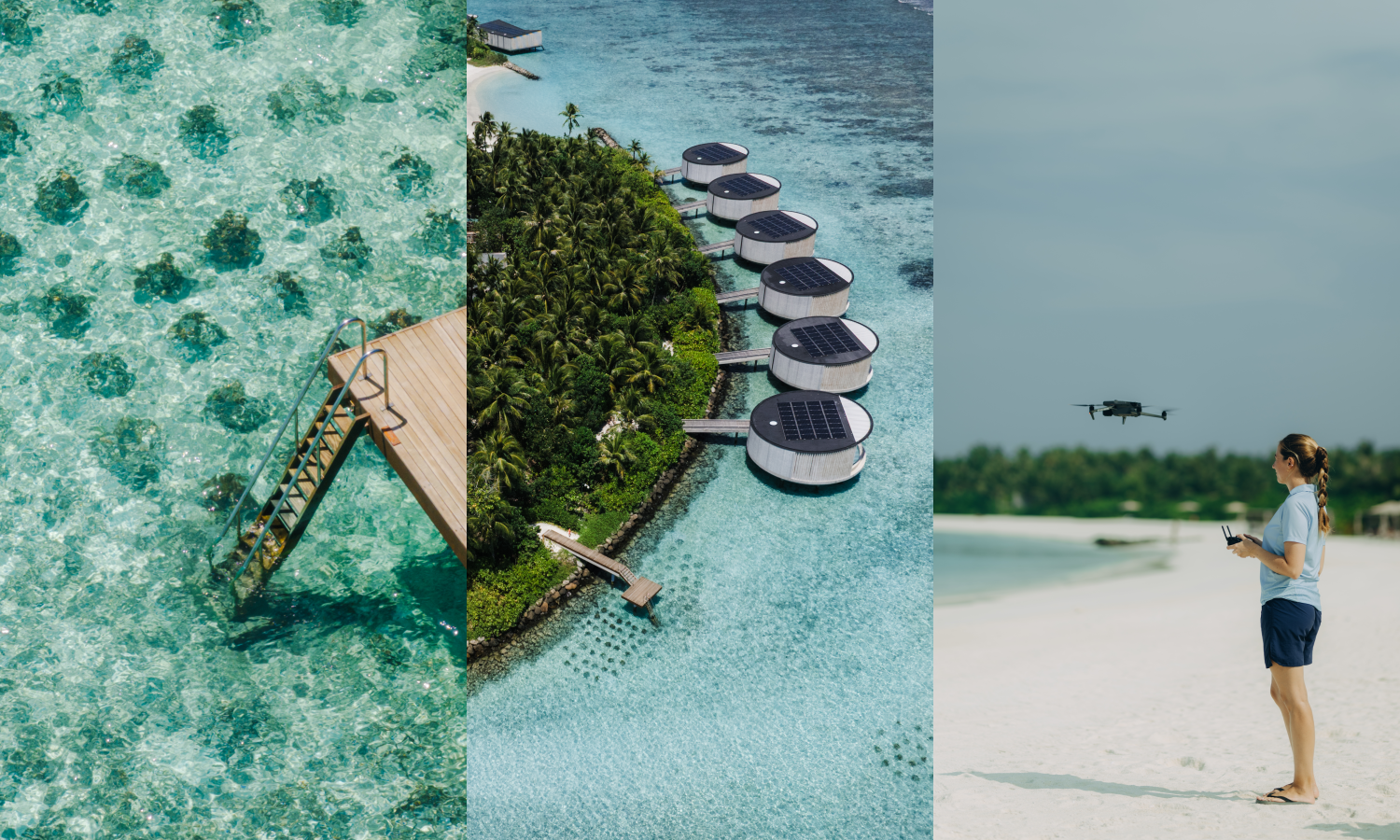
Part of the innovative Fari Islands lifestyle concept, The Ritz-Carlton Maldives, Fari Islands has embedded sustainability into its operations since its opening in 2021. Rooted in environmentally conscious architecture and design, the resort reflects on a year of significant achievements while outlining its goals for 2026.
Environment & Conservation
A destination that has become an iconic addition to the Indian Ocean is also a centre for environmental innovation and education. Under the guidance of its naturalist team, the resort launched a number of new and enhanced conservation programmes in 2025, engaging more than 1,000 guests. These initiatives included a new coral adoption programme that established a dedicated coral sanctuary, a coral nursery snorkelling activity for teenagers, and Ocean Discovery through VR, a virtual reality underwater journey designed to introduce guests to marine life from a fresh perspective.
Educational programming for children was expanded through the Little Conservationists initiative, which now incorporates fish cameras and hydrophones, enabling young guests to record underwater sounds and discover the hidden “voices” of the reef. The Eco Heroes activity was also enhanced with new ocean science experiments that help children understand currents, salinity, and ocean acidification through hands-on learning.
“Eye in the Sky” Ocean Plastics Detection and Research
Led by the resort’s naturalists in collaboration with a progressive research community, The Ritz-Carlton Maldives, Fari Islands became the first resort in the Maldives to launch a UAV-based ocean plastics detection initiative. First introduced by Dr Melissa Duncan-Schiele, the project analyses how ocean plastics move with wind and currents and identifies areas of accumulation. The goal is to develop a methodology that can be replicated nationally for collective plastic monitoring.
Since opening, the resort has completed 902 drone flights. In 2025 alone, it carried out 84 surveys totalling more than 21 hours of flying time. To date, the resort has removed over 1,840 kilograms of ghost nets, including 450 kilograms this year. Research findings will be shared in 2026.
Marine Life Monitoring
The drone programme also documents wildlife activity, providing valuable insights into species behaviour and distribution. In 2025, more than 17 species were recorded, including a blue whale, a pod of orcas, ornate eagle rays, guitarfish, and blacktip reef sharks.
Through its partnership with the Olive Ridley Project (ORP), the resort contributes sightings of sea turtles and reports of ghost gear. In 2025, 15 turtle sightings were submitted to the national database, and the team rescued six turtles found entangled in abandoned nets.
Coral Regeneration
The resort’s coral regeneration programme continues to restore degraded reef areas using coral fragments attached to rebar frames. In 2025, 140 new frames were planted, bringing the total to 243. More than 2,500 coral fragments were planted this year, with 290 guests participating.
A coral nursery trial was also launched to grow corals for direct transplantation onto the house reef. As a result, 25 healthy Acropora colonies were planted. A new coral sanctuary was opened this year, with guests able to visit the nursery via a designated swimming jetty.
Sustainable Practices
In 2025, the resort significantly reduced its energy consumption and waste through property-wide initiatives. With the addition of a solar garden and an expanded rooftop solar panel network, solar capacity at Fari Islands increased threefold to 6.4 MWp—enough to supply up to 50 per cent of the islands’ energy demand.
The resort further strengthened its commitment to reducing single-use waste by replacing coffee pods with ground-coffee machines and introducing a range of food-waste initiatives, including repurposing fruit peels and offering coffee-scrub workshops for staff. The spa transitioned to fully digital intake forms, dramatically reducing paper use, while housekeeping implemented textile-waste reduction measures and expanded its slipper-donation programme for local communities.
New landscape systems, including motion sensors, photocells, and sensor taps, lowered water and energy use. A biodigester was introduced to improve wet-waste processing, while regular community planting and beach-cleaning projects on local islands encouraged engagement through donations of plants and compost.
Community Footprints
Through its Community Footprints programme, the resort continued to foster environmental awareness among young people. Its strong relationships with local schools enabled visits from the naturalist team, who hosted recycling competitions, delivered plastic pollution awareness sessions, and conducted mangrove-planting activities to highlight the importance of coastal ecosystems.
Within the resort, Ladies and Gentlemen took part in activities for 12 global environmental dates, including Plastic Free Day, Earth Day, Shark Awareness Day, and Ocean Clean Up Day. Thirteen clean-up events—both beach and underwater—were conducted, along with waste management training.
Looking Ahead to 2026
Maintaining its “plasticarian” ethos remains a priority. In 2026, the resort aims to reduce single-use plastics by 80 per cent. Reusable glass water bottles, bamboo-based personal consumables, refillable amenities, and sustainable straws are already in place. Bamford amenities, aligned with shared values of mindful living, are replenished on-site, and the resort’s desalination plant further reduces plastic imports. A targeted 5 per cent reduction in water consumption and a 20 per cent increase in compost production form part of next year’s ambitions.
Building on its 2025 achievements, The Ritz-Carlton Maldives, Fari Islands aims to further elevate the guest experience with thoughtfully designed sustainability-driven activities, including its signature Masters of Crafts and Visiting Hero programmes. Details of the 2026 line-up will be announced in due course.


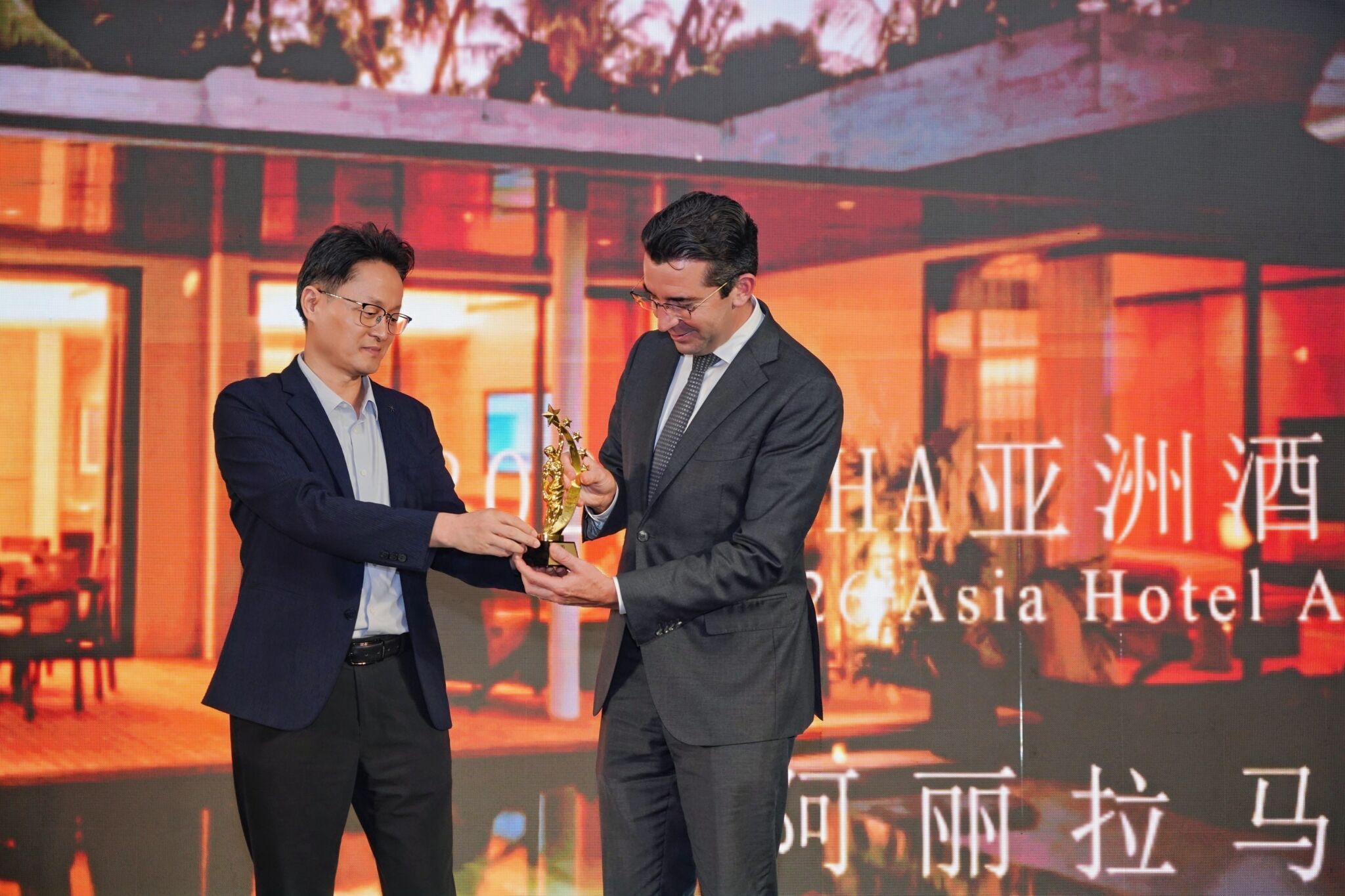
Alila Kothaifaru Maldives has been named Best Resort of the Year at the 2026 AHA Asia Hotel Awards, held at Capella Bangkok in Thailand. The recognition places the resort among leading hospitality properties across Asia, acknowledging its approach to luxury hospitality, guest experiences, design and service.
The award was presented during the 15th edition of the ceremony, which marked a milestone in the programme’s history. Established in 2010 by LIFESTYLE Magazine as the CHA China Hotel Awards, the programme expanded in 2026 to become the AHA Asia Hotel Awards, bringing together hotels and resorts from across the region.
The decision to host the gala in Bangkok for the first time reflected the programme’s broader ambition to recognise achievements in hospitality beyond China. The ceremony brought together hospitality leaders and industry representatives to celebrate achievements in luxury accommodation, resort experiences, design, wellness and service.
Alila Kothaifaru Maldives received the Best Resort of the Year award in recognition of its approach to providing guest experiences that combine contemporary design, personalised service and a connection to the island’s natural surroundings.
“To receive this recognition alongside some of Asia’s most respected hospitality names is a proud moment for all of us at Alila Kothaifaru Maldives,” said Thomas Weber, General Manager.
“Our island has its own character, and we have always believed that the most meaningful experiences come from allowing guests to discover it at their own pace. This award belongs to our team, whose care, dedication and genuine warmth bring that philosophy to life every day. We are equally grateful to our guests for choosing to share their time and special moments with us.”
Located in Raa Atoll, Alila Kothaifaru Maldives features 41 beachfront villas, 36 overwater villas, three two-bedroom beach villas and the Boduge Residence. Each accommodation category includes a private pool, with designs intended to offer privacy while maintaining a connection to the island’s landscape and surrounding Indian Ocean.
The resort offers a range of experiences centred on its location, including guided house reef exploration with marine experts, underwater activities and opportunities to learn about Maldivian traditions through cultural programmes.
Its dining experiences include seafood and international cuisine, as well as private dining arrangements on The Shack, a secluded sand cay. Spa Alila offers treatments and wellness programmes designed around relaxation and wellbeing.
“An award such as this reflects the dedication of many people working together, often through the smallest details that guests may never see,” said Jamal Ahmed, Resort Manager.
“We take great pride in creating an atmosphere where service feels personal and unforced, and where every guest feels genuinely welcomed. It is especially rewarding to see the efforts of our colleagues recognised on a regional stage.”
The latest recognition follows another achievement for Alila Kothaifaru Maldives in 2026, when the resort received the Tripadvisor Travellers’ Choice Award. The accolade places the property among the top 10 per cent of hotels worldwide based on traveller reviews and ratings.
The two awards recognise the resort’s performance from both industry and guest perspectives, reflecting its focus on service standards, guest satisfaction and experiences connected to the Maldivian environment.
Alila Kothaifaru Maldives continues to focus on delivering personalised hospitality, maintaining service standards and developing experiences that allow guests to explore the natural and cultural attractions of the Maldives.
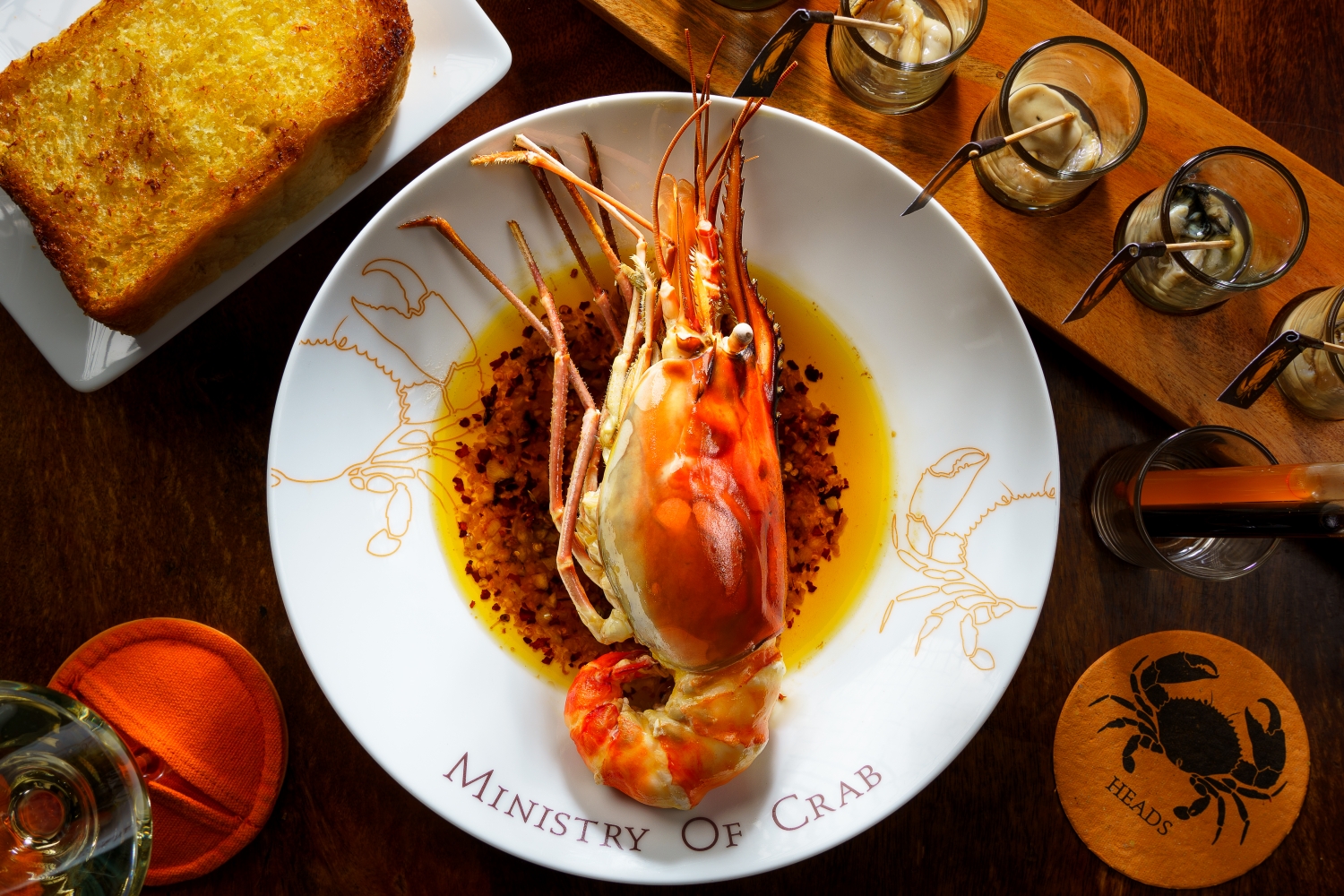
Barceló Nasandhura Malé has announced an exclusive two-night gastronomic pop-up collaboration featuring the celebrated flavours of Ministry of Crab at B.Heaven Rooftop on 13 and 14 November 2026.
Created by internationally acclaimed chef-restaurateur Dharshan Munidasa, Ministry of Crab is a distinguished fixture on Asia’s 50 Best Restaurants list. Known also for Carne Diem Grill at Crossroads Maldives, the country’s only restaurant featured in 50 Best Discovery this year, Chef Dharshan’s culinary philosophy will be brought to life in Malé through an extraordinary showcase of iconic Sri Lankan mud crab and freshwater prawn specialities.

Hosted against the panoramic ocean backdrop of B.Heaven Rooftop, this landmark commercial engagement brings Ministry of Crab’s world-renowned culinary philosophy to the Maldivian capital. Built on a foundation that prioritizes ingredient freshness above all else, Ministry of Crab operates under a strict “no-freezer” policy. The event will feature export-quality Sri Lankan mud crabs and majestic freshwater prawns flown in fresh for the two-day dining showcase.

“We are delighted to bring the iconic flavours to Barceló Nasandhura Malé this November,” said Enric Reina, Hotel Manager at Barceló Nasandhura Malé. “This partnership marks a significant milestone for both our hotel and the capital’s dining scene as we elevate the local epicurean landscape, offering our resident guests and Malé’s culinary connoisseurs a rare opportunity to experience award-winning gastronomy.”

Chef Dharshan Munidasa commented on the collaboration: “Maldives holds a special place in the regional food landscape, surrounded by the same pristine Indian Ocean waters that inspire much of my culinary work. Partnering with Barceló Nasandhura allows us to showcase our iconic Ministry of Crab signature dishes—from our Garlic Chili Crab to our hand-crushed Pepper Crab—alongside exclusive preparations crafted specifically for B.Heaven Rooftop.”
Over the course of this limited two-day engagement, guests will indulge in a curated menu highlighting Ministry of Crab’s flagship preparations.
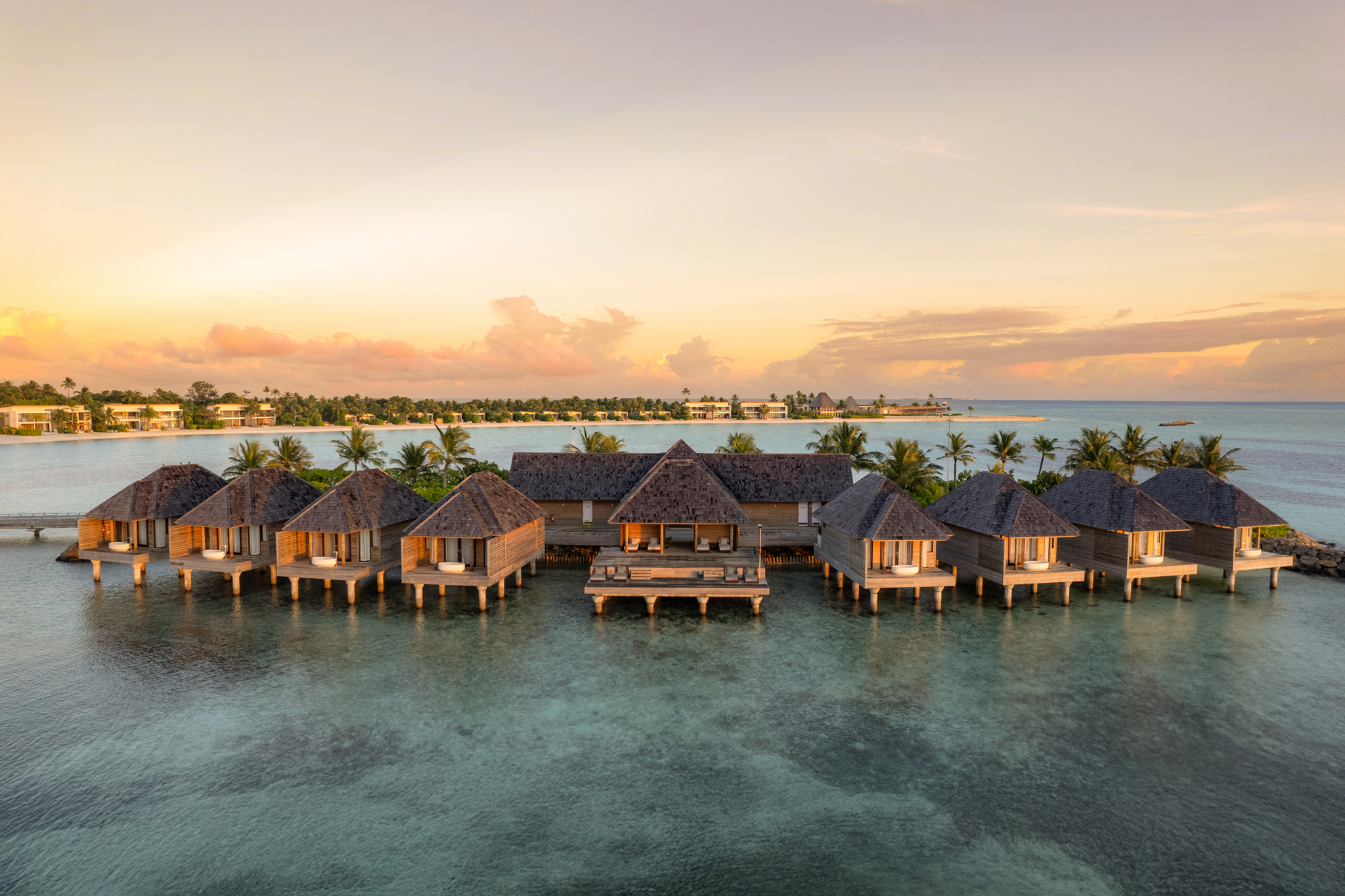
Kuda Villingili Resort Maldives has been included in the 2026 selection of the MICHELIN Guide, recognising the independently owned Maldivian resort for its hospitality, facilities and guest experiences.
The MICHELIN Guide’s hotel selection features properties from around the world, assessed against five criteria: connection to the destination, architecture and design, quality and consistency of service, authenticity and character, and value for the experience offered.
Located in North Malé Atoll, approximately 30 minutes by speedboat from Velana International Airport, Kuda Villingili features 75 villas, including 36 overwater villas, each equipped with a private pool. The resort caters to couples, families and groups of friends, offering accommodation and facilities designed to accommodate different guest preferences.
The resort offers eight dining experiences, an overwater spa, a 150-metre swimming pool, and a range of sports and wellness facilities. Its location near Chickens Break, one of the Maldives’ established surfing destinations, provides guests with access to surfing activities alongside other water-based experiences.
Kuda Villingili has also received Green Globe certification for the third consecutive year, reflecting its efforts in environmental sustainability and community engagement.
“Being selected for the MICHELIN Guide is a meaningful recognition for Kuda Villingili and, above all, for our team. Every day, our ambassadors bring warmth, care and individuality to the guest experience. This recognition reflects the passion behind what we have created together and encourages us to continue evolving while remaining true to who we are,” said Amjad Thaufeeg, Commercial Director of Kuda Villingili Resort Maldives.
The resort’s hospitality concept focuses on providing guests with flexibility to personalise their stays through activities including surfing, wellness, dining and family experiences, as well as opportunities for relaxation.
The inclusion in the MICHELIN Guide’s 2026 hotel selection represents another development for Kuda Villingili as it continues to position itself within the Maldives’ luxury hospitality sector under its brand philosophy, Time and Space Redefined.

-

 Awards1 week ago
Cinnamon Maldives resorts celebrate triple win at SATA 2026
-

 Fashion1 week ago
KAYALI showcases Maldives as luxury brand destination with first global trip
-

 News1 week ago
The Standard, Huruvalhi Maldives to introduce refreshed villas, dining and wellness facilities
-

 News1 week ago
Sheraton Maldives launches festive offer with up to 20% savings on stays
-

 News7 days ago
Patina Maldives announces Orthodox Christmas celebrations with Russian cuisine and live entertainment
-

 Cooking7 days ago
Belgian Chef Wout Bru to bring exclusive dining experiences to Meyyafushi, Fushifaru Maldives
-

 News5 days ago
.Here Baa Atoll completes two-island concept with opening of Nowhere Private Island
-

 News1 week ago
Atmosphere Hotels & Resorts introduces three distinct festive experiences in Maldives