

Featured
Fari Islands to triple solar power in 2025, advancing net zero goals


Fari Islands—a visionary four-island archipelago in the Maldives, home to luxury hospitality brands such as The Ritz-Carlton Maldives, Patina Maldives by Capella Hotel Group, and the innovative Fari Campus—is advancing its journey toward a net zero future. In a significant stride for its renewable energy ambitions, the destination is set to triple its photovoltaic (PV) capacity in 2025, bringing total solar output to 6.4 megawatt-peak (MWp). Once operational, the solar infrastructure will be capable of supplying up to 50% of the islands’ energy needs on sunny days, with average penetration expected to remain just under that figure due to variable weather conditions.
Since its inception in 2021, the Fari Islands project—developed by Singapore-based Pontiac Land Group—has been rooted in sustainable architecture and low-impact construction. Recognised as the world’s largest hospitality project using offsite Mass Engineered Timber construction, the development avoided over 6,000 tons of carbon emissions during production and transportation. All villas were prefabricated to minimise marine impact, and designed with flat rooftops to accommodate solar panels, diverging from traditional Maldivian thatched structures. Sustainability remains central across the islands’ operations.
David Tsang, CEO of Pontiac Land Group, emphasised the company’s long-term commitment to sustainable development, stating, “This renewable energy expansion marks a significant milestone in our sustainability journey. By embracing clean energy, we are taking tangible steps to reduce our carbon footprint and support progress in the hospitality and tourism industries.”
Partnering with Swimsol, a leader in marine floating solar technology, Fari Islands is undertaking one of the region’s largest solar initiatives. Key projects expected to be completed by the end of 2025 include:
- Floating Solar System at Fari Campus: A 40-platform ocean-based installation featuring 2,160 PV panels, contributing 1,037 kWp—approximately 24% of the destination’s total energy demand. This system will include a dedicated battery house and is scheduled for completion in Q4 2025.
- Land-Based PV Systems at Fari Campus: An expanded network of solar panels now totaling 1,200 kWp installed across 19 residential and community buildings that serve the island’s staff.
- Solar Roof Expansion at The Ritz-Carlton Maldives: In 2024, the resort added panels to all 61 Ocean Villas and subsequently to its back-of-house facilities, Beach Shack restaurant, and Dive Centre, achieving a total capacity of 983 kWp. The resort has been awarded the 2024 Green Globe Certification and the Forbes VERIFIED Responsible Hospitality badge for exceeding sustainability benchmarks.
Oscar Postma, General Manager of The Ritz-Carlton Maldives, remarked, “We are proud to contribute meaningfully to the Fari Islands’ collective sustainability goals. Our partnership with Swimsol moves us closer to our shared net zero targets.”
- Patina Maldives Solar Milestone: By 2025, the property is projected to operate fully on solar energy during daylight hours. The resort has installed 2,994 kWp of solar panels, with 980 kWp on an eastern land bank and the remainder on rooftops across villas, F&B venues, the FLOW Spa, and other resort infrastructure. An additional 2 MWh of battery storage is included to enhance energy resilience. Patina Maldives has earned back-to-back EarthCheck Silver Certifications and the Forbes VERIFIED Responsible Hospitality badge.
Anthony Gill, General Manager of Patina Maldives, stated, “Each milestone reaffirms our team’s dedication to conscious luxury and environmental responsibility. Together with Swimsol, we are shaping a cleaner, more sustainable future for the Maldives and the world.”
Through innovative infrastructure, strategic partnerships, and a united vision, Fari Islands is setting a new benchmark for sustainability in the global hospitality landscape.


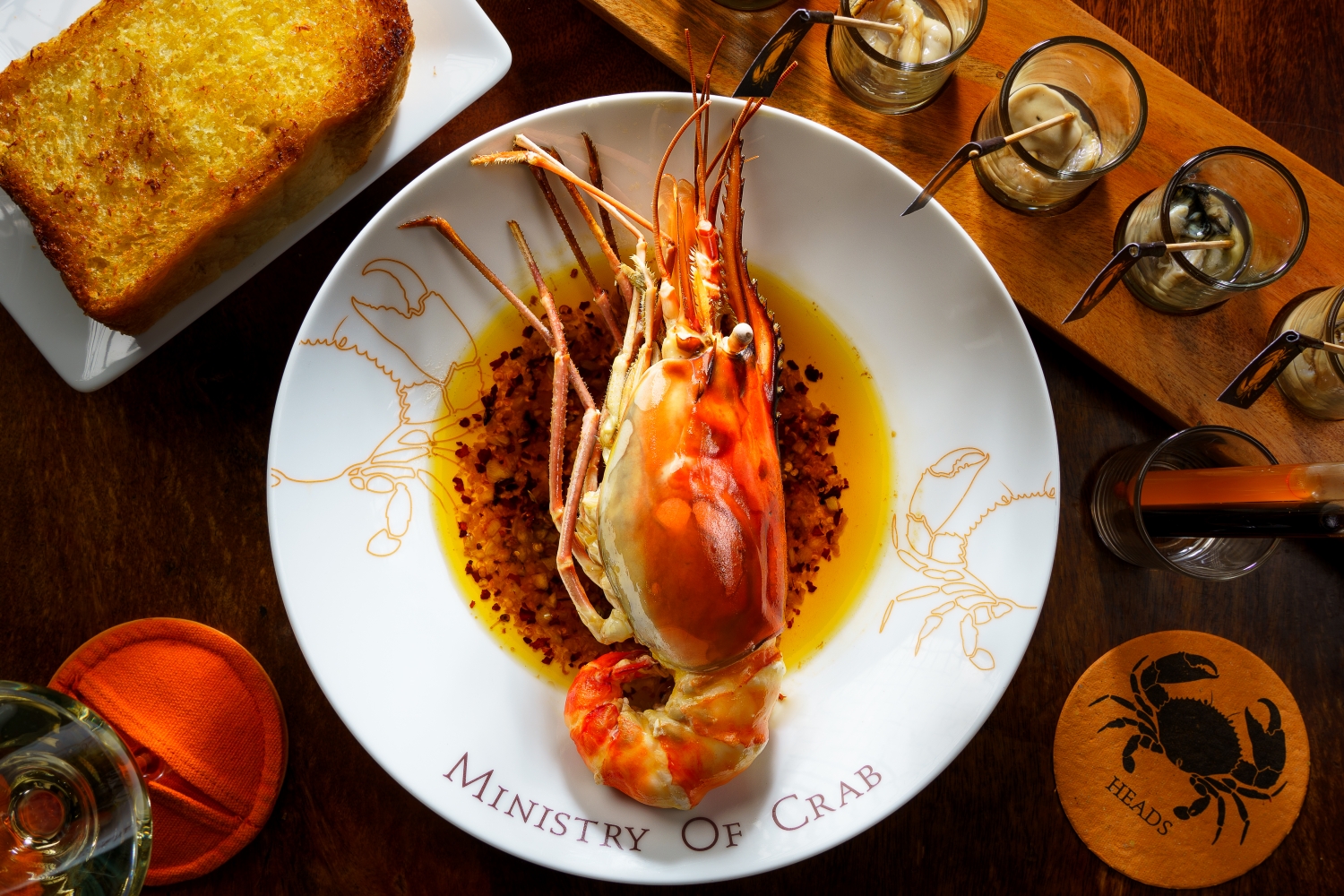
Barceló Nasandhura Malé has announced an exclusive two-night gastronomic pop-up collaboration featuring the celebrated flavours of Ministry of Crab at B.Heaven Rooftop on 13 and 14 November 2026.
Created by internationally acclaimed chef-restaurateur Dharshan Munidasa, Ministry of Crab is a distinguished fixture on Asia’s 50 Best Restaurants list. Known also for Carne Diem Grill at Crossroads Maldives, the country’s only restaurant featured in 50 Best Discovery this year, Chef Dharshan’s culinary philosophy will be brought to life in Malé through an extraordinary showcase of iconic Sri Lankan mud crab and freshwater prawn specialities.

Hosted against the panoramic ocean backdrop of B.Heaven Rooftop, this landmark commercial engagement brings Ministry of Crab’s world-renowned culinary philosophy to the Maldivian capital. Built on a foundation that prioritizes ingredient freshness above all else, Ministry of Crab operates under a strict “no-freezer” policy. The event will feature export-quality Sri Lankan mud crabs and majestic freshwater prawns flown in fresh for the two-day dining showcase.

“We are delighted to bring the iconic flavours to Barceló Nasandhura Malé this November,” said Enric Reina, Hotel Manager at Barceló Nasandhura Malé. “This partnership marks a significant milestone for both our hotel and the capital’s dining scene as we elevate the local epicurean landscape, offering our resident guests and Malé’s culinary connoisseurs a rare opportunity to experience award-winning gastronomy.”

Chef Dharshan Munidasa commented on the collaboration: “Maldives holds a special place in the regional food landscape, surrounded by the same pristine Indian Ocean waters that inspire much of my culinary work. Partnering with Barceló Nasandhura allows us to showcase our iconic Ministry of Crab signature dishes—from our Garlic Chili Crab to our hand-crushed Pepper Crab—alongside exclusive preparations crafted specifically for B.Heaven Rooftop.”
Over the course of this limited two-day engagement, guests will indulge in a curated menu highlighting Ministry of Crab’s flagship preparations.
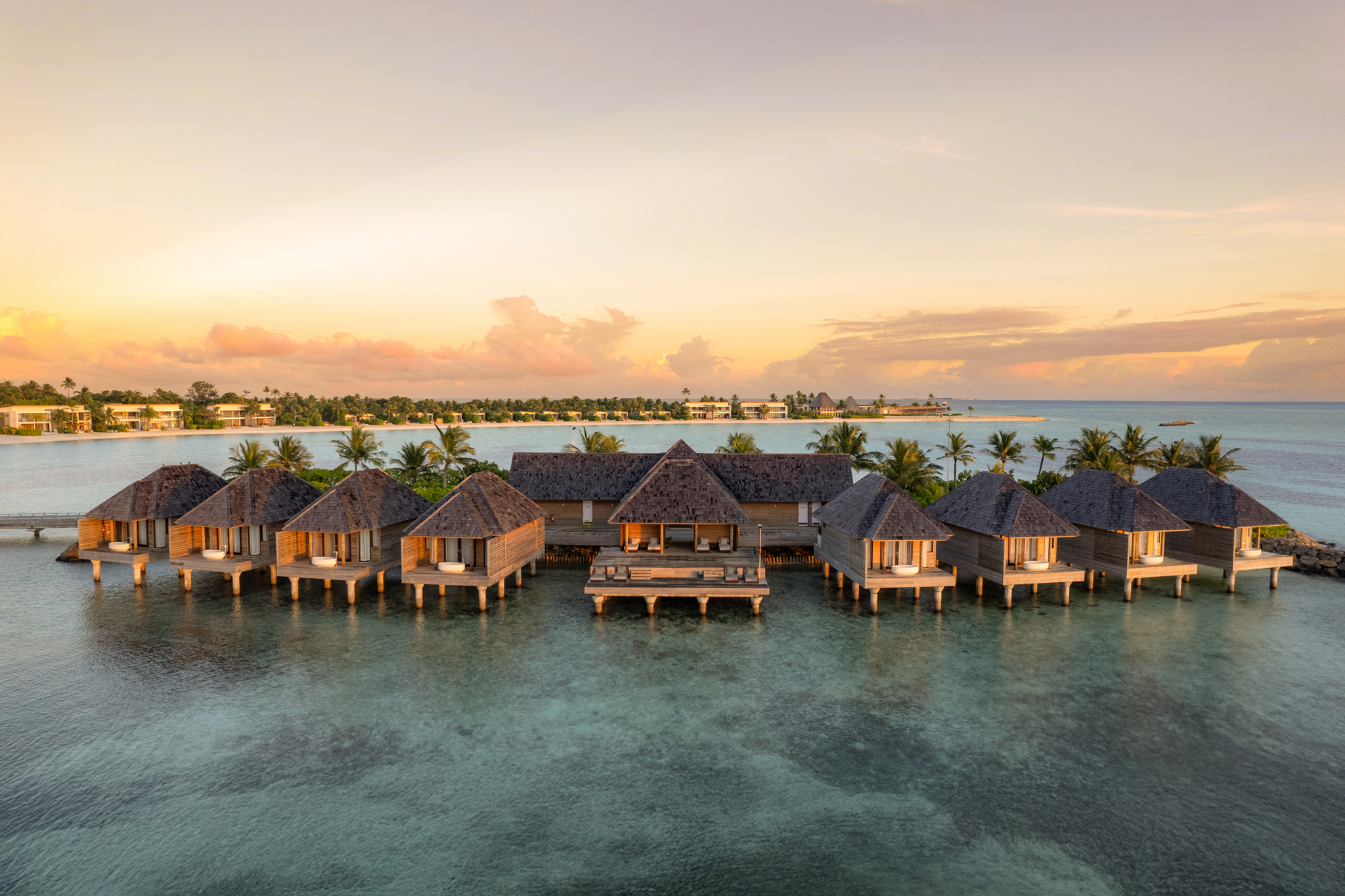
Kuda Villingili Resort Maldives has been included in the 2026 selection of the MICHELIN Guide, recognising the independently owned Maldivian resort for its hospitality, facilities and guest experiences.
The MICHELIN Guide’s hotel selection features properties from around the world, assessed against five criteria: connection to the destination, architecture and design, quality and consistency of service, authenticity and character, and value for the experience offered.
Located in North Malé Atoll, approximately 30 minutes by speedboat from Velana International Airport, Kuda Villingili features 75 villas, including 36 overwater villas, each equipped with a private pool. The resort caters to couples, families and groups of friends, offering accommodation and facilities designed to accommodate different guest preferences.
The resort offers eight dining experiences, an overwater spa, a 150-metre swimming pool, and a range of sports and wellness facilities. Its location near Chickens Break, one of the Maldives’ established surfing destinations, provides guests with access to surfing activities alongside other water-based experiences.
Kuda Villingili has also received Green Globe certification for the third consecutive year, reflecting its efforts in environmental sustainability and community engagement.
“Being selected for the MICHELIN Guide is a meaningful recognition for Kuda Villingili and, above all, for our team. Every day, our ambassadors bring warmth, care and individuality to the guest experience. This recognition reflects the passion behind what we have created together and encourages us to continue evolving while remaining true to who we are,” said Amjad Thaufeeg, Commercial Director of Kuda Villingili Resort Maldives.
The resort’s hospitality concept focuses on providing guests with flexibility to personalise their stays through activities including surfing, wellness, dining and family experiences, as well as opportunities for relaxation.
The inclusion in the MICHELIN Guide’s 2026 hotel selection represents another development for Kuda Villingili as it continues to position itself within the Maldives’ luxury hospitality sector under its brand philosophy, Time and Space Redefined.
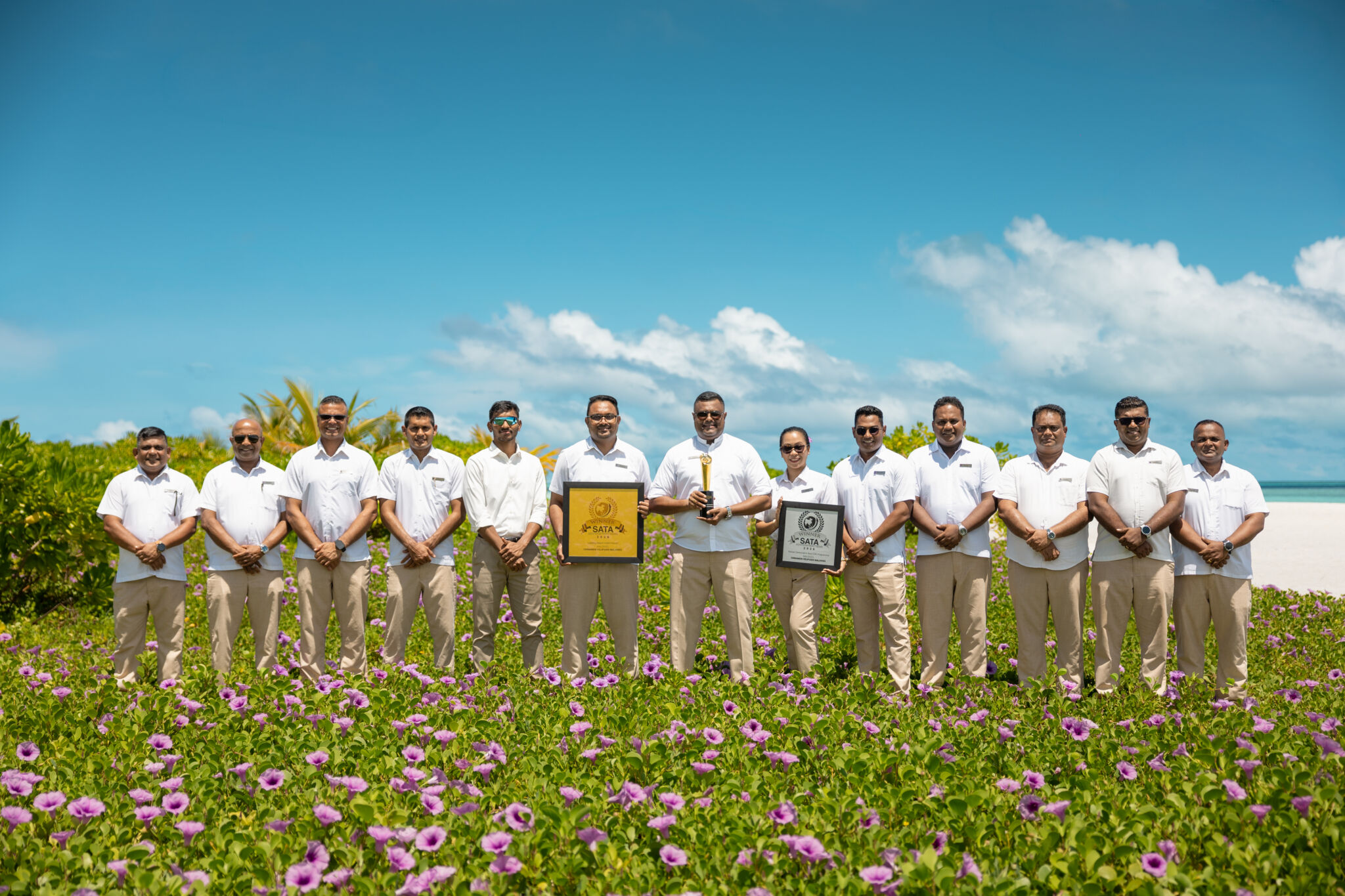
Cinnamon Hotels & Resorts Maldives has won three awards at the South Asian Travel Awards (SATA) 2026, with Cinnamon Dhonveli Maldives and Cinnamon Velifushi Maldives receiving recognition across three categories.
Cinnamon Dhonveli Maldives secured Gold in the Leading Surf Resort category for the eighth time and fourth consecutive year, while Cinnamon Velifushi Maldives retained Gold in the Leading Beach Resort category for the second consecutive year. Cinnamon Velifushi Maldives also received Silver in the Nishan Seneviratne Best CSR Programme category.
The 10th edition of SATA was held at Barceló Nasandhura Malé on 8 October 2026, recognising achievements across South Asia’s tourism and hospitality industry, including guest experiences, industry leadership and responsible tourism.
Located in North Malé Atoll, Cinnamon Dhonveli Maldives is home to the Pasta Point surf break, which attracts surfers from around the world. The resort’s eighth Gold award in the Leading Surf Resort category reflects its position among the Maldives’ surfing destinations. In addition to surfing, the resort offers water sports, wellness activities and other guest experiences.
“We remain committed to delivering memorable surf experiences and holidays in the Maldives,” said Marlon Robert, General Manager of Cinnamon Dhonveli Maldives.
Robert also acknowledged the continued support of guests, the international surfing community and the resort team in securing the recognition.
Cinnamon Velifushi Maldives received its second consecutive Gold award as Leading Beach Resort in recognition of its island setting, which features sandy beaches, a lagoon and a selection of beachfront and overwater accommodation. The resort also offers dining, wellness and recreational activities, providing guests with opportunities to explore the surrounding marine environment.
The resort’s Silver award in the Nishan Seneviratne Best CSR Programme category recognised its efforts to provide dive education and career development opportunities for young people from neighbouring island communities.
Implemented in partnership with Dive & Sail, the resort’s PADI-certified dive centre, the six-day programme enabled nine students aged between 16 and 18 from schools in Keyodhoo and Felidhoo to obtain PADI Open Water Diver certification.
The programme combined theoretical lessons, practical training and supervised dives to promote safe diving practices and reef conservation. It also introduced participants to potential career opportunities in marine tourism.
“These accolades reflect the dedication of our teams and the continued support of our guests, whose trust inspires us to keep raising the standard of our experiences,” said Sanjeeva Perera, Area General Manager, Cinnamon Maldives Resorts.
The three awards recognise the tourism experiences offered by Cinnamon Dhonveli Maldives and Cinnamon Velifushi Maldives, as well as Cinnamon Hotels & Resorts’ initiatives in environmental awareness and community engagement across its Maldives properties.

-

 Awards5 days ago
Cinnamon Maldives resorts celebrate triple win at SATA 2026
-

 Lifestyle1 week ago
Finolhu Maldives to host artist Yakov Khomich from 6 to 12 November
-

 Awards1 week ago
Atmosphere Core wins Leading Resort/Hotel Brand and Hospitality Development Company titles at SATA 2026
-

 Awards1 week ago
JEN Maldives Malé by Shangri-La recognised for business and urban hospitality at SATA 2026
-

 Awards1 week ago
Centara Grand Lagoon Maldives wins Best Luxury Resort Award at Asia Hotel Awards 2026
-

 News1 week ago
Alila Kothaifaru Maldives introduces ‘Tides of Wonder’ for festive season 2026
-

 Featured1 week ago
Reethi Faru Resort reveals festive line-up of dining, entertainment and island experiences
-

 News1 week ago
JOALI BEING celebrates five years with culinary and sports residencies