

Featured
Maldives raises $178.9 mln coronavirus relief funds from India, IMF


A total of $178.9 million has been raised through a currency swap facility with India and as an emergency loan from International Monetary Fund (IMF) loan to shore up the local economy against the shocks stemming from coronavirus pandemic, the Maldives central bank announced Tuesday.
Maldives Monetary Authority (MMA) said $150 million had been received under a $400 million currency swap arrangement signed with the Reserve Bank of India in 2019.
The currency swap facility is part of a $1.4 billion economic package announced by India for the Maldives in December 2018 on President Ibrahim Mohamed Solih’s maiden visit to the Maldives closest neighbour after coming to power.
The decision to activate the currency swap arrangement comes a week after a telephone conversation between President Solih and Indian Prime Minister Narendra Modi.
Meanwhile, the MMA said IMF has disbursed the $28.9 million loan approved last week under its fast track, zero-interest Rapid Credit Facility.
“These financial assistances will help the bank issue foreign currency for the import of essential food products and resources for the healthcare sector as immediately required,” a statement issued by MMA read.
The Maldives is looking to borrow $233.37 million from international lenders to plug the gap in balance of payments stemming from the coronavirus pandemic.
Funds already pledged by international lenders include $28.9 million from the International Monetary Fund (IMF), $20 million from the OPEC Fund for International Development, $17.3 million from the World Bank, and $3.28 million from the European Union.
In the meantime, the government will borrow MVR 4.2 billion ($272 million) under an overdraft facility at the central bank to cover state expenses and maintain public services amidst the coronavirus pandemic.
The coronavirus outbreak has hit the Maldivian economy hard, as travel restrictions and other preventive measures affect the country’s lucrative tourism industry, which contributes the bulk of the island nation’s state revenue and foreign reserves.
Before the pandemic, the government had been bullish about tourism prospects, targeting two million, high-spending holidaymakers this year after last year’s record 1.7 million.
However, tourist arrivals saw a year-over-year decline of 22.8 per cent in the first 10 days of March. Officials say the number of tourist arrivals to the Maldives could drop by half in 2020.
All international airlines have suspended scheduled operations to the Maldives, as the island nation enforced a blanket suspension of on-arrival visa in late March in a bid to combat the spread of the novel coronavirus.
Even before the visa suspension, the Maldives had closed its borders to arrivals from some of the worst-hit countries, including mainland China, Italy, Bangladesh, Iran, Spain, the United Kingdom, Malaysia and Sri Lanka. Visitors from three regions of Germany (Bavaria, North Rhine-Westphalia and Baden-Württemberg), two regions of France (Île-de-France and Grand Est) and two regions of South Korea were also banned from entering the country.
All direct flights to and from China, Italy, South Korea and Iran were also cancelled.
Cruise ships and foreign yachts were also banned from docking at any of the country’s ports.
With arrival numbers falling and the visa suspension in effect, several resorts across the Maldives had been closed.
Tourism has been the bedrock of the Maldives’ economic success. The $5 billion-dollar economy grew by 6.7 per cent in 2018 with tourism generating 60 per cent of foreign income.
However, the government is at present projecting a possible 13 per cent economic contraction this year — an estimated $778 million hit.
On March 8, Maldives reported its first cases of the novel coronavirus, as two hotel employees tested positive for Covid-19 at a luxury resort in the archipelago.
Eighteen more cases — all foreigners working or staying resorts and liveaboard vessels except five Maldivians who had returned from abroad — were later identified.
A six-case cluster of locals, detected in capital Male on April 15, confirmed community transmission of the coronavirus. Several more clusters have since been identified, bringing the total number of confirmed case in the Maldives to 250.
No deaths have been reported and 17 have made full recoveries.
The Maldives announced a state of public health emergency on March 12, the first such declaration under a recent public health protection law.
The public health emergency declaration has allowed the government to introduce a series of unprecedented restrictive and social distancing measures, including stay-at-home orders in capital Male and its suburbs, a ban on inter-island transport and public gatherings across the country, and a nationwide closing of government offices, schools, colleges and universities.
Non-essential services and public places in the capital such as gyms, cinemas and parks have also been shut.
Restaurants and cafes in the capital have been asked to stop dine-in service and switch to takeaway and delivery.
A nationwide shutdown of all guesthouses, city hotels and spa facilities located on inhabited islands is also in effect.
Photo: Maldives Monetary Authority (MMA). PHOTO/ CORPORATE MALDIVES


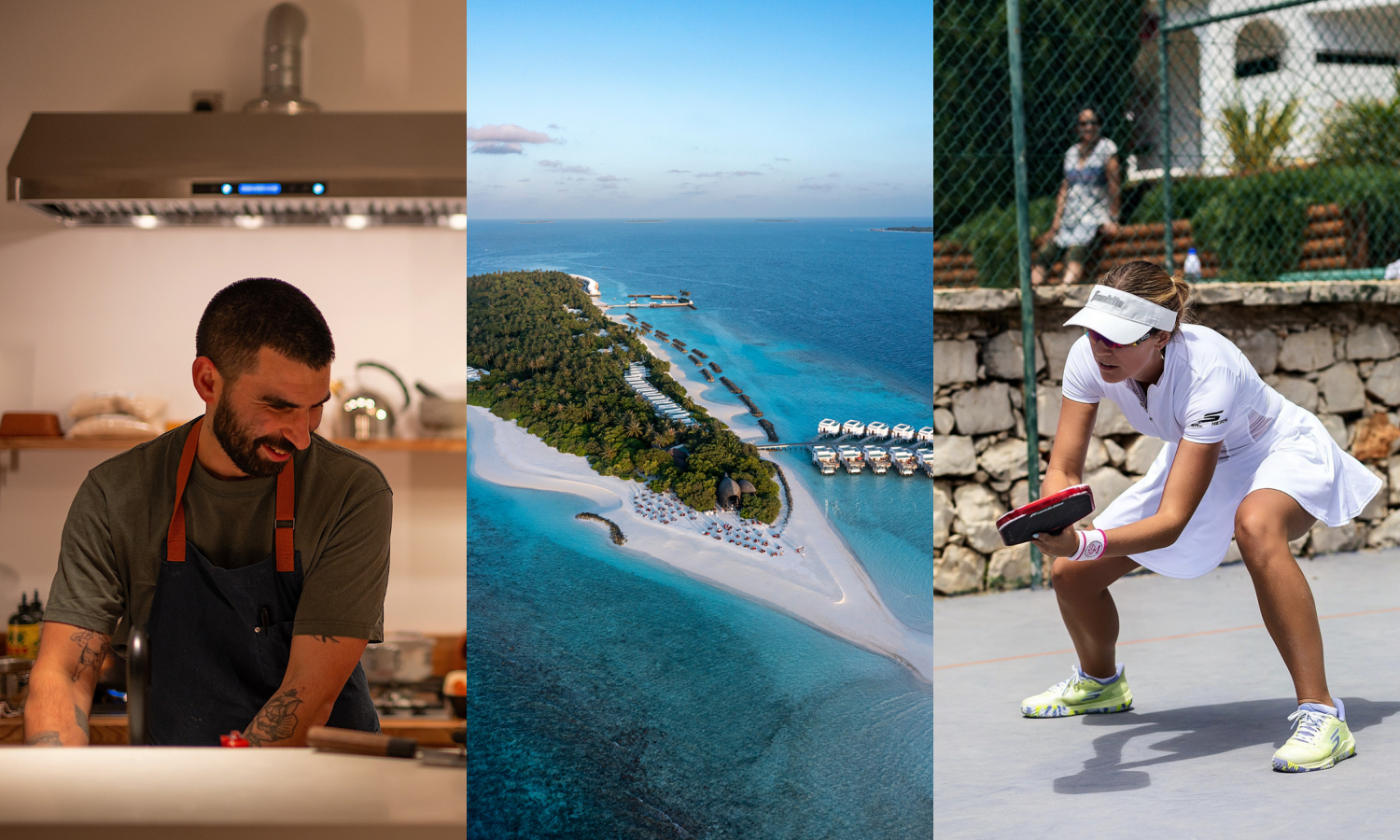
Niva Dhigali Maldives will welcome visiting chef Jake Norman and British pickleball champion Molly O’Donoghue for a curated programme of island experiences this November, bringing together dining and active wellbeing in the Maldives.
Norman began his culinary career making pizza in the markets of Guadalajara, Mexico, before working in several London restaurants, including St John, Ottolenghi and Sabor. He now leads the kitchen at Updown Farmhouse in Kent, where his cooking focuses on seasonal ingredients, live-fire techniques and Mediterranean influences.
On 18 November, Norman will host an exclusive dinner at Faru, presenting a menu that combines Mediterranean flavours with influences from Mexico and the Middle East, while incorporating ingredients sourced from the Maldives.
The shared dining experience will feature Indian Ocean produce, grilled dishes and smoky flavours, with a menu designed to reflect the setting and encourage guests to dine at a relaxed pace.
The programme will also include pickleball sessions hosted by British champion Molly O’Donoghue. A national champion in mixed and women’s doubles, as well as a European champion in mixed doubles, O’Donoghue first discovered the sport while studying in Australia. She has since competed internationally and worked to introduce the sport to players around the world.
At Niva Dhigali, O’Donoghue will conduct beginner sessions and advanced coaching, giving guests of different skill levels the opportunity to learn, play and develop their technique.
Located in Raa Atoll, Niva Dhigali Maldives is surrounded by tropical vegetation, a lagoon and the Indian Ocean. The November programme, featuring Norman’s dining experience and O’Donoghue’s pickleball sessions, forms part of the resort’s approach to offering guest experiences centred on food, wellbeing and the island environment.
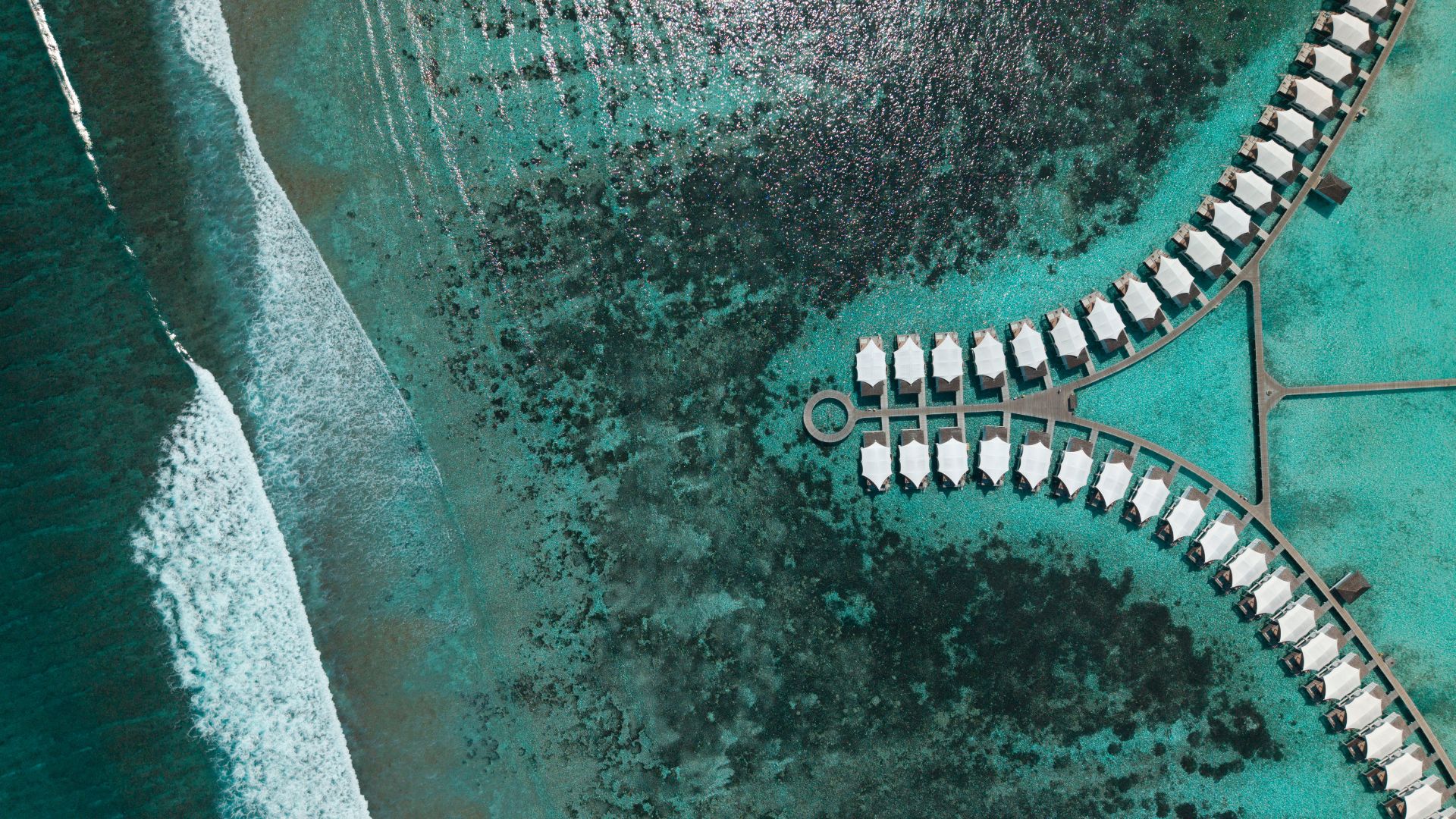
Cinnamon Hotels & Resorts Maldives has introduced a summer offer aimed at travellers seeking longer stays across its four island resorts.
Guests booking stays of seven nights or more will receive complimentary return transfers for two people, while shorter stays will include complimentary one-way transfers. At participating resorts, up to two children under the age of 12 can also stay and dine free.
The offer includes savings on selected excursions and activities and is available for bookings and stays until 31 October 2026.
Guests who book directly through Cinnamon Hotels & Resorts Maldives will have access to additional benefits, including options to personalise their stays with beach dining, spa treatments and island activities. Members of the brand’s loyalty programme will receive further savings and earn double Discovery Dollars during the promotional period.
Cinnamon Dhonveli Maldives offers beachfront accommodation, a range of activities and speedboat transfers from Malé. Its accommodation and family-focused programmes are designed for guests seeking a combination of recreation and time together.
Cinnamon Velifushi Maldives provides accommodation, dining options, wellness services and water-based activities within an island setting. The resort caters to couples, families and travellers visiting the Maldives for the first time.
Cinnamon Hakuraa Huraa Maldives, located across two islands in Meemu Atoll, is positioned for couples and honeymooners. Guest experiences include sunset dining, spa treatments and access to the surrounding lagoon.
Ellaidhoo Maldives by Cinnamon caters to divers and snorkellers through its house reef, marine life and access to dive sites. The resort provides direct access to underwater experiences in the Indian Ocean.
The summer offer provides savings of up to 65% across Cinnamon Hotels & Resorts Maldives’ four properties.
JOALI Maldives has been recognised in two categories at the Travel + Leisure Luxury Awards Asia 2026, receiving honours among the Best Resorts in the Maldives and for the Most Outrageous Villa.
The recognition reflects the resort’s Creative Living philosophy, which brings together art, nature, wellbeing, sustainability and hospitality within the guest experience.
Located in Raa Atoll, approximately 45 minutes by seaplane from Malé, JOALI Maldives opened as the Maldives’ first art-immersive luxury resort. Art installations, dining experiences, wellbeing programmes and accommodation are integrated across the island as part of its approach to resort living.
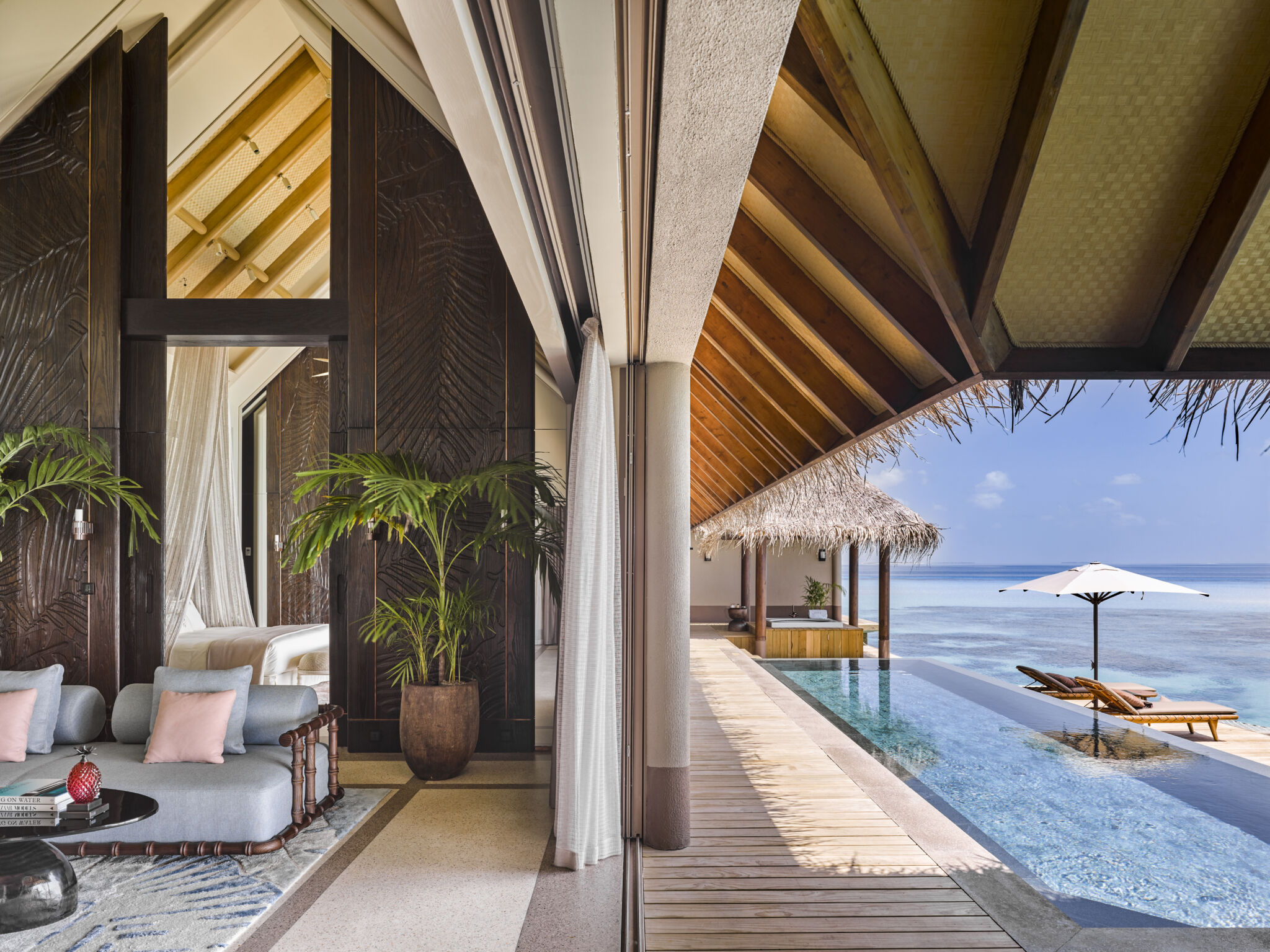
The property features 73 beach and overwater villas and residences, positioned across the island and above the Indian Ocean. The accommodation has been designed to provide privacy, space and access to views of the surrounding environment.
Each villa combines contemporary design with materials including timber, marble, bamboo and terrazzo, as well as handcrafted finishes. Floor-to-ceiling glass provides views of the ocean, while private pools connect the indoor and outdoor spaces.
Artworks and design pieces are also incorporated into each villa, reflecting the resort’s Creative Living concept and extending the art experience into the accommodation.
Guests can choose from Beach Villas, Water Villas and multi-bedroom Residences, with options designed for couples, families and groups. The larger residences provide additional living areas, pools and facilities for guests seeking more space and privacy.
Each villa is supported by a dedicated Jadugar, a term used by the resort to describe its butler service. The Jadugar assists guests throughout their stay by arranging dining experiences, island activities, celebrations and other personalised services.
Guests are also provided with bicycles to explore the island’s pathways, gardens and viewpoints.
JOALI Maldives said the awards reflected the work of its team and the support of its guests, partners and wider community. The resort also said it would continue developing experiences focused on creativity, wellbeing and connection.
The recognition adds to JOALI Maldives’ position within the Maldives’ luxury resort sector, where its art-led design and Creative Living philosophy form the basis of its guest experience.

-

 Action1 week ago
Manta Trust turns holiday photos into conservation science in Maldives
-

 Cooking1 week ago
Where every meal becomes a memory at Machchafushi Island Resort
-

 News1 week ago
Manhattan Grand Hotel aims to transform Maldives’ MICE industry
-

 Awards1 week ago
.Here Baa Atoll receives Forbes VERIFIED™ Responsible Hospitality recognition
-

 Drink1 week ago
SO/ Maldives introduces premium Dilmah Tea experience
-

 News1 week ago
Baros Maldives invites guests to slow down with ‘Baros Pause’ weekly wellness programme
-

 Drink1 week ago
Kuda Villingili secures third consecutive Wine Spectator honour
-

 News1 week ago
Cora Cora Maldives earns Green Globe Gold certification