

Action
OBLU NATURE Helengeli guests witness rare Ornate Eagle Ray

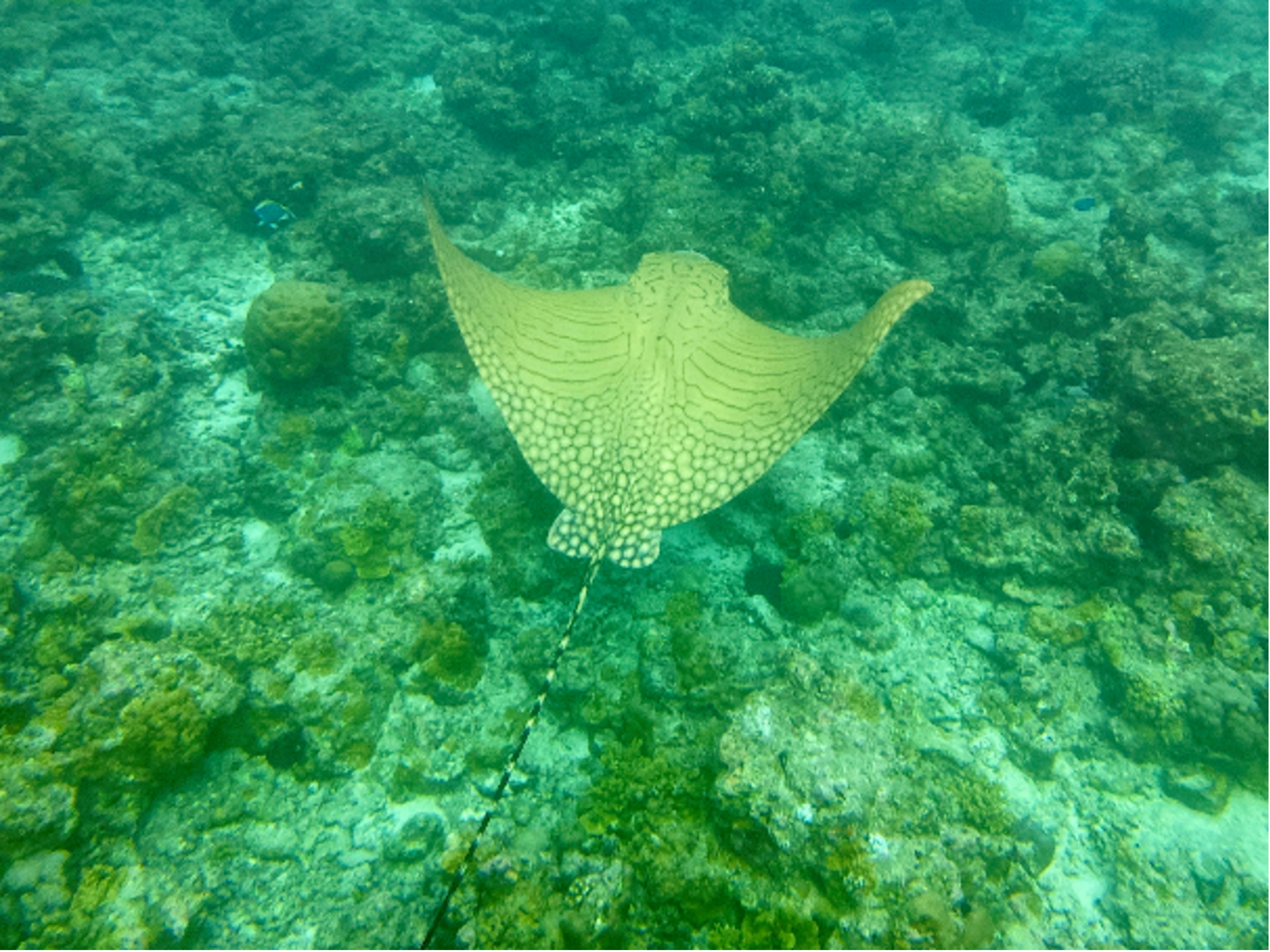
The Maldives is renowned for its surprises and in what can only be called a one-in-a-lifetime experience, on the 30th July a couple of lucky guests out snorkelling at OBLU NATURE Helengeli were treated to a cameo appearance of one of the most elusive sea creatures known. Whilst out taking in the wonders of Helengeli islands vibrant house reef, an Ornate Eagle Ray appeared, one of only a handful reported annually around the world.
The Ornate Eagle Ray, often dubbed the “unicorn of the sea”, is one of the rarest ray species known to humans, with fewer than 60 confirmed sightings globally to date. Despite a wide range of habitat from Indian Ocean to West Pacific, confirmed encounters remain extremely scarce according to sources including BBC Wildlife, Marine Megafauna Foundation and Oceanographic Magazine. The population is under surveillance by the ‘International Union for Conservation of Nature’ (IUCN), and this particular species of ray has an existence status of ‘Critically Endangered’, with population declines observed in conservation reports claims IUCN.
Explaining the uniqueness of this special sighting and of OBLU NATURE Helengeli’s location, TGI Maldives dive centre Operations Manager Greta Marcelli commented, “The guest sighting, made while snorkelling just metres from shore, adds to the limited tally of known observations in Maldivian waters, marking an extraordinary occurrence for both the guest and marine conservation alike.
“Sighting such a rare creature like the Ornate Eagle Ray is truly a remarkable experience to witness and one highly unlikely to ever repeat. That said, interestingly in 2025 at our sister islands of OBLU SELECT Sangeli and OBLU XPERIENCE Ailafushi also both in North Male’ Atoll, sightings had been made earlier this year in January. A staff member had spotted this ray species in the main boat lagoon at Sangeli island, and a guest posted a picture of one whilst on Ailafushi island – possibly completely unaware of just how rare these creatures are.”
This sighting underscores the importance of reef systems like Helengeli’s in offering refuge for rare species, even critically endangered ones such as the Ornate Eagle Ray. While rays are protected under Maldivian law since 2014, specific species-level monitoring remains limited.
Marine Boiologist Georgia Maggioni adds, “As resident marine biologists here in the Maldives, we are thrilled by these reports of rare sightings, it speaks volumes about the health and productivity of our island resorts reefs ecosystems. Although sightings of this species are exceptionally rare, its presence here signals encouraging progress in our conservation efforts, as we continue to support coral reef restoration around our resorts in both shallow lagoons and deeper waters”.
According to the IUCN that monitors the natural world and publishes ‘Nature’s Red List of Threatened Species’, latest research reports have been highlighting concerns for the Ornate Eagle Ray. In 2023, the last IUCN report published stated that ‘despite extensive baited remote underwater video surveying sharks and rays across 391 coral reefs in 67 nations and territories between 2009 and 2019, the Ornate Eagle Ray was only recorded three times, two off the Western Australia and one in Palau’.
Remaining as one of the ocean’s most mysterious species, very little is known about the ray’s migration patterns due to its rarity. However, scattered sightings across the Indo-Pacific, from the Maldives and Seychelles to Australia and the Philippines, suggest that this elusive ray may undertake wide-ranging movements through tropical reef systems. Its preference for shallow coastal waters, sandy bottoms, and coral-rich environments indicates possible seasonal migrations linked to breeding or feeding.
Greta concludes, “Due to its critically endangered status and the scarcity of confirmed data, each new sighting of a creature like the Ornate Eagle Ray plays a vital role in helping better understand the species’ range and behaviour. We are very lucky to have our guests document this encounter and capture the colours and importantly back print of the ray as this pattern is a unique identifier we share with our marine biology colleagues to better analyse migration and population.”


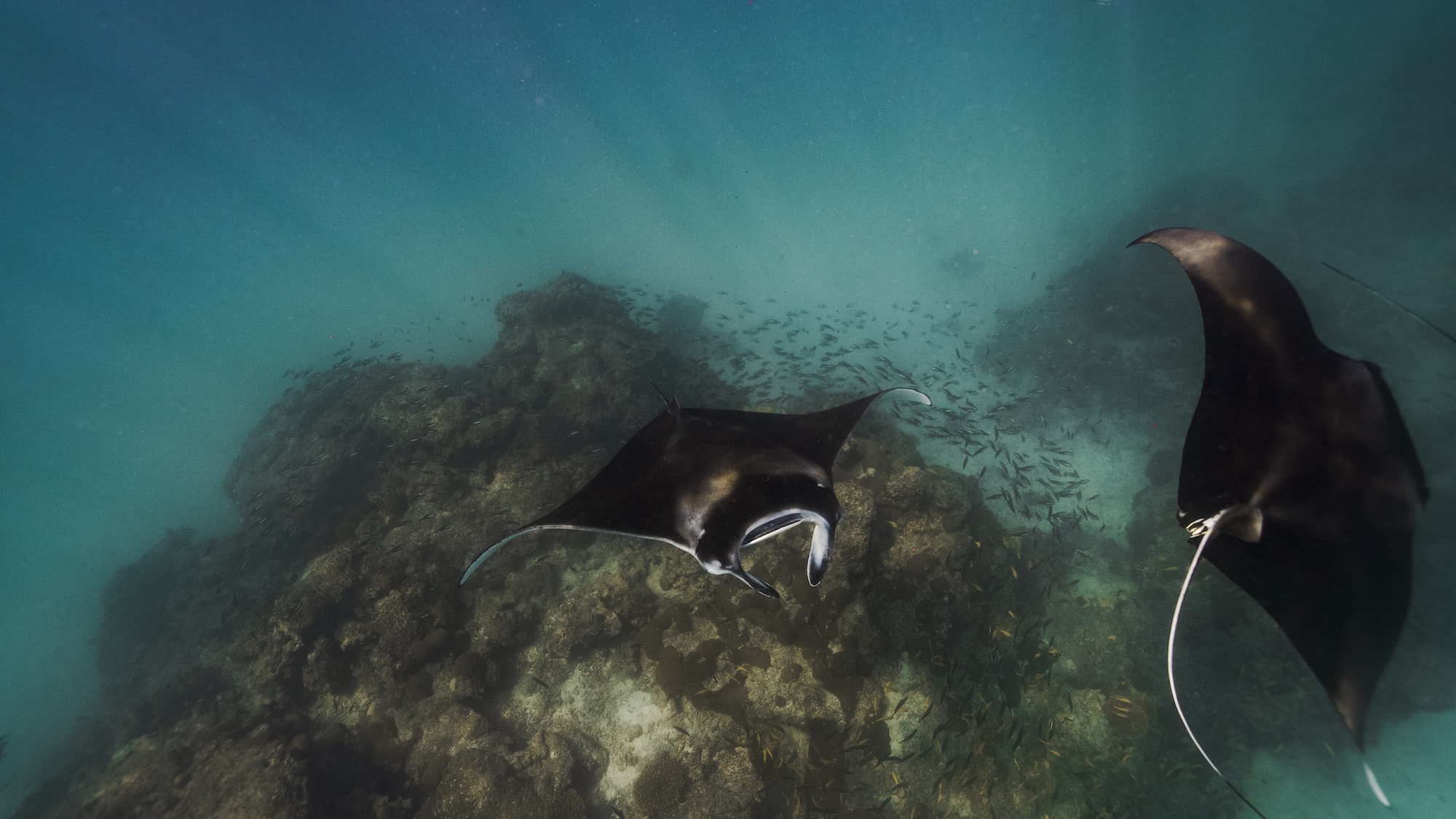
There are few encounters in the Maldives quite like watching the unmistakable silhouette of a manta ray emerge from the blue, its wings stretched wide as it glides effortlessly through the ocean before turning and disappearing once again into the distance. This World Manta Day, Ellaidhoo Maldives by Cinnamon celebrates one of the Indian Ocean’s most fascinating marine residents through an experience that takes guests beyond the island and into the waters of North Ari Atoll.
Operated by the resort’s Dive & Sail team, the manta excursion begins after breakfast with an 8.00 am departure from the resort, followed by a journey of approximately one hour and 40 minutes to two hours across the atoll, depending on sea conditions and where the mantas are gathering. Recently guests were taken towards Genburugau and Maavaru Kandu, but from there nature determines how the day unfolds, with the season, weather, currents and concentration of plankton all influencing where the mantas appear and how many might be encountered.

On favourable days, sightings can range from five to as many as 30 manta rays, and a recent excursion offered a glimpse of just how remarkable the experience can become when conditions align. With the waters particularly rich in plankton, numerous mantas had gathered in the area, allowing guests to enter the water and swim among them as they glided past, turned gracefully and circled through the blue.

Mostly oceanic manta rays are encountered during these excursions, and seeing their impressive size from beneath the surface brings an entirely different sense of scale, particularly when one passes nearby before sweeping around for another effortless turn.

For Ellaidhoo Maldives by Cinnamon, the journey also adds another dimension to an already rich underwater experience, extending beyond the resort’s renowned house reef and its abundance of marine life to explore the wider waters of North Ari Atoll and the remarkable species that call them home. Priced at USD 130 per person, the manta excursion includes lunch, while snorkelling equipment is available separately, with guests generally returning to the resort at approximately 2.30 pm.

As World Manta Day draws attention to these remarkable creatures and the marine environments they depend upon, the experience offers a chance not simply to see a manta ray, but to spend a few unforgettable moments sharing its world, because at Ellaidhoo Maldives by Cinnamon, sometimes the most memorable part of an island escape begins when the island disappears from view.
Soneva has unveiled the latest Soneva Stars calendar, seeing out the year with a line-up spanning space, sport, gastronomy, craftsmanship and wellbeing. Across Soneva Fushi, Soneva Jani and Soneva Secret, guests are invited to train, learn and interact with remarkable personalities who have spent their careers at the top of their fields.
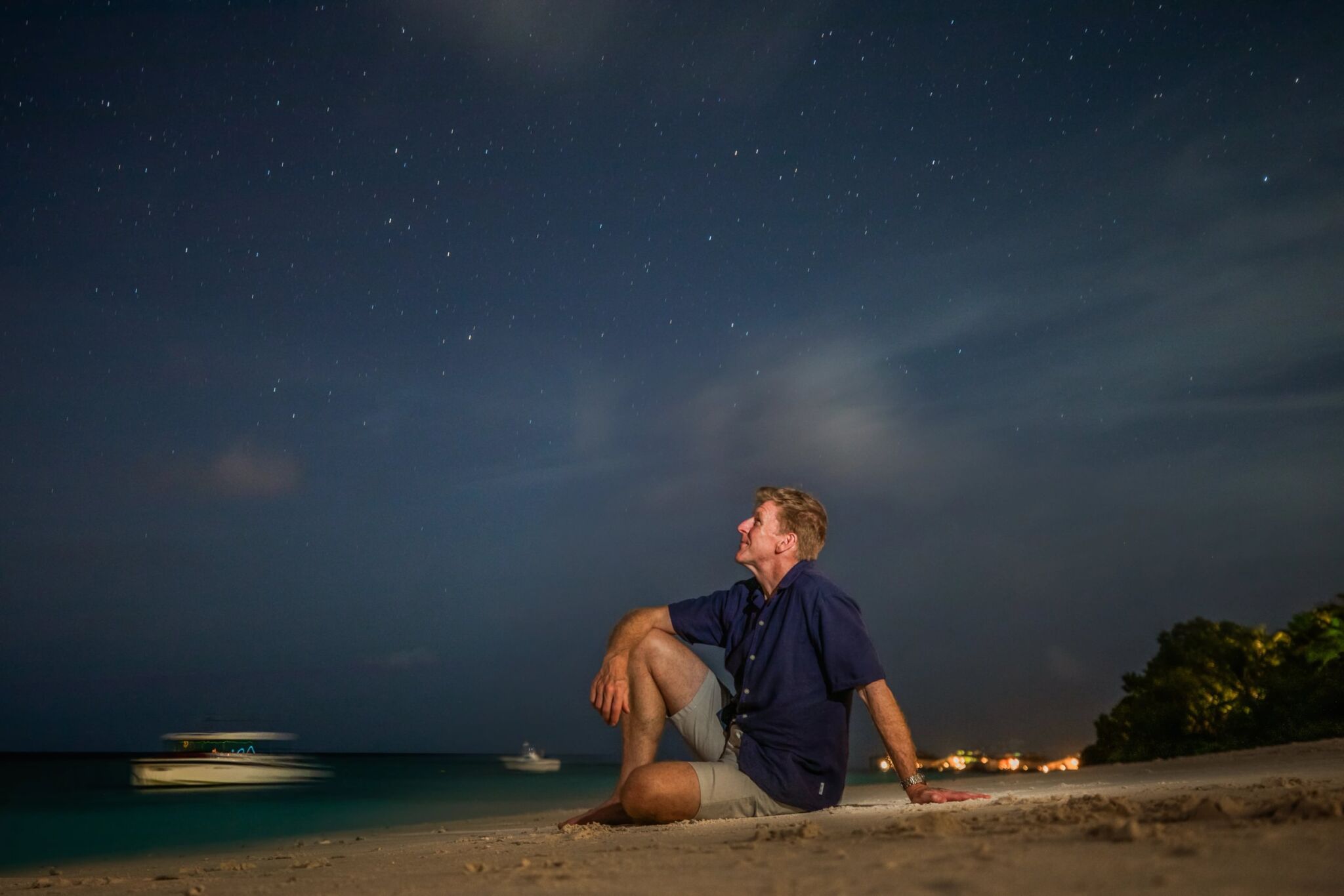
Among the year’s headline residences is Tim Peake, the first British ESA astronaut to visit the International Space Station. Peake will host talks, interactive sessions and stargazing experiences at Soneva Fushi from 19 to 29 December, sharing insights from his extraordinary career in space exploration beneath some of the clearest night skies on Earth.
The sporting calendar will welcome a series of internationally recognised athletes. A Premier League record goalscorer and former Manchester United striker, Andy Cole will lead football sessions from 25 October to 1 November, while former world No. 8 Marcos Baghdatis (25 October to 5 November) and current ATP star Karen Khachanov (12 to 22 November) will host tennis clinics and coaching experiences, giving guests a rare chance to train with players who have competed at the sport’s highest level. In September, Olympic medallist and world champion decathlete Leo Neugebauer will lead a session at Soneva Fushi’s outdoor gym as part of his residency.


In the world of wellbeing, Sarah Chapman, the facialist whose client list reads like a who’s who of the beauty world, will bring her treatments to Soneva Secret from 27 October to 5 November, offering guests the kind of skin expertise usually reserved for a waiting list.

The culinary programme features acclaimed chefs including Chantelle Nicholson (22 October to 6 November), known for her ingredient-led cooking and commitment to sustainable gastronomy, and champions of elevated Scandinavian dining, Niclas Jönsson (22 October to 6 November) and Fiskebar’s Jamie Lee (14 to 26 December), who will present special experiences throughout the season.

The Soneva Stars calendar runs even deeper. Astronomers Dr James Gilbert and Dr Lars Lindberg Christensen amplify the resorts’ celestial programme, while glass artists Adam Holtzinger and Susan Špiranović lead a residency at Soneva Fushi’s glass studio. Enhancing the wellbeing offering, guests can work with osteopath Hortensia Corredoira, East Asian healing specialist Alexander Scrimgeour, performance coach JP Liendi, Bodyism’s Nathalie Schyllert and wellbeing expert Richie Norton, alongside football freestyler Marcel Gurk, across residencies running through to the end of the year.

“The most memorable moments unfold through the power of human connection,” said Neil Gallagher, Chief Executive Officer of Soneva. “With Soneva Stars, our guests train with Andy Cole, sit with Tim Peake to find out what it’s truly like up there and get a fresh taste of the ocean’s bounty with Jamie Lee. These experiences spark conversations and memories that stay with them long after they leave.”
No two Soneva Stars seasons are ever the same. Each residency is an expression of Just What Matters: meaningful connections, new perspectives and moments of genuine wonder and discovery.
Guests can explore the full Soneva Stars calendar to book remarkable experiences.
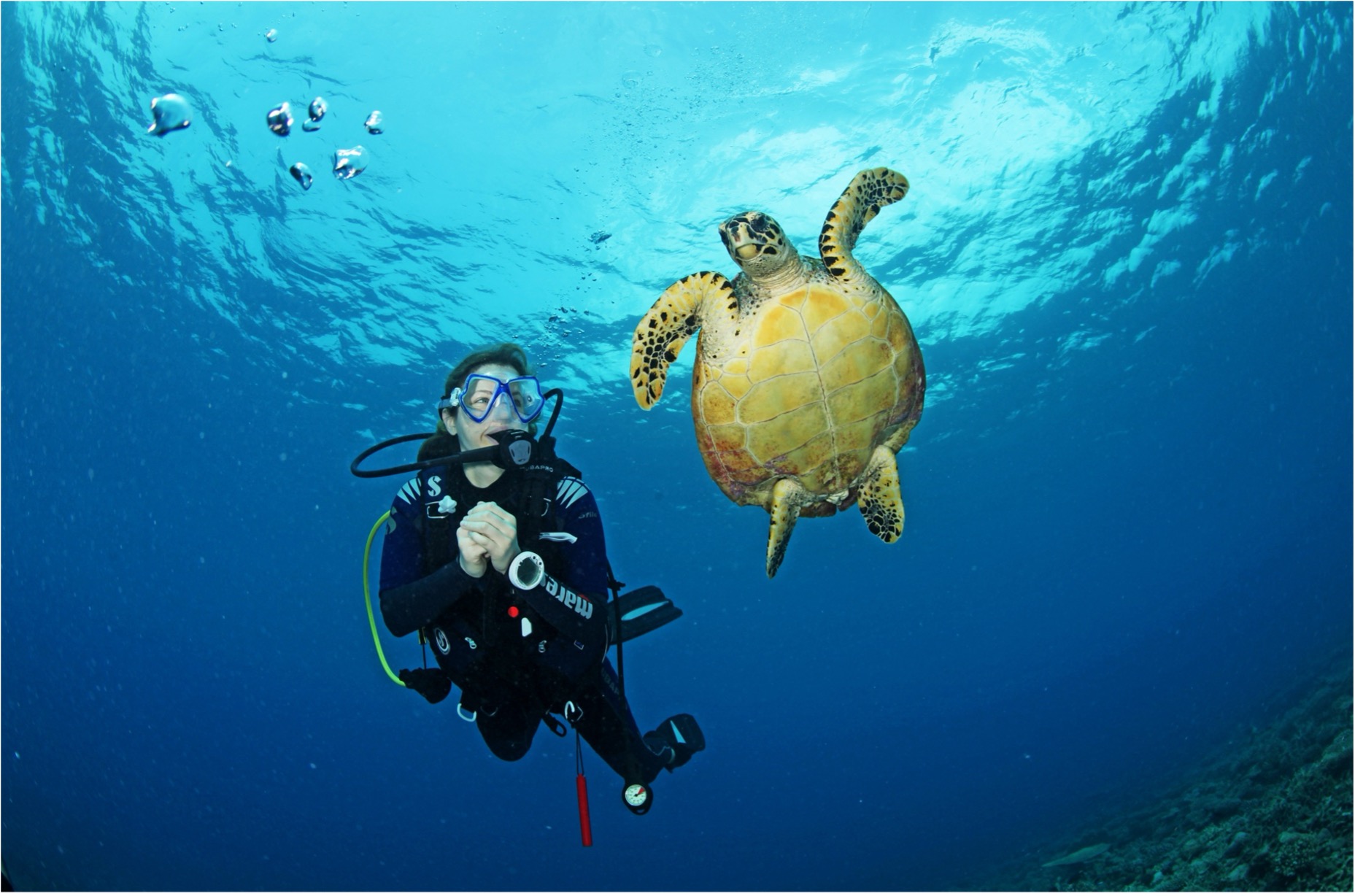
Ocean Group Maldives has launched a week of ocean-focused diving activities across nine leading resorts in the Maldives in support of PADI AWARE Week 2026, taking place from 12–20 September.
The initiative brings together Ocean Group’s dive teams, resort partners and guests in a collective effort to celebrate the ocean while encouraging meaningful action to protect the Maldives’ extraordinary marine environment.
PADI AWARE Week is a global initiative that mobilises the diving community to take action for ocean conservation. Throughout the week, Ocean Group Maldives will invite divers to combine their passion for exploring the underwater world with hands-on conservation activities.
The campaign will take place across Ocean Group dive centres at Waldorf Astoria Maldives Ithaafushi, Dusit Thani Maldives, InterContinental Maldives Maamunagau Resort, Veligandu Maldives Resort Island, Hard Rock Hotel Maldives, SAii Lagoon Maldives, SO/ Maldives, Conrad Maldives Rangali Island and Radisson Blu Resort Maldives.
Dive for Fun. Dive for a Purpose.
As part of the campaign, guests who purchase two fun dives will receive a complimentary third dive dedicated to an ocean clean-up, giving divers an opportunity to enjoy the Maldives’ spectacular underwater environment while contributing directly to its protection.
Under the message “3 Dives. 1 Ocean. A Real Difference.”, the initiative encourages guests to see conservation not as something separate from the diving experience, but as part of being a responsible member of the global dive community.
“The ocean is at the heart of everything we do at Ocean Group Maldives, so PADI AWARE Week is an important opportunity for us to turn awareness into action,” said Yasmin Zahid, Director of Marketing & Strategic Partnerships at Ocean Group Maldives. “By activating the campaign simultaneously across nine resorts, we hope to demonstrate how individual actions, when multiplied across our dive community, can create a much greater collective impact.”
Dive teams at participating resorts will also use the week to engage guests in conversations around responsible diving, marine debris and the importance of protecting the fragile ecosystems that make the Maldives one of the world’s most celebrated diving destinations.
Local Action. Global Impact.
The nine-resort activation reflects Ocean Group Maldives’ broader commitment to making marine conservation an integral part of the guest experience across its diving and marine operations.
By connecting international visitors with practical conservation activities during their stay, Ocean Group aims to inspire guests to become more conscious ocean advocates—not only while diving in the Maldives, but wherever their future travels take them.
PADI AWARE Week runs from 12–20 September 2026 at participating Ocean Group Maldives dive centres.

-

 Featured6 days ago
Baros Maldives sets festive calendar of dining, culture and marine experiences
-

 Awards1 week ago
ROBINSON NOONU wins Best Fun & Friendly Resort title for second time
-

 News1 week ago
GullivAir announces direct Maldives–Bulgaria service for winter 2026/27
-

 Food1 week ago
The Standard, Maldives unveils September line-up of Oktoberfest, Negroni Week
-

 Action1 week ago
18-yacht Azimut fleet to serve Waldorf Astoria, Rosewood resorts in Maldives
-

 Drink7 days ago
Finolhu welcomes New Zealand’s Sato Wines for two exclusive dining experiences
-

 Cooking6 days ago
BBM’s Studio of Culinary Excellence to debut Masterclass programme with Chef Romain Dupeyre
-

 Meditation6 days ago
The St. Regis Maldives Vommuli Resort to mark World Wellness Weekend with three-day celebration