

Featured
Etihad Airways cuts frequency on Maldives service


Etihad Airways has reduced frequency on its Maldives service, as the coronavirus pandemic continues to hit the global aviation industry hard.
The Abu Dhabi-based airline said frequency on its Maldives service will be adjusted to one flight per day from March 23. This new schedule will be effective until April 30, it added.
“Due to the spread of the Covid-19 novel coronavirus and its continuing impact on air travel services globally, Etihad Airways continues to follow UAE and international government and regulatory authority directives and has implemented a series of consolidated network changes,” the carrier said, in a statement.
“This is also being carried out for the safety and convenience of its customers and staff, and to minimise operational disruption during this period.”
Etihad Airways currently operates a twice daily service from Abu Dhabi to Male. The airline uses a next-generation 787 Dreamliner aircraft on its daily morning service.
Etihad Airways launched daily scheduled flights between the capital cities of the United Arab Emirates and the Maldives in November 2011. Since then, the airline has increased the frequency on the Abu Dhabi-Male route to 11 services a week.
The global coronavirus outbreak has hit the Maldivian economy hard, as travel restrictions and other preventive measures affect the country’s lucrative tourism industry, which contributes the bulk of the island nation’s state revenue and foreign reserves.
From the hospitality industry to the airline sector, companies have warned that their long term survival is under threat.
Government on Thursday launched an emergency MVR 2.5 billion ($161.84 million) facility and a package of financial measures to shore up the local economy against the coronavirus pandemic.
The MVR 2.5 billion stimulus plan includes MVR 1.55 billion ($100 million) in emergency loans for businesses to meet short-term working capital needs.
The emergency facility is complemented by a package of financial measures, including a six-month moratorium on principal and interest repayments for personal and business loans sanctioned by commercial banks.
Meanwhile, Bank of Maldives (BML) has announced a $2 million short-term financing facility for the tourism industry.
The facility by the country’s largest bank allows operational resorts and guesthouses finance up to $2 million to manage their working capital requirements, with a repayment period of three years.
On March 8, Maldives reported its first cases of the novel coronavirus, as two hotel employees tested positive for Covid-19 at a luxury resort in the archipelago.
Eleven more cases — all foreigners working or staying resorts and liveaboard vessels — have since been identified. All the patients are under isolation, being treated at designated quarantine facilities.
Maldives announced a state of public health emergency on March 12, the first such declaration under a recent public health protection law.
The public health emergency declaration has allowed the government to introduce a series of unprecedented restrictive and social distancing measures, including a ban on inter-island travel of tourists, including for excursions and between resort islands.
A nationwide shut down of all guesthouses and city hotels has also been ordered. Spa facilities located on inhabited islands have also been closed.
The Maldives had closed its borders to arrivals from some of the worst-hit countries, including mainland China, Italy, Bangladesh, Iran, Spain, the United Kingdom and Malaysia. Visitors from three regions of Germany (Bavaria, North Rhine-Westphalia and Baden-Württemberg), two regions of France (Île-de-France and Grand Est) and two regions of South Korea are also banned from entering the country.
All direct flights to and from China, Italy, South Korea and Iran had also been cancelled.
Cruise ships and foreign yachts had also been banned from docking at any of the country’s ports.
The island nation had installed thermal screening cameras at its international airports.
Quarantine facilities, including designated islets from the 1,192 islands that make up the archipelago, had been established.


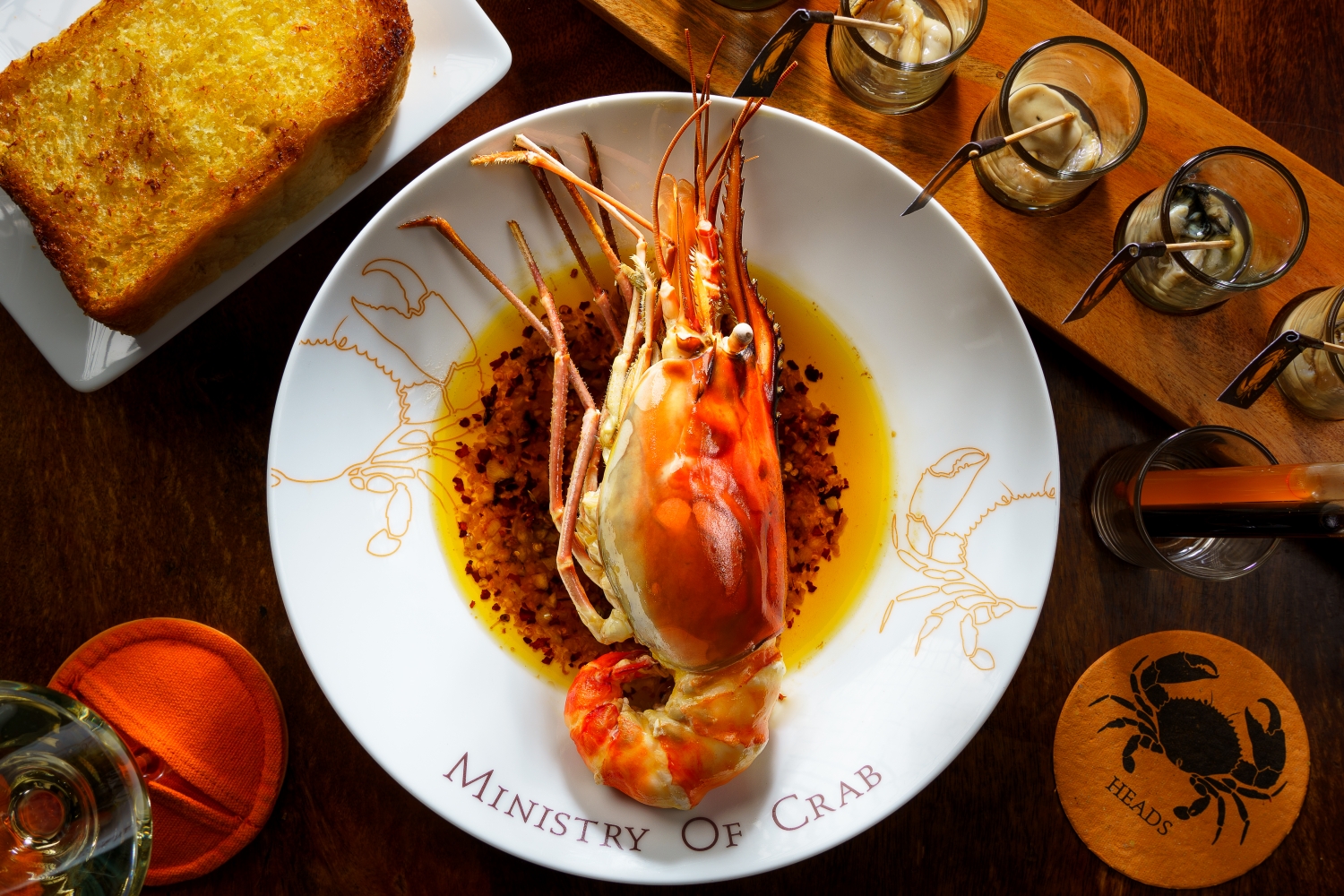
Barceló Nasandhura Malé has announced an exclusive two-night gastronomic pop-up collaboration featuring the celebrated flavours of Ministry of Crab at B.Heaven Rooftop on 13 and 14 November 2026.
Created by internationally acclaimed chef-restaurateur Dharshan Munidasa, Ministry of Crab is a distinguished fixture on Asia’s 50 Best Restaurants list. Known also for Carne Diem Grill at Crossroads Maldives, the country’s only restaurant featured in 50 Best Discovery this year, Chef Dharshan’s culinary philosophy will be brought to life in Malé through an extraordinary showcase of iconic Sri Lankan mud crab and freshwater prawn specialities.

Hosted against the panoramic ocean backdrop of B.Heaven Rooftop, this landmark commercial engagement brings Ministry of Crab’s world-renowned culinary philosophy to the Maldivian capital. Built on a foundation that prioritizes ingredient freshness above all else, Ministry of Crab operates under a strict “no-freezer” policy. The event will feature export-quality Sri Lankan mud crabs and majestic freshwater prawns flown in fresh for the two-day dining showcase.

“We are delighted to bring the iconic flavours to Barceló Nasandhura Malé this November,” said Enric Reina, Hotel Manager at Barceló Nasandhura Malé. “This partnership marks a significant milestone for both our hotel and the capital’s dining scene as we elevate the local epicurean landscape, offering our resident guests and Malé’s culinary connoisseurs a rare opportunity to experience award-winning gastronomy.”

Chef Dharshan Munidasa commented on the collaboration: “Maldives holds a special place in the regional food landscape, surrounded by the same pristine Indian Ocean waters that inspire much of my culinary work. Partnering with Barceló Nasandhura allows us to showcase our iconic Ministry of Crab signature dishes—from our Garlic Chili Crab to our hand-crushed Pepper Crab—alongside exclusive preparations crafted specifically for B.Heaven Rooftop.”
Over the course of this limited two-day engagement, guests will indulge in a curated menu highlighting Ministry of Crab’s flagship preparations.
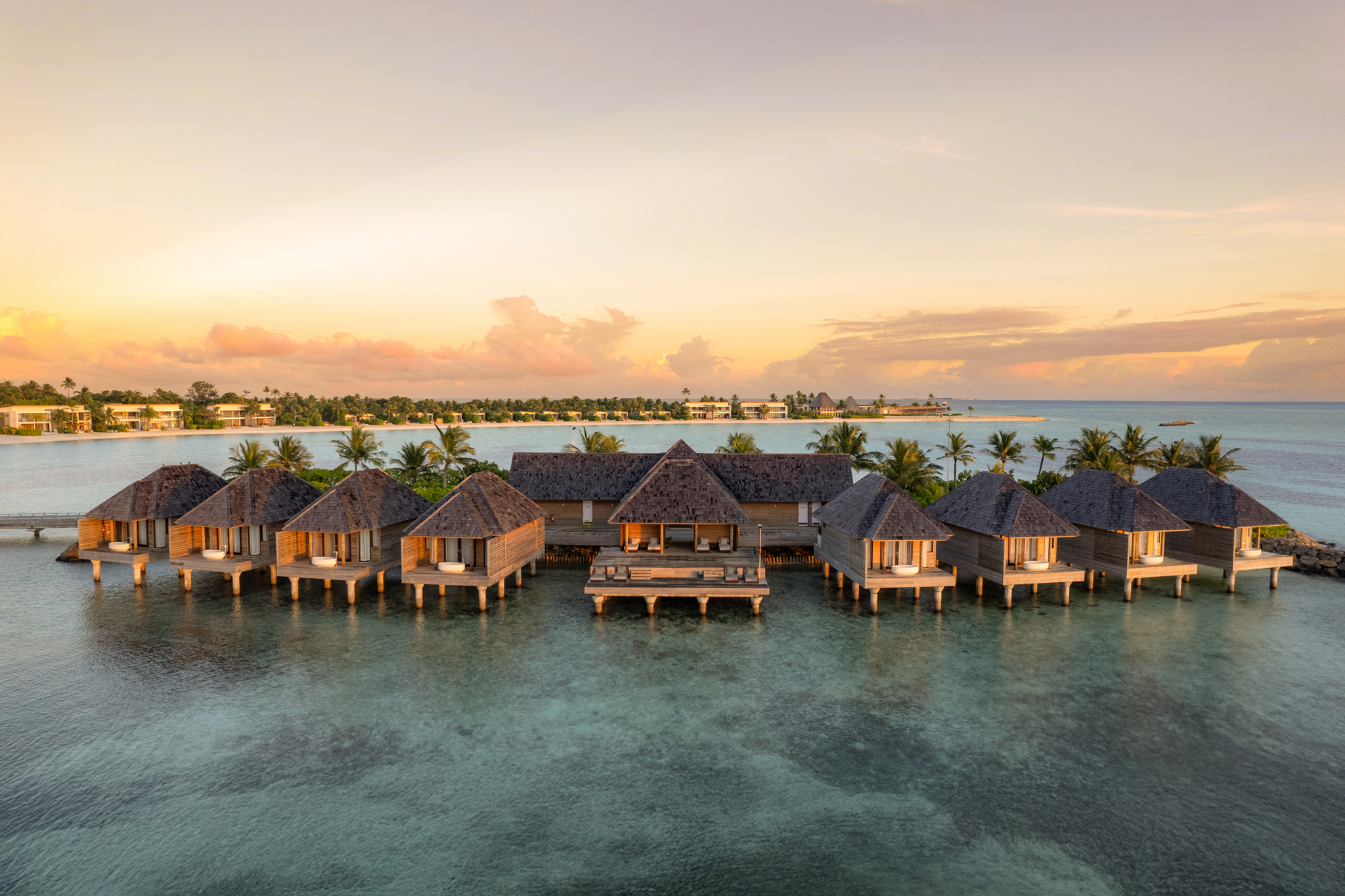
Kuda Villingili Resort Maldives has been included in the 2026 selection of the MICHELIN Guide, recognising the independently owned Maldivian resort for its hospitality, facilities and guest experiences.
The MICHELIN Guide’s hotel selection features properties from around the world, assessed against five criteria: connection to the destination, architecture and design, quality and consistency of service, authenticity and character, and value for the experience offered.
Located in North Malé Atoll, approximately 30 minutes by speedboat from Velana International Airport, Kuda Villingili features 75 villas, including 36 overwater villas, each equipped with a private pool. The resort caters to couples, families and groups of friends, offering accommodation and facilities designed to accommodate different guest preferences.
The resort offers eight dining experiences, an overwater spa, a 150-metre swimming pool, and a range of sports and wellness facilities. Its location near Chickens Break, one of the Maldives’ established surfing destinations, provides guests with access to surfing activities alongside other water-based experiences.
Kuda Villingili has also received Green Globe certification for the third consecutive year, reflecting its efforts in environmental sustainability and community engagement.
“Being selected for the MICHELIN Guide is a meaningful recognition for Kuda Villingili and, above all, for our team. Every day, our ambassadors bring warmth, care and individuality to the guest experience. This recognition reflects the passion behind what we have created together and encourages us to continue evolving while remaining true to who we are,” said Amjad Thaufeeg, Commercial Director of Kuda Villingili Resort Maldives.
The resort’s hospitality concept focuses on providing guests with flexibility to personalise their stays through activities including surfing, wellness, dining and family experiences, as well as opportunities for relaxation.
The inclusion in the MICHELIN Guide’s 2026 hotel selection represents another development for Kuda Villingili as it continues to position itself within the Maldives’ luxury hospitality sector under its brand philosophy, Time and Space Redefined.
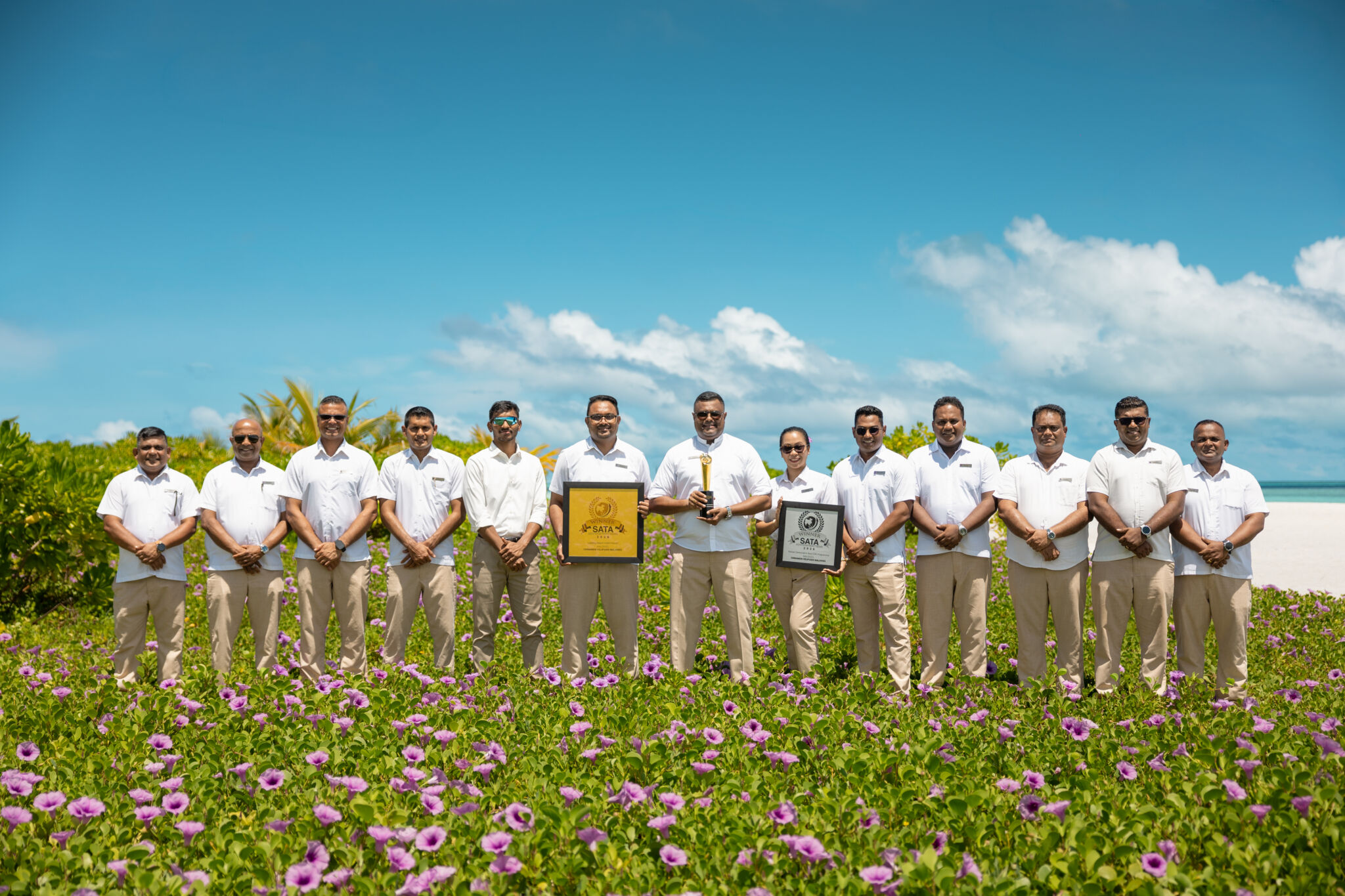
Cinnamon Hotels & Resorts Maldives has won three awards at the South Asian Travel Awards (SATA) 2026, with Cinnamon Dhonveli Maldives and Cinnamon Velifushi Maldives receiving recognition across three categories.
Cinnamon Dhonveli Maldives secured Gold in the Leading Surf Resort category for the eighth time and fourth consecutive year, while Cinnamon Velifushi Maldives retained Gold in the Leading Beach Resort category for the second consecutive year. Cinnamon Velifushi Maldives also received Silver in the Nishan Seneviratne Best CSR Programme category.
The 10th edition of SATA was held at Barceló Nasandhura Malé on 8 October 2026, recognising achievements across South Asia’s tourism and hospitality industry, including guest experiences, industry leadership and responsible tourism.
Located in North Malé Atoll, Cinnamon Dhonveli Maldives is home to the Pasta Point surf break, which attracts surfers from around the world. The resort’s eighth Gold award in the Leading Surf Resort category reflects its position among the Maldives’ surfing destinations. In addition to surfing, the resort offers water sports, wellness activities and other guest experiences.
“We remain committed to delivering memorable surf experiences and holidays in the Maldives,” said Marlon Robert, General Manager of Cinnamon Dhonveli Maldives.
Robert also acknowledged the continued support of guests, the international surfing community and the resort team in securing the recognition.
Cinnamon Velifushi Maldives received its second consecutive Gold award as Leading Beach Resort in recognition of its island setting, which features sandy beaches, a lagoon and a selection of beachfront and overwater accommodation. The resort also offers dining, wellness and recreational activities, providing guests with opportunities to explore the surrounding marine environment.
The resort’s Silver award in the Nishan Seneviratne Best CSR Programme category recognised its efforts to provide dive education and career development opportunities for young people from neighbouring island communities.
Implemented in partnership with Dive & Sail, the resort’s PADI-certified dive centre, the six-day programme enabled nine students aged between 16 and 18 from schools in Keyodhoo and Felidhoo to obtain PADI Open Water Diver certification.
The programme combined theoretical lessons, practical training and supervised dives to promote safe diving practices and reef conservation. It also introduced participants to potential career opportunities in marine tourism.
“These accolades reflect the dedication of our teams and the continued support of our guests, whose trust inspires us to keep raising the standard of our experiences,” said Sanjeeva Perera, Area General Manager, Cinnamon Maldives Resorts.
The three awards recognise the tourism experiences offered by Cinnamon Dhonveli Maldives and Cinnamon Velifushi Maldives, as well as Cinnamon Hotels & Resorts’ initiatives in environmental awareness and community engagement across its Maldives properties.

-

 Awards5 days ago
Cinnamon Maldives resorts celebrate triple win at SATA 2026
-

 Awards1 week ago
Atmosphere Core wins Leading Resort/Hotel Brand and Hospitality Development Company titles at SATA 2026
-

 Awards1 week ago
JEN Maldives Malé by Shangri-La recognised for business and urban hospitality at SATA 2026
-

 Awards1 week ago
Centara Grand Lagoon Maldives wins Best Luxury Resort Award at Asia Hotel Awards 2026
-

 News1 week ago
Alila Kothaifaru Maldives introduces ‘Tides of Wonder’ for festive season 2026
-

 Featured1 week ago
Reethi Faru Resort reveals festive line-up of dining, entertainment and island experiences
-

 News1 week ago
JOALI BEING celebrates five years with culinary and sports residencies
-

 Action1 week ago
Four Seasons Resorts Maldives honoured for 25 years of marine conservation efforts at HICAP 2026