

Action
Milaidhoo Maldives identifies six new hawksbill turtles


Milaidhoo Maldives has identified and named six new hawksbill turtles which are long-term residents of the reefs surrounding the island resort.
The newly identified hawksbill turtles have been named Crusty, Flori, Madhiri, Sam, Sirena and Swimerette.

Sam.
Hawksbill turtles are located worldwide, and are easily distinguished from other sea turtles by their sharp curving beak and serrated edge to the rear of their shell. Like all sea turtles, they spend the first 20 or so years of their life in the open ocean feeding predominantly on jellyfish. Therefore, when they come to live in coral reef habitat, they change their diet and start feeding on sponges, algae, coral, and small crustaceans instead.

Swimerette.
Hawksbill turtles play a key role in the coral reef ecosystem. There are few animals that eat the fast-growing sponges due to the toxins in their tissue; therefore they allow coral and other species to colonise and grow in the gaps they create. This maintains diversity throughout the reef ecosystem.
Hawksbill turtles are listed as Critically Endangered in the International Union for Conservation of Nature (IUCN) Red List. This is partly due to their shell being used for thousands of years for decoration purposes, but in the 1900s their population was estimated to drop by 80 percent. As air breathing reptiles, turtles are at great risk of drowning in fishing gear. In addition to this, with jellyfish as their main food source in the open ocean, plastic pollution is a major problem.

Sirena.
They are protected by the Convention on International Trade in Endangered Species of Wild Fauna and Flora (CITES), but much is still needed to conserve populations of hawksbill turtles.
Several efforts are being made throughout the Maldives to protect its turtle population. Many resorts have teamed up with the Olive Ridley Project, which runs a nationwide database that tracks the sightings of different species of turtles across the archipelago.

Flori.
Located in the UNESCO Biosphere Reserve of Baa atoll, Milaidhoo, the latest resort by pioneers of Maldives tourism Universal Resorts, can be reached by a 30-minute seaplane flight.
Perfect for nature lovers as its own coral reef, which encircles the island, is a protected area and noted as an outstanding snorkelling and diving site in its own right. The tiny beautiful island, abundant with tropical greenery, measures just 300 by 180m and is fringed by soft deep white sand beaches.

Crusty.
Milaidhoo offers 50 villas made using materials and fittings custom-made for Milaidhoo in a way that epitomises the true contemporary Maldives style. Standing on stilts over the lagoon are 30 spacious overwater villas (245 square metres) and hidden amongst the tropical greenery are 20 serene villas on the beach (290 square metres). All villas have large private freshwater swimming pools and an island host to attend to the guests’ every whim.
The Small Luxury Hotels of the World member resort offers three restaurants and two bars, with the signature restaurant built overwater and shaped like three traditional Maldivian sailing boats. It – unique in the Maldives – serves modern interpretation of island-influenced cuisine.


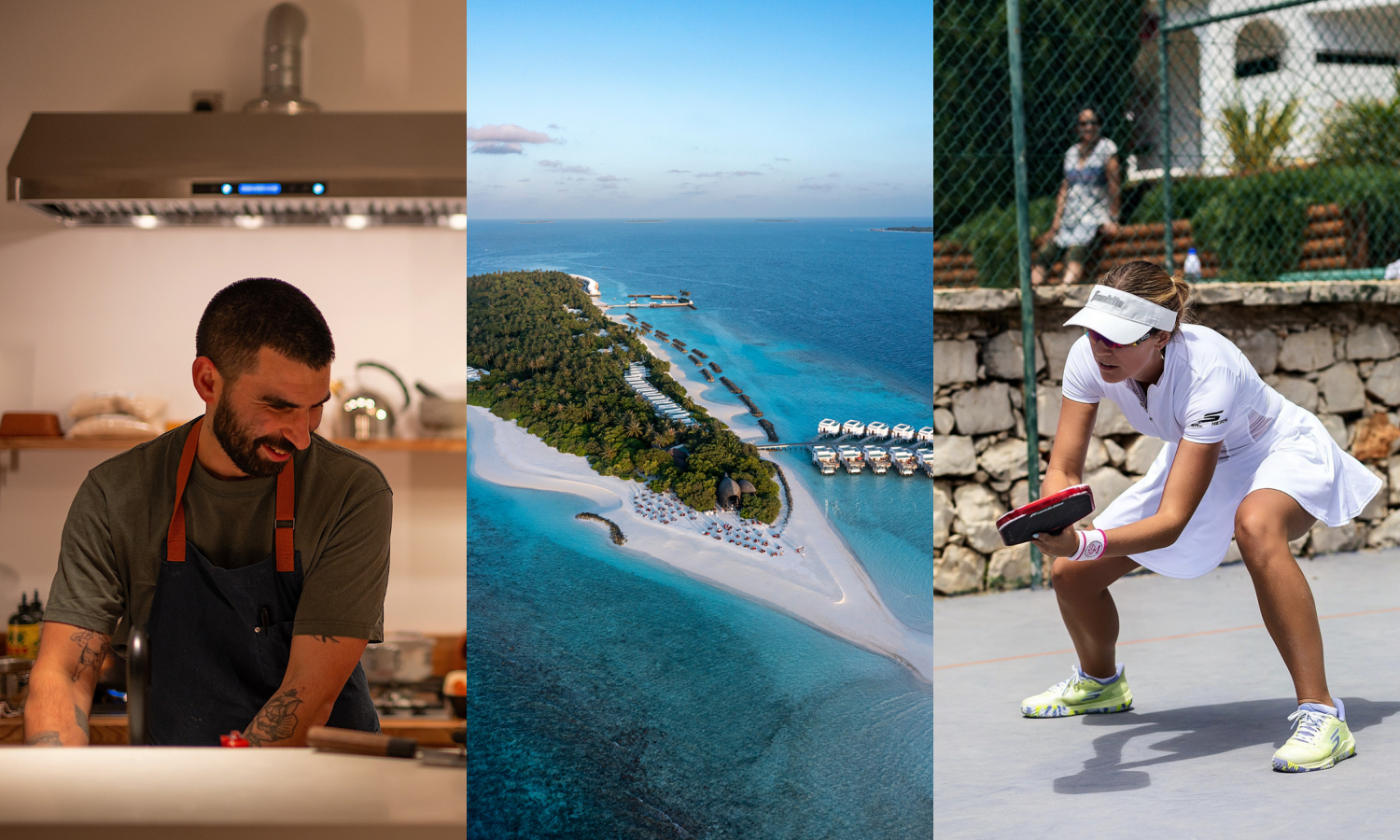
Niva Dhigali Maldives will welcome visiting chef Jake Norman and British pickleball champion Molly O’Donoghue for a curated programme of island experiences this November, bringing together dining and active wellbeing in the Maldives.
Norman began his culinary career making pizza in the markets of Guadalajara, Mexico, before working in several London restaurants, including St John, Ottolenghi and Sabor. He now leads the kitchen at Updown Farmhouse in Kent, where his cooking focuses on seasonal ingredients, live-fire techniques and Mediterranean influences.
On 18 November, Norman will host an exclusive dinner at Faru, presenting a menu that combines Mediterranean flavours with influences from Mexico and the Middle East, while incorporating ingredients sourced from the Maldives.
The shared dining experience will feature Indian Ocean produce, grilled dishes and smoky flavours, with a menu designed to reflect the setting and encourage guests to dine at a relaxed pace.
The programme will also include pickleball sessions hosted by British champion Molly O’Donoghue. A national champion in mixed and women’s doubles, as well as a European champion in mixed doubles, O’Donoghue first discovered the sport while studying in Australia. She has since competed internationally and worked to introduce the sport to players around the world.
At Niva Dhigali, O’Donoghue will conduct beginner sessions and advanced coaching, giving guests of different skill levels the opportunity to learn, play and develop their technique.
Located in Raa Atoll, Niva Dhigali Maldives is surrounded by tropical vegetation, a lagoon and the Indian Ocean. The November programme, featuring Norman’s dining experience and O’Donoghue’s pickleball sessions, forms part of the resort’s approach to offering guest experiences centred on food, wellbeing and the island environment.
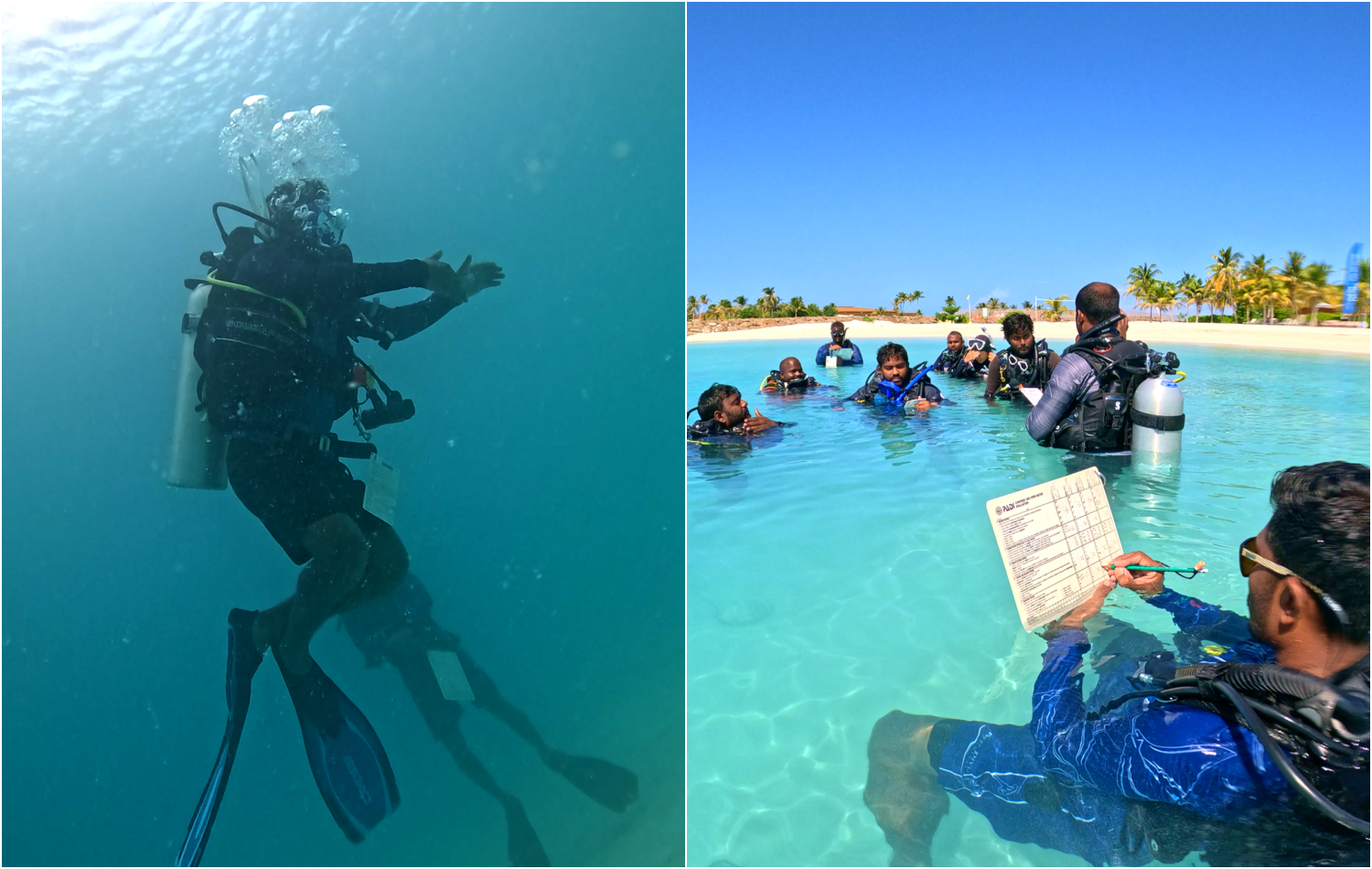
Against the backdrop of the Maldives’ world-renowned marine environment, Centara Mirage Lagoon Maldives is nurturing the next generation of dive professionals as the exclusive Best Dives Maldives resort authorised to deliver the PADI Instructor Development Course (IDC).
Bringing together Divemasters from Best Dives Maldives operations across the Maldives, the two-week programme reflects the resort’s growing role as the group’s dedicated training hub, supporting the development of the next generation of PADI Open Water Scuba Instructors while reinforcing its commitment to excellence in diving education.
Designed exclusively for certified Divemasters, the IDC combines comprehensive classroom learning with practical teaching workshops, confined and open water assessments, Emergency First Response Instructor Development, and Scuba Dive Instructor training. Participants entered the programme having already fulfilled PADI’s rigorous prerequisites, including logged dives, professional certifications, and medical clearances, before progressing to the Instructor Examination, the final step towards becoming a PADI Open Water Scuba Instructor.

Sharing his thoughts, Cluster General Manager Jorge Fernandez stated, “Our vision extends beyond delivering exceptional guest experiences. Across Centara Mirage Lagoon Maldives and its neighbouring Centara Grand Lagoon Maldives, we are committed to supporting the long-term growth of the Maldives’ diving industry through education, professional development, and marine stewardship. As the exclusive PADI Instructor Development Course centre within the Best Dives Maldives network, our resort plays a vital role in developing the next generation of dive professionals, strengthening industry standards, and reinforcing our commitment to advancing the Maldives as one of the world’s leading diving destinations.”
“Centara Mirage Lagoon Maldives has become the dedicated home of professional instructor development within the Best Dives Maldives network,” said Shimal Mohamed, Base Leader, Best Dives Maldives at Centara Mirage Lagoon Maldives. “Hosting the PADI Instructor Development Course allows us not only to develop future dive professionals, but also to maintain consistent training standards across our operations. It is a responsibility we are proud to uphold while supporting the career progression of our teams throughout the Maldives. We are equally committed to bringing more Maldivians into the diving profession, creating meaningful career pathways for local talent and helping the industry grow from within.”
With its protected lagoon, vibrant house reef, and diverse marine ecosystem, the resort offers an ideal environment for instructor development, allowing candidates to gain hands on teaching experience in conditions that closely reflect real world diving environments. Beyond delivering certification, the programme strengthens knowledge, confidence, and instructional skills, ensuring graduates are well prepared to guide and inspire future divers.
As the exclusive PADI Instructor Development Course provider within the Best Dives Maldives portfolio, Centara Mirage Lagoon Maldives continues to play a pivotal role in advancing professional dive education while enhancing the Maldives’ reputation as one of the world’s premier diving destinations. Alongside its instructor development programmes, the resort welcomes guests of all experience levels, from first time divers discovering the underwater world to experienced enthusiasts seeking unforgettable marine encounters.
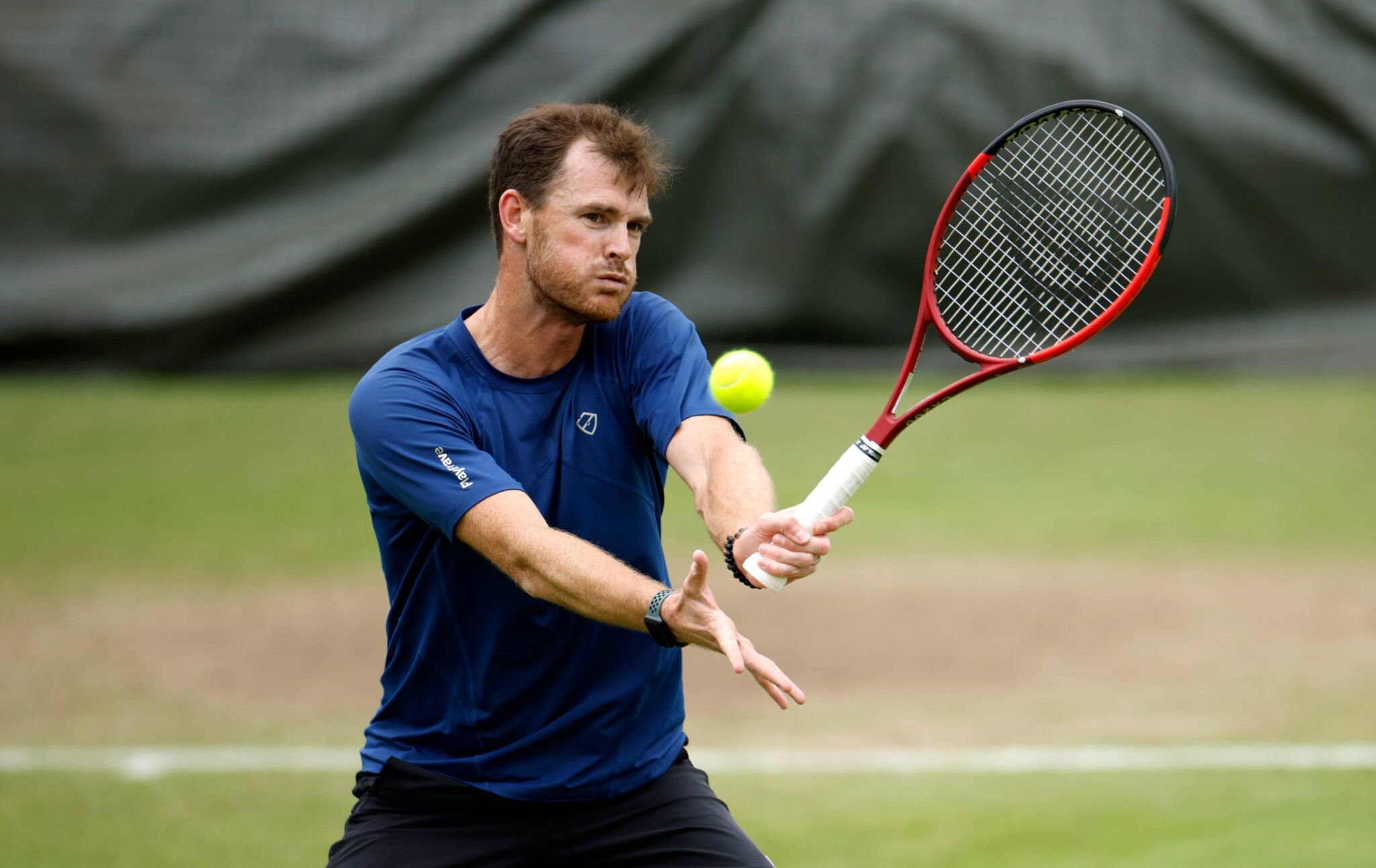
What happens when one of tennis’s most accomplished doubles players swaps the intensity of the Grand Slam circuit for barefoot island living? This October, Finolhu, a Seaside Collection Resort, welcomes British tennis champion Jamie Murray for an exclusive week-long residency, taking place from 23 to 27 October 2026.
A former World No. 1 in doubles, seven-time Grand Slam champion and Davis Cup winner, Murray brings more than two decades at the highest level of professional tennis to the island. Having announced his retirement from professional tennis earlier this year after a career spanning 36 years, his residency at Finolhu marks a new chapter – one where the competitive court gives way to a more relaxed setting for sharing his knowledge, passion and love of the game.
During his time at Finolhu, guests will have the opportunity to step onto the court with one of British tennis’s most successful doubles players, gaining personal insight into the game from someone who has competed, won and travelled at the very highest level.
The residency will bring together exclusive tennis sessions, informal coaching and opportunities for guests to connect with Murray away from the traditional tournament environment, creating an experience that is as much about the stories and spirit of the sport as it is about the game itself.
Murray’s career is marked by an extraordinary collection of achievements. He became the first British player to reach World No. 1 in the ATP doubles rankings in 2016, the same year he won the Australian Open and US Open men’s doubles titles alongside Bruno Soares. His seven Grand Slam victories also include mixed doubles titles at Wimbledon and the US Open, while his contribution to Great Britain’s 2015 Davis Cup triumph remains one of the defining moments of his career.
Now, the setting is altogether different.
Surrounded by the turquoise waters of the Indian Ocean and Finolhu’s signature two-kilometre sandbank, guests can combine time on court with the freedom of island life – from barefoot walks along the sand to long lunches, ocean adventures, sunset moments and evenings under the stars.
At Finolhu, tennis becomes another way to embrace the island’s playful spirit: competitive when you want it to be, relaxed when you don’t. With Murray’s residency taking place during the resort’s vibrant October season, guests can expect a week where world-class sporting experience meets the carefree rhythm of Maldivian island life.
The Jamie Murray Tennis Residency takes place at Finolhu from 23 to 27 October 2026.
For more information and reservations, visit finolhu.com.

-

 News1 week ago
Oaga Art Resort completes first phase of reboot ahead of August return
-

 Action1 week ago
Manta Trust turns holiday photos into conservation science in Maldives
-

 Cooking1 week ago
Where every meal becomes a memory at Machchafushi Island Resort
-

 News1 week ago
Manhattan Grand Hotel aims to transform Maldives’ MICE industry
-

 Awards1 week ago
.Here Baa Atoll receives Forbes VERIFIED™ Responsible Hospitality recognition
-

 News1 week ago
Baros Maldives invites guests to slow down with ‘Baros Pause’ weekly wellness programme
-

 Drink1 week ago
SO/ Maldives introduces premium Dilmah Tea experience
-

 Drink1 week ago
Kuda Villingili secures third consecutive Wine Spectator honour