

Featured
To travel to Maldives you now need negative Covid test: Here’s everything you need to know


Travellers arriving in Maldives from Thursday are required to provide a negative coronavirus test result on arrival.
The requirement applies to all tourists, as well as to visitors travelling on short-term visas and for official purposes, and those not subjected to mandatory 14-day quarantine.
Travellers that fall under these categories are exempt from the pre-arrival PCR test requirements:
- Maldivian citizens
- Holders of valid employment approval or work visa
- Holders of any other resident permit of Maldives
- Flight crew arriving on general declaration
- Infants, aged less than one year
The certificate of negative PCR test result for Covid-19 should be issued not more than 72 hours prior to departure, counting from the first port of embarkation en route to the Maldives.
The PCR certificate should bear the name and address of the laboratory that preformed the testing, result of the test, date of testing as well as name and signature of the issuing officer.
The PCR test certificate has to be submitted to Maldives Immigration via its IMUGA platform (imuga.immigration.gov.mv) when filling out the Traveler Health Declaration.
But bear in mind that providing a negative PCR test result does not preclude airport authorities subjecting passengers to screening or any other surveillance measures.
The Maldives reopened its borders on July 15.
With the border reopening, 30-day free on-arrival visa is issued to all tourists with a confirmed booking for a stay at any registered tourist facility in the country.
There is no mandatory quarantine or testing on arrival, but tourists have to complete an online health declaration form and provide a negative PCR test result taken at least 72 hours prior to their departure.
Visitors with symptoms of the Covid-19 respiratory disease caused by the novel coronavirus or those travelling with someone who has similar symptoms are also tested at their own expense.
The coronavirus outbreak has hit the Maldivian economy hard, as travel restrictions and other preventive measures affect the country’s lucrative tourism industry, which contributes the bulk of the island nation’s state revenue and foreign reserves.
Before the pandemic, the government had been bullish about tourism prospects, targeting two million, high-spending holidaymakers this year after last year’s record 1.7 million.
However, only 382,760 tourists visited the Maldives before the country closed its borders on March 27. It was a 40.8 per cent decline over the 646,092 that visited the Maldives from January to March last year.
Meanwhile, the government’s best case scenario now puts total tourist arrivals for 2020 just above 800,000.
Tourism has been the bedrock of the Maldives’ economic success. The $5 billion-dollar economy grew by 6.7 per cent in 2018 with tourism generating 60 per cent of foreign income.
However, the government is at present projecting a possible 13 per cent economic contraction this year — an estimated $778 million hit.
On March 8, Maldives reported its first cases of the novel coronavirus, as two hotel employees tested positive for Covid-19 at a luxury resort in the archipelago.
Eighteen more cases — all foreigners working or staying resorts and liveaboard vessels except five Maldivians who had returned from abroad — were later identified.
A six-case cluster of locals, detected in capital Male on April 15, confirmed community transmission of the coronavirus. Several more clusters have since been identified, bringing the total number of confirmed case in the Maldives to 8,834.
Thirty-one deaths have been reported, while 6,288 have made full recoveries.
The Maldives announced a state of public health emergency on March 12, the first such declaration under a recent public health protection law.
The public health emergency declaration allowed the government to introduce a series of unprecedented restrictive and social distancing measures, including stay-at-home orders in capital Male and its suburbs, a ban on inter-island transport and public gatherings across the country, and a nationwide closing of government offices, schools, colleges and universities.
Non-essential services and public places in the capital such as gyms, cinemas and parks were also shut.
Restaurants and cafes in the capital were asked to stop dine-in service and switch to takeaway and delivery.
A nationwide shutdown of all guesthouses, city hotels and spa facilities located on inhabited islands was also ordered.
The restrictions are now being eased in phases, with the third phase measures now active.
Photo: Sun Online


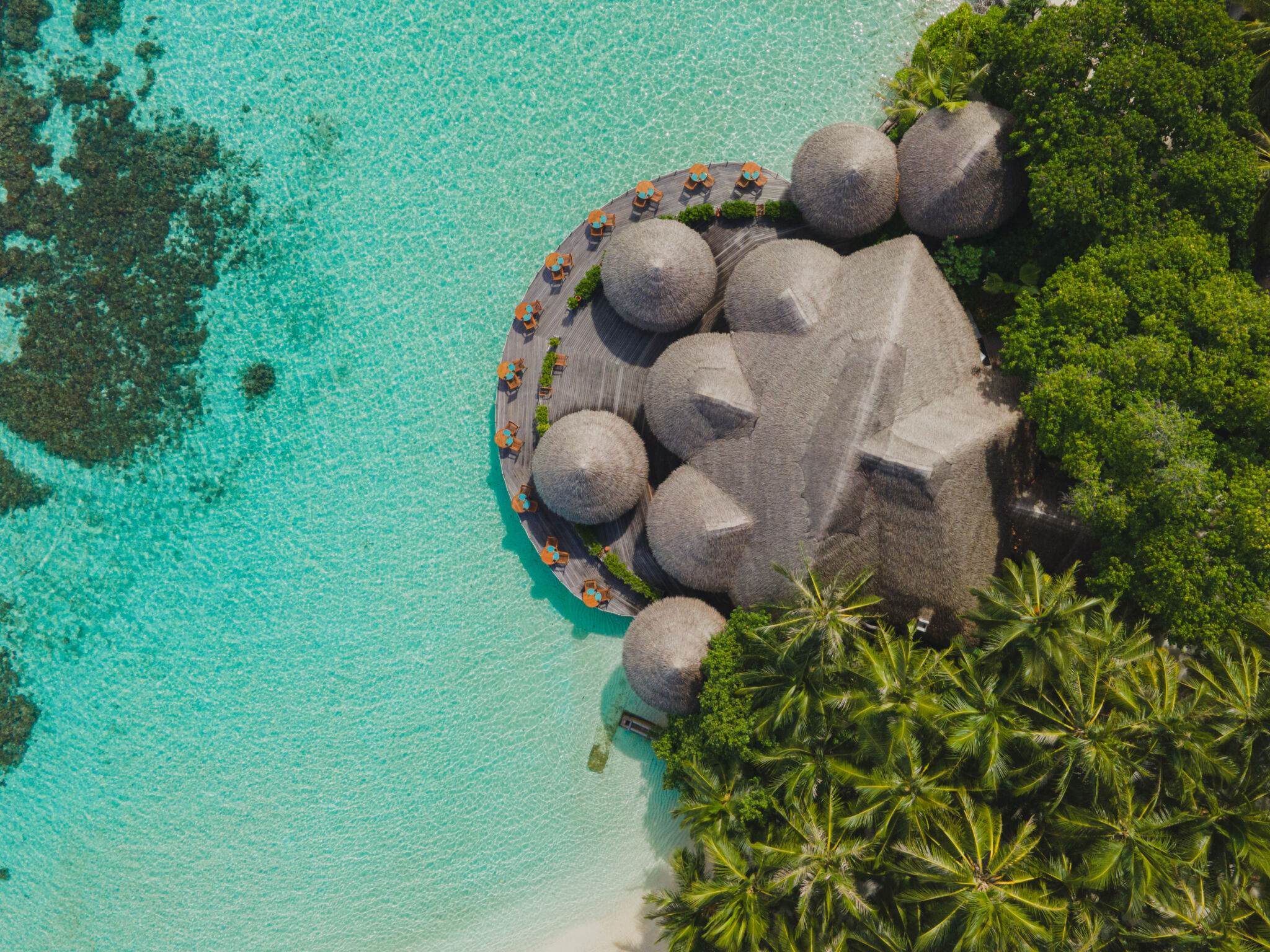
Baros Maldives is set to celebrate its 53rd anniversary on 3 December 2026 with a special cocktail gathering for in-house and returning guests, featuring an exhibition of new artworks by Maldivian artist Ali Ishan, widely known as Rappe.
Opened in December 1973 as the Maldives’ third resort, Baros has played a role in the development of the country’s tourism industry. The Maldivian hospitality group behind the resort was also responsible for opening the country’s first hotel.
Over the past five decades, Baros has welcomed travellers from around the world, including guests who have returned regularly over the years, with some introducing the island to their children and grandchildren.
The anniversary celebration will recognise these long-standing relationships, which the resort considers an important part of its heritage.
As a Maldivian-owned and operated property, Baros has continued to promote local culture and support Maldivian artists. This commitment will be reflected in the return of Rappe for the second consecutive year as part of the anniversary celebrations.
A self-taught artist with 32 years of experience, Rappe works across several artistic disciplines, including painting, sculpture, woodwork, carving and ceramics. He is also the Co-Founder and Lead Artist of Kurahaa Studios, where he mentors emerging artists.
For this year’s anniversary, Rappe will unveil 12 new sculptures and paintings inspired by Maldivian culture and traditions, presenting contemporary interpretations of the country’s artistic heritage.
“Reaching 53 years is a meaningful milestone for Baros, but what makes it particularly special is the people who have been part of that journey. We are fortunate to welcome guests who have returned to the island for many years, some bringing their families and sharing Baros with the next generation. Their continued trust means a great deal to us,” said Christian Szabo, General Manager of Baros Maldives.
“As a Maldivian resort, we also feel a strong responsibility to celebrate and support the culture and creativity of our home. We are delighted to welcome Rappe back for a second year and showcase more of his work to our guests.”
The anniversary gathering will also mark the beginning of the festive season at Baros Maldives, bringing together returning guests, Maldivian cultural traditions and local artistic talent.
The celebration reflects the resort’s focus on maintaining long-term guest relationships while preserving and promoting its Maldivian heritage.
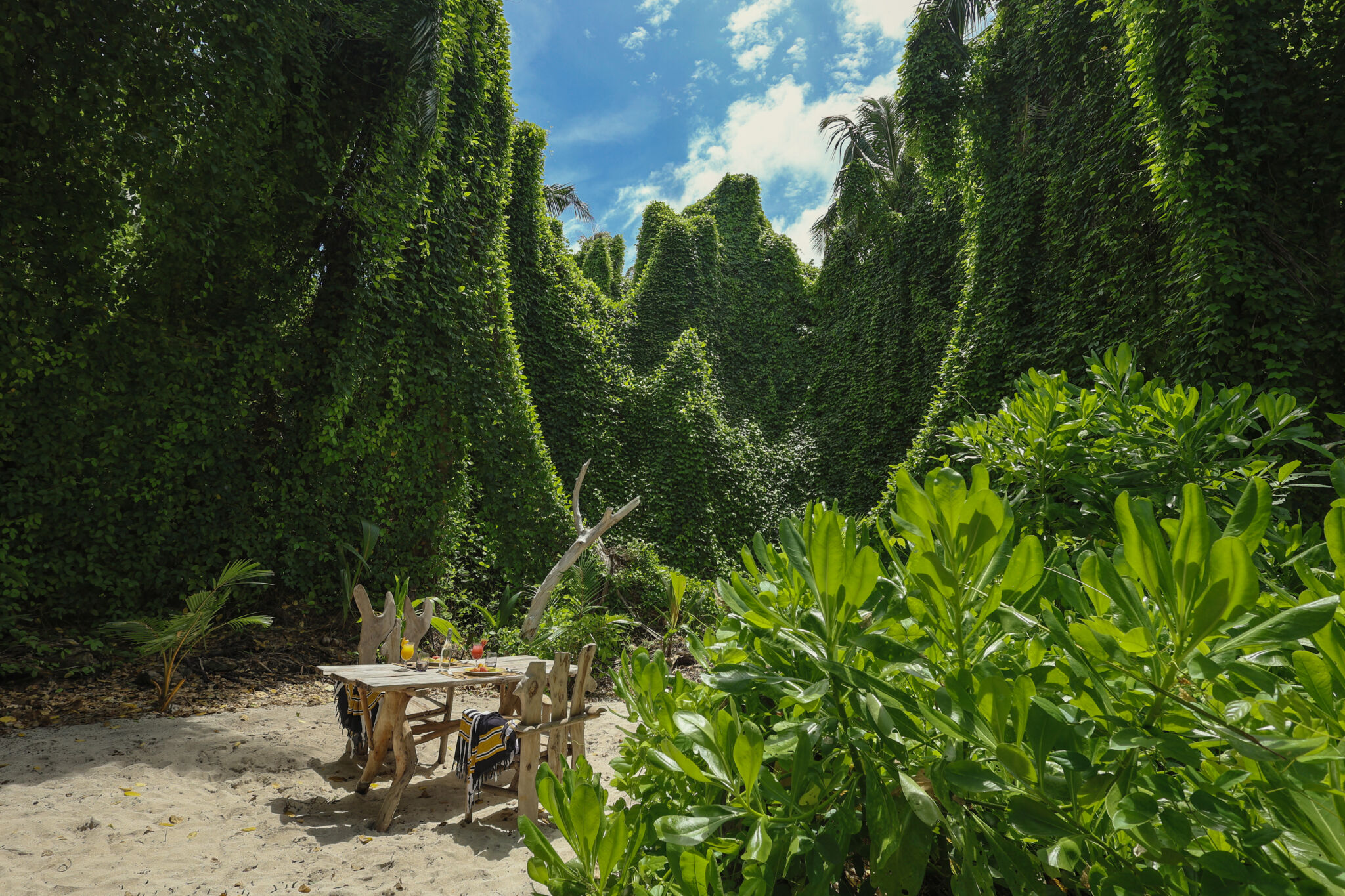
Coco Collection is highlighting a range of nature-based experiences, marine conservation initiatives and sustainable tourism practices across its two resorts in the Maldives, Coco Palm Dhuni Kolhu in Baa Atoll and Coco Bodu Hithi in North Malé Atoll.
The two properties offer guests opportunities to explore the natural environment, participate in conservation activities and experience Maldivian island life, while maintaining a focus on responsible tourism and environmental sustainability.
Coco Palm Dhuni Kolhu: Sustainable dining and marine conservation
At Coco Palm Dhuni Kolhu, sustainability initiatives include Coco Farm, which supports the resort’s commitment to locally grown ingredients and responsible dining practices.
The farm-to-table initiative allows guests to learn about food production and the use of locally sourced ingredients in the resort’s culinary offerings. Homemade jams prepared using local produce are among the items served at the breakfast buffet, reflecting the resort’s efforts to incorporate sustainable practices into its food and beverage operations.
Marine conservation is another focus at Coco Palm Dhuni Kolhu, where the Marine Turtle Rescue Centre provides opportunities for guests to learn about sea turtle rescue, rehabilitation and conservation.
The centre carries out rescue and rehabilitation programmes for injured and endangered sea turtles, while raising awareness about threats to marine biodiversity and the importance of protecting marine ecosystems.
Guests can also contribute to turtle conservation through the Olive Ridley Project’s Corporate Gift Adoption programme, which allows individuals and organisations to symbolically adopt and name a sea turtle. The programme includes a personalised digital adoption package and the option to receive updates on turtle sightings.
Further information about the programme is available at Olive Ridley Project.
In addition to its sustainability initiatives, Coco Palm Dhuni Kolhu offers excursions to Embudhoo Private Island, located a short distance from the resort. The island provides guests with opportunities to explore its natural surroundings, spend time on secluded beaches and enjoy views of the Indian Ocean.
Coco Bodu Hithi: Reef exploration and coral conservation
At Coco Bodu Hithi, the resort’s sustainability initiatives focus on marine conservation and protecting the surrounding reef ecosystem.
Through its Go Eco programme, guests can participate in guided reef explorations to observe marine life, including hawksbill turtles and reef sharks. The experiences also provide information about the marine environment and the resort’s conservation activities.
The resort operates coral nursery and restoration initiatives aimed at supporting the health of its surrounding reef. Guests can learn about coral conservation, the environmental challenges facing marine ecosystems and the measures being undertaken to protect marine biodiversity.
Selected conservation activities also offer opportunities for guests to participate in the resort’s environmental initiatives.
Beyond its conservation programmes, Coco Bodu Hithi offers private sandbank excursions, allowing guests to experience the surrounding marine environment through snorkelling, picnics and other activities.
The sandbank experiences are designed to provide guests with privacy and opportunities to explore the natural surroundings.
Both resorts have received recognition for their environmental and responsible tourism practices.
Coco Palm Dhuni Kolhu received the Silver Award for Leading Eco-Friendly Resort at the South Asian Travel Awards (SATA) 2026, recognising its sustainability initiatives and environmental practices.
Meanwhile, Coco Bodu Hithi was named Best Commitment to Sustainability at the Condé Nast Johansens Awards for Excellence 2027, acknowledging the resort’s efforts in environmental conservation and responsible tourism.
According to Coco Collection, the two properties share an approach centred on sustainable tourism, environmental conservation and guest experiences that encourage greater engagement with the natural environment.
The collection is also promoting its Double 11 offer and Coco Festive Celebration packages for guests planning holidays in the Maldives.
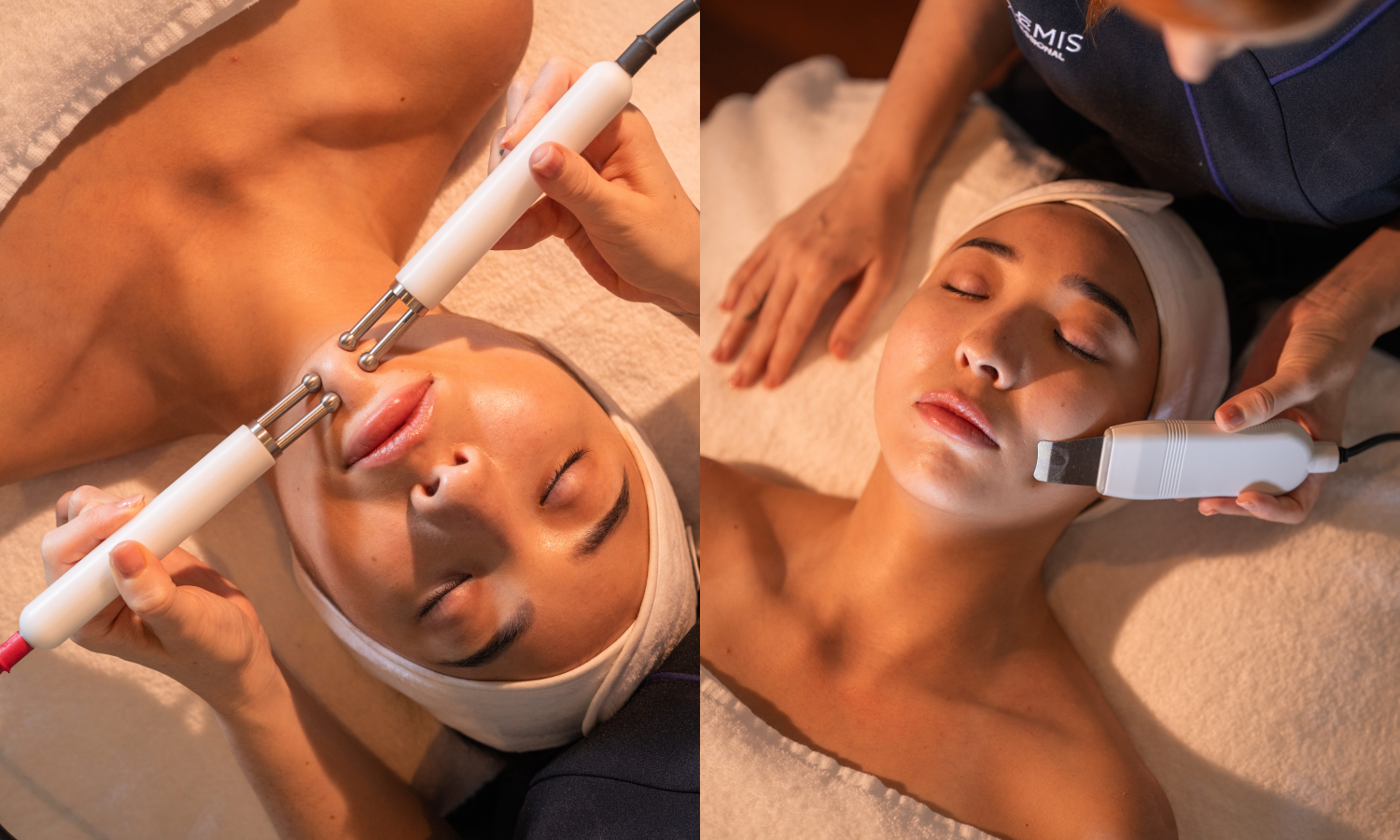
Niva Velassaru Maldives has been nominated in the Best Spa Resort – Maldives category at The Global Spa Awards 2027, organised by The Luxury Spa Edit. The nomination recognises the resort’s LIME Wellbeing spa and its approach to holistic wellness.
The Global Spa Awards recognise achievements across the international luxury spa and wellness industry, celebrating spa hotels, resorts, retreats, clinics and wellness brands worldwide.
Nominees were selected by a panel of spa and wellness specialists, travel and sustainability experts, and members of The Luxury Spa Edit editorial team. The panel also includes contributors to international publications such as Condé Nast Traveller, Forbes, The Telegraph, The Times, Tatler and Robb Report.
Winners will be determined entirely by public voting, which opened on 30 October 2026. Niva Velassaru Maldives will encourage guests to participate through its social media channels in the coming weeks. The winners are scheduled to be announced on 10 March 2027.
LIME Wellbeing at Niva Velassaru Maldives offers a range of nature-inspired therapies, wellness rituals and treatments influenced by traditional Maldivian healing practices. The spa features treatment rooms suspended above the lagoon and a hydro infinity pool overlooking the surrounding ocean.
The spa’s wellness approach combines therapeutic treatments, relaxation practices and personalised experiences designed to support physical and mental wellbeing.
Commenting on the nomination, Aye Mon Yee, Group Director of Spa at Versa Hospitality, said: “To be nominated alongside other remarkable spas is something we are extremely proud of.”
“This recognition honours our international partners whose expertise shapes every experience – Elemis, Aromatherapy Associates, Obsidian for Men, and Margaret Dabbs London – alongside the therapies, rituals, and mind and movement practices that restore, energise, and bring a lasting sense of inner calm to our guests.”
The nomination reflects the resort’s continued focus on delivering wellness experiences that combine international spa expertise with treatments inspired by the natural environment and local traditions.
Public voting for The Global Spa Awards 2027 is available through The Luxury Spa Edit’s official awards voting platform.

-

 Business1 week ago
Manhattan Grand Hotel inaugurated in Hulhumalé with 162 rooms and major event facilities
-

 Drink1 week ago
Baros Maldives welcomes Italian winemaker Maria Stella for exclusive wine dinner
-

 Awards1 week ago
Veligandu Maldives receives One MICHELIN Key recognition for luxury hospitality
-

 Love1 week ago
The Nautilus Maldives to celebrate Valentine’s 2027 with ‘Love Freely’ experiences
-

 Drink1 week ago
V Villas Maldives at Mirihi announces exclusive wine Dinner with Hunter’s Wines
-

 News1 week ago
The Westin Maldives Miriandhoo Resort introduces ‘Garden of Eve’ Christmas and New Year celebrations
-

 Food1 week ago
Michelin-starred Chef Charles Coulombeau to host exclusive residency at V Villas Maldives at Mirihi
-

 News1 week ago
Banyan Tree Vabbinfaru welcomes Consuelo Saroyan for exclusive wellness residency