

Island Goers
The Hidden Fountains of Paradise

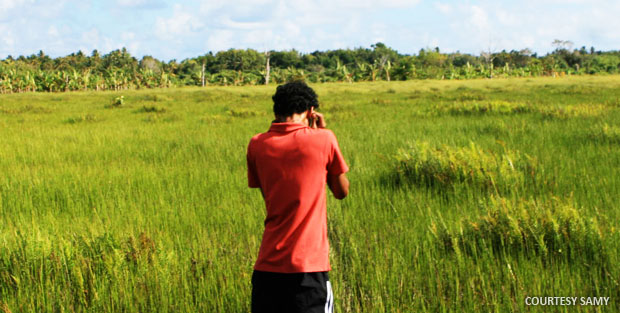

Maldives Promotion House – A southern most haven in the paradise of Maldives, completely secluded from the rest of the country composed of a geography that contrasts with the rest of the archipelago, Fuvahmulah is an atoll island with natives that speak their own dialect of the Dhivehi language of Maldives. Roughly five kilometers by one kilometer with a submerged reef that extends for about three kilometers south east, the island is surrounded by coral boulders and rough waves.

Perhaps the most intriguing features of the island are its two lakes formed from the ancient lagoon in the center of the island. According to the locals the southern end was open, providing a channel connecting the ancient lagoon with the ocean. Due to violent ocean swells and the lack of an outside lagoon the only way into the island was through this channel, providing protection against pirates. However the channel was closed by coral growth and collection of debris. Over the ages, the inner lagoon lost its salinity and all that remains today are two small fresh water lakes, wetlands and marshy taro fields.

Research into the lakes show that the bottoms of the lakes are filled with decayed corals that have turned into white clay. The forefathers of the locals used the clay to shape it into pots and other vessels. The protected lakes are still lined with a thick layer of clay covered by a pinkish layer of minerals known to the locals as “Rai Madu”. The lakes are now listed as protected areas under the law. The locals use the area to spend time with friends and to enjoy. The natives have always spoken of and believed in the heart of their hearts, of the healing abilities of the lake water. Further research into the lake water shows that the water is filled with minerals and perhaps more healthier than mineral water.

The smaller northern lake, known as “Dhandimagu Kilhi”, is preferred by locals who often use the area for recreational and enjoyment purposes during holidays. Picnics are common and local youth often use the lake for swimming. Since the lake is also home to an abundance of small fresh water fish, the lake was used for leisure fishing as well. While damaging the area or disrupting their natural beauty is prohibited by law, the lakes can be used for recreational purposes such as swimming. The tall reeds that grow around the marshy wet land and lake are used to weave mats among other uses.

One of the natives told us a tale, of how his son was healed by the water. “My son has a skin condition, his skin dries and cracks up very quickly. I couldn’t find a permanent cure. So I took him to the lake. We played and swam. We had fun and we were happy. After we returned I found out that his skin was beginning to get better. Within the following week, his skin had healed and he was perfectly healthy,” a native from “Fuvahmulah” told us his experience of the lake water.

The much deeper and bigger southern lake known as “Bandaara Kilhi” is usually left alone. During earlier times the lake was used for swimming and different areas of the lake were named after different houses of the island. While visitors and locals do visit the lake for its blissful scenery and natural beauty, locals usually don’t use the lake for swimming due to its depth. According to the natives, during ancient times the lake was used to store their harvest and gatherings to keep them safe from animals and pests. The local tales speak of a hut that was built at the center of the lake on stilts. The wooden stilts are still visible beneath the water surface. The fruits and vegetables that were harvested and gathered were then stored inside the hut for transportation to the capital Malé.

The locals also used the “Bandaara Kilhi” to culture fresh water fish. The lake fish was earlier used as food during low fisheries and rough seas. The two lakes of Fuvahmulah can also be used as a tourist attraction as the whole island is unique in its geography. While the island is full of natural beauty and a rich cultural heritage it is a wonder to be beheld. It is a community of people that lived for a long time depending only on the surrounding resources, and separate from the rest of the country. Being isolated they have developed a very different kind of unity, as rather than just islanders they are brothers and sisters.

The lakes are filled with tales of unimaginable romance and happiness. A native told us of his teenage romance tied to the lakes. He began his enthusiastic tale saying that “I was with my girlfriend when we met a friend of mine also with his girlfriend. They were sitting under one of the huge mango trees.”

“The fruits were ripe and they were enjoying the mangoes fresh from the tree. After we had some mangoes we decided to visit the lake. So I went home, changed my clothes and met them at the lake,” he paused as if lost in thought.
“We had fun as we moved through the wet lands spread out in all directions. We collected wood and barbecued while we cooked some soup. After we enjoyed our meal, we climbed one of the tall trees and made a flag out of a shirt.”
“Then we went into the forest and we would lose ourselves in its natural beauty. It is really difficult to find your way through the forest. But eventually we did, as the flag would show us the way,” I could see the glow in his eyes as he reminisced over his past.
“Afterwards we swam through the lake. I would make my way through the shallow water dragging my girlfriend along, as she floated on the water with her hands around my neck. It was pure bliss, swimming through the water is like a natural spa experience. There is nothing quite like it,” he spoke of those moments engraved in his memory.
“With the clear blue sky spread above, and the fresh lake water spread all around you, as you bask yourself in the warmth of the sun, those memories become etched in your mind. The lake is the heart of our community. It ties the bond between every romance, every family and every person. It is the glue that holds us together.”


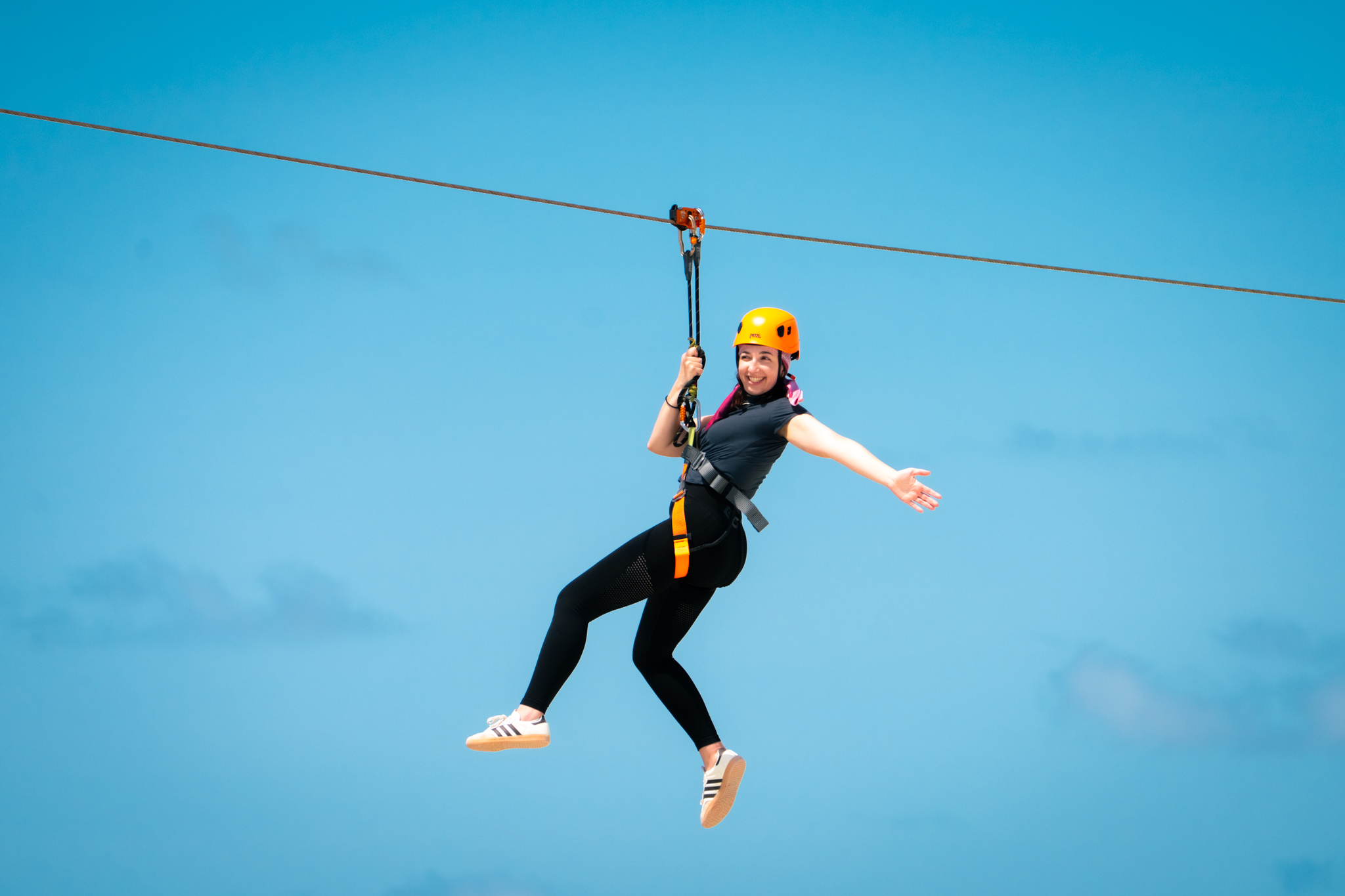
Zipline Maldives, the first island-to-island zipline in the Maldives, has received the Global Excellence Award for “World’s Most Beautiful Zipline – Maldives” at the Global Brand Awards 2026.
The recognition was presented as part of Season 2 of the Global Brand Awards, Sri Lanka Chapter. The certificate of achievement was presented to Ibrahim Asim of Vahmaafushi Picnic Island, recognising the project’s contribution and performance.

Located in South Malé Atoll, Zipline Maldives connects Maafushi with neighbouring Vahmaafushi, taking riders across 428 metres of open ocean between the two islands. The attraction, which opened earlier this year, introduced an island-to-island zipline experience to the Maldives and has added a new adventure tourism offering to the country’s local island sector.
The ride takes approximately 45 to 60 seconds and operates on two parallel lines, allowing two people to travel side by side. According to Zipline Maldives, more than 2,000 riders from over 50 countries have used the attraction since its launch.
The experience begins in Maafushi and crosses the lagoon to Vahmaafushi. A standard booking includes the 428-metre zipline ride, safety briefing and equipment, a return speedboat transfer, a welcome drink and access to Vahmaafushi Island. The attraction is open to riders aged six and above, subject to a weight range of 40 to 110 kilograms and operating conditions.

Vahmaafushi was developed as an experience-focused island close to Maafushi, combining the zipline with beach visits, dining, private celebrations and other island activities. Located around two minutes from Maafushi by boat, the island forms part of efforts to expand the range of experiences available to visitors staying in one of the Maldives’ largest local tourism destinations.
The zipline was introduced commercially in May 2026, with its operators positioning the over-ocean crossing as a new attraction for tourists and residents. Its location near Maafushi also allows visitors staying in the wider South Malé Atoll area to incorporate the activity into day excursions.
The Global Excellence Award marks an international recognition for the attraction within months of its opening, as local tourism operators continue to introduce experience-based activities alongside the Maldives’ established accommodation and marine tourism offerings.
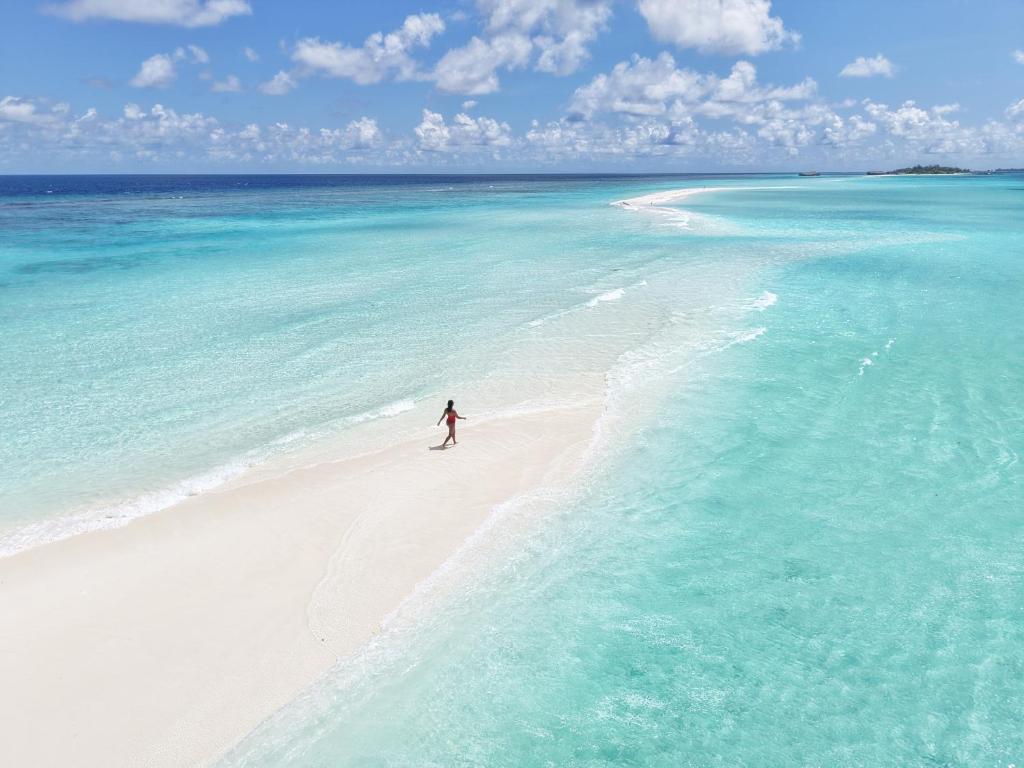
Dhigurah in Alifu Dhaalu Atoll has been ranked among the world’s 10 most valuable holiday beaches, with its stretch of sand assigned an estimated value of MVR 2.9 billion (€162.7 million) in a study by luxury villa holiday specialist CV Villas.
The island placed eighth in the global ranking, ahead of Seven Mile Beach in the Cayman Islands and Copacabana in Rio de Janeiro, Brazil.
The study calculated the hypothetical cost of owning some of the world’s best-known beaches by valuing the sand as coastal land. The figures do not represent sale prices or suggest that the beaches are available for private purchase.
Dhigurah was the only Maldivian beach included in the global top 15. Known for its long sandbank and proximity to whale shark habitats in South Ari Atoll, the inhabited island has become a destination for guesthouse tourism, diving and marine excursions.
Florida’s Siesta Beach topped the global ranking with an estimated value of €1.08 billion, followed by Pampelonne Beach in France at €843 million and Praia da Falésia in Portugal at €573.2 million.
Grace Bay in the Turks and Caicos Islands was ranked fourth at €376.4 million, while Bondi Beach in Sydney completed the top five with an estimated value of €365 million.
Hannah Marshall, luxury travel destination expert and marketing manager at CV Villas, said the research highlighted the role of location in determining coastal land values.
“Everyone has a beach that means something to them, so there’s something fun about seeing what those stretches of sand might be ‘worth’ if you valued them like the land behind them,” Marshall said.
“What comes through is how much location drives the figure: a beach in St-Tropez or on Siesta Key carries a value that a quieter shore — even just as beautiful — simply won’t.”
While Siesta Beach had the highest total estimated value, The Baths on Virgin Gorda in the British Virgin Islands recorded the highest value per square metre, at €8,846. Princess Diana Beach in Barbuda was the most affordable beach assessed, at approximately €199 per square metre.
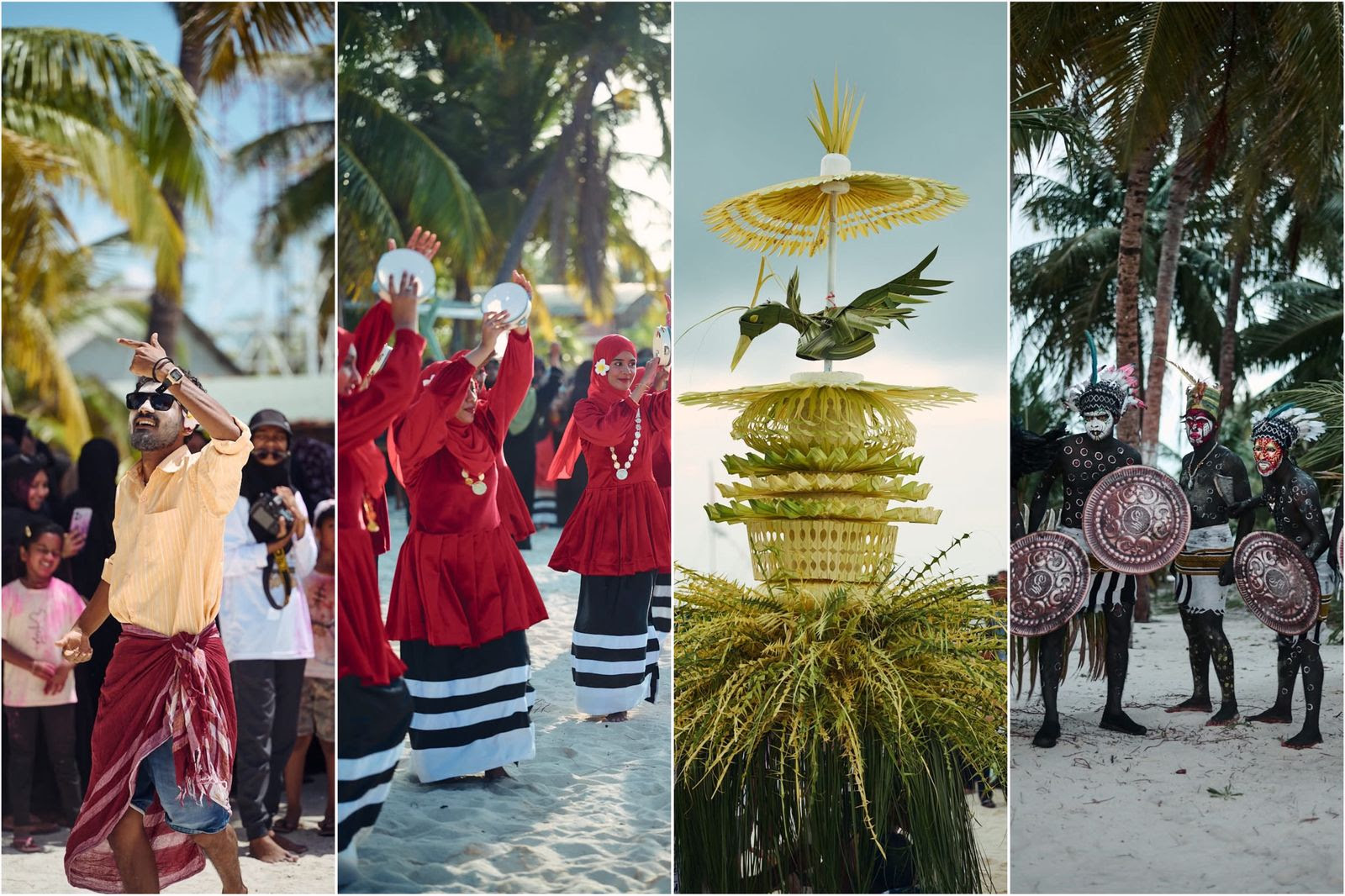
The spirit, colour, and traditions of a Maldivian island Eid will take centre stage this festive season as Visit Maldives Corporation (VMC) prepares to deliver immersive daily coverage of the Eid celebrations from Raa Atoll Meedhoo, bringing one of the country’s most vibrant cultural festivities to audiences around the world.
Beginning on 26 May, Visit Maldives will provide daily coverage from the island across its social media platforms and digital channels, continuing through 30 May. The initiative will showcase the atmosphere, traditions, and community celebrations that define Eid in the Maldives, offering audiences a deeper connection to the cultural identity of the islands beyond their well-known luxury experiences.
Throughout the five-day coverage, Visit Maldives teams will provide daily updates, feature segments, and behind-the-scenes storytelling from the island, capturing traditions that continue to shape community life across the Maldives. The campaign aims to position Maldivian culture and heritage as a central part of the destination experience while highlighting the unique character of local island communities.
Among the key traditions featured is Vedhuma Dhiyun, a longstanding custom where groups of islanders formally seek permission from community elders and leaders to begin Eid festivities. The practice reflects the strong communal values and cultural continuity preserved within island life.
The celebrations will also spotlight Bodu Mas, one of the most recognised Eid traditions in the Maldives. Meaning “big fish” in Dhivehi, the celebration centres around a giant fish structure crafted from woven coconut palm leaves and ceremonially carried through the island in a lively communal gathering rooted in the Maldives’ seafaring heritage.
Another major highlight is Maali Neshun, a traditional performance where participants dress as mythical figures and spirits using handcrafted costumes made from coconut leaves and local materials. Accompanied by the rhythmic sounds of boduberu drums, the performances transform the island into a visually striking cultural celebration.
The campaign will additionally feature Koadi Kendun, a traditional community event centred around a decorated wooden structure crafted from coconut palm materials. The celebration combines performance, competition, and artistic expression, reflecting both longstanding traditions and evolving forms of island creativity.
Speaking about the initiative, Ibrahim Shiuree, CEO and Managing Director of Visit Maldives Corporation, noted that showcasing living traditions and community celebrations remains an important part of strengthening destination storytelling.
“The Maldives is shaped not only by its natural beauty, but also by the traditions, people, and communities that continue to preserve our cultural identity. Through this campaign, we want global audiences to experience the warmth, creativity, and spirit of a Maldivian island Eid in an authentic and meaningful way,” he said.
He also acknowledged the support and collaboration of the people of Raa Meedhoo, particularly the communities of Hulhangu Avah and Irumathi Avah, along with the Raa Meedhoo Island Council, for their role in supporting and facilitating the initiative and helping bring the island’s Eid celebrations to wider international audiences.
Following the daily coverage period, Visit Maldives will continue the initiative through long-form storytelling content scheduled for release from next month onwards on its YouTube platform, offering in-depth features, interviews, and cultural narratives from Raa Meedhoo and its celebrations.
Through this campaign, Visit Maldives continues to expand destination storytelling by highlighting the Maldives as a place shaped not only by its natural beauty, but also by its living traditions, island communities, and cultural heritage.

-

 Awards3 days ago
Cinnamon Maldives resorts celebrate triple win at SATA 2026
-

 Lifestyle1 week ago
Finolhu Maldives to host artist Yakov Khomich from 6 to 12 November
-

 Cooking1 week ago
The St. Regis Maldives to host Chef Alexander Herrmann for November culinary residency
-

 Awards6 days ago
Atmosphere Core wins Leading Resort/Hotel Brand and Hospitality Development Company titles at SATA 2026
-

 Awards1 week ago
Coco Palm Dhuni Kolhu celebrates best GM award, eco-friendly resort at SATA 2026
-

 Awards1 week ago
Ocean Group Maldives wins Leading Dive Centre/Brand at South Asian Travel Awards
-

 Cooking1 week ago
Indian celebrity Chef Jolly Returns to The St. Regis Maldives for Diwali
-

 Awards1 week ago
Sun Travels named Best Inbound Travel Agency at South Asian Travel Awards 2026