

Action
5 Myths about Scuba Diving


This guest blog is written by Rutger Thole who is a passionated scuba diver and instructor. After traveling the world and the seven seas he founded Book Your Dive. Where divers can review, compare and book their scuba dives.
 Maldives Promotion House – Scuba diving is a recreational activity/sport which is becoming more and more popular worldwide now as more and more people get scuba certified. A number of myths are held amongst most people when they think of Scuba diving that puts them off of even attempting it. This blogpost will attempt to debunk some of these strange myths and perceptions that people have about scuba diving.
Lets take a closer look at “5 myths about scuba diving”.
Myth 1) Lots of divers get killed by Sharks
It must be said that Jaws did no good for the reputation of scuba diving. Anybody who has ever seen the movie seems to now count themselves as an expert who knows that diving is an unsafe sport due to sharks lurking in the water. The record for sharks killing or even injuring divers is rather dull to look at so completely goes against the myth that scuba diving is unsafe due to sharks. An interesting statistic is that in 2005 in the U.S 27 people were killed by “man’s best friend” yes your dog! Whereas only four people worldwide died from sharks suggesting dogs are more dangerous than sharks! In fact there is ZERO shark attacks recorded in Maldives for the past 10 years.

Myth 2) Diving will cost you an absolute fortune
Another myth that puts people off is that they think they will need to fork out a king’s ransom to just start learning to dive. Of course like any sport it helps to have the best possible equipment, but in scuba diving you actually only need three basic pieces to start off with ; a mask, a snorkel and a pair of fins. Generally you can rent the rest of the gear through the dive shops and this will not cost you a great amount. This is how most of the newly trained divers start of with.
Myth 3) Divers need to be Olympic level swimmers
Another myth is that unless your ability as a swimmer is up there with Michael Phelps then it is pointless you going diving. Of course being a great swimmer will add to your experience but if it were true that you had to be a brilliant swimmer then surely this would mean you could not go cycling if you weren’t up to riding in the Tour De France. Clearly this is a myth, but it must be said the more comfortable you are at swimming the more comfortable you will be in the water when you go diving.
Myth 4) Getting scuba lessons costs a fortune
When you want to go diving at any dive site across the world you need to be a certified as a scuba diver. You only get a certification when you took scuba lesson, and you will have to pass the exams. You probably have heard of PADI, who is the biggest scuba certifying agency out there. When you start with your scuba lessons trough PADI you probably start with the Open Water Course. A myth exists here that a certification costs a massive amount. It costs somewhere between $300-$500, in most of the dive centers in Maldives to start your course. A Diving certification for life for $500 is relatively cheap.
Myth 5) A macho sport that doesn’t welcome women
Another silly myth is that scuba diving is a macho obsessed sport that is quite negative towards women. Maybe five or six decades ago this could have been said, but it is far from the truth now and female participation is greatly encouraged in the sport. It is still true that male participation in the sport is higher than women, but the ratio is now only 67/33 showing that there is not a big gap at all and scuba diving is very much so a sport for females. 

Conclusion
Hopefully this article has blown out of the water any misconceptions or myths held in readers minds about scuba diving that may have put them off trying out this popular sport. If you ever hear any of these 5 myths being mentioned, contest it, this is the only way the myth will disappear.


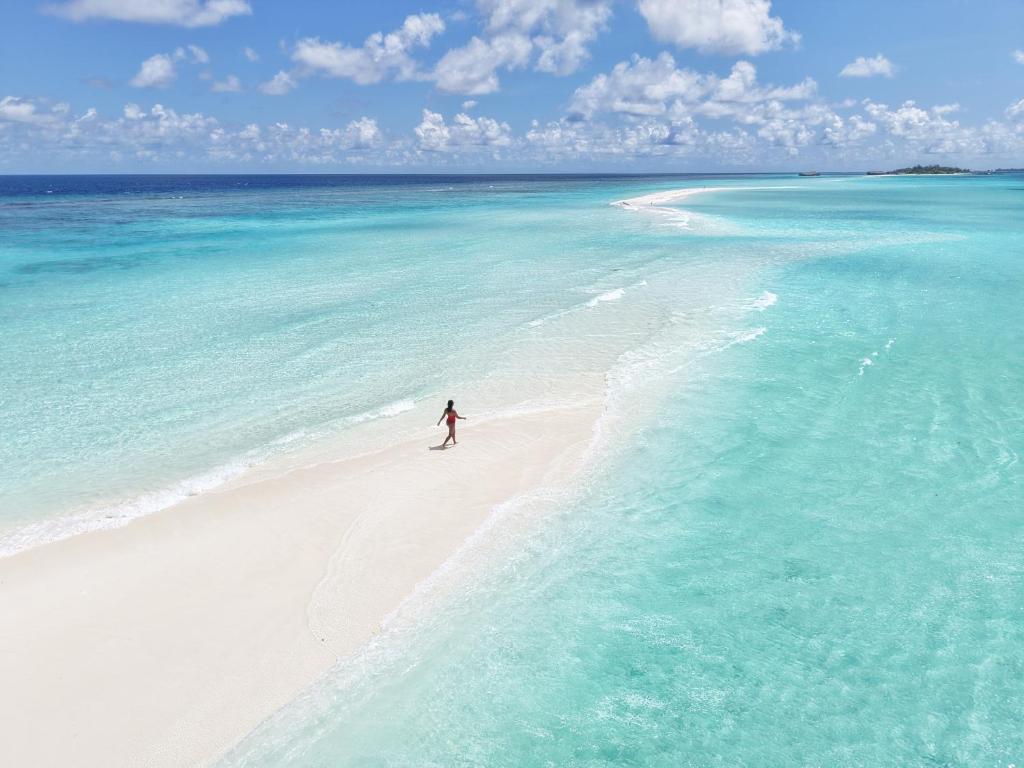
Dhigurah in Alifu Dhaalu Atoll has been ranked among the world’s 10 most valuable holiday beaches, with its stretch of sand assigned an estimated value of MVR 2.9 billion (€162.7 million) in a study by luxury villa holiday specialist CV Villas.
The island placed eighth in the global ranking, ahead of Seven Mile Beach in the Cayman Islands and Copacabana in Rio de Janeiro, Brazil.
The study calculated the hypothetical cost of owning some of the world’s best-known beaches by valuing the sand as coastal land. The figures do not represent sale prices or suggest that the beaches are available for private purchase.
Dhigurah was the only Maldivian beach included in the global top 15. Known for its long sandbank and proximity to whale shark habitats in South Ari Atoll, the inhabited island has become a destination for guesthouse tourism, diving and marine excursions.
Florida’s Siesta Beach topped the global ranking with an estimated value of €1.08 billion, followed by Pampelonne Beach in France at €843 million and Praia da Falésia in Portugal at €573.2 million.
Grace Bay in the Turks and Caicos Islands was ranked fourth at €376.4 million, while Bondi Beach in Sydney completed the top five with an estimated value of €365 million.
Hannah Marshall, luxury travel destination expert and marketing manager at CV Villas, said the research highlighted the role of location in determining coastal land values.
“Everyone has a beach that means something to them, so there’s something fun about seeing what those stretches of sand might be ‘worth’ if you valued them like the land behind them,” Marshall said.
“What comes through is how much location drives the figure: a beach in St-Tropez or on Siesta Key carries a value that a quieter shore — even just as beautiful — simply won’t.”
While Siesta Beach had the highest total estimated value, The Baths on Virgin Gorda in the British Virgin Islands recorded the highest value per square metre, at €8,846. Princess Diana Beach in Barbuda was the most affordable beach assessed, at approximately €199 per square metre.
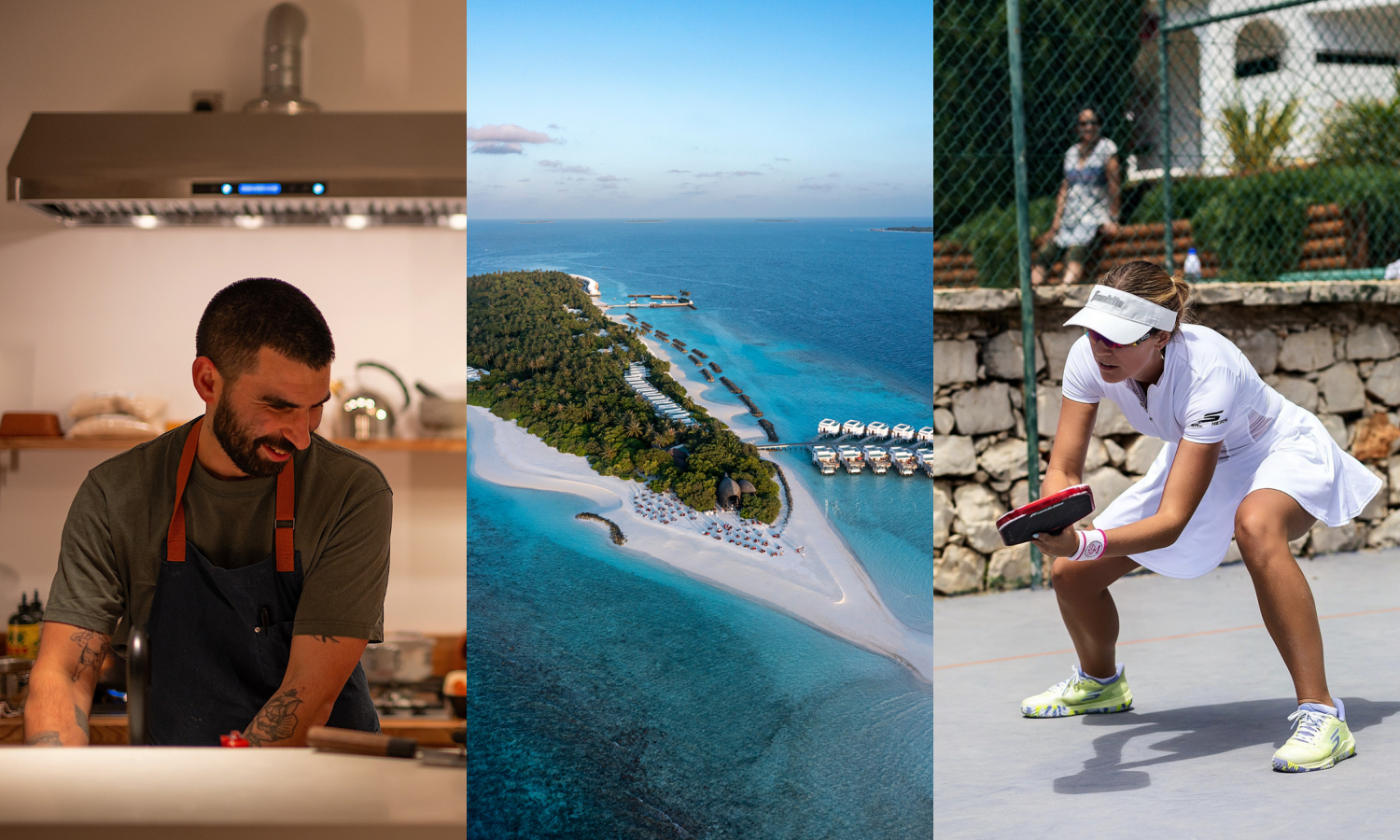
Niva Dhigali Maldives will welcome visiting chef Jake Norman and British pickleball champion Molly O’Donoghue for a curated programme of island experiences this November, bringing together dining and active wellbeing in the Maldives.
Norman began his culinary career making pizza in the markets of Guadalajara, Mexico, before working in several London restaurants, including St John, Ottolenghi and Sabor. He now leads the kitchen at Updown Farmhouse in Kent, where his cooking focuses on seasonal ingredients, live-fire techniques and Mediterranean influences.
On 18 November, Norman will host an exclusive dinner at Faru, presenting a menu that combines Mediterranean flavours with influences from Mexico and the Middle East, while incorporating ingredients sourced from the Maldives.
The shared dining experience will feature Indian Ocean produce, grilled dishes and smoky flavours, with a menu designed to reflect the setting and encourage guests to dine at a relaxed pace.
The programme will also include pickleball sessions hosted by British champion Molly O’Donoghue. A national champion in mixed and women’s doubles, as well as a European champion in mixed doubles, O’Donoghue first discovered the sport while studying in Australia. She has since competed internationally and worked to introduce the sport to players around the world.
At Niva Dhigali, O’Donoghue will conduct beginner sessions and advanced coaching, giving guests of different skill levels the opportunity to learn, play and develop their technique.
Located in Raa Atoll, Niva Dhigali Maldives is surrounded by tropical vegetation, a lagoon and the Indian Ocean. The November programme, featuring Norman’s dining experience and O’Donoghue’s pickleball sessions, forms part of the resort’s approach to offering guest experiences centred on food, wellbeing and the island environment.
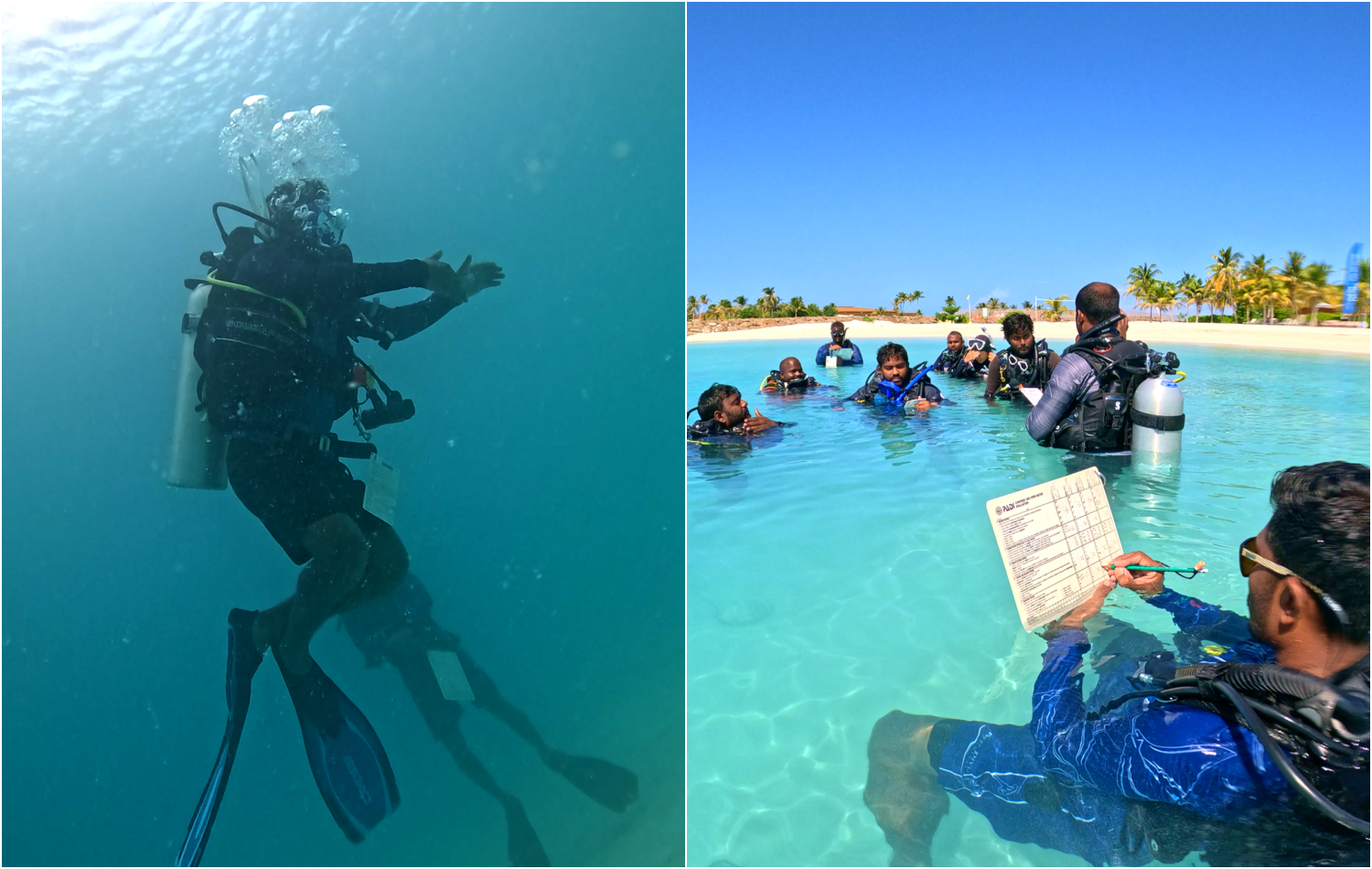
Against the backdrop of the Maldives’ world-renowned marine environment, Centara Mirage Lagoon Maldives is nurturing the next generation of dive professionals as the exclusive Best Dives Maldives resort authorised to deliver the PADI Instructor Development Course (IDC).
Bringing together Divemasters from Best Dives Maldives operations across the Maldives, the two-week programme reflects the resort’s growing role as the group’s dedicated training hub, supporting the development of the next generation of PADI Open Water Scuba Instructors while reinforcing its commitment to excellence in diving education.
Designed exclusively for certified Divemasters, the IDC combines comprehensive classroom learning with practical teaching workshops, confined and open water assessments, Emergency First Response Instructor Development, and Scuba Dive Instructor training. Participants entered the programme having already fulfilled PADI’s rigorous prerequisites, including logged dives, professional certifications, and medical clearances, before progressing to the Instructor Examination, the final step towards becoming a PADI Open Water Scuba Instructor.

Sharing his thoughts, Cluster General Manager Jorge Fernandez stated, “Our vision extends beyond delivering exceptional guest experiences. Across Centara Mirage Lagoon Maldives and its neighbouring Centara Grand Lagoon Maldives, we are committed to supporting the long-term growth of the Maldives’ diving industry through education, professional development, and marine stewardship. As the exclusive PADI Instructor Development Course centre within the Best Dives Maldives network, our resort plays a vital role in developing the next generation of dive professionals, strengthening industry standards, and reinforcing our commitment to advancing the Maldives as one of the world’s leading diving destinations.”
“Centara Mirage Lagoon Maldives has become the dedicated home of professional instructor development within the Best Dives Maldives network,” said Shimal Mohamed, Base Leader, Best Dives Maldives at Centara Mirage Lagoon Maldives. “Hosting the PADI Instructor Development Course allows us not only to develop future dive professionals, but also to maintain consistent training standards across our operations. It is a responsibility we are proud to uphold while supporting the career progression of our teams throughout the Maldives. We are equally committed to bringing more Maldivians into the diving profession, creating meaningful career pathways for local talent and helping the industry grow from within.”
With its protected lagoon, vibrant house reef, and diverse marine ecosystem, the resort offers an ideal environment for instructor development, allowing candidates to gain hands on teaching experience in conditions that closely reflect real world diving environments. Beyond delivering certification, the programme strengthens knowledge, confidence, and instructional skills, ensuring graduates are well prepared to guide and inspire future divers.
As the exclusive PADI Instructor Development Course provider within the Best Dives Maldives portfolio, Centara Mirage Lagoon Maldives continues to play a pivotal role in advancing professional dive education while enhancing the Maldives’ reputation as one of the world’s premier diving destinations. Alongside its instructor development programmes, the resort welcomes guests of all experience levels, from first time divers discovering the underwater world to experienced enthusiasts seeking unforgettable marine encounters.

-

 Action1 week ago
Manta Trust turns holiday photos into conservation science in Maldives
-

 News1 week ago
Manhattan Grand Hotel aims to transform Maldives’ MICE industry
-

 Awards1 week ago
.Here Baa Atoll receives Forbes VERIFIED™ Responsible Hospitality recognition
-

 Drink1 week ago
SO/ Maldives introduces premium Dilmah Tea experience
-

 News1 week ago
Baros Maldives invites guests to slow down with ‘Baros Pause’ weekly wellness programme
-

 Drink1 week ago
Kuda Villingili secures third consecutive Wine Spectator honour
-

 News1 week ago
Cora Cora Maldives earns Green Globe Gold certification
-

 News6 days ago
Sheraton Maldives Full Moon Resort & Spa reimagines island experience with resort-wide makeover