

Action
Coral conservation at OBLU SELECT Sangeli


Coral reefs, the magical underwater colonies, are now dwindling world over because of global warming, ocean acidification, and pollution. In response to these threats, OBLU SELECT Sangeli initiated a reef conservation programme in January 2019.
The first step was to build a coral nursery to help restore the lost coral cover. Located in the main lagoon, the nursery uses the coral line method – with 151 coral fragments twisted into seven five-metre-long ropes and propagated and grown. In addition, 60 metal frames with 2280 fragments were placed in 3 different locations around the island. These coral gardens include:
- 15 frames in the main lagoon at 7-8 metres depth
- 35 frames in front of the water villas at 2 metres depth
- 10 frames in the lagoon side of the water villas
Making a difference: Installing over 2,000 new coral colonies
The coral bleaching in 2016 had left the reefs around Sangeli island barren with coral rubble and sandy lagoon beds. Without the life-sustaining reefs, marine life also dwindled.
However, under the watchful eye of in-house Marine Biologist, Giorgia Maggioni, the coral nursery got a shot in the arm and thrived in the last three years. These sites are nurtured and regularly monitored to remove marine debris and replant broken corals. Colonies on the rope structure are growing well and many of them are being transplanted to the house reef using a specific cement meant for underwater purposes. The survival rate of these corals is very high.
Thanks to all the conservation efforts, the lagoon bed now has a lush coral cover, with many fish and other marine animals visiting and inhabiting the frames. Snorkelers can see a myriad of ocean life with parrotfish, snappers, eagle rays, sharks, and many other fish species and invertebrates.

Learning sessions
Marine Talks, organised twice a week, provide an overview of the local flora and fauna with a focus on corals, turtles, sharks, and rays. In-villa television screens feature an engaging video that outlines safe snorkelling practices, entry points into the lagoon and tips on avoiding touching or accidentally stepping on sea creatures and corals.
Ghost net bracelets
Ghost nets are fishing nets that have been abandoned, lost, or discarded at sea, on beaches or in harbours. In the Maldives the use of nets is prohibited however, due to the oceanic currents, large ghost nets often wash up on the islands. This happened recently at Sangeli island. The colleagues at the resort removed four nets from the ocean and released the entangled animals back into the ocean.
The most colourful threads from the nets were cleaned and repurposed into 100% recycled plastic bracelets. These ghost net bracelets were then sold to guests and the proceeds were all used to fund the coral restoration project.

CTA: Buy a Bracelet & Protect Our Corals
100% net proceeds support coral reef restoration efforts at OBLU SELECT Sangeli.
Protecting Hawksbill Turtles
Hawksbill Turtles, one of the seven critically endangered species in the Maldives, are often found around the island of Sangeli. To protect these gentle creatures, the resort initiated a photo-identification initiative in collaboration with Marine Savers and Olive Ridley Project (ORP).
A new turtle was identified in the Sangeli house reef and named Akiri, in honour of the island’s local name of Akirifushi. Guests can also get trained on photo identification and look out for Hawksbill Turtles during dives, should they wish to. And, if there happens to be a new identification, they get to name the turtle!
Sea turtle nesting, hatching
Atmosphere Hotels & Resorts has a Standard Operating Procedure to identify, monitor, handle, and release sea turtle hatchlings into the wild. First prepared and implemented at OBLU SELECT Sangeli, this procedure ensures that turtle nests and hatchings found at the resorts are protected, thus increasing the likelihood of the hatchlings surviving once they reach the ocean.


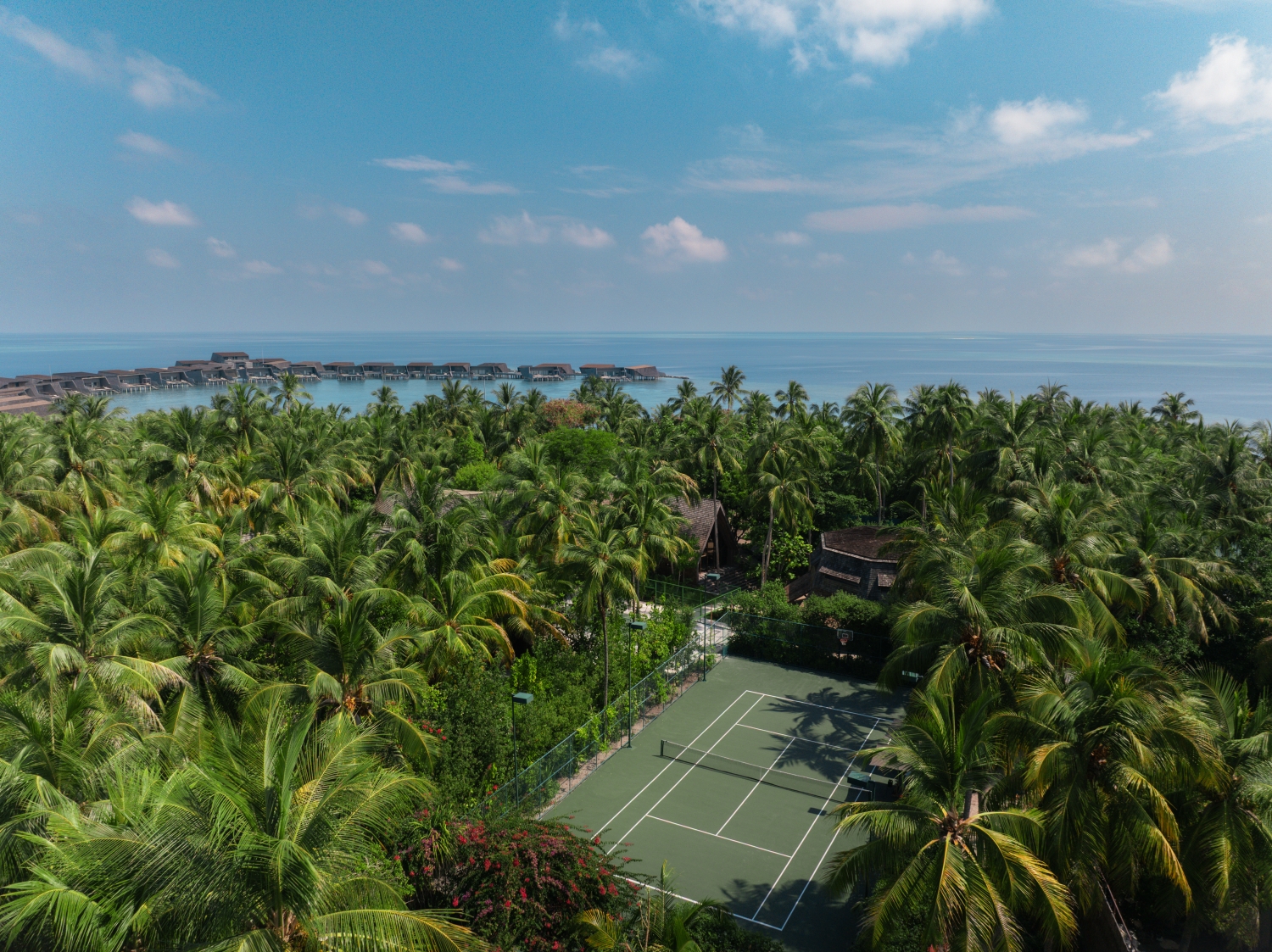
The St. Regis Maldives Vommuli Resort has announced a special edition of The Astor Club Soirée in partnership with LUX Tennis, welcoming three of the sport’s most accomplished players, Daniil Medvedev, Paula Badosa, and Donna Vekić, for a series of tennis residencies from October 26 through November 30, 2026. Taking place at the Maldives’ finest address, the program will feature private coaching sessions, group clinics, junior development activities, and guest appearances, offering participants direct engagement with some of tennis’s most recognized names.

The Astor Club Soirée Tennis Series will commence with Donna Vekić from October 29 to November 1, 2026. One of Croatia’s most accomplished tennis players, Vekić has captured five WTA singles titles throughout her career and achieved a career-high ranking of World No. 17. Her recent achievements include a silver medal at the Paris 2024 Olympic Games, a semifinal appearance at Wimbledon, and victory at the prestigious Queen’s Club Championships in 2026. Renowned for her powerful playing style and competitive spirit, Vekić will share her expertise through a series of guest sessions designed for players of all levels.

From November 13 to 14, 2026, the resort will welcome Paula Badosa, one of the most inspiring players on the WTA Tour. After capturing the French Open Girls’ title and turning professional in 2015, Badosa rose steadily through the ranks to reach a career-high World No. 2 ranking in 2022. Following a determined comeback from injury setbacks, she re-established herself among the world’s elite with a title run at the Washington Open, a quarterfinal appearance at the US Open in 2024, and an Australian Open semifinal appearance in 2025. Guests will have the chance to spend time with one of modern tennis’ most resilient and admired competitors through a series of coaching and on-court sessions.

The pinnacle of the series arrives November 26 to 27, 2026 with the highly anticipated residency of Daniil Medvedev, former ATP World No. 1 and one of the defining champions of his generation. Widely regarded as one of the most accomplished players in contemporary tennis, Medvedev’s distinguished career includes a historic US Open title, multiple ATP Masters 1000 victories, ATP Finals success, and numerous Grand Slam final appearances.
Celebrated for his tactical brilliance, relentless competitiveness, and commanding presence on court, Medvedev has consistently performed at the highest level of the sport while establishing himself as one of tennis’ most influential global stars. As the headline appearance of The Astor Club Soirée Tennis Series, he will lead a schedule of private lessons, clinics, and guest events throughout this stay.
“The Astor Club Soirée was created to bring influential figures in sport and culture to The St. Regis Maldives Vommuli Resort through bespoke guest programming,” says Ozgur Cengiz, General Manager of The St. Regis Maldives Vommuli Resort. “We are pleased to welcome Daniil Medvedev, Paula Badosa, and Donna Vekić, whose achievements have made a lasting impact on professional tennis. Their presence reflects our continued focus on presenting distinctive experiences that inspire, engage, and leave a lasting impression on our guests.”
Designed for aspiring young athletes, tennis enthusiasts, and seasoned players, each residency offers a unique opportunity to learn directly from some of the sport’s most accomplished professionals.

The Astor Club Soirée forms part of The St. Regis Maldives Vommuli Resort’s signature platform for distinctive guest programming. Inspired by the Astor family’s appreciation for sports, culture, and refined leisure, The Astor Club Soirée unites influential figures from around the world through engaging experiences that inform, inspire, and connect, embodying the quintessential St. Regis tradition of bringing people together through personalized service.
For more information, please visit stregismaldives.com.
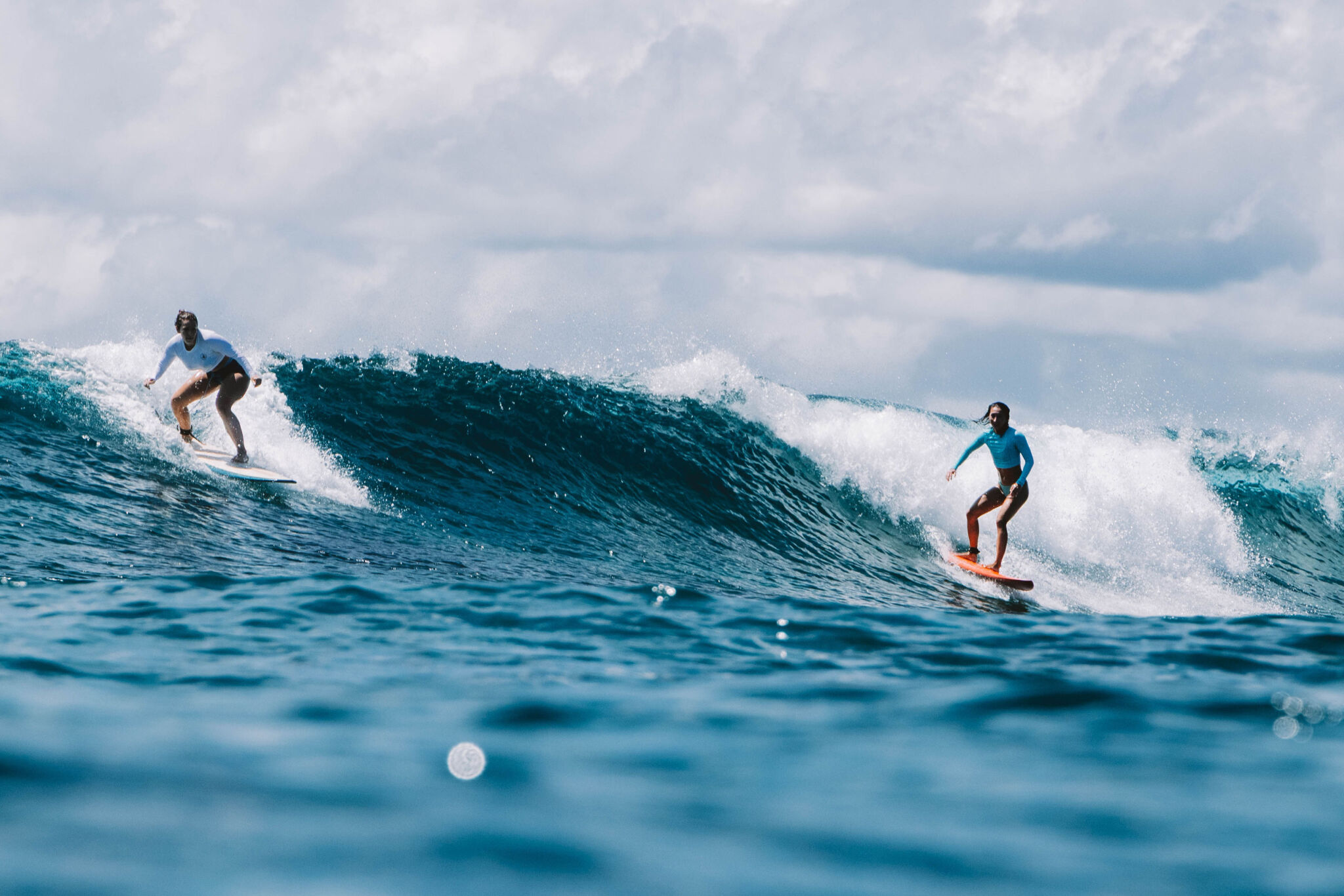
One of the Maldives’ most celebrated surf destinations, Lohis, is making waves beyond the surfing world as Adaaran Select Hudhuran Fushi hosts a landmark all-female surf retreat, bringing together 40 women for eight days of surfing, adventure, wellness and meaningful connections.
Taking place from 11 to 18 October, the exclusive surfing experience, organised by renowned surf coach and SurferElle founder Elle Sampiere, marks an exciting new chapter for Lohis, showcasing not only the exceptional quality of its waves but also its growing appeal as a destination where world-class surfing meets extraordinary island living. For this special gathering, the iconic Lohis lineup has been dedicated to the female surfing community, creating an environment where participants can challenge themselves, share experiences and build friendships against the breathtaking backdrop of the Indian Ocean.

Lohis: Where the World’s Surfers Come for More Than Just Waves
Situated along the edge of Adaaran Select Hudhuran Fushi in North Malé Atoll, Lohis has earned an international reputation for its celebrated left-hand reef break, attracting passionate surfers from around the world.
What makes Lohis truly distinctive, however, extends beyond the wave itself.

Few surf destinations offer the opportunity to wake up on a tropical island, walk directly from your accommodation to an internationally recognised surf break and enjoy the comforts of an all-inclusive resort between sessions. At Lohis, surfing is not simply an excursion. It is part of everyday island life. With access managed through a limited number of surf passes, capped at 45 registered surfers per day under the resort’s standard surf management programme, Adaaran Select Hudhuran Fushi offers a carefully managed surfing experience that distinguishes it from many of the world’s more crowded surf destinations.
The resort also provides access to several celebrated breaks across North Malé Atoll through organised surf excursions, offering visiting surfers the opportunity to explore the diversity of waves that has made the Maldives a sought-after destination on the international surfing map.Just a short speedboat journey from Velana International Airport, this unique combination of exceptional surfing, accessibility, natural beauty and relaxed island hospitality reinforces Lohis’ position among the world’s most distinctive surf resort experiences.

A New Wave of Women Redefining Surf Travel
The SurferElle gathering brings a powerful new dimension to Lohis’ established surfing heritage.Throughout the eight-day retreat, participants are embracing a programme that extends well beyond the surf lineup, with professional coaching, yoga, wellness experiences, snorkeling, diving, fishing and island excursions creating opportunities for adventure, relaxation and personal discovery.
More importantly, the gathering reflects a growing movement within international surf culture: women seeking experiences that combine the thrill of the ocean with genuine connection, confidence and a sense of belonging.

The exclusive female surfing environment encourages participants to support one another, develop their abilities and enjoy the freedom of surfing alongside women who share their passion.
Against the turquoise waters and tropical scenery of the Maldives, the event demonstrates how a surf holiday can evolve into something more meaningful, an experience that inspires long after the final wave.

Connecting International Surf Culture with the Maldives
Beyond the international attention surrounding the gathering, the retreat also places importance on fostering connections with the emerging community of Maldivian female surfers.
By celebrating women’s participation in surfing and encouraging engagement between visiting surfers and the local community, the initiative highlights the potential for surf tourism to create opportunities for cultural exchange, inspiration and greater visibility for women in ocean sports.

It is a reflection of how the Maldives can continue to evolve as a surf destination, not only through the quality of its waves, but through the people, experiences and communities that shape its identity.
More Than a Wave. A Destination That Stays With You.

For Adaaran Select Hudhuran Fushi, the SurferElle gathering represents more than a special event. It demonstrates the destination’s ability to bring together the very best elements of surf travel: celebrated waves, a carefully managed surf environment, exceptional island surroundings and experiences that create lasting emotional connections.From early-morning sessions at Lohis to relaxed afternoons overlooking the Indian Ocean, the resort offers a distinctive rhythm of life where adventure and relaxation exist naturally side by side.As the gathering continues, Lohis is demonstrating that its greatest appeal lies not only in the waves surfers travel across the world to experience, but also in the memories, friendships and sense of community created around them.
At Lohis, the wave brings people together. The island makes the experience unforgettable.

Located in North Malé Atoll, Maldives, Adaaran Select Hudhuran Fushi is an all-inclusive island resort renowned for its natural tropical beauty, relaxed hospitality and direct access to the internationally celebrated Lohis Surf Break.
With a dedicated surf management programme, access to nearby surfing destinations, a range of accommodation options, dining experiences, wellness facilities and island activities, the resort offers a distinctive combination of world-class surfing and immersive Maldivian island living.
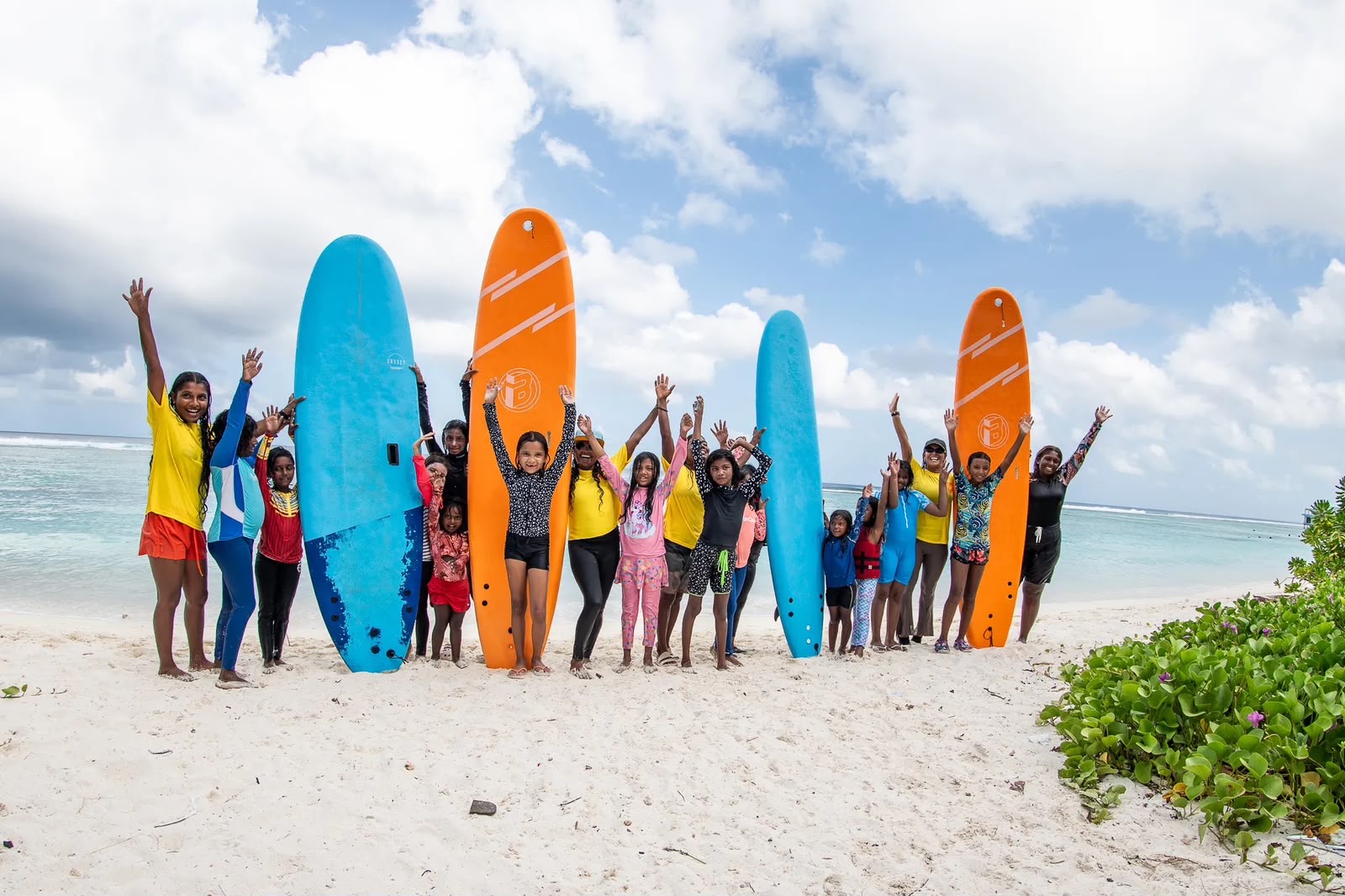
Adaaran Select Hudhuranfushi with its renowned wave Lohis, recently welcomed an all-female surf group for a week of surfing, wellness, and meaningful connections. Beyond experiencing the Maldives’ world-class waves, the visit created an opportunity to bring together international surfers from Surferelle, a women-focused female surf KOL, and members of Surf Her Story, a local female surfing community, for an inspiring exchange of experiences, perspectives, and stories.

Connecting Women Through Surfing
The gathering brought together women from different countries, cultures, and backgrounds, united by their shared passion for the ocean.

Through conversations and shared experiences, participants exchanged perspectives on surfing, personal growth, confidence, and the challenges women face in pursuing their passions.
What began as a meeting of surfers became a reminder that, despite cultural differences, women often share similar aspirations and challenges. The exchange offered an opportunity for mutual encouragement, new friendships, and inspiration that extended well beyond the water.

Surf Her Story: Empowering the Next Generation
Founded by former professional surfer Maju Freitas, with the support of local surfers Aya Naseem and Rishtha Suja, Surf Her Story is a community-driven initiative dedicated to introducing more girls across the Maldives to surfing.

The idea began four years ago when Freitas first visited the Maldives and noticed something missing from its incredible surf scene.
“I remember thinking, ‘Oh my God! This place has amazing waves… but WHERE ARE ALL THE GIRLS?'” she recalls.
Determined to make a difference, Maju created Surf Her Story to help more Maldivian girls discover the physical, mental, and social benefits of surfing.

Beyond developing surfing skills, the initiative aims to build confidence, encourage self-expression, and create a supportive sisterhood where girls can grow together, both in and out of the ocean.
“My biggest dream is for every girl to have the opportunity to experience the freedom, happiness, and empowerment that surfing has given me throughout my life,” says Maju. “I truly believe surfing can change lives, and through Surf Her Story, I hope to share that feeling with as many girls as possible.”

Giving Back to the Community That Makes Surfing Possible
As a surf destination, the Maldives offers extraordinary experiences to visitors from around the world. Lohis Maldives believes that the benefits of surf tourism should also extend to the local communities that call these islands home.
Welcoming Surf Her Story was a small but meaningful step toward that vision: creating space for local female surfers to connect with an international community, share their voices, and gain encouragement from women with different life experiences.

By facilitating these connections, the resort hopes to contribute to a future where more Maldivian girls feel welcome in the water, confident in their abilities, and supported in pursuing their ambitions.
At Lohis, the true value of surf travel lies not only in the waves we enjoy, but also in the positive connections and opportunities we leave behind.
The resort looks forward to continuing to support community engagement, celebrate women in surfing, and create experiences that bring lasting value to both visitors and the local community.

-

 Cooking1 week ago
Belgian Chef Wout Bru to bring exclusive dining experiences to Meyyafushi, Fushifaru Maldives
-

 News1 week ago
.Here Baa Atoll completes two-island concept with opening of Nowhere Private Island
-

 News1 week ago
Patina Maldives announces Orthodox Christmas celebrations with Russian cuisine and live entertainment
-

 Cooking1 week ago
Award-winning Pastry Chef Elena Nabiullina brings contemporary pâtisserie to The Nautilus Maldives
-

 News7 days ago
Six Maldives spas operated by Mandara Spa recognised in global top 100 list
-

 Action7 days ago
Adaaran Select Hudhuran Fushi brings together 40 women for surfing, wellness retreat
-

 Cooking1 week ago
Barceló Nasandhura Malé partners with Ministry of Crab for rooftop dining experience
-

 News1 week ago
Atmosphere Hotels & Resorts introduces three distinct festive experiences in Maldives