

Featured
Soneva Fushi launches Makers’ Place carbon neutral recycling studio


Soneva Fushi, the Maldives’ original barefoot luxury resort, has revealed a ground-breaking new addition to its portfolio of sustainable innovations.
Makers’ Place is a fully carbon-neutral island studio that will recycle waste plastic and aluminium into works of art, as well as practical objects and building materials.


The Makers’ Place studio was built in collaboration with British artist Alexander James Hamilton, founder of the Distil Ennui Studio, whose practice spans sculpture, painting, photography, film, lighting and installation.
An advocate for sustainability at a community, island and governmental level for over 35 years, and a passionate ambassador for the ‘3 Rs’ (reduce, re-use, recycle), his art engages with the broader public sphere through interventions within natural landscapes and civic spaces alike, arts education, policy-making, issues of sustainability and ecocide.


Makers’ Place has been built from the ground up by Hamilton and his team, with hand-fabricated machinery and processes tailored to the facility’s unique island setting.
With major soft drinks brands singled out as some of the world’s worst polluters, the studio aims to tackle the huge volumes of discarded plastic bottles and aluminium cans that choke the oceans, are burned in toxic fires or are dumped in landfill sites each year.


Within its first three days of operation, the studio processed 15,000 aluminium cans alone, creating a better end life for these once-discarded, unwanted materials, and removing them from the fragile ecosystem.
Makers’ Place will invite artists and guests to unleash their creativity, as well as engaging with the wider community through the Soneva Namoona initiative, a collaboration between Soneva and its neighbouring islands in the Baa Atoll to eliminate ocean plastics, promote better waste management and create a more sustainable future for the Maldives and beyond.


The bespoke facility includes a closed loop wash station to handle the final cleaning stage of the materials, which uses an innovative two-stage filtration system using granular media and coconut charcoal produced on-site, a highly effective natural filter.
Unlike standard recycling facilities which are extremely water intensive, this efficient filtration system enables Makers’ Place to reuse its water over many months – a world’s first.
The system also uses a modified exhaust system to capture harmful volatile organic compounds (VOCs) and carbon emissions when heating plastic or melting shredded aluminium, which uses activated carbon granules to ensure only clean air leaves the studio.

At the end of their life, both the water and VOC filters are transformed into concrete building blocks and waterproofed, which are then used for construction.
Each block is tinted red so that it is instantly recognisable in case of future development and can remain on-site and intact for re-use.
“Every piece of single-use material that is not recycled is exponentially adding to the problem of global warming that we are all facing today,” says Hamilton.
“Here in the Maldives we are 1,600 km from the nearest landfall, and it is so sad to quantify that a large proportion of single-use packaging that is brought here has no tangible end-of-life or re-use.”


Hamilton has made it his life’s work to explore and protect the world’s waters through artistic interventions. He has created explorative bodies of work around the world, using the signature of water at the core of his practice.
During the development of Makers’ Place, the artist made a very generous donation of 20 illuminated PhotoGrams from his Visions from the Shoreline series, which contributed towards funding the studio and the Soneva Namoona initiative.
As a tribute to Hamilton, these one-of-a-kind studio proofs are now displayed around the studio that they inspired and helped to fund.
Sustainability runs through the heart of Soneva Fushi, which already re-uses or recycles 90 per cent of its waste.
Soneva was one of the world’s first hospitality groups to ban plastic straws back in 1998, produces and bottles its own water, and has been fully carbon neutral for both direct and indirect emissions since 2012.
Regeneration is a major focal point of Soneva’s approach to sustainability: each Soneva resort features a Waste-to-Wealth Centre and lush organic gardens, irrigated by grey water and nurtured by compost from the resort kitchens.
Soneva Fushi made history in 2014 with the opening of Soneva Art & Glass, the Maldives’ first hot glass studio that invites renowned glass artists and guests at the resort to transform discarded bottles into works of art.

Soneva is a world-leading sustainable luxury resorts operator, founded by Sonu and Eva Shivdasani.
With ‘One Owner, One Operator, One Philosophy, One Brand’, Soneva’s award-winning portfolio includes Soneva Fushi (1995), Soneva Jani (2016) and the Soneva in Aqua yacht (2015) in the Maldives, and Soneva Kiri (2010) in Thailand.
Soneva’s SLOW LIFE philosophy focuses on rare, meaningful experiences and holistic wellbeing journeys that illuminate and enrich guests’ lives while treading lightly on the earth.
As a pioneer for responsible tourism, Soneva has been fully carbon neutral since 2012, launching its Total Impact Assessment in 2016 to measure the company’s social and environmental impacts, a first for the hospitality industry.
A mandatory two per cent environmental levy is added to every Soneva stay, with proceeds going towards the not-for-profit Soneva Foundation to offset both direct and indirect carbon emissions from resort activities and guest flights.
The Foundation funds a range of global projects that have a positive environmental, social and economic impact.


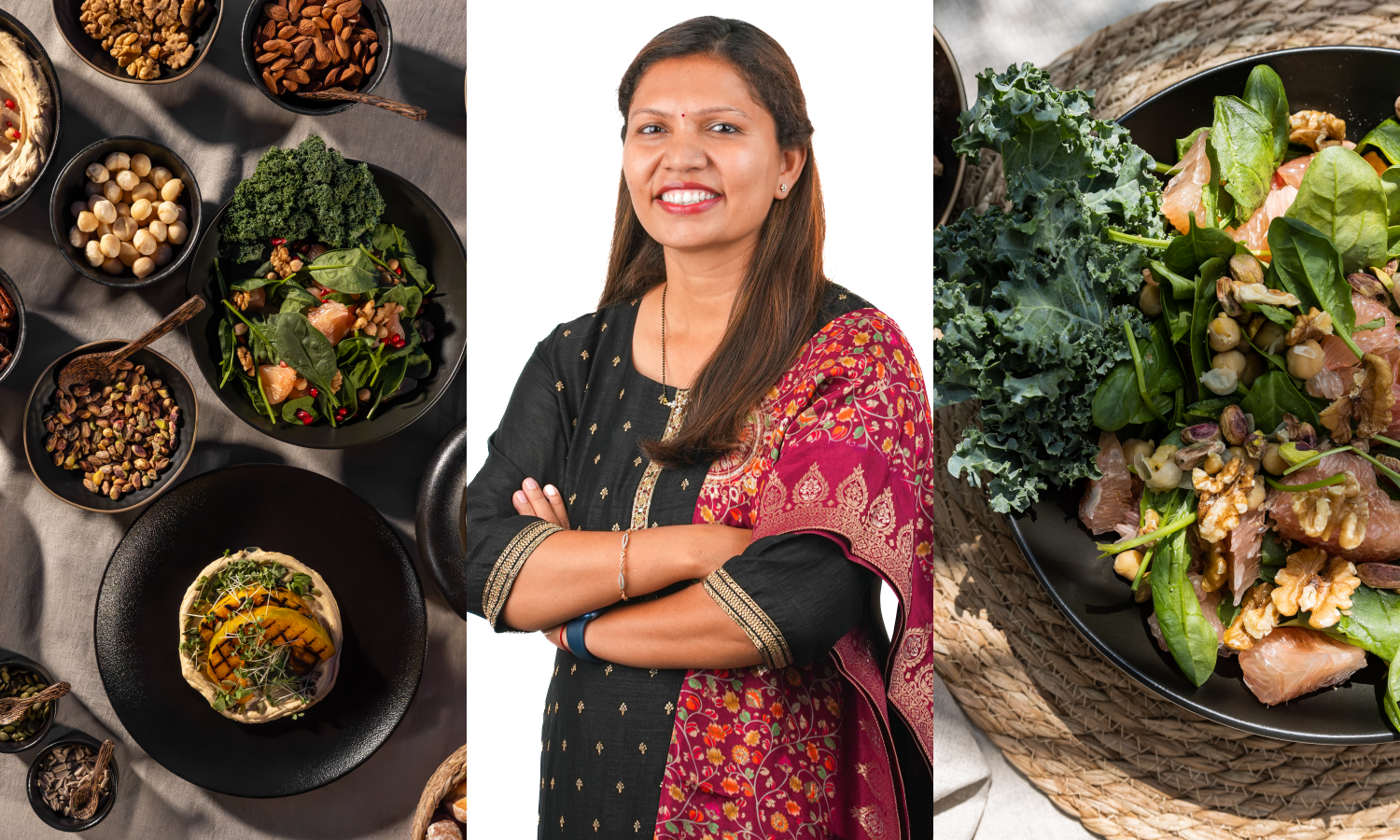
Sun Siyam Olhuveli Maldives will welcome award-winning food creator Kabita Singh, the personality behind Kabita’s Kitchen, for a special culinary residency in October to mark International Chefs’ Day on 20 October 2026.
Known for making everyday Indian cooking accessible to a wide audience, Singh will move from her digital kitchen to the Maldives, joining the resort’s culinary team for a live cooking experience created for guests.
The collaboration will bring together Singh’s approach to Indian cuisine — centred on familiar flavours, accessible recipes and an increasing focus on wholesome cooking — with Sun Siyam’s Plant Based Bliss philosophy, which promotes the nutritional and holistic benefits of plant-forward dining.
As part of the International Chefs’ Day celebrations, Singh will cook alongside Sun Siyam Olhuveli’s culinary team during a live session in front of resort guests. The experience will feature a specially curated selection of vegetarian, vegan and health-conscious dishes developed in collaboration with the resort’s chefs and inspired by Singh’s own cooking philosophy.
Guests will have the opportunity to watch Singh prepare the dishes, learn about the techniques and stories behind them, and sample her interpretation of plant-forward Indian cuisine in a Maldivian island setting.
Kabita’s Kitchen has grown from a home-cooking channel into one of India’s most widely followed food platforms, with approximately 14.6 million subscribers on YouTube alone. Singh has built her audience through content ranging from regional favourites and vegetarian staples to festive dishes, street-food classics and everyday family recipes.
Her influence within India’s food and digital content sector was recognised at the inaugural National Creators Award in 2024, where she received the Best Creator in Food Category award, presented by Indian Prime Minister Narendra Modi.
“We are really excited to welcome Kabita to Olhuveli and bring a taste of Kabita’s Kitchen to the Maldives,” said Hassan Adil, General Manager of Sun Siyam Olhuveli.
“Food is such an important part of the way people connect, and this is about bringing our guests closer to the experience, watching Kabita cook, discovering the flavours and stories behind her dishes, and of course tasting them together. Her fresh, approachable style is a great match for our Plant Based Bliss philosophy, and celebrating International Chefs’ Day together with our own culinary team makes it even more special. We want dining at Olhuveli to be fun, social and full of moments that guests remember long after they leave the island.”
Located in South Malé Atoll, Sun Siyam Olhuveli is part of Sun Siyam’s Lifestyle Collection. The resort combines beach experiences, dining, entertainment, wellness and other activities within its broader island offering.
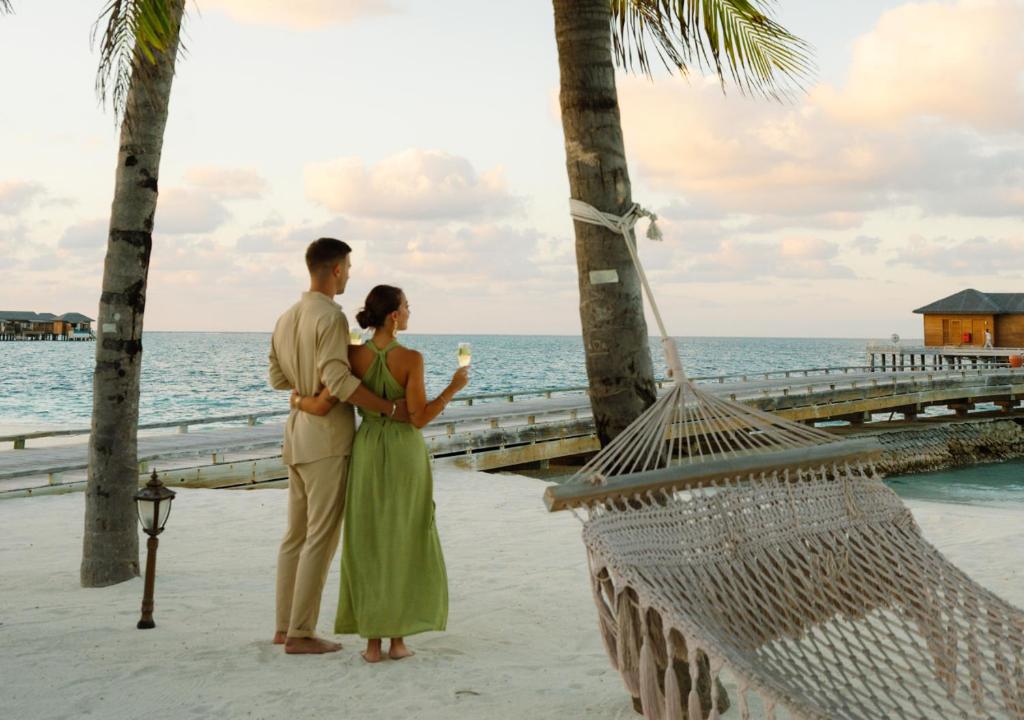
You & Me Maldives has been named Best Adults-Only Resort at the Travel Trade Maldives (TTM) Awards 2026, recognising the resort’s positioning, guest experiences and continued focus on adults-only hospitality in the Maldives.
The award was presented during the TTM Awards & Gala 2026, held at CROSSROADS Maldives on 27 August 2026, marking the conclusion of the 10th edition of TTM Maldives. The annual awards recognise achievements, innovation and contributions across the Maldivian tourism industry.
Located in Raa Atoll, You & Me Maldives has established itself as an adults-only retreat catering to couples, honeymooners, friends and solo travellers seeking privacy and tranquillity.
The resort combines its island setting with accommodation, personalised service and experiences centred on romance, wellness, gastronomy and exploration, creating an intimate environment designed specifically for adult travellers.
The recognition comes as You & Me Maldives marks seven years of operations and welcoming guests from around the world.
“As we celebrate this important milestone, we are deeply grateful to our loyal guests, partners, and dedicated team members who have been part of this journey,” said Mohamed Imthiyaz, General Manager of You & Me Maldives.
“These seven years represent not only growth and success, but countless love stories, memories, and unforgettable experiences created on our island. Receiving the ‘Best Adults-Only Resort’ award at the TTM Awards is a tremendous honour and a reflection of the passion and dedication of our entire team.”
The Best Adults-Only Resort award further strengthens You & Me Maldives’ position within the Maldives’ luxury hospitality sector, recognising its focus on combining an adults-only concept with personalised service and island experiences.
Looking ahead, You & Me Maldives plans to continue developing its concept and guest experience through new activities, offerings and services, while maintaining its focus on the adults-only luxury segment in the Maldives.
Featured
From art to island adventures: Marriott International luxury resorts unveil festive programmes
The festive season often brings some of the simplest moments into focus: long lunches that extend into the afternoon, children discovering somewhere new, and conversations without the pressure of being elsewhere. In the Maldives, that time together unfolds naturally between ocean and shore, with each island establishing its own rhythm for multigenerational families, couples and groups of friends.
This year, the Luxury Group by Marriott International portfolio of resorts in the Maldives is inviting travellers to experience the festive season through art and design, marine discovery, local culture, gastronomy, wellness and time spent outdoors. From the creative shores of the Fari Islands and the house reefs of North Ari Atoll to the secluded northern reaches of Shaviyani Atoll, each destination offers a different setting in which guests can reconnect, celebrate traditions and create new ones, with the Maldives itself at the heart of the experience.
Available to book from 15 September to 15 November 2026 for stays between 20 December 2026 and 10 January 2027, the Festive Early Bird Offer adds tailored inclusions to each island stay. These range from resort credits of up to USD 400 per stay and complimentary non-motorised water sports to complimentary stays and dining for children under 12 and festive activities at selected participating resorts.
For guests looking to make the most of their time in the Maldives, two island experiences are within easy reach of Malé. The Ritz-Carlton Maldives, Fari Islands and JW Marriott Maldives Kaafu Atoll Island Resort are both accessible by speedboat, while scenic seaplane journeys lead farther into the atolls to The St. Regis Maldives Vommuli Resort, W Maldives and JW Marriott Maldives Resort & Spa.
A Canvas of Festive Wonder at The Ritz-Carlton Maldives, Fari Islands
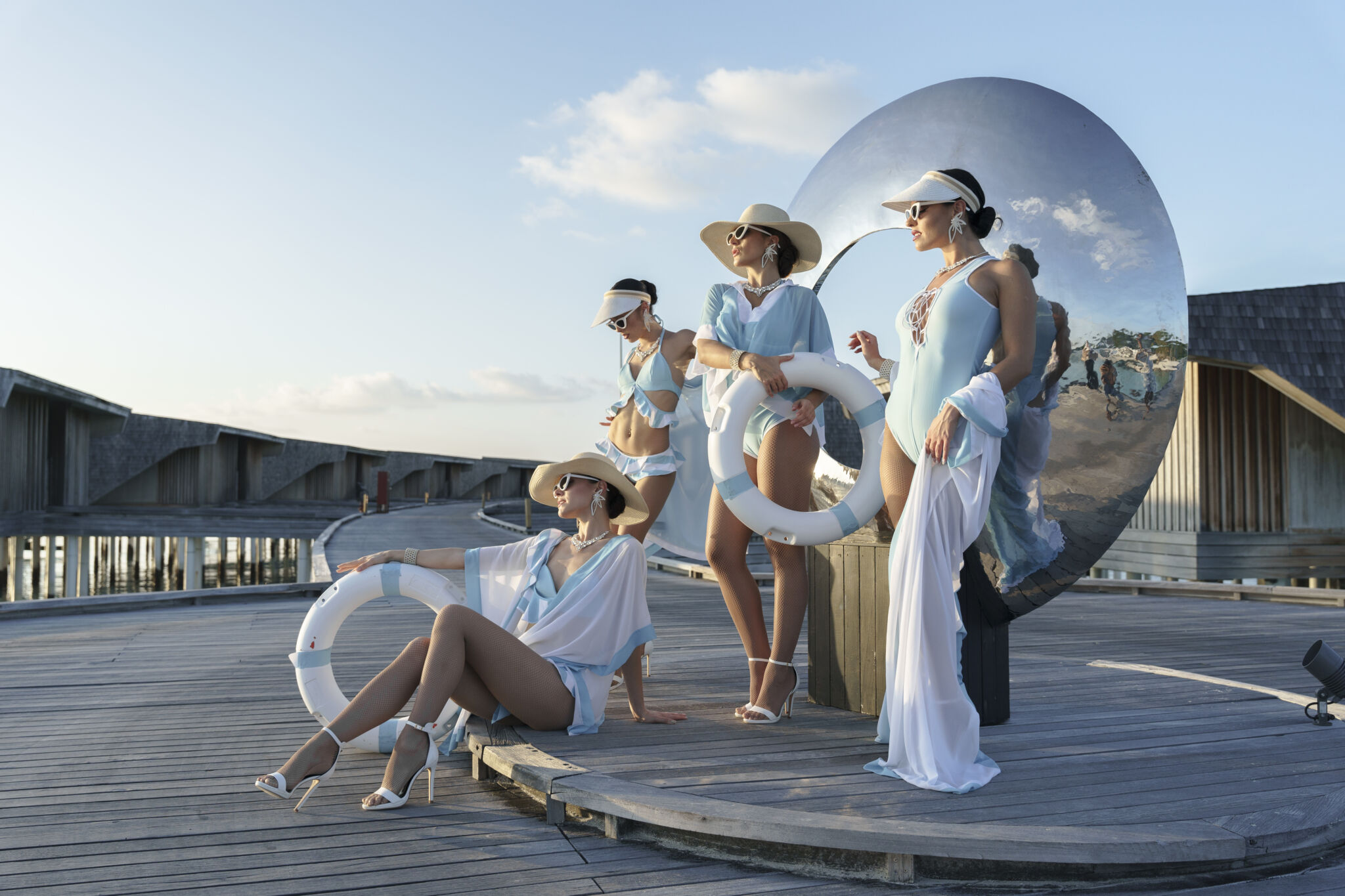
A 50-minute luxury speedboat journey from Malé leads to The Ritz-Carlton Maldives, Fari Islands, where the 2026 festive season brings contemporary art into conversation with the light, colour and landscape of the Maldives.
From 20 December, the island will become a festive canvas through bespoke installations by French artist Alexandre Benjamin Navet in collaboration with the House of Ruinart. His expressive use of shape and colour will appear throughout the resort, from a specially conceived Christmas tree and ornaments inspired by the destination to playful installations culminating at Beach Shack.
The experience brings a new creative dimension to the resort’s Circle of Island Life, while leaving room for guests to shape their days at their own pace. Couples can move between the spa, lagoon and intimate dining experiences, while families and groups can gather in 100 ocean- and lagoon-facing villas designed by Kerry Hill Architects.
Larger parties can stay in expansive two-bedroom villas or the four-bedroom The Ritz-Carlton Estate, with an Aris Meeha island butler available to personalise their time together.
The Festive Early Bird package includes daily breakfast at La Locanda, New Year’s Eve celebrations and festive experiences.

A Season of Endless Wonder at JW Marriott Maldives Kaafu Atoll Island Resort
Close to Malé yet removed from the pace of the capital, JW Marriott Maldives Kaafu Atoll Island Resort is preparing a festive season centred on joy, discovery and wellbeing.
A 15-minute speedboat journey from Malé, the island will host ‘Enchanted Soirée: A Season of Endless Wonder’, with a programme featuring culinary experiences, restorative moments at Spa by JW, lagoon adventures and activities for younger travellers. In the evenings, multigenerational families, couples and groups of friends can come together over shared meals and festive celebrations.
Residential-style two-bedroom beach and overwater villas provide space for guests to gather and retreat, while the three-bedroom Ocean Residence includes a private gym, spa treatment room and waterslide with direct lagoon access.
Dedicated Safeeru ambassadors personalise each stay, while the Family by JW Kids’ Club provides creativity and exploration for younger guests. Other experiences include dolphin cruises, nurse shark snorkelling and dining across seven venues inspired by Indian Ocean, Mediterranean, South American and Nikkei cuisines.
The Festive Escape package includes a full-board meal plan, complimentary dining for children under 12, and access to festive activities and celebrations throughout the stay.
Ten Years of Island Stories at The St. Regis Maldives Vommuli Resort
In Dhaalu Atoll, The St. Regis Maldives Vommuli Resort will mark its 10th anniversary with ‘Chapter X: Celebrating 10 Years Through the Island’s Story’, a festive programme inspired by the landscapes and communities that have shaped a decade on Vommuli Island.
The celebration follows the resort’s four ecological zones — Lagoon, Beach, Jungle and Coast — providing families, couples and friends with different ways to discover the island through marine life, nature, cuisine, wellness and Maldivian heritage.
Children and grandparents can explore the biodiversity surrounding Vommuli House, turning shared discoveries into new family traditions, while days by the lagoon showcase the resort’s house reef and nature-inspired design.
Along the coast and beach, shared meals, storytelling and seasonal gatherings draw on the Maldives’ fishing and seafaring heritage. Christmas celebrations will include a tree-lighting ceremony, Santa’s arrival and family programming, while curated dining and wellness experiences will lead into a New Year’s Eve celebration overlooking the Indian Ocean.
The Festive Getaway includes breakfast for two and resort credits ranging from USD 200 to USD 400 per stay, depending on the villa category. St. Regis Butler service will also be available throughout each stay.
Children aged 11 and below stay and dine with compliments.

Made the Revelry List at W Maldives
For travellers looking for a more energetic festive season, W Maldives brings together North Ari Atoll’s marine life, newly refreshed villas and the resort’s social island atmosphere.
A 25-minute seaplane journey from Malé takes guests to the resort’s house reef, where days can begin underwater, continue with a nurse shark excursion or sunset cruise, and end with dinner by the beach.
From 23 December to 1 January, ‘Made the Revelry List’ will move between relaxed daytime experiences and after-dark celebrations. Christmas Eve will bring guests together at FIRE Beach for flame-grilled dining and live entertainment, while New Year’s Eve will take its cue from ‘The Velvet Revelry’, a speakeasy-inspired soirée moving from golden-hour cocktails and dinner to performances, music and a midnight countdown on WAVE Beach.
Beyond the festive programme, 77 beach and overwater villas with private pools provide space for couples and friends to settle into island life, while the two-bedroom Oasis Beach Villa with Slide is designed for families and groups.
For a change of setting, Gaathafushi, W Maldives’ private island, offers an intimate location for private dining and time away from the main island.
The Festive Favors package includes a full-board meal plan for two adults and USD 200 in daily resort credit.
An Enchanted Island at JW Marriott Maldives Resort & Spa
The journey north forms part of the experience at JW Marriott Maldives Resort & Spa, which is reached by a scenic 50-minute seaplane flight from Malé.
In the quieter reaches of Shaviyani Atoll, spacious villas, tropical gardens and open stretches of ocean provide a setting for different generations to spend time together. Duplex Overwater Pool Villas and Two-Bedroom Duplex Beach Pool Villas provide generous living spaces for families and groups of friends, while dedicated Thakuru private butler service takes care of arrangements throughout the stay.
This year, ‘Enchanted Island, Midnight in Paradise’ will bring aerialists, fire performances, live music and a DJ into a festive calendar that balances celebrations with opportunities for families to spend time together.
Younger travellers can choose from more than 100 activities at the Family by JW Little Griffins Kids’ Club, one of the largest children’s clubs in the Maldives. Cooking experiences using ingredients from the JW Garden and Boduberu evenings will also bring different generations together during the festive period.
The Festive Splendor package includes daily breakfast for two at Aailaa and a one-time 30-minute photography session with one printed photograph.
Guests booking a Duplex Overwater Pool Villa receive a complimentary upgrade to half board, while children aged 11 and below stay and dine with compliments.

-

 Cooking1 week ago
Patina Maldives welcomes global, Maldivian talent for latest ‘Perpetual Journey’
-

 Lifestyle1 week ago
Anantara Kihavah’s SKY Edhurus turn the Maldivian night sky into a classroom
-

 Cooking1 week ago
Kuredhivaru Resort and Spa sets season of culinary experiences and island celebrations
-

 News1 week ago
Sun Siyam marks Golden Week across Iru Veli, Vilu Reef with dining and island experiences
-

 Action1 week ago
Swimming with giants: A Manta journey from Ellaidhoo Maldives by Cinnamon
-

 News6 days ago
Le Méridien Maldives Resort & Spa celebrates World Wellness Weekend with three-day wellness programme
-

 Family1 week ago
Reethi Faru Resort celebrates Halloween with family activities and costume party
-

 Business1 week ago
BBM’s ‘Studio of Culinary Excellence’ opens at MNU to bridge classroom, industry