

Featured
#StopSucking: Soneva’s myriad sustainable practices from banning plastic straws in 1998


Soneva has been at the forefront of the sustainable luxury hospitality movement for over two decades. From banning single-use plastic at its resorts, becoming 100 percent carbon neutral including guest air travel, to waste management and recycling initiatives, Soneva is always trying to find new ways to improve its impact on the environment and help local communities in the process.
When it comes to plastic, Soneva banned the use of plastic straws at its resorts in 1998. All of its resorts only use paper straws sourced from the United States. Recently, Soneva has been testing out locally sourced bamboo straws at Soneva Kiri in Thailand as an alternative to its standard paper ones.
https://www.instagram.com/p/BkUTmErle-J/?taken-by=discoversoneva
In 2008, Soneva banned the import of branded bottled water, making it one of the first resort companies in the world to do so. Each resort filters, mineralises and bottles its own Soneva Drinking Water in reusable glass bottles — an initiative that has so far averted the production of 1,500,000 plastic bottles.
Soneva also raises around USD 90,000 every year from the Soneva Drinking Water proceeds and has funded over 500 clean water projects in more than 50 countries via charities such as Water Charity and Thirst Aid — enabling over 750,000 people around the world to have access to clean and safe water.
More recently, the Soneva Drinking Water initiative was rolled out on one of Soneva Fushi’s neighbouring islands, Maalhos, reducing the island’s dependence on unreliable rainwater and increasing the local population’s access to pure, filtered water in reusable glass bottles.

Soneva is one of the first resort companies in the world to ban the import of branded bottled water. PHOTO/ SONEVA
At each resort, Soneva has its own Waste-to-Wealth facility, which in 2017 generated USD 340,000 in revenue.
Soneva Fushi recycles 90 percent of its waste on-site through an innovative waste management strategy. Food left over from the resort’s restaurants is composted to make nutritious soil for the island’s vegetable and herb gardens, all of which are organic and provide much of the produce used at Soneva Fushi. Styrofoam packing is used to make lightweight construction blocks. The remainder of the plastic waste is transformed by the Soneva Maker Programme into Easter eggs and other items.
Another aspect of the Waste to Wealth initiative is Soneva Fushi’s Art and Glass Studio, the only hot glass studio in the Maldives. Here, used glass bottles from Soneva and neighbouring resorts in the Baa atoll are crushed and melted down. Then, using techniques such as glass blowing, casting and slumping, the Soneva glass team creates functional pieces as well as one-of-a-kind glass sculptures, which can be bought from the Art and Glass Studio.
Soneva has also created the Soneva Foundation to organise and initiate projects that have a positive environmental, social and economic impact. Whenever possible, the foundation uses impact investing principles to recover outlays through carbon finance, which is then fed back into projects to further extend their reach and benefits to more people.
The Soneva Foundation’s flagship project supplies clean cookstoves to people in rural Myanmar, as human development and energy use are intrinsically linked. In Darfur, the foundation distributed 26,000 fuel-efficient stoves, reaching 130,000 people. The Soneva Forest Restoration project saw over 500,000 trees planted in Chiang Mai in northern Thailand. There is a Soneva wind turbine in the Indian state of Tamil Nadu that will provide 80,000 MWh of clean energy over a 20-year period, mitigating 70,000 tonnes of CO2.

Soneva Foundation’s flagship project supplies clean cookstoves to people in rural Myanmar. PHOTO/ SONEVA
In the Maldives, Soneva works with local school children and their mothers to teach them how to swim. For a small island nation, the number of people who do not know how to swim, is alarmingly low. The Soneva Ocean Stewards (SOS) programme also involves teaching the children environmental awareness about the oceans and how important it is to safeguard them.
Since its launch in 2014, the programme has successfully taught 313 people, including 258 children, in the Maldives’ Baa atoll to swim. The programme is led by local instructors and, in an effort to ensure that the initiative is sustainable in the long term, 38 instructors have now been trained at Soneva Fushi.

Soneva works with local school children in Maldives and their mothers to teach them how to swim. PHOTO/ SONEVA
Soneva is a pioneering family of hospitality properties and products, offering holistic encounters in luxurious and inspiring environments – from world class hotels to outstanding natural locations. Combining luxury with a conscientious approach to sustainability and the environment, and proactively changing the nature of hospitality, it delivers intuitive service and meaningful experiences to the guests.
Soneva currently owns and operates Soneva Fushi, Soneva Jani and Soneva in Aqua in the Maldives, and Soneva Kiri in Thailand.
Established in 1995, Soneva Fushi is the original Soneva. The No News, No Shoes blueprint for all desert island barefoot luxury hideaways is located within the Baa Atoll UNESCO Biosphere Reserve in the Maldives. Soneva Fushi inspires the imagination with 65 spacious beachfront villas, ranging in size from one to nine bedrooms, hidden amongst dense foliage.
The iconic resort has bagged several international awards for eco-friendly tourism and green initiatives, including the 2017 Green Hotelier Award for the Asia Pacific region and the Sustainable Hotel Award by the Hotel Investment Conference Asia Pacific (HICAP) as well as a spot in the Gold List compiled by Condé Nast Traveler China as the Best Hotel in the Maldives and amongst the best resorts in the world in the Condé Nast Traveler Readers’ Choice Awards 2017.
Opened in December 2016, Soneva Jani is Soneva’s newest property and its second resort in the Maldives.
Soneva Jani encompasses a collection of 24 overwater villas and one island villa set in a 5.6 kilometre private lagoon located in the northern Noonu atoll. The resort spans five islands surrounded by pure white beaches, covered in rich tropical vegetation, offering the ultimate in privacy and luxury.
Each of the resort’s multilevel water villas has its own private pool and a retractable roof that allows guests to sleep beneath the stars. Many villas also have slides that transport guests directly from the top level into the lagoon below. Other hotel highlights include a spa, an observatory — home to the largest telescope in the Indian Ocean — and an outdoor cinema.
Since its opening, Soneva Jani has created a lot of buzz amongst luxury travellers with its exciting features such as the retractable roofs and the water slides. It has been named the Best Over-the-Top Luxury hotel of the year by Jetsetter.com, the best new resort in the world by CNN, and the Leading Luxury Hotel/Resort in South Asia and Leading Luxury Hotel/Resort in Maldives.


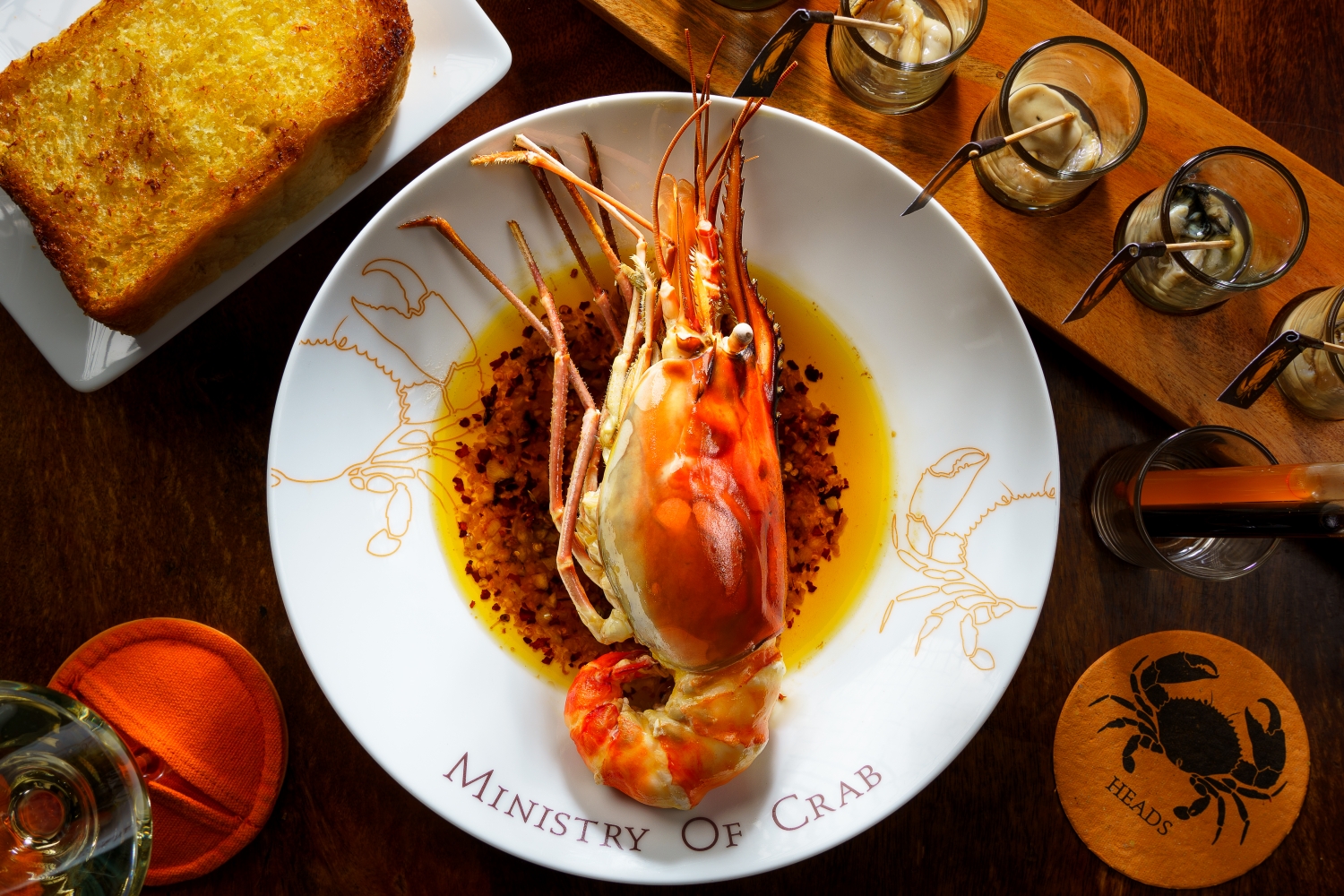
Barceló Nasandhura Malé has announced an exclusive two-night gastronomic pop-up collaboration featuring the celebrated flavours of Ministry of Crab at B.Heaven Rooftop on 13 and 14 November 2026.
Created by internationally acclaimed chef-restaurateur Dharshan Munidasa, Ministry of Crab is a distinguished fixture on Asia’s 50 Best Restaurants list. Known also for Carne Diem Grill at Crossroads Maldives, the country’s only restaurant featured in 50 Best Discovery this year, Chef Dharshan’s culinary philosophy will be brought to life in Malé through an extraordinary showcase of iconic Sri Lankan mud crab and freshwater prawn specialities.

Hosted against the panoramic ocean backdrop of B.Heaven Rooftop, this landmark commercial engagement brings Ministry of Crab’s world-renowned culinary philosophy to the Maldivian capital. Built on a foundation that prioritizes ingredient freshness above all else, Ministry of Crab operates under a strict “no-freezer” policy. The event will feature export-quality Sri Lankan mud crabs and majestic freshwater prawns flown in fresh for the two-day dining showcase.

“We are delighted to bring the iconic flavours to Barceló Nasandhura Malé this November,” said Enric Reina, Hotel Manager at Barceló Nasandhura Malé. “This partnership marks a significant milestone for both our hotel and the capital’s dining scene as we elevate the local epicurean landscape, offering our resident guests and Malé’s culinary connoisseurs a rare opportunity to experience award-winning gastronomy.”

Chef Dharshan Munidasa commented on the collaboration: “Maldives holds a special place in the regional food landscape, surrounded by the same pristine Indian Ocean waters that inspire much of my culinary work. Partnering with Barceló Nasandhura allows us to showcase our iconic Ministry of Crab signature dishes—from our Garlic Chili Crab to our hand-crushed Pepper Crab—alongside exclusive preparations crafted specifically for B.Heaven Rooftop.”
Over the course of this limited two-day engagement, guests will indulge in a curated menu highlighting Ministry of Crab’s flagship preparations.
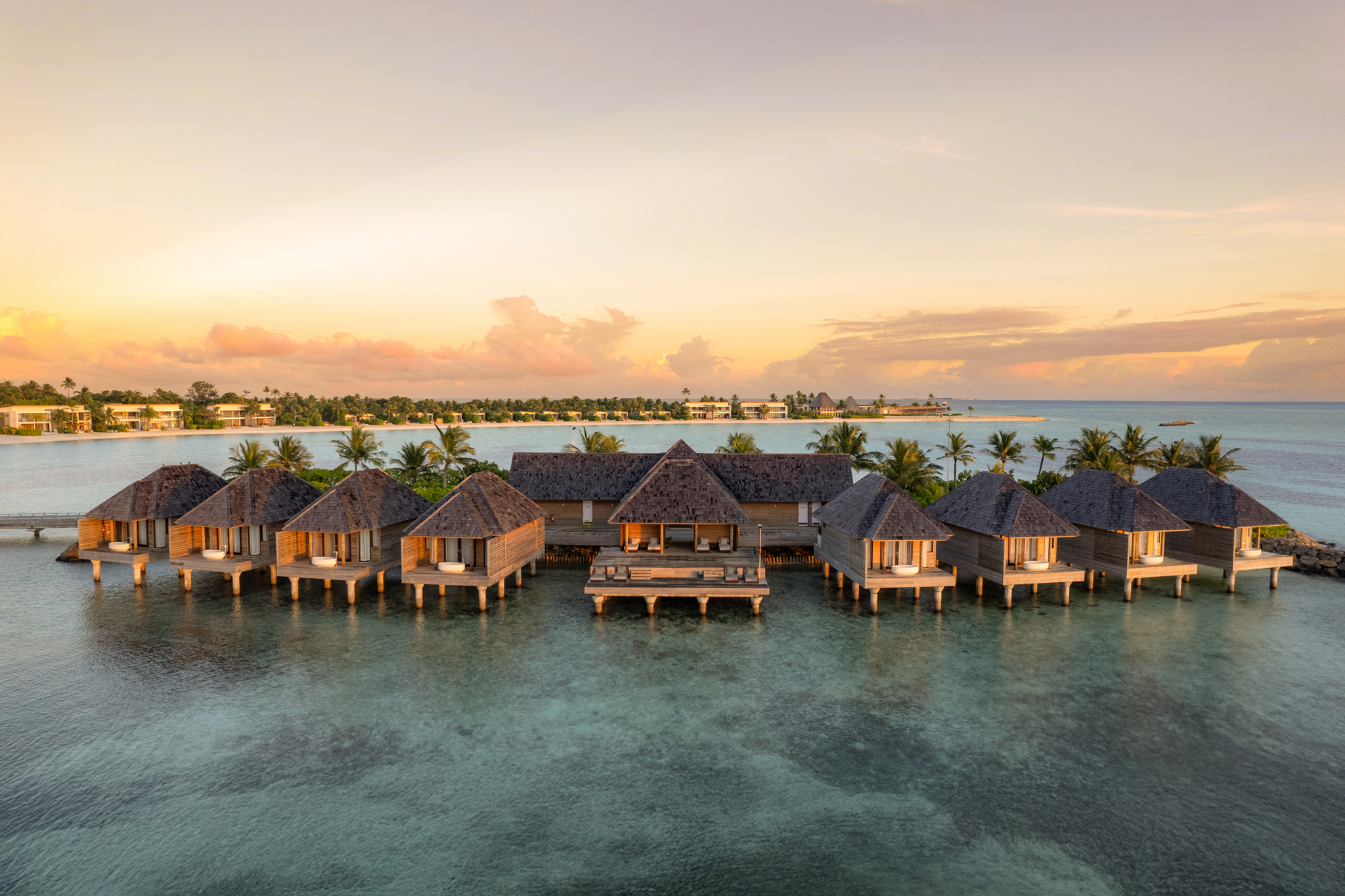
Kuda Villingili Resort Maldives has been included in the 2026 selection of the MICHELIN Guide, recognising the independently owned Maldivian resort for its hospitality, facilities and guest experiences.
The MICHELIN Guide’s hotel selection features properties from around the world, assessed against five criteria: connection to the destination, architecture and design, quality and consistency of service, authenticity and character, and value for the experience offered.
Located in North Malé Atoll, approximately 30 minutes by speedboat from Velana International Airport, Kuda Villingili features 75 villas, including 36 overwater villas, each equipped with a private pool. The resort caters to couples, families and groups of friends, offering accommodation and facilities designed to accommodate different guest preferences.
The resort offers eight dining experiences, an overwater spa, a 150-metre swimming pool, and a range of sports and wellness facilities. Its location near Chickens Break, one of the Maldives’ established surfing destinations, provides guests with access to surfing activities alongside other water-based experiences.
Kuda Villingili has also received Green Globe certification for the third consecutive year, reflecting its efforts in environmental sustainability and community engagement.
“Being selected for the MICHELIN Guide is a meaningful recognition for Kuda Villingili and, above all, for our team. Every day, our ambassadors bring warmth, care and individuality to the guest experience. This recognition reflects the passion behind what we have created together and encourages us to continue evolving while remaining true to who we are,” said Amjad Thaufeeg, Commercial Director of Kuda Villingili Resort Maldives.
The resort’s hospitality concept focuses on providing guests with flexibility to personalise their stays through activities including surfing, wellness, dining and family experiences, as well as opportunities for relaxation.
The inclusion in the MICHELIN Guide’s 2026 hotel selection represents another development for Kuda Villingili as it continues to position itself within the Maldives’ luxury hospitality sector under its brand philosophy, Time and Space Redefined.
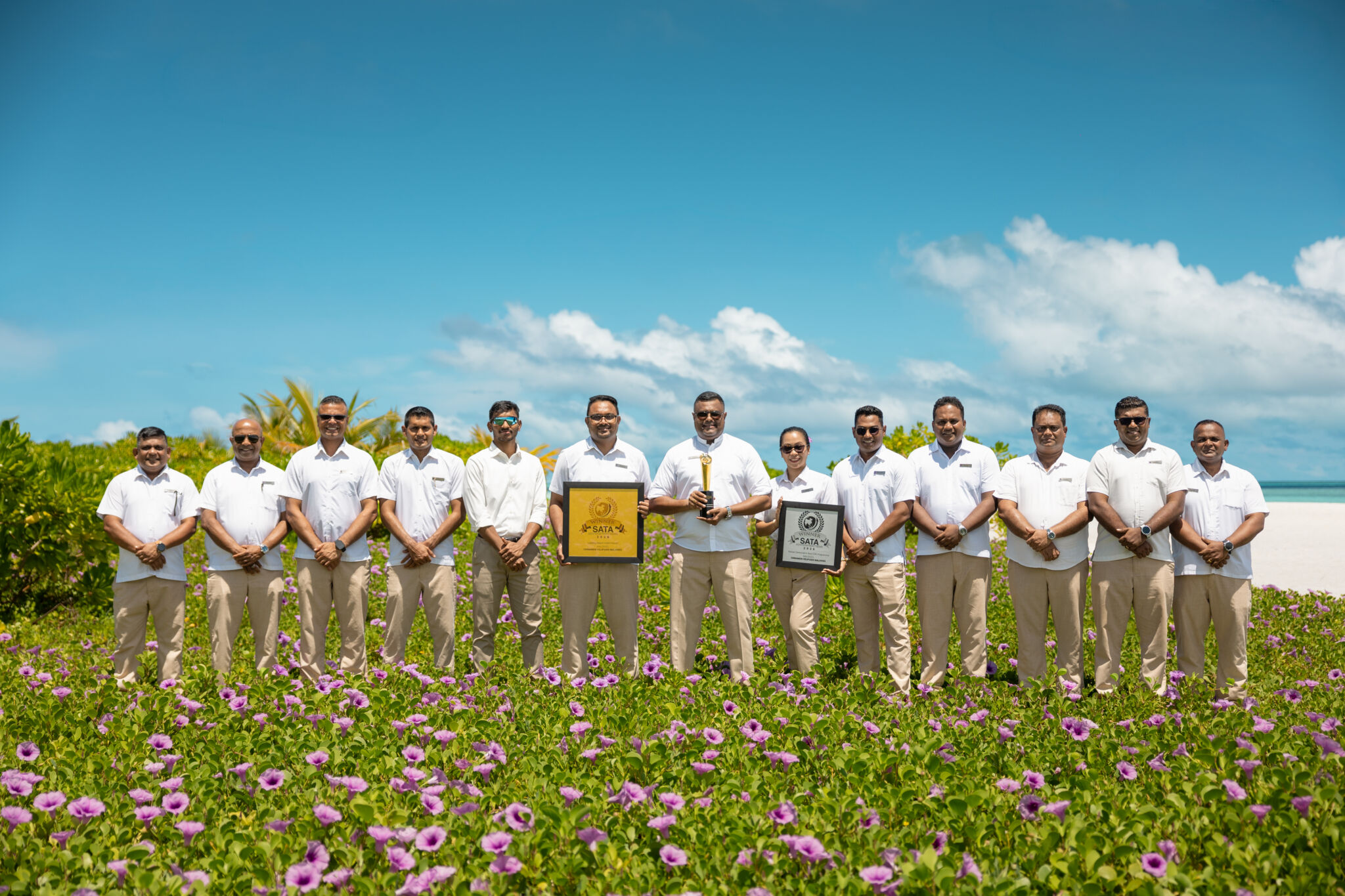
Cinnamon Hotels & Resorts Maldives has won three awards at the South Asian Travel Awards (SATA) 2026, with Cinnamon Dhonveli Maldives and Cinnamon Velifushi Maldives receiving recognition across three categories.
Cinnamon Dhonveli Maldives secured Gold in the Leading Surf Resort category for the eighth time and fourth consecutive year, while Cinnamon Velifushi Maldives retained Gold in the Leading Beach Resort category for the second consecutive year. Cinnamon Velifushi Maldives also received Silver in the Nishan Seneviratne Best CSR Programme category.
The 10th edition of SATA was held at Barceló Nasandhura Malé on 8 October 2026, recognising achievements across South Asia’s tourism and hospitality industry, including guest experiences, industry leadership and responsible tourism.
Located in North Malé Atoll, Cinnamon Dhonveli Maldives is home to the Pasta Point surf break, which attracts surfers from around the world. The resort’s eighth Gold award in the Leading Surf Resort category reflects its position among the Maldives’ surfing destinations. In addition to surfing, the resort offers water sports, wellness activities and other guest experiences.
“We remain committed to delivering memorable surf experiences and holidays in the Maldives,” said Marlon Robert, General Manager of Cinnamon Dhonveli Maldives.
Robert also acknowledged the continued support of guests, the international surfing community and the resort team in securing the recognition.
Cinnamon Velifushi Maldives received its second consecutive Gold award as Leading Beach Resort in recognition of its island setting, which features sandy beaches, a lagoon and a selection of beachfront and overwater accommodation. The resort also offers dining, wellness and recreational activities, providing guests with opportunities to explore the surrounding marine environment.
The resort’s Silver award in the Nishan Seneviratne Best CSR Programme category recognised its efforts to provide dive education and career development opportunities for young people from neighbouring island communities.
Implemented in partnership with Dive & Sail, the resort’s PADI-certified dive centre, the six-day programme enabled nine students aged between 16 and 18 from schools in Keyodhoo and Felidhoo to obtain PADI Open Water Diver certification.
The programme combined theoretical lessons, practical training and supervised dives to promote safe diving practices and reef conservation. It also introduced participants to potential career opportunities in marine tourism.
“These accolades reflect the dedication of our teams and the continued support of our guests, whose trust inspires us to keep raising the standard of our experiences,” said Sanjeeva Perera, Area General Manager, Cinnamon Maldives Resorts.
The three awards recognise the tourism experiences offered by Cinnamon Dhonveli Maldives and Cinnamon Velifushi Maldives, as well as Cinnamon Hotels & Resorts’ initiatives in environmental awareness and community engagement across its Maldives properties.

-

 Awards5 days ago
Cinnamon Maldives resorts celebrate triple win at SATA 2026
-

 Awards1 week ago
Atmosphere Core wins Leading Resort/Hotel Brand and Hospitality Development Company titles at SATA 2026
-

 Awards1 week ago
JEN Maldives Malé by Shangri-La recognised for business and urban hospitality at SATA 2026
-

 Awards1 week ago
Centara Grand Lagoon Maldives wins Best Luxury Resort Award at Asia Hotel Awards 2026
-

 News1 week ago
Alila Kothaifaru Maldives introduces ‘Tides of Wonder’ for festive season 2026
-

 Featured1 week ago
Reethi Faru Resort reveals festive line-up of dining, entertainment and island experiences
-

 News1 week ago
JOALI BEING celebrates five years with culinary and sports residencies
-

 Action7 days ago
Four Seasons Resorts Maldives honoured for 25 years of marine conservation efforts at HICAP 2026