

Featured
Thomas Weber: going back to roots at Diamonds Thudufushi, Diamonds Athuruga


Maldives tourism industry is growing exponentially. At least a dozen new resorts are coming into market every year, with major international hoteliers joining hands with up and coming Maldivian hoteliers to develop iconic properties that beat their counterparts around the world in luxury service.
Amidst this rapid growth, only a few resorts have maintained the original ‘cut off from the world’ experience that the Maldives championed. Amongst those that have stayed true to the origins are Diamonds Thudufushi and Diamonds Athuruga Beach and Water Villas.
Located in the South Ari Atoll, the two resorts feature elegant beach bungalows and white overwater villas that stand out in the turquoise lagoon. But unlike most resorts in the Maldives, these villas have no TVs. So, instead of staying in their villas, guests are always out and about, firing up conversations with others, enjoying drinks by the beach, going for a swim in the sea or playing beach volleyball — all in all, treating themselves to a unique, beach holiday experience.
The teams at Thudufushi and Athuruga, especially current General Manager Thomas Weber, take pride in this originality. In an interview with Maldives Insider, the Swiss hospitality veteran speaks about sticking to this fading concept, all the while fine tuning it to attract the evolving traveller.
Maldives Insider: Can you tell us a little bit about your journey in the hospitality industry?
Thomas Weber: I grew up in the tourism industry, in a small ski resort in Switzerland. There you don’t have much choice; it’s either hotel business, ski teaching or plumbing. So my career was clear even from the beginning.
I started as an apprentice chef after school and worked in different kitchens. From there, I went to hotel management school, which marked the beginning of my formal career in hospitality.
I left Switzerland in 1991 to work at Hilton Hong Kong as a Restaurant Manager. After that, I went onto work as the Senior Assistant F&B Manager at The Table Bay Hotel Cape Town in South Africa, followed by an F&B Manager posting at Hilton Nairobi. After about four years in Africa, I went to India to work as the Executive Assistant Manager at Leela Palace Kempinski in Goa. I spent a little over three years there before going back to South Africa in 2003 to take up my first General Manager position at Kurland Hotel and Polo Club.
Since then, I have served as the General Manager at Movenpick Resort Al Nawras in Jeddah, Movenpick Hotel and Spa in Bangalore, and Oberwaid Kurhotel and Privatklinik in Switzerland. And I’m finally here in Diamonds Thudufushi and Athuruga in the Maldives.

Diamonds Athuruga. PHOTO/ MALDIVES INSIDER
MI: How would you describe your initial experiences in the Maldives?
TW: Working in an island has always been on my bucket list. I have been here for over a year now, and everyday is just as exciting as it was the first day I arrived here. There are many challenges, especially with the logistics. It’s also a different lifestyle from when you work in a city hotel. I worked in India for a long time. So I’m very familiar with the culture and mindset of employees as well as the bureaucracy in place.
Our parent company Planhotel Hospitality Group is very established here in the Maldives. These islands have been in operation for 30 years and some of our team members have been here for over 20 or 25 years. So there is a soul here. Those were my first impressions of the Maldives.
MI: What makes Thudufushi and Athuruga stand out in the market?
TW: The culture and soul of these properties make us stand out. Our white water villas are a unique selling point as well, not just because they are big and spacious with two open-air decks, but because they are visually unique and appealing.
MI: How do you see the competition?
TW: The competition is strong. New resorts with new concepts and state-of-the-art facilities are coming up in unprecedented numbers. Travel trends are changing as well. So we have to constantly evolve and be on our toes all the time.
But we have a clear vision and a strategy; we are not following every new trend. We have a very strong base of repeater guests and they like this concept. We are keeping this concept as it is. We have no TVs in the rooms and we will keep it that way. We have no swimming pool and there will be no swimming pool. We stick to this originality. It’s important to keep in mind that we don’t cater to every segment.

Guests play beach volleyball in Diamonds Thudufushi. PHOTO/ MALDIVES INSIDER
MI: What are the steps being taken in light of the growing competition?
TW: Since our resorts are very well-established, we can’t make big changes and there is no need for that either. We just need to fine tune the product and add more details.
Over the past few years, we have added a new Japanese restaurant and several other dining options in both the resorts. The beach bars have also been changed to resemble that of a plaza area. We have installed a faster internet connection. Our maintenance programme is carefully managed, especially since we use a lot of white paint.
Apart from the simple yet important additions to the physical product, we are offering a lot of new experiences to our guests such as more beach dining and live cooking options.
Instead of trying to capture new markets, we concentrate mainly on the European market, where we are very strong. But even in those markets, we are investing heavily in attracting the younger generation of travellers. We are also in the Japanese honeymoon market, which is a very niche market for us. It will remain a priority.
MI: What is the next big change guests coming to Thudufushi and Athuruga will see?
TW: As of this Winter season, we are introducing a service that enables guests booking our water villas to personalise their room and stay. Before you arrive, you can choose different personalisation options on our website. Suppose if you want a yoga mat in your room, a private house reef snorkelling excursion, a special setup for your arrival or to prebook your restaurant or a massage you can just select those options and we will have everything ready for you by the time you arrive.
MI: Can you outline the efforts being made to implement the new service?
TW: The idea is to treat guests as if they are our friends. We want them to feel like they are arriving in their family holiday home, just like they go to their own private holiday home in the hills or in the woods. With our existing all-inclusive concept, you don’t have to worry about bills and so on. We want to extend this hassle-free holiday experience and create a home feel.
There is a software, which works on both ends. The guest can choose their preferred options via our website. They can identify complimentary options as well as services like private excursions that carry an additional charge. These options will be communicated to the room attendant’s mobile phone. For example, they will be able to see from their phone that the guest at water villa no. 29 doesn’t want alcohol in the minibar or if they want a specific kind of pillow.

Diamonds Athuruga. PHOTO/ DIAMONDS RESORTS
MI: Thudufushi and Athuruga are big on marine research. Can you highlight some of the initiatives?
TW: We have a long-standing cooperation with Bicocca University through which a PhD researcher is always based here in the island to conduct extensive research on corals. We partner with Manta Trust, whose researcher is also based in the island, and with the Olive Ridley Project. Additionally, we have established a coral regeneration project.
Our efforts also extend to in-house initiatives to reduce plastic and to increase awareness amongst our employees about eco-friendly practices. We train our employees on proper handling of plastic waste and waste management in general. Once a month, we also go to a nearby deserted island to clean the beach.
Our social responsibility programme is very comprehensive as well. We import equipments and donate them to schools in nearby islands. We bring in experts to conduct educational programmes for locals. For example, teachers from the gastronomic school in Switzerland conducted a 10-day programme in Mahibadhoo island in January for young locals to show them what they can expect in a resort, especially in F&B.
MI: What are your thoughts on the future of tourism in the Maldives?
TW: Maldives definitely holds a great potential. It’s a unique place and a dream of many people around the world. On these islands, you are away from the hassle and daily troubles of the city life and all the negativity in the world. You are on a totally isolated place where you can just relax.
In countries such as China and India, more and more people can now afford to travel. With the introduction of small hotels and guesthouses in the local islands and the increased air connectivity, more tourists across all segments of the market are going to come to the Maldives. More locals are going to benefit through tourism as more and more job opportunities are going to open up.

A water villa at Diamonds Athuruga. PHOTO/ DIAMONDS RESORTS
MI: What should be done by the industry to support this rapid expansion?
TW: We need to develop more locals to take over supervisory and managerial positions. The hotel school needs to expand, as this growth creates demand for young Maldivians. Hospitality is a very demanding job. Sometimes we have to work day in and day out. So the young generation should be made aware of these realities, so that they can be as passionate about serving others as we are.
At the same time, we have to give them opportunities. Working with an international company like Planhotel Hospitality Group, there is the opportunity to move abroad and work elsewhere. Suppose if a Maldivian chef wants to develop his skills, he can work at our property in Switzerland, Kenya or anywhere else. A perfect example of this cross-property training is our resident manager, who has worked at our properties in countries such as Switzerland, Zanzibar and Malindi. Our head barman was also recently taken to Italy for a wine tour.
I grew up in a small village in Switzerland, but I have travelled all over the world. The key is to try and never stop. If you want to be the biggest chef in the world, there is nothing stopping you. You can be where you want to be, if you try. In terms of following your dreams, there is no better industry than hospitality. If you are passionate about what you do, there is nothing that you can’t achieve in this industry!


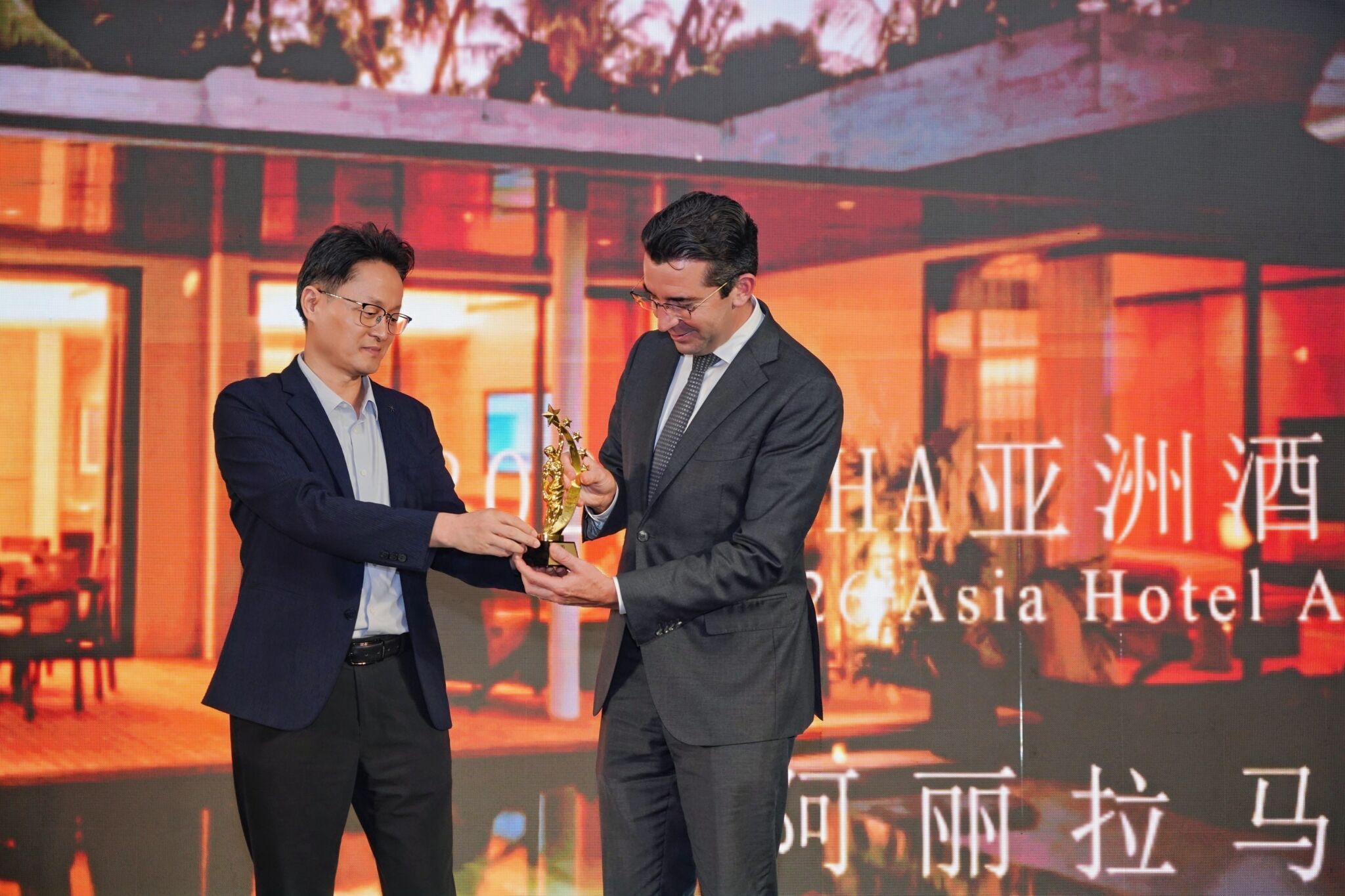
Alila Kothaifaru Maldives has been named Best Resort of the Year at the 2026 AHA Asia Hotel Awards, held at Capella Bangkok in Thailand. The recognition places the resort among leading hospitality properties across Asia, acknowledging its approach to luxury hospitality, guest experiences, design and service.
The award was presented during the 15th edition of the ceremony, which marked a milestone in the programme’s history. Established in 2010 by LIFESTYLE Magazine as the CHA China Hotel Awards, the programme expanded in 2026 to become the AHA Asia Hotel Awards, bringing together hotels and resorts from across the region.
The decision to host the gala in Bangkok for the first time reflected the programme’s broader ambition to recognise achievements in hospitality beyond China. The ceremony brought together hospitality leaders and industry representatives to celebrate achievements in luxury accommodation, resort experiences, design, wellness and service.
Alila Kothaifaru Maldives received the Best Resort of the Year award in recognition of its approach to providing guest experiences that combine contemporary design, personalised service and a connection to the island’s natural surroundings.
“To receive this recognition alongside some of Asia’s most respected hospitality names is a proud moment for all of us at Alila Kothaifaru Maldives,” said Thomas Weber, General Manager.
“Our island has its own character, and we have always believed that the most meaningful experiences come from allowing guests to discover it at their own pace. This award belongs to our team, whose care, dedication and genuine warmth bring that philosophy to life every day. We are equally grateful to our guests for choosing to share their time and special moments with us.”
Located in Raa Atoll, Alila Kothaifaru Maldives features 41 beachfront villas, 36 overwater villas, three two-bedroom beach villas and the Boduge Residence. Each accommodation category includes a private pool, with designs intended to offer privacy while maintaining a connection to the island’s landscape and surrounding Indian Ocean.
The resort offers a range of experiences centred on its location, including guided house reef exploration with marine experts, underwater activities and opportunities to learn about Maldivian traditions through cultural programmes.
Its dining experiences include seafood and international cuisine, as well as private dining arrangements on The Shack, a secluded sand cay. Spa Alila offers treatments and wellness programmes designed around relaxation and wellbeing.
“An award such as this reflects the dedication of many people working together, often through the smallest details that guests may never see,” said Jamal Ahmed, Resort Manager.
“We take great pride in creating an atmosphere where service feels personal and unforced, and where every guest feels genuinely welcomed. It is especially rewarding to see the efforts of our colleagues recognised on a regional stage.”
The latest recognition follows another achievement for Alila Kothaifaru Maldives in 2026, when the resort received the Tripadvisor Travellers’ Choice Award. The accolade places the property among the top 10 per cent of hotels worldwide based on traveller reviews and ratings.
The two awards recognise the resort’s performance from both industry and guest perspectives, reflecting its focus on service standards, guest satisfaction and experiences connected to the Maldivian environment.
Alila Kothaifaru Maldives continues to focus on delivering personalised hospitality, maintaining service standards and developing experiences that allow guests to explore the natural and cultural attractions of the Maldives.
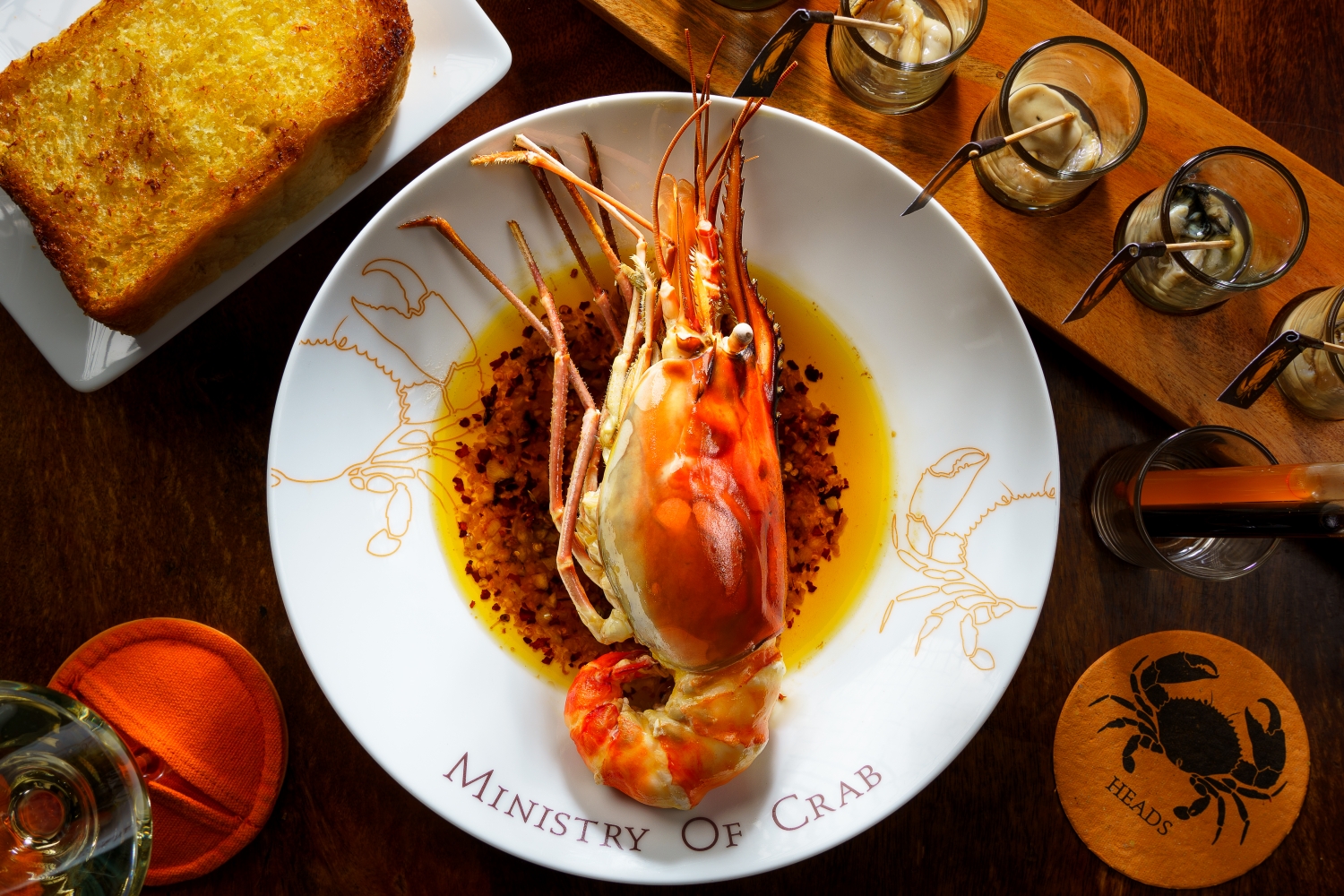
Barceló Nasandhura Malé has announced an exclusive two-night gastronomic pop-up collaboration featuring the celebrated flavours of Ministry of Crab at B.Heaven Rooftop on 13 and 14 November 2026.
Created by internationally acclaimed chef-restaurateur Dharshan Munidasa, Ministry of Crab is a distinguished fixture on Asia’s 50 Best Restaurants list. Known also for Carne Diem Grill at Crossroads Maldives, the country’s only restaurant featured in 50 Best Discovery this year, Chef Dharshan’s culinary philosophy will be brought to life in Malé through an extraordinary showcase of iconic Sri Lankan mud crab and freshwater prawn specialities.

Hosted against the panoramic ocean backdrop of B.Heaven Rooftop, this landmark commercial engagement brings Ministry of Crab’s world-renowned culinary philosophy to the Maldivian capital. Built on a foundation that prioritizes ingredient freshness above all else, Ministry of Crab operates under a strict “no-freezer” policy. The event will feature export-quality Sri Lankan mud crabs and majestic freshwater prawns flown in fresh for the two-day dining showcase.

“We are delighted to bring the iconic flavours to Barceló Nasandhura Malé this November,” said Enric Reina, Hotel Manager at Barceló Nasandhura Malé. “This partnership marks a significant milestone for both our hotel and the capital’s dining scene as we elevate the local epicurean landscape, offering our resident guests and Malé’s culinary connoisseurs a rare opportunity to experience award-winning gastronomy.”

Chef Dharshan Munidasa commented on the collaboration: “Maldives holds a special place in the regional food landscape, surrounded by the same pristine Indian Ocean waters that inspire much of my culinary work. Partnering with Barceló Nasandhura allows us to showcase our iconic Ministry of Crab signature dishes—from our Garlic Chili Crab to our hand-crushed Pepper Crab—alongside exclusive preparations crafted specifically for B.Heaven Rooftop.”
Over the course of this limited two-day engagement, guests will indulge in a curated menu highlighting Ministry of Crab’s flagship preparations.
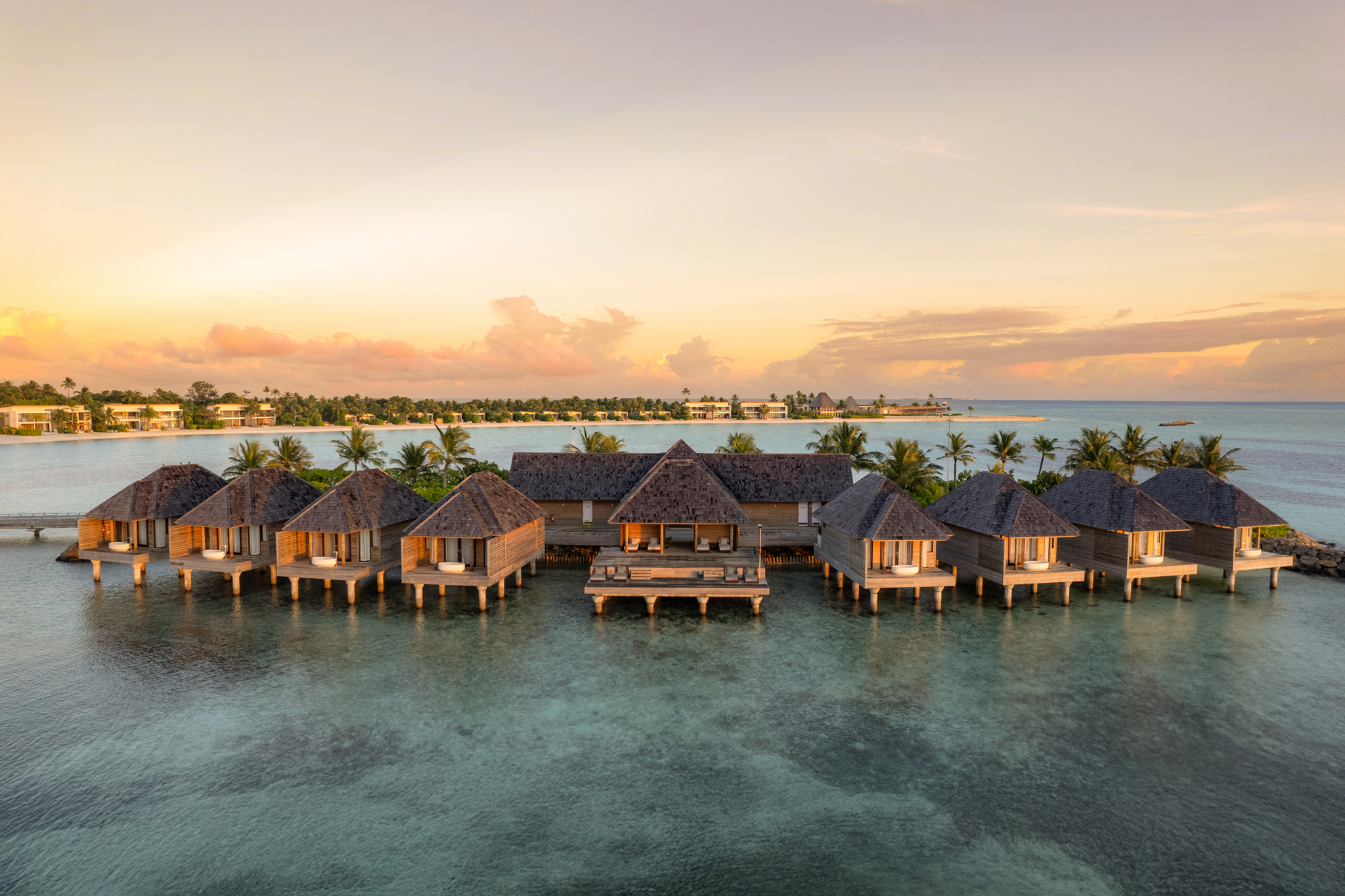
Kuda Villingili Resort Maldives has been included in the 2026 selection of the MICHELIN Guide, recognising the independently owned Maldivian resort for its hospitality, facilities and guest experiences.
The MICHELIN Guide’s hotel selection features properties from around the world, assessed against five criteria: connection to the destination, architecture and design, quality and consistency of service, authenticity and character, and value for the experience offered.
Located in North Malé Atoll, approximately 30 minutes by speedboat from Velana International Airport, Kuda Villingili features 75 villas, including 36 overwater villas, each equipped with a private pool. The resort caters to couples, families and groups of friends, offering accommodation and facilities designed to accommodate different guest preferences.
The resort offers eight dining experiences, an overwater spa, a 150-metre swimming pool, and a range of sports and wellness facilities. Its location near Chickens Break, one of the Maldives’ established surfing destinations, provides guests with access to surfing activities alongside other water-based experiences.
Kuda Villingili has also received Green Globe certification for the third consecutive year, reflecting its efforts in environmental sustainability and community engagement.
“Being selected for the MICHELIN Guide is a meaningful recognition for Kuda Villingili and, above all, for our team. Every day, our ambassadors bring warmth, care and individuality to the guest experience. This recognition reflects the passion behind what we have created together and encourages us to continue evolving while remaining true to who we are,” said Amjad Thaufeeg, Commercial Director of Kuda Villingili Resort Maldives.
The resort’s hospitality concept focuses on providing guests with flexibility to personalise their stays through activities including surfing, wellness, dining and family experiences, as well as opportunities for relaxation.
The inclusion in the MICHELIN Guide’s 2026 hotel selection represents another development for Kuda Villingili as it continues to position itself within the Maldives’ luxury hospitality sector under its brand philosophy, Time and Space Redefined.

-

 News7 days ago
.Here Baa Atoll completes two-island concept with opening of Nowhere Private Island
-

 Cooking1 week ago
Belgian Chef Wout Bru to bring exclusive dining experiences to Meyyafushi, Fushifaru Maldives
-

 News1 week ago
Patina Maldives announces Orthodox Christmas celebrations with Russian cuisine and live entertainment
-

 Cooking1 week ago
Award-winning Pastry Chef Elena Nabiullina brings contemporary pâtisserie to The Nautilus Maldives
-

 News7 days ago
Six Maldives spas operated by Mandara Spa recognised in global top 100 list
-

 Action7 days ago
Adaaran Select Hudhuran Fushi brings together 40 women for surfing, wellness retreat
-

 Cooking1 week ago
Barceló Nasandhura Malé partners with Ministry of Crab for rooftop dining experience
-

 News1 week ago
Atmosphere Hotels & Resorts introduces three distinct festive experiences in Maldives