

Featured
Face masks, health checks and long check-ins: the future of flying


Cabin crew in protective suits, health certifications for passengers, mandatory face masks, and longer check-in times.
This is the new reality of mass air travel.
As people dream of taking to the skies once more, they face the prospect that changes to curb the spread of coronavirus will be even more challenging than those brought in after the 2001 terror attacks in the United States.
In addition to the strict security measures commonplace around the world since then, passengers will now encounter a barrage of checks for COVID-19.
“Before the pandemic, we were told to arrive two hours before the flight. This time we had to be at the airport at least four hours before flying,” said Indonesian Suyanto after taking a domestic route in late May.
There were multiple queues and screenings before he could even check in at the airport, he added.
Passengers in the country must declare a reason for flying, provide documentation proving they are virus-free, undergo multiple screenings, and offer details of their movements on arrival.
“It was more tiring and expensive. With these kinds of strict rules, I think people will think twice before travelling,” said the 40-year-old, who had to pay double the usual fare for his short flight as some seats were left empty for social distancing.
As the aviation industry attempts to find a way forward, experts warn the impact of the pandemic will be far-reaching.
“9/11 created a new environment for the entire travel industry in terms of security,” explained Shukor Yusof from Malaysia-based Endau Analytics.
While the fallout from the 2001 attacks could be used as an “indicator” of what to expect, the COVID-19 challenge was a “far more serious… global event”, he said.
Defiant passengers
The United Nations’ civil aviation agency has drawn up a set of guidelines for safe flying in the wake of the pandemic, from mandatory wearing of masks to the disinfection of areas people come in contact with.
In addition, industry body the International Air Transport Association (IATA) has suggested governments collect passenger data — including health information — ahead of travel, and that access to airports be restricted to staff and same-day travellers.
Other measures outlined in their guidelines include the redesign of gate areas to reduce congestion, faster and smoother boarding and baggage collection procedures, and even “prohibiting queues for the washrooms” to limit passenger interaction.

“The COVID-19 crisis is the biggest disruption in the history of the aviation industry. The recovery is going to be long and slow,” Albert Tjoeng, regional spokesman for IATA, told AFP.
Implementing new regulations is already proving challenging — and chaotic.
While some US airlines require masks be worn in-flight, it has proven difficult to enforce this rule if passengers are defiant.
In India, which resumed domestic flights last week, some cabin crew wore protective suits with masks, plastic visors and blue rubber gloves, but, according to media reports, had no idea if they were supposed to quarantine post-flight.
Mumbai airport put in place social distancing rules but these quickly fell apart when angry travellers harangued staff after flights were cancelled last-minute.
The most hotly debated measure in the industry has been whether to leave middle seats empty.
Japan Airlines and Delta are among carriers doing so but Michael O’Leary, the boss of Irish low-cost airline Ryanair, has said the idea is “idiotic” and would stop his firm making money.
‘Travel bubbles’
The emergence of COVID-19, which was first reported in China last year and has since infected more than seven million people worldwide, brought air travel to an almost complete halt with entire fleets grounded and mass layoffs.
IATA forecasts international carriers are in line to make a combined net loss of more than $84 billion this year.
“We don’t know exactly how the trajectory of this recovery will look,” Singapore Airlines chief executive Goh Choon Phong said, after the carrier reported the first full-year loss in its 48-year history.
There are some signs of recovery as major economies ease lockdowns — with IATA pointing to a growth in flight numbers from April to May — but flying looks set to struggle to return to pre-virus levels.

A confusing patchwork of rules imposed by countries at different stages in tackling their outbreaks makes it tricky for consumers to plan holidays or visit family abroad.
Some nations are maintaining bans on travellers from hard-hit nations or requiring people to enter quarantine on arrival, typically for a 14-day period.
Countries that have kept the virus in check are looking at creating “travel bubbles”, or reciprocal agreements with other places on similar outbreak curves, but these can have onerous requirements.
A “fast lane” for essential business and official travel between some parts of China and Singapore has been launched, but travellers need sponsorship and have to take a virus test before departure and on arrival.
Many who previously flew frequently may simply choose not to for the time being.
Fazal Bahardeen, chief executive of Singapore-based Islamic travel specialist HalalTrip, told AFP: “If I have to go through all the hassle, I might as well not travel unless I really have to.”
Reporting and photos: AFP



Alila Kothaifaru Maldives has been named Best Resort of the Year at the 2026 AHA Asia Hotel Awards, held at Capella Bangkok in Thailand. The recognition places the resort among leading hospitality properties across Asia, acknowledging its approach to luxury hospitality, guest experiences, design and service.
The award was presented during the 15th edition of the ceremony, which marked a milestone in the programme’s history. Established in 2010 by LIFESTYLE Magazine as the CHA China Hotel Awards, the programme expanded in 2026 to become the AHA Asia Hotel Awards, bringing together hotels and resorts from across the region.
The decision to host the gala in Bangkok for the first time reflected the programme’s broader ambition to recognise achievements in hospitality beyond China. The ceremony brought together hospitality leaders and industry representatives to celebrate achievements in luxury accommodation, resort experiences, design, wellness and service.
Alila Kothaifaru Maldives received the Best Resort of the Year award in recognition of its approach to providing guest experiences that combine contemporary design, personalised service and a connection to the island’s natural surroundings.
“To receive this recognition alongside some of Asia’s most respected hospitality names is a proud moment for all of us at Alila Kothaifaru Maldives,” said Thomas Weber, General Manager.
“Our island has its own character, and we have always believed that the most meaningful experiences come from allowing guests to discover it at their own pace. This award belongs to our team, whose care, dedication and genuine warmth bring that philosophy to life every day. We are equally grateful to our guests for choosing to share their time and special moments with us.”
Located in Raa Atoll, Alila Kothaifaru Maldives features 41 beachfront villas, 36 overwater villas, three two-bedroom beach villas and the Boduge Residence. Each accommodation category includes a private pool, with designs intended to offer privacy while maintaining a connection to the island’s landscape and surrounding Indian Ocean.
The resort offers a range of experiences centred on its location, including guided house reef exploration with marine experts, underwater activities and opportunities to learn about Maldivian traditions through cultural programmes.
Its dining experiences include seafood and international cuisine, as well as private dining arrangements on The Shack, a secluded sand cay. Spa Alila offers treatments and wellness programmes designed around relaxation and wellbeing.
“An award such as this reflects the dedication of many people working together, often through the smallest details that guests may never see,” said Jamal Ahmed, Resort Manager.
“We take great pride in creating an atmosphere where service feels personal and unforced, and where every guest feels genuinely welcomed. It is especially rewarding to see the efforts of our colleagues recognised on a regional stage.”
The latest recognition follows another achievement for Alila Kothaifaru Maldives in 2026, when the resort received the Tripadvisor Travellers’ Choice Award. The accolade places the property among the top 10 per cent of hotels worldwide based on traveller reviews and ratings.
The two awards recognise the resort’s performance from both industry and guest perspectives, reflecting its focus on service standards, guest satisfaction and experiences connected to the Maldivian environment.
Alila Kothaifaru Maldives continues to focus on delivering personalised hospitality, maintaining service standards and developing experiences that allow guests to explore the natural and cultural attractions of the Maldives.
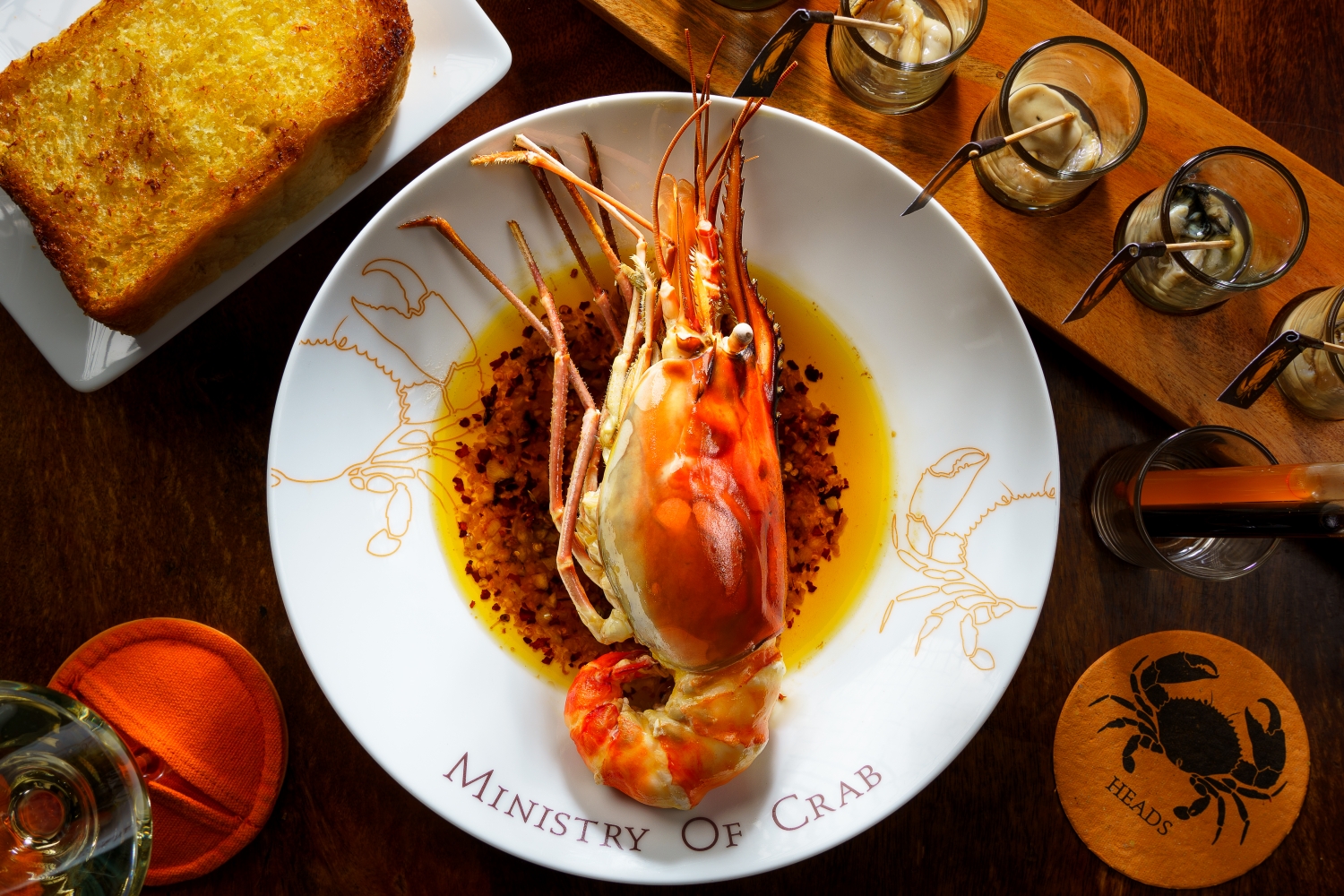
Barceló Nasandhura Malé has announced an exclusive two-night gastronomic pop-up collaboration featuring the celebrated flavours of Ministry of Crab at B.Heaven Rooftop on 13 and 14 November 2026.
Created by internationally acclaimed chef-restaurateur Dharshan Munidasa, Ministry of Crab is a distinguished fixture on Asia’s 50 Best Restaurants list. Known also for Carne Diem Grill at Crossroads Maldives, the country’s only restaurant featured in 50 Best Discovery this year, Chef Dharshan’s culinary philosophy will be brought to life in Malé through an extraordinary showcase of iconic Sri Lankan mud crab and freshwater prawn specialities.

Hosted against the panoramic ocean backdrop of B.Heaven Rooftop, this landmark commercial engagement brings Ministry of Crab’s world-renowned culinary philosophy to the Maldivian capital. Built on a foundation that prioritizes ingredient freshness above all else, Ministry of Crab operates under a strict “no-freezer” policy. The event will feature export-quality Sri Lankan mud crabs and majestic freshwater prawns flown in fresh for the two-day dining showcase.

“We are delighted to bring the iconic flavours to Barceló Nasandhura Malé this November,” said Enric Reina, Hotel Manager at Barceló Nasandhura Malé. “This partnership marks a significant milestone for both our hotel and the capital’s dining scene as we elevate the local epicurean landscape, offering our resident guests and Malé’s culinary connoisseurs a rare opportunity to experience award-winning gastronomy.”

Chef Dharshan Munidasa commented on the collaboration: “Maldives holds a special place in the regional food landscape, surrounded by the same pristine Indian Ocean waters that inspire much of my culinary work. Partnering with Barceló Nasandhura allows us to showcase our iconic Ministry of Crab signature dishes—from our Garlic Chili Crab to our hand-crushed Pepper Crab—alongside exclusive preparations crafted specifically for B.Heaven Rooftop.”
Over the course of this limited two-day engagement, guests will indulge in a curated menu highlighting Ministry of Crab’s flagship preparations.
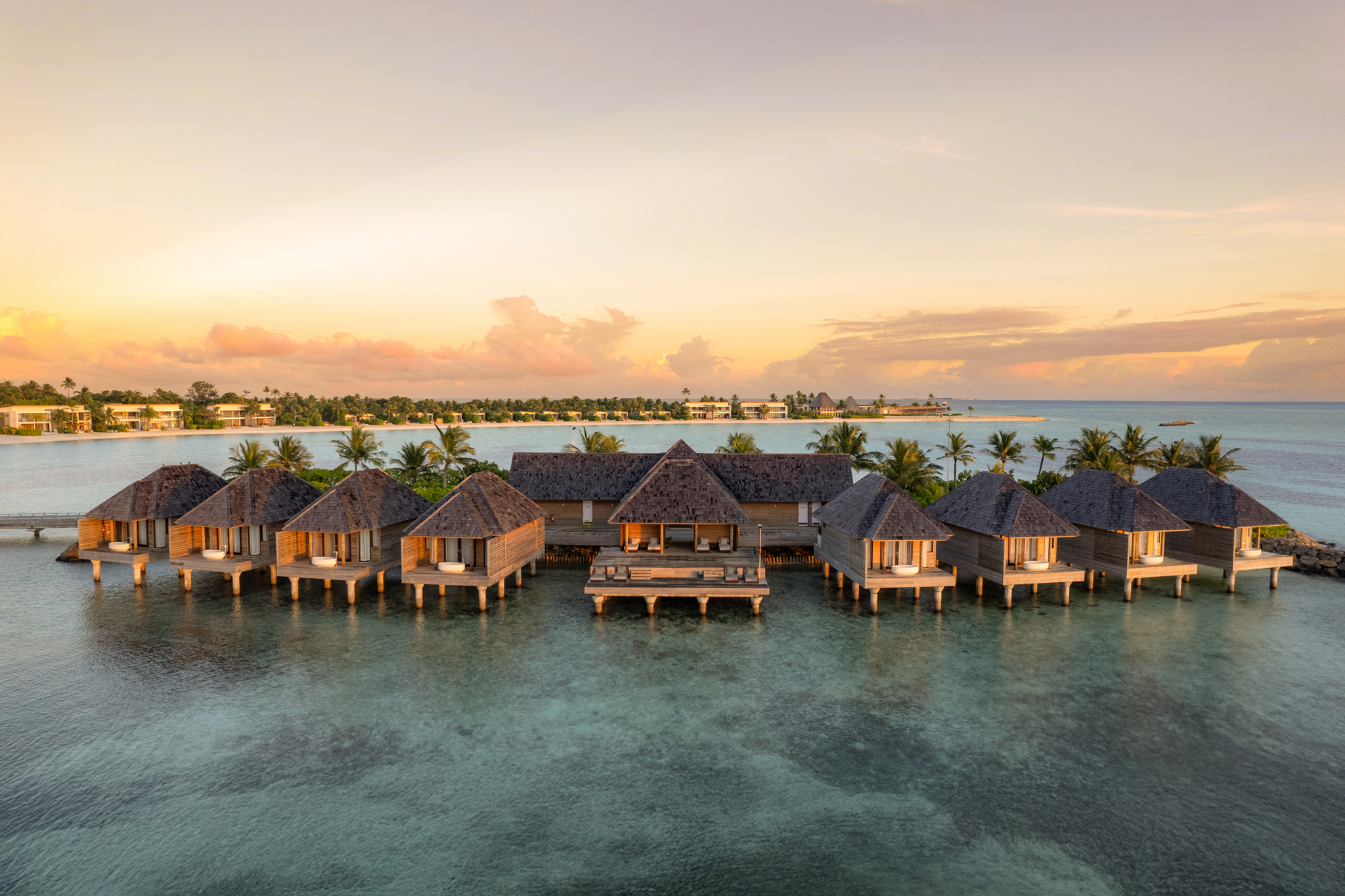
Kuda Villingili Resort Maldives has been included in the 2026 selection of the MICHELIN Guide, recognising the independently owned Maldivian resort for its hospitality, facilities and guest experiences.
The MICHELIN Guide’s hotel selection features properties from around the world, assessed against five criteria: connection to the destination, architecture and design, quality and consistency of service, authenticity and character, and value for the experience offered.
Located in North Malé Atoll, approximately 30 minutes by speedboat from Velana International Airport, Kuda Villingili features 75 villas, including 36 overwater villas, each equipped with a private pool. The resort caters to couples, families and groups of friends, offering accommodation and facilities designed to accommodate different guest preferences.
The resort offers eight dining experiences, an overwater spa, a 150-metre swimming pool, and a range of sports and wellness facilities. Its location near Chickens Break, one of the Maldives’ established surfing destinations, provides guests with access to surfing activities alongside other water-based experiences.
Kuda Villingili has also received Green Globe certification for the third consecutive year, reflecting its efforts in environmental sustainability and community engagement.
“Being selected for the MICHELIN Guide is a meaningful recognition for Kuda Villingili and, above all, for our team. Every day, our ambassadors bring warmth, care and individuality to the guest experience. This recognition reflects the passion behind what we have created together and encourages us to continue evolving while remaining true to who we are,” said Amjad Thaufeeg, Commercial Director of Kuda Villingili Resort Maldives.
The resort’s hospitality concept focuses on providing guests with flexibility to personalise their stays through activities including surfing, wellness, dining and family experiences, as well as opportunities for relaxation.
The inclusion in the MICHELIN Guide’s 2026 hotel selection represents another development for Kuda Villingili as it continues to position itself within the Maldives’ luxury hospitality sector under its brand philosophy, Time and Space Redefined.

-

 Cooking1 week ago
Belgian Chef Wout Bru to bring exclusive dining experiences to Meyyafushi, Fushifaru Maldives
-

 News1 week ago
.Here Baa Atoll completes two-island concept with opening of Nowhere Private Island
-

 News1 week ago
Patina Maldives announces Orthodox Christmas celebrations with Russian cuisine and live entertainment
-

 Cooking1 week ago
Award-winning Pastry Chef Elena Nabiullina brings contemporary pâtisserie to The Nautilus Maldives
-

 News7 days ago
Six Maldives spas operated by Mandara Spa recognised in global top 100 list
-

 Action7 days ago
Adaaran Select Hudhuran Fushi brings together 40 women for surfing, wellness retreat
-

 Cooking1 week ago
Barceló Nasandhura Malé partners with Ministry of Crab for rooftop dining experience
-

 News1 week ago
Atmosphere Hotels & Resorts introduces three distinct festive experiences in Maldives