

Featured
Learning to live with Covid-19

By Sonu Shivdasani
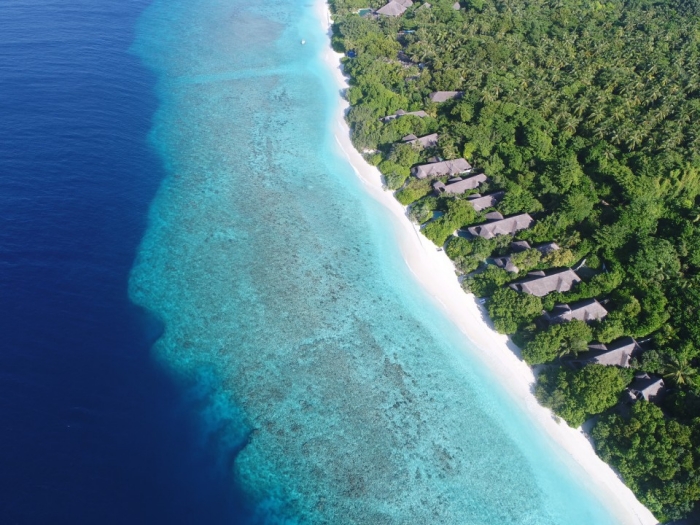
As lockdowns go, we mustn’t complain. My wife, Eva, and I have been marooned on Soneva Fushi — the luxury resort we own in the Maldives — for the past four months, alongside some 70 foreign guests, who stayed on as the country closed its borders, rather than risk going back home. Free to roam our castaway island paradise, life tends to revolve around morning yoga, afternoon swims, and sunset cocktails overlooking the turquoise waters of the Indian Ocean.
The other day, as I was taking my swim in the lagoon, I came eyeball-to-eyeball with a two-metre-long reef shark. In my twenty-five years living on Soneva Fushi, I have never seen such a big shark swimming so close to shore. In other parts of the world, lockdowns have led to goats, swans and wild boar taking over village greens and town centres. In the Maldives, it’s the (harmless) sharks, dolphins and manta rays that are enjoying a holiday without humans.
As enjoyable as my lockdown has been, it is surely time for it to come to an end. Very few have been as fortunate as I. For most people, in the Maldives and other countries that imposed drastic restrictions to contain the virus, the economic and social costs of being locked down have been terribly high.
Moreover, as the weeks pass, and our understanding of Covid-19 improves, it is clear that, while potentially lethal for older people and those with underlying health complications, for healthy, younger people, the chance of dying from the virus is vanishingly small. In badly hit parts of New York City, for instance, where infection rates were as high as 25 per cent, for those under 45 years the survival rate was 99.98 per cent.
As new information pours in from around the world, and we develop a more nuanced understanding of Covid-19, our measures to control the virus must also become more sophisticated. General lockdowns and international border closures – which are devastating huge chunks of the economy, and the lives and livelihoods of hundreds of millions of people – don’t make sense, when rapid testing, contract tracing, and good hygiene are so effective at preventing the virus’s spread — and when the virus poses such a tiny threat to young and middle-aged people.
The greatest fear is fear itself.
Franklin D. Roosevelt
Perhaps one of the biggest obstacles to easing the lockdown is fear. The world’s newspapers and TV stations have gorged on the coronavirus, producing blanket coverage of mortality rates and other frightening details. Not surprisingly, the ‘danger indicator’ that sits in the left side of our brains remains on high alert. Like a thermometer, once the danger indicator rises, it takes a lot of shaking with facts and reason to bring it back down.
To quote Hans Rosling: “We need to learn to control our drama intake. Uncontrolled, our appetite for the dramatic goes too far, prevents us from seeing the world as it is, and leads us terribly astray.”
Here are some facts to reduce our intake of drama, and temper our fears of Covid-19:
- Due to a misunderstanding of the true extent of the infection in China, initial projections of a 3-5 per cent fatality rate were far too high.
- Many countries vastly overstated their likely number of deaths. Uppsala University in Sweden, for instance, predicted 90,000 deaths in one month, but Sweden has had a total of 4,800 virus deaths to date.
- Likewise, on the 29 March, Columbia University issued a report highlighting a need for 136,000 hospital beds in New York City. In the end, 12,000 sufficed.
- According to recent research by the United States Biodefence and Countermeasures Centre, the half-life of the Covid-19 virus in mild conditions such as 75oF and 25 per cent humidity is 18 hours. But when the temperature rises to 95oF and the humidity rate increases to 80 per cent (conditions found in the Maldives and other tropical countries), the half-life reduces to 1 hour.
- According to the United States Centre for Disease Control (CDC), there are no documented cases of a person becoming infected from a surface contaminated with Covid-19. Yet, every hotel and resort mini-film I have watched about reopening – including our own – has footage of an employee diligently wiping down surfaces.
- A Hong Kong study, involving an analysis of 7,324 cases in China, identified 318 distinct outbreaks, all but one of which occurred indoors. This suggests the risk of catching Covid-19 outdoors is low.
I attach a graph produced by Sir David Spiegelhalter of Imperial College, London.

Prof. Spiegelhalter highlights in the graph that coronavirus roughly doubles your chance of death once you hit around 40. While that might sound scary, we have to bear in mind that the risk of death for those under 45 or so is extremely low – 0.1 per cent per year. A 40-year-old with coronavirus therefore has a risk of death of about 0.2 per cent, rather than 0.1 per cent.
There has been much controversy over the Swedish approach to the virus, which involved far less restrictive measures compared with other European countries. The below table, from Worldometer last week, shows that Sweden suffered lower deaths per capita than countries that enforced strict lockdowns.

Our understanding of, and knowledge of how to treat the virus has evolved considerably since those dark days at the beginning of the year:
There have been breakthroughs in treating Covid-19 by the medical world: Gilead with Remdesivir, and the Dana-Farber using Ibrutinib which avoided cancer patients from needing to be hospitalised.
There is also the example of my Oncologist, Dr Abdul Kadir Slocum (I was diagnosed with stage-four cancer at the end of 2018. Dr Slocum cured me by traditional chemotherapy, alternate wellness remedies.
As Dr. Slocum recently wrote to us:
“I’m not a frontline Covid physician but unfortunately when some of our cancer patients got Covid I treated them together with my colleagues. We used anti-coagulants, antibiotics, and anti-virals as conventional therapeutics together with high dose vitamin C, Andrographis, thyme extract etc. as complementary therapies and all of our patients have gotten better with such treatment.”
The low fatality rate for those who are healthy and not old, the limitations of the virus’s spread, and the improvements in testing and treatment, means that we have the opportunity to return to (almost) normal, albeit with robust measures in place to protect vulnerable groups.
The importance of protecting vulnerable groups should not be taken lightly. Let me flash back to 1979, when I was 13. My morning ritual with my father was to drive to the local tennis club and play a game before breakfast. On that particular morning, halfway through play, my father sat down, short of breath. He asked me to practice against the wall while he recovered his breath. An hour later, he died of a heart attack. To this day, I wonder whether if we had skipped that morning ritual, he wouldn’t have died. The worry that one might have had an impact on reducing the life of one’s parent is something that I would not want to wish on anyone else. We must not make a similar mistake over coronavirus, as we reopen our economies we must consider adequate protection for older and vulnerable people.
How do we start on the road to recovery? To start with, we should maintain the personal hygiene habits that the virus has taught us, such as frequently washing hands, and following the traditional Asian courtesy of wearing a mask if you feel unwell. These habits will also reduce the incidence of other viruses such as seasonal flus and colds.
Above all, new investments in health infrastructure put in place over the past 12 weeks, such as more hospital capacity, extensive and rapid testing, and sophisticated contact tracing, means that blunt control tools, such as lockdowns, can now be relaxed before they destroy ever larger parts of the economy.
Then, we just need to work on our fear, which, in the final analysis, may have caused more damage than the virus itself.
Editor’s Note: This op-ed was originally published on Linkedin by Sonu Shivdasani. Sonu is the founder and CEO of Soneva, which owns luxury resorts Soneva Fushi and Soneva Jani in the Maldives, and Soneva Kiri in Thailand.


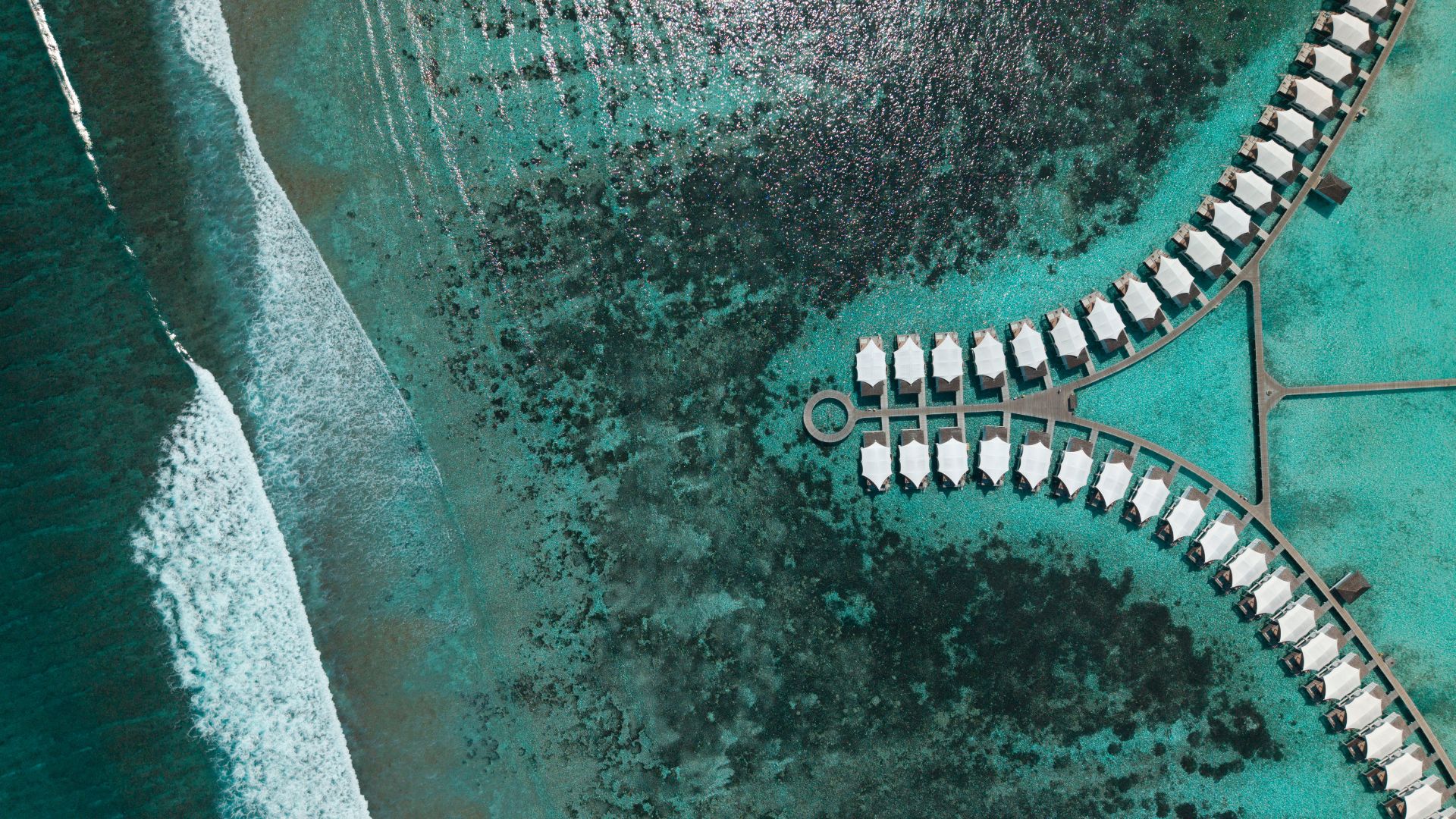
Cinnamon Hotels & Resorts Maldives has introduced a summer offer aimed at travellers seeking longer stays across its four island resorts.
Guests booking stays of seven nights or more will receive complimentary return transfers for two people, while shorter stays will include complimentary one-way transfers. At participating resorts, up to two children under the age of 12 can also stay and dine free.
The offer includes savings on selected excursions and activities and is available for bookings and stays until 31 October 2026.
Guests who book directly through Cinnamon Hotels & Resorts Maldives will have access to additional benefits, including options to personalise their stays with beach dining, spa treatments and island activities. Members of the brand’s loyalty programme will receive further savings and earn double Discovery Dollars during the promotional period.
Cinnamon Dhonveli Maldives offers beachfront accommodation, a range of activities and speedboat transfers from Malé. Its accommodation and family-focused programmes are designed for guests seeking a combination of recreation and time together.
Cinnamon Velifushi Maldives provides accommodation, dining options, wellness services and water-based activities within an island setting. The resort caters to couples, families and travellers visiting the Maldives for the first time.
Cinnamon Hakuraa Huraa Maldives, located across two islands in Meemu Atoll, is positioned for couples and honeymooners. Guest experiences include sunset dining, spa treatments and access to the surrounding lagoon.
Ellaidhoo Maldives by Cinnamon caters to divers and snorkellers through its house reef, marine life and access to dive sites. The resort provides direct access to underwater experiences in the Indian Ocean.
The summer offer provides savings of up to 65% across Cinnamon Hotels & Resorts Maldives’ four properties.
JOALI Maldives has been recognised in two categories at the Travel + Leisure Luxury Awards Asia 2026, receiving honours among the Best Resorts in the Maldives and for the Most Outrageous Villa.
The recognition reflects the resort’s Creative Living philosophy, which brings together art, nature, wellbeing, sustainability and hospitality within the guest experience.
Located in Raa Atoll, approximately 45 minutes by seaplane from Malé, JOALI Maldives opened as the Maldives’ first art-immersive luxury resort. Art installations, dining experiences, wellbeing programmes and accommodation are integrated across the island as part of its approach to resort living.
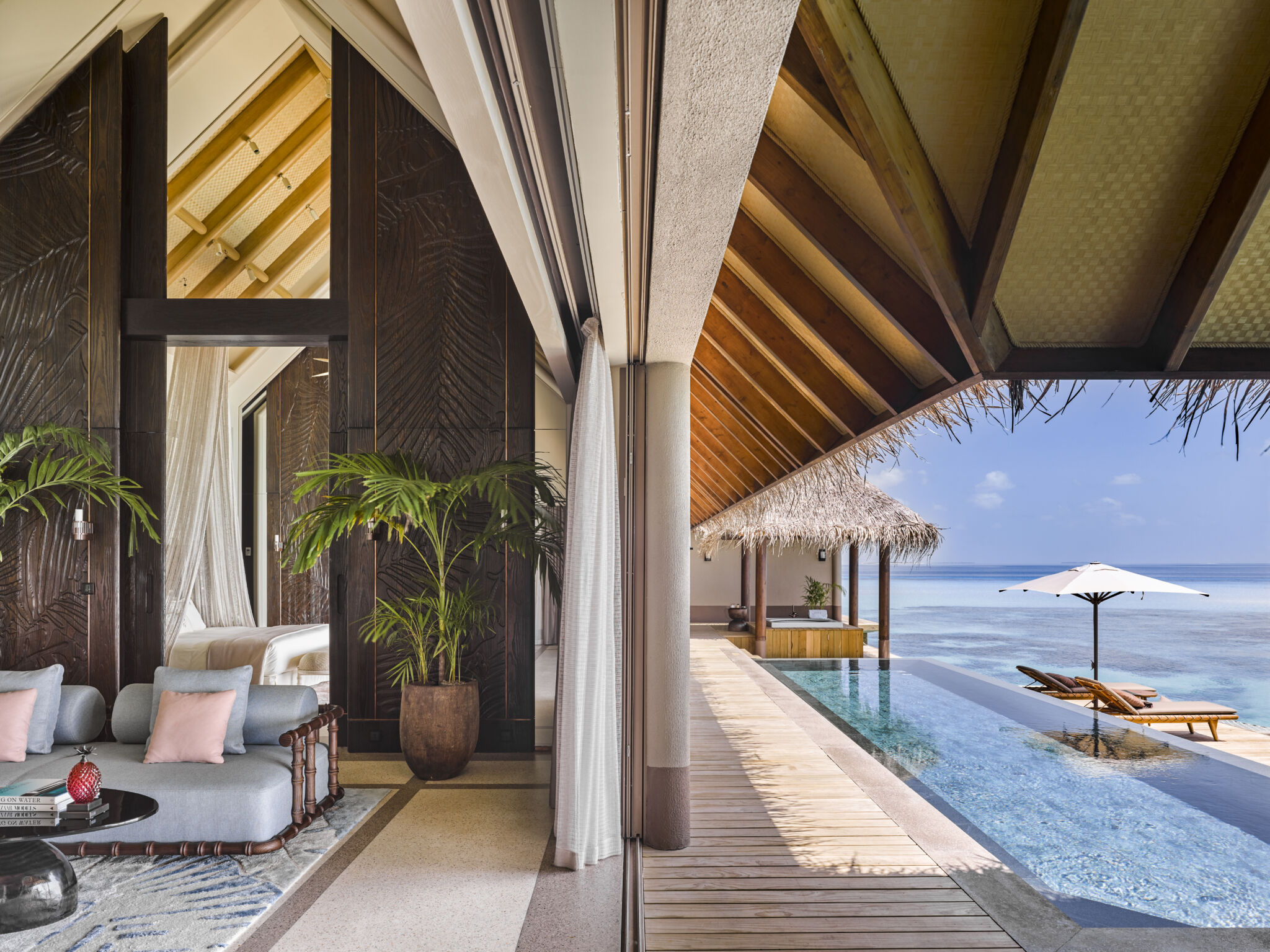
The property features 73 beach and overwater villas and residences, positioned across the island and above the Indian Ocean. The accommodation has been designed to provide privacy, space and access to views of the surrounding environment.
Each villa combines contemporary design with materials including timber, marble, bamboo and terrazzo, as well as handcrafted finishes. Floor-to-ceiling glass provides views of the ocean, while private pools connect the indoor and outdoor spaces.
Artworks and design pieces are also incorporated into each villa, reflecting the resort’s Creative Living concept and extending the art experience into the accommodation.
Guests can choose from Beach Villas, Water Villas and multi-bedroom Residences, with options designed for couples, families and groups. The larger residences provide additional living areas, pools and facilities for guests seeking more space and privacy.
Each villa is supported by a dedicated Jadugar, a term used by the resort to describe its butler service. The Jadugar assists guests throughout their stay by arranging dining experiences, island activities, celebrations and other personalised services.
Guests are also provided with bicycles to explore the island’s pathways, gardens and viewpoints.
JOALI Maldives said the awards reflected the work of its team and the support of its guests, partners and wider community. The resort also said it would continue developing experiences focused on creativity, wellbeing and connection.
The recognition adds to JOALI Maldives’ position within the Maldives’ luxury resort sector, where its art-led design and Creative Living philosophy form the basis of its guest experience.
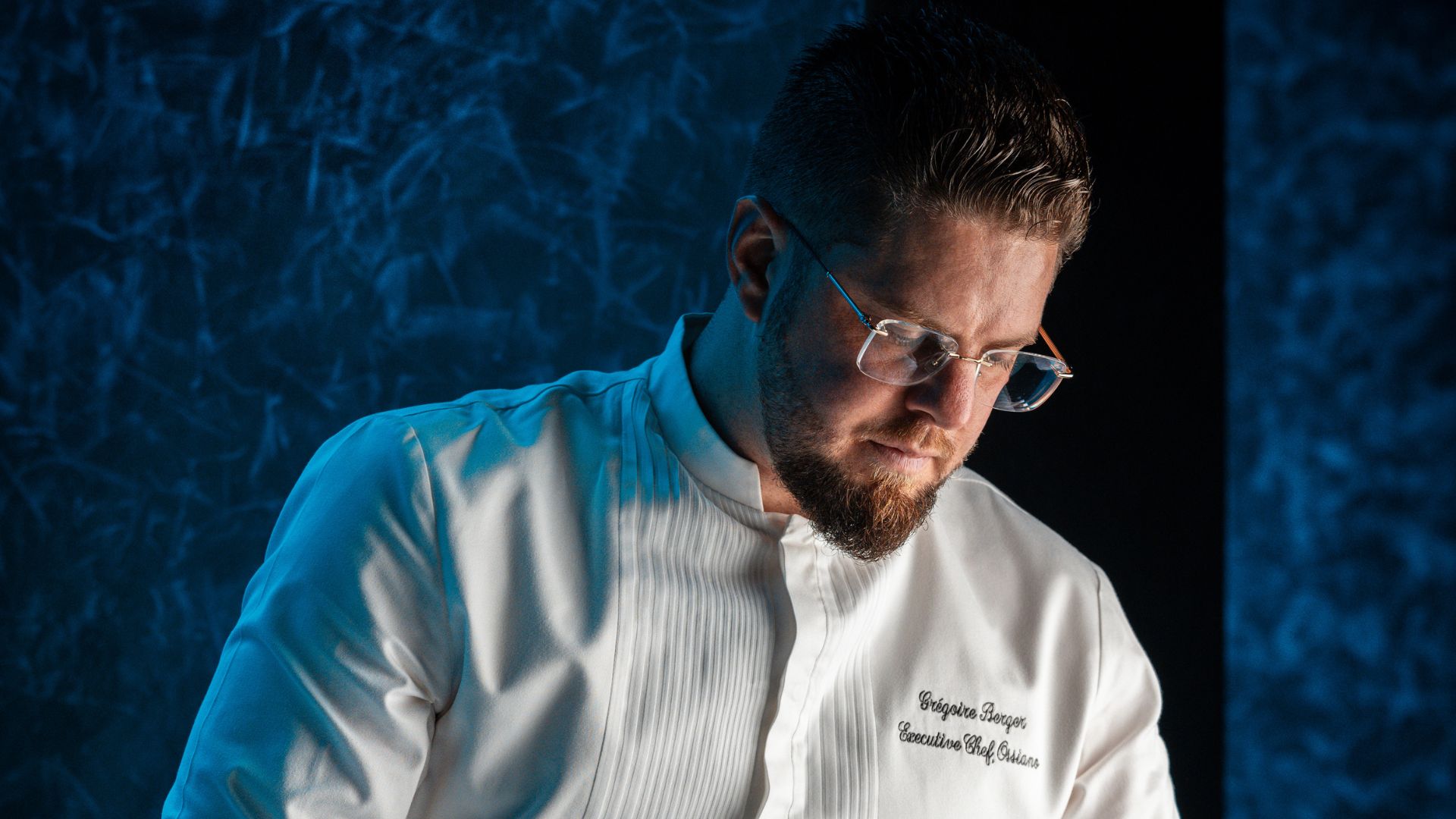
Lily Beach Resort & Spa has announced a culinary collaboration with Chef Grégoire Berger, chef and co-owner of the Dubai restaurant Kraken.
Known for progressive French cuisine influenced by the ocean, Berger has received a Michelin star in the Michelin Guide Dubai from 2022 to 2024. His restaurant has also been included among the World’s 50 Best Restaurants, while his work has received recognition through several international culinary awards.
Berger’s approach draws on the sea as a source of ingredients, ideas and presentation. His menus combine French culinary techniques with marine influences, with each dish developed around a narrative connected to the ocean.
As part of his visit to Lily Beach in August 2026, Berger will host a fine-dining dinner for a limited number of guests. He will also introduce a signature dish at AQVA Bar & Restaurant during the collaboration.

The programme forms part of Lily Beach’s efforts to expand its culinary offering and introduce visiting chefs and dining concepts to guests in the Maldives.
Located in South Ari Atoll, the resort will provide guests with an opportunity to experience Berger’s cuisine within its all-inclusive hospitality concept. The collaboration will combine his Michelin-recognised approach with the resort’s existing food and beverage programme.
Lily Beach Resort & Spa has established its hospitality offering around its premium all-inclusive model, supported by a range of dining venues. Its restaurants offer overwater dining, international buffet selections, seafood and Asian-inspired dishes.
The resort’s culinary programme is supported by the Platinum Plan, an all-inclusive package that includes dining experiences, a selection of wines and spirits, excursions and personalised services.
Through the collaboration with Berger, Lily Beach aims to add another dining experience to its guest programme while continuing to develop its position within the Maldives’ luxury hospitality market.

-

 Awards1 week ago
Wine Spectator recognises Ralu and Baani at Heritance Aarah
-

 News1 week ago
Grand Park Kodhipparu unveils connection-focused festive programme
-

 News1 week ago
Dusit Thani Maldives refreshes villas, website and guest experience
-

 Action1 week ago
InterContinental Maldives elevates active luxury with new padel court
-

 Awards6 days ago
Fashion Travel Awards name Madifushi Maldives’ best elegant private island
-

 Lifestyle5 days ago
British designer Matthew Williamson to host residency at Finolhu Maldives
-

 Awards6 days ago
Crown & Champa Resorts earns multiple Tripadvisor awards
-

 Awards6 days ago
Milaidhoo Maldives honoured with Forbes VERIFIED™ Responsible Hospitality badge