

Featured
Virus traps poor foreign workers in deserted Maldives


Tens of thousands of impoverished foreign labourers have been left stranded and ostracised in one of the world’s most densely packed cities as the tourist paradise of the Maldives battles coronavirus.
The turquoise waters and pristine beaches that draw honeymoon couples from around the world have been empty for weeks since a government order to close all resorts. That has left an army of migrant workers jobless.

Like Singapore, which recorded a large number of coronavirus cases among migrants living in tightly-packed dorms, the Maldives is heavily dependent on foreign labour.
About half of the 150,000 people in the two square kilometres that make up the capital, Male, are workers from Bangladesh, India and Sri Lanka living in teeming alleys that are a haven for the virus.
“There is huge uncertainty and panic,” said Zakir Hossain, 39, who had worked in a Male restaurant until March’s shutdown.
He said he has not been paid for more than two months.
“We are worried about the disease. All the Bangladeshi workers live in congested conditions,” he said.
Like many migrants — who share rooms and even beds between shifts — Hossain lives in a single room on a backstreet with four other Bangladeshis.
Outside, security forces stop the labourers going out on the streets.
Authorities acknowledge conditions in Male for foreign workers are poor, and say they are moving thousands into better housing out of the capital.
But opposition politicians have criticised the plans, labelling the treatment of such workers as “inhuman”.
Family fears
The Maldives has recorded nearly 1,400 coronavirus infections among a population of 340,000, a much higher ratio than neighbouring Sri Lanka with 22 million people.
Some experts have warned the Maldives risks thousands more cases unless action is taken. Authorities say the infection spreads three times faster in migrant communities than in the local population.
Fears are growing for the health and welfare of these foreign workers, who are often brought in to clear refuse, clean dishes and do other essential jobs that locals reject.
Four coronavirus deaths have been reported so far, including one Bangladeshi, but rumours that hundreds of foreigners have the virus have compounded concerns among migrants.
Many are also worried about their families back in Bangladesh, also in the grip of a pandemic lockdown amid rising deaths.
“We need money to survive. We need our work,” said Hossain, who managed to send about 80 per cent of his $180 a month wage back to his wife and four children before the outbreak.
But others were not so fortunate. Anwar Hosain, a 42-year-old Bangladeshi carpenter and father of five, said he was owed about $1,800 by his employers.
“My wife calls me every day and cries. What can I do?”
What next?
The government has moved 3,000 foreign workers to a temporary shelter on the industrial island of Gulhi Falhu outside Male.

Thousands more are to follow but the main opposition Progressive Party of Maldives (PPM) has described the facilities as prisons. Labourers are barely allowed out and their rooms do not even have fans in the peak summer heat, when temperatures climb above 30 degrees Celsius (86 Fahrenheit).
“The treatment of these expatriates, mostly Bangladeshi nationals, is inhuman,” PPM spokesman Mohamed Hussain Shareef told AFP.
Government spokesman Mabrook Azeez said authorities had built the housing in a bid to ease overcrowding in Male.
“This is not the condition we want our labourers to live in,” he told AFP.
Roughly a thousand Bangladeshis staying illegally in the Maldives have been repatriated, minister for foreign affairs Abdullah Shahid said on Sunday. India has taken back 4,000 people who lost their jobs.
Those left are increasingly despondent.
“I heard that if a Bangladeshi worker dies here, they don’t send his body back and he is buried here. I am worried what will happen if I die,” said Hossain.
Reporting and photos: AFP


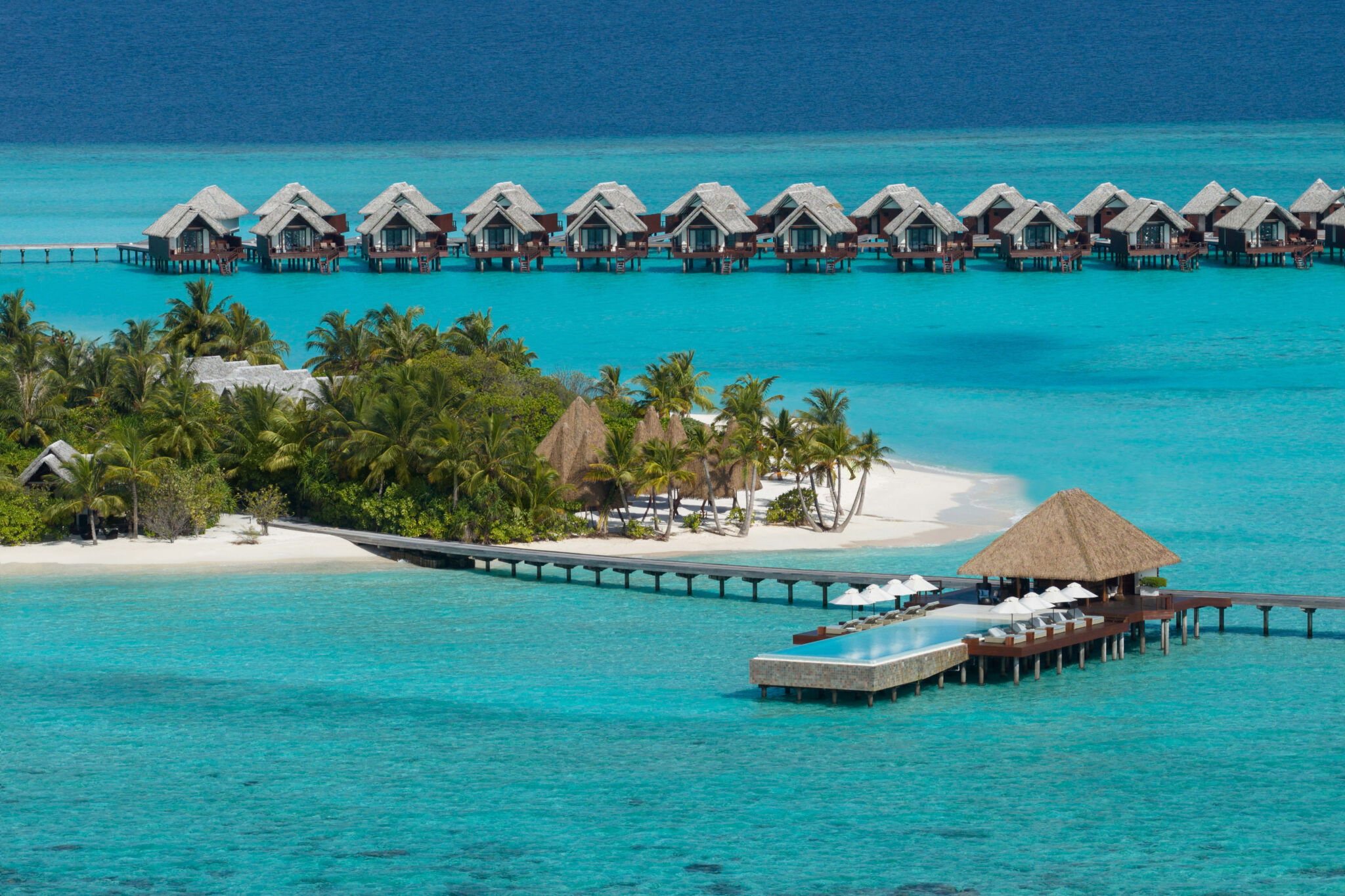
Heritance Aarah has won Gold in the Leading All-Inclusive Hotel/Resort category at the South Asian Travel Awards (SATA) 2026, recognising its Premium All-Inclusive offering in the Maldives.
Located in Raa Atoll, Heritance Aarah offers beach and overwater accommodation alongside dining, wellness, marine activities and cultural experiences. The resort’s Premium All-Inclusive concept focuses on providing guests with a range of experiences and personalised services throughout their stay.
Stasshani Jayawardena, Chairperson of Aitken Spence Hotel Holdings PLC, attributed the achievement to the resort’s team.
“This award is a tribute to our team, whose commitment to creating exceptional guest experiences brings together the very best of Heritance Aarah while celebrating the beauty and character of the Maldives,” Jayawardena said.
Susith Jayawickrama, Managing Director of Aitken Spence Hotel Holdings PLC, said the award recognised the resort’s approach to hospitality and the efforts of its employees.
“This recognition is a proud moment for everyone at Heritance Aarah. Our Premium All-Inclusive experience has always been about going beyond the expected, delivering thoughtful service, exceptional dining, and moments that profoundly connect our guests with the Maldives. This award is a reflection of the passion, commitment and consistency of our team, who continue to raise the bar every day,” Jayawickrama said.
Dining forms a central part of the resort’s offering, with seven restaurants and five bars serving international and Mediterranean cuisine, seafood and overwater dining experiences.
Among its dining venues is Ambula, which combines Sri Lankan and Maldivian culinary traditions through a specially developed menu. Ralu Lounge features one of the largest rum collections in the Maldives.
The resort has also introduced new dining concepts, including Fehi Raha, a garden-to-table experience set within its organic garden. The concept incorporates seasonal produce grown on the island into its menus.
For families, the Ufa Ghadhiya ice cream truck offers ice cream, sundaes and tropical popsicles.
Beyond dining, Heritance Aarah provides a range of recreational and wellness activities, including snorkelling, diving and ocean excursions in Raa Atoll. Guests can also access treatments at IASO Medi Spa and explore Maldivian traditions, craftsmanship and cultural heritage through the resort’s Maldivian Village.
The resort’s adults-only Ocean Suite Wing caters to couples seeking greater privacy, offering overwater accommodation, butler service, private leisure spaces and exclusive dining options. The main island accommodates couples, families and multigenerational travellers.
According to the resort, the SATA 2026 recognition reflects the contribution of its employees across culinary operations, wellness, guest services and recreational activities, as well as its continued focus on developing its Premium All-Inclusive offering.
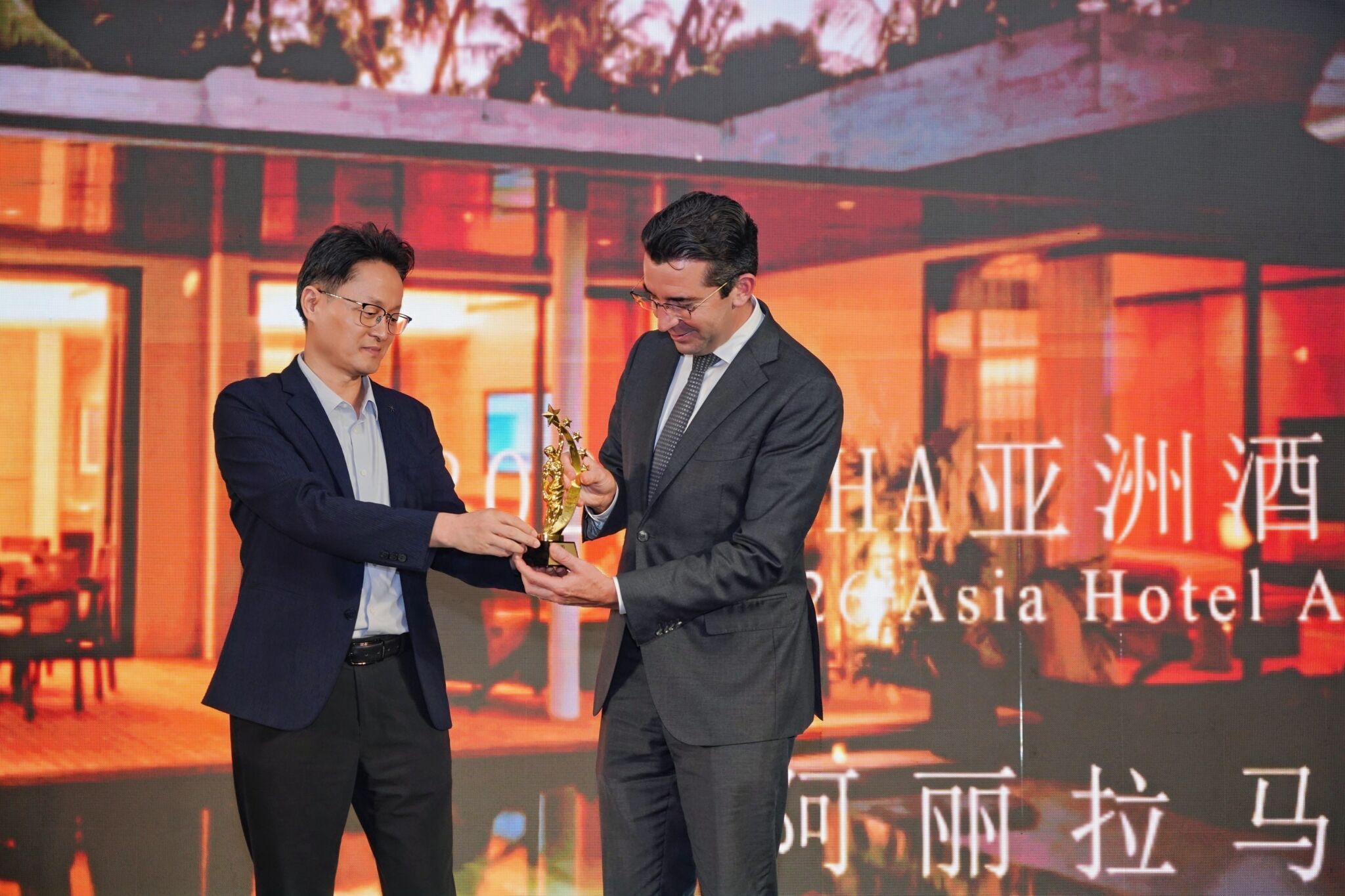
Alila Kothaifaru Maldives has been named Best Resort of the Year at the 2026 AHA Asia Hotel Awards, held at Capella Bangkok in Thailand. The recognition places the resort among leading hospitality properties across Asia, acknowledging its approach to luxury hospitality, guest experiences, design and service.
The award was presented during the 15th edition of the ceremony, which marked a milestone in the programme’s history. Established in 2010 by LIFESTYLE Magazine as the CHA China Hotel Awards, the programme expanded in 2026 to become the AHA Asia Hotel Awards, bringing together hotels and resorts from across the region.
The decision to host the gala in Bangkok for the first time reflected the programme’s broader ambition to recognise achievements in hospitality beyond China. The ceremony brought together hospitality leaders and industry representatives to celebrate achievements in luxury accommodation, resort experiences, design, wellness and service.
Alila Kothaifaru Maldives received the Best Resort of the Year award in recognition of its approach to providing guest experiences that combine contemporary design, personalised service and a connection to the island’s natural surroundings.
“To receive this recognition alongside some of Asia’s most respected hospitality names is a proud moment for all of us at Alila Kothaifaru Maldives,” said Thomas Weber, General Manager.
“Our island has its own character, and we have always believed that the most meaningful experiences come from allowing guests to discover it at their own pace. This award belongs to our team, whose care, dedication and genuine warmth bring that philosophy to life every day. We are equally grateful to our guests for choosing to share their time and special moments with us.”
Located in Raa Atoll, Alila Kothaifaru Maldives features 41 beachfront villas, 36 overwater villas, three two-bedroom beach villas and the Boduge Residence. Each accommodation category includes a private pool, with designs intended to offer privacy while maintaining a connection to the island’s landscape and surrounding Indian Ocean.
The resort offers a range of experiences centred on its location, including guided house reef exploration with marine experts, underwater activities and opportunities to learn about Maldivian traditions through cultural programmes.
Its dining experiences include seafood and international cuisine, as well as private dining arrangements on The Shack, a secluded sand cay. Spa Alila offers treatments and wellness programmes designed around relaxation and wellbeing.
“An award such as this reflects the dedication of many people working together, often through the smallest details that guests may never see,” said Jamal Ahmed, Resort Manager.
“We take great pride in creating an atmosphere where service feels personal and unforced, and where every guest feels genuinely welcomed. It is especially rewarding to see the efforts of our colleagues recognised on a regional stage.”
The latest recognition follows another achievement for Alila Kothaifaru Maldives in 2026, when the resort received the Tripadvisor Travellers’ Choice Award. The accolade places the property among the top 10 per cent of hotels worldwide based on traveller reviews and ratings.
The two awards recognise the resort’s performance from both industry and guest perspectives, reflecting its focus on service standards, guest satisfaction and experiences connected to the Maldivian environment.
Alila Kothaifaru Maldives continues to focus on delivering personalised hospitality, maintaining service standards and developing experiences that allow guests to explore the natural and cultural attractions of the Maldives.
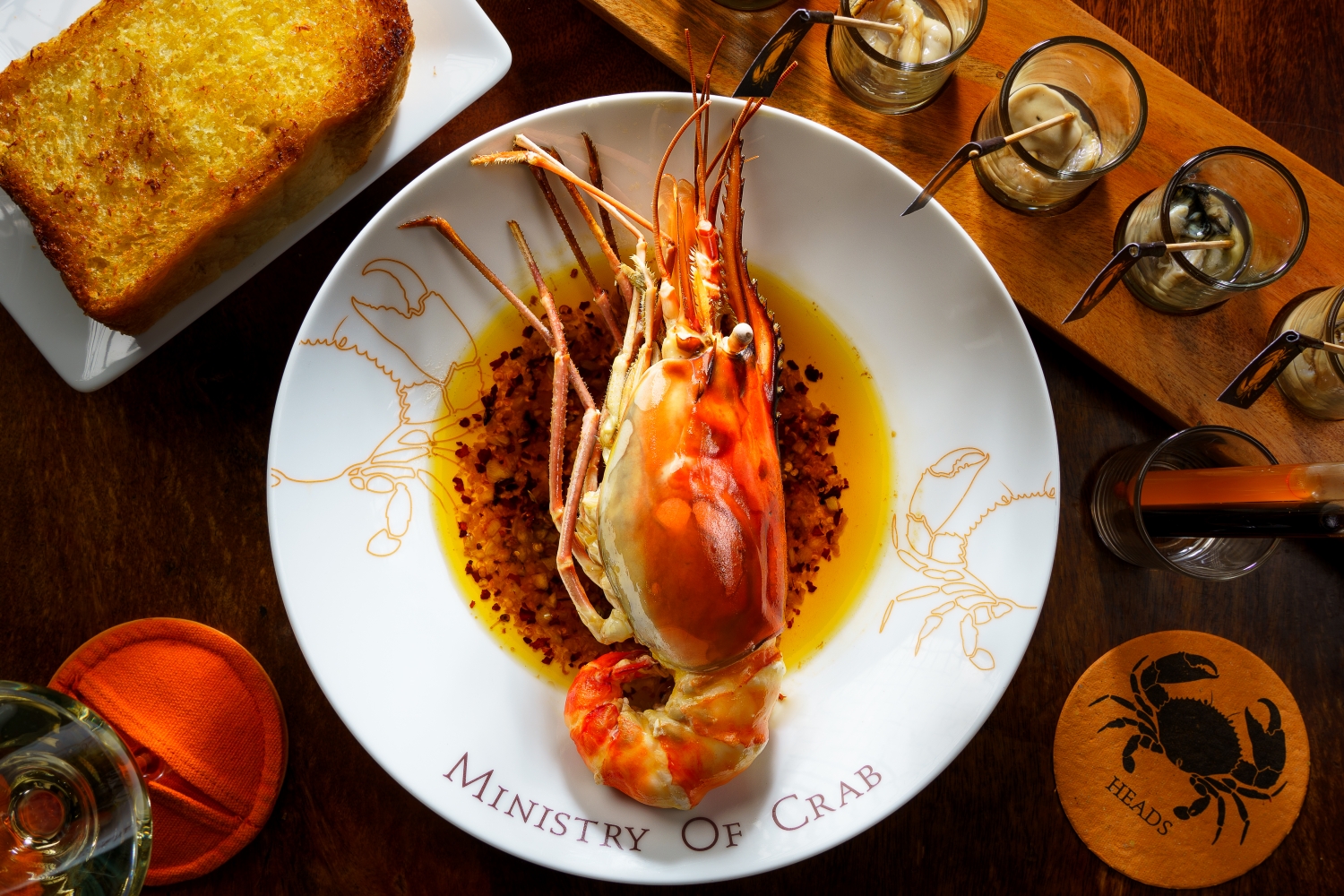
Barceló Nasandhura Malé has announced an exclusive two-night gastronomic pop-up collaboration featuring the celebrated flavours of Ministry of Crab at B.Heaven Rooftop on 13 and 14 November 2026.
Created by internationally acclaimed chef-restaurateur Dharshan Munidasa, Ministry of Crab is a distinguished fixture on Asia’s 50 Best Restaurants list. Known also for Carne Diem Grill at Crossroads Maldives, the country’s only restaurant featured in 50 Best Discovery this year, Chef Dharshan’s culinary philosophy will be brought to life in Malé through an extraordinary showcase of iconic Sri Lankan mud crab and freshwater prawn specialities.

Hosted against the panoramic ocean backdrop of B.Heaven Rooftop, this landmark commercial engagement brings Ministry of Crab’s world-renowned culinary philosophy to the Maldivian capital. Built on a foundation that prioritizes ingredient freshness above all else, Ministry of Crab operates under a strict “no-freezer” policy. The event will feature export-quality Sri Lankan mud crabs and majestic freshwater prawns flown in fresh for the two-day dining showcase.

“We are delighted to bring the iconic flavours to Barceló Nasandhura Malé this November,” said Enric Reina, Hotel Manager at Barceló Nasandhura Malé. “This partnership marks a significant milestone for both our hotel and the capital’s dining scene as we elevate the local epicurean landscape, offering our resident guests and Malé’s culinary connoisseurs a rare opportunity to experience award-winning gastronomy.”

Chef Dharshan Munidasa commented on the collaboration: “Maldives holds a special place in the regional food landscape, surrounded by the same pristine Indian Ocean waters that inspire much of my culinary work. Partnering with Barceló Nasandhura allows us to showcase our iconic Ministry of Crab signature dishes—from our Garlic Chili Crab to our hand-crushed Pepper Crab—alongside exclusive preparations crafted specifically for B.Heaven Rooftop.”
Over the course of this limited two-day engagement, guests will indulge in a curated menu highlighting Ministry of Crab’s flagship preparations.

-

 Cooking1 week ago
Belgian Chef Wout Bru to bring exclusive dining experiences to Meyyafushi, Fushifaru Maldives
-

 News1 week ago
.Here Baa Atoll completes two-island concept with opening of Nowhere Private Island
-

 News1 week ago
Patina Maldives announces Orthodox Christmas celebrations with Russian cuisine and live entertainment
-

 Cooking1 week ago
Award-winning Pastry Chef Elena Nabiullina brings contemporary pâtisserie to The Nautilus Maldives
-

 News7 days ago
Six Maldives spas operated by Mandara Spa recognised in global top 100 list
-

 Cooking1 week ago
Barceló Nasandhura Malé partners with Ministry of Crab for rooftop dining experience
-

 Action1 week ago
Adaaran Select Hudhuran Fushi brings together 40 women for surfing, wellness retreat
-

 News1 week ago
COLOURS OF OBLU reveals festive experiences for families and couples across four resorts