

Featured
Maldives confirms first coronavirus death in posthumous diagnosis


An elderly woman that died in the Maldives Wednesday has tested positive for the novel coronavirus in a posthumous diagnosis — the first to die from the virus in the island nation.
Health minister Abdulla Ameen told reporters Thursday morning that Aminath Adam, 83, was presumed dead when she was taken to the main Indira Gandhi Memorial Hospital (IGMH) in capital Male Wednesday afternoon due to severe breathing difficulties.
Her residence in capital Male was earlier placed under monitoring after some of her relatives tested positive for Covid-19, the disease caused by the coronavirus which originated in China in December, the minister said.
He said samples were taken from the Maldivian woman Tuesday morning, but she had already died when her test results came out positive.
The number of coronavirus cases in the Maldives have reached 280 after the island nation reported 30 new infections Wednesday.
Health Protection Agency (HPA) said 30 new cases from capital Male were detected Wednesday, bringing the total number of confirmed cases in the 6.8 square kilometre island-city to 268 and the national tally to 280.
The confirmed local transmission clusters in the country include 126 Maldivians, 115 Bangladeshis, 17 Indians, three Pakistanis and two Sri Lankans.
Authorities managed to mitigate the spread of the virus and the Covid-19 respiratory disease it causes amongst the Maldives’ citizens and residents early on by closing the Indian Ocean tourist paradise’s borders, earning praise from the World Health Organisation.
But the disease is now spreading rapidly, especially within the large migrant worker community in capital Male. Authorities have ramped up relocating workers from the cramped up dormitories in one of the world’s most densely populated cities to temporary accommodation units.
An estimated 63,000 foreign nationals work in the Maldives illegally out of a migrant worker population close to 145,000.
Foreign workers in the Maldives, predominantly Bangladeshi and Indian men, are subjected to practices indicative of forced labour, including fraudulent recruitment, confiscation of identity and travel documents, withholding or non-payment of wages, and debt bondage.
As most migrant workers live in extremely poor conditions, a widespread outbreak amongst them could lead to large virus clusters, overwhelming the country’s already under staffed and strained healthcare system and making it harder for authorities to contain the spread of the virus.
On March 8, Maldives reported its first cases of the novel coronavirus, as two hotel employees tested positive for Covid-19 at a luxury resort in the archipelago.
Eighteen more cases — all foreigners working or staying resorts and liveaboard vessels except five Maldivians who had returned from abroad — were later identified.
A six-case cluster of locals, detected in capital Male on April 15, confirmed community transmission of the coronavirus. Several more clusters have since been identified, bringing the total number of confirmed case in the Maldives to 280.
Only one death has been reported and 17 have made full recoveries. Five remain in intensive care.
The Maldives announced a state of public health emergency on March 12, the first such declaration under a recent public health protection law.
The public health emergency declaration has allowed the government to introduce a series of unprecedented restrictive and social distancing measures, including stay-at-home orders in capital Male and its suburbs, a ban on inter-island transport and public gatherings across the country, and a nationwide closing of government offices, schools, colleges and universities.
Non-essential services and public places in the capital such as gyms, cinemas and parks have also been shut.
Restaurants and cafes in the capital have been asked to stop dine-in service and switch to takeaway and delivery.
A nationwide shutdown of all guesthouses, city hotels and spa facilities located on inhabited islands is also in effect.
The coronavirus outbreak has hit the Maldivian economy hard, as travel restrictions and other preventive measures affect the country’s lucrative tourism industry, which contributes the bulk of the island nation’s state revenue and foreign reserves.
Before the pandemic, the government had been bullish about tourism prospects, targeting two million, high-spending holidaymakers this year after last year’s record 1.7 million.
However, tourist arrivals saw a year-over-year decline of 22.8 per cent in the first 10 days of March. Officials say the number of tourist arrivals to the Maldives could drop by half in 2020.
All international airlines have suspended scheduled operations to the Maldives, as the island nation enforced a blanket suspension of on-arrival visa in late March in a bid to combat the spread of the novel coronavirus.
Even before the visa suspension, the Maldives had closed its borders to arrivals from some of the worst-hit countries, including mainland China, Italy, Bangladesh, Iran, Spain, the United Kingdom, Malaysia and Sri Lanka. Visitors from three regions of Germany (Bavaria, North Rhine-Westphalia and Baden-Württemberg), two regions of France (Île-de-France and Grand Est) and two regions of South Korea were also banned from entering the country.
All direct flights to and from China, Italy, South Korea and Iran were also cancelled.
Cruise ships and foreign yachts were also banned from docking at any of the country’s ports.
With arrival numbers falling and the visa suspension in effect, several resorts across the Maldives had been closed.
Tourism has been the bedrock of the Maldives’ economic success. The $5 billion-dollar economy grew by 6.7 per cent in 2018 with tourism generating 60 per cent of foreign income.
However, the government is at present projecting a possible 13 per cent economic contraction this year — an estimated $778 million hit.
Photo: Mihaaru News


Amilla Maldives is inviting guests to mark Eid al-Fitr with a series of island celebrations under the theme Eid in Harmony, bringing together cultural experiences, family activities and festive dining.
Eid, which marks the end of the holy month of Ramadan, is widely celebrated across the Maldives as a time of gathering and shared moments. At Amilla Maldives, the occasion will be observed through a programme of relaxed events designed to reflect the atmosphere of island life and community.
During the celebrations, guests will be able to take part in cultural performances, family-friendly activities and island gatherings highlighting Maldivian traditions. These will include performances of Bodu Beru, interactive island games and creative workshops that offer visitors insight into local culture.
The resort will also present a range of culinary experiences for the occasion. Chefs will prepare festive dishes inspired by both regional and Maldivian flavours, with dining experiences ranging from relaxed daytime offerings by the beach to evening dinners served under the stars.
Set within the Baa Atoll UNESCO Biosphere Reserve, the celebrations are designed to offer guests an opportunity to experience the traditions and atmosphere of Eid in a natural island setting.
Guests interested in the full programme of celebrations can access the resort’s Eid 2026 brochure online.
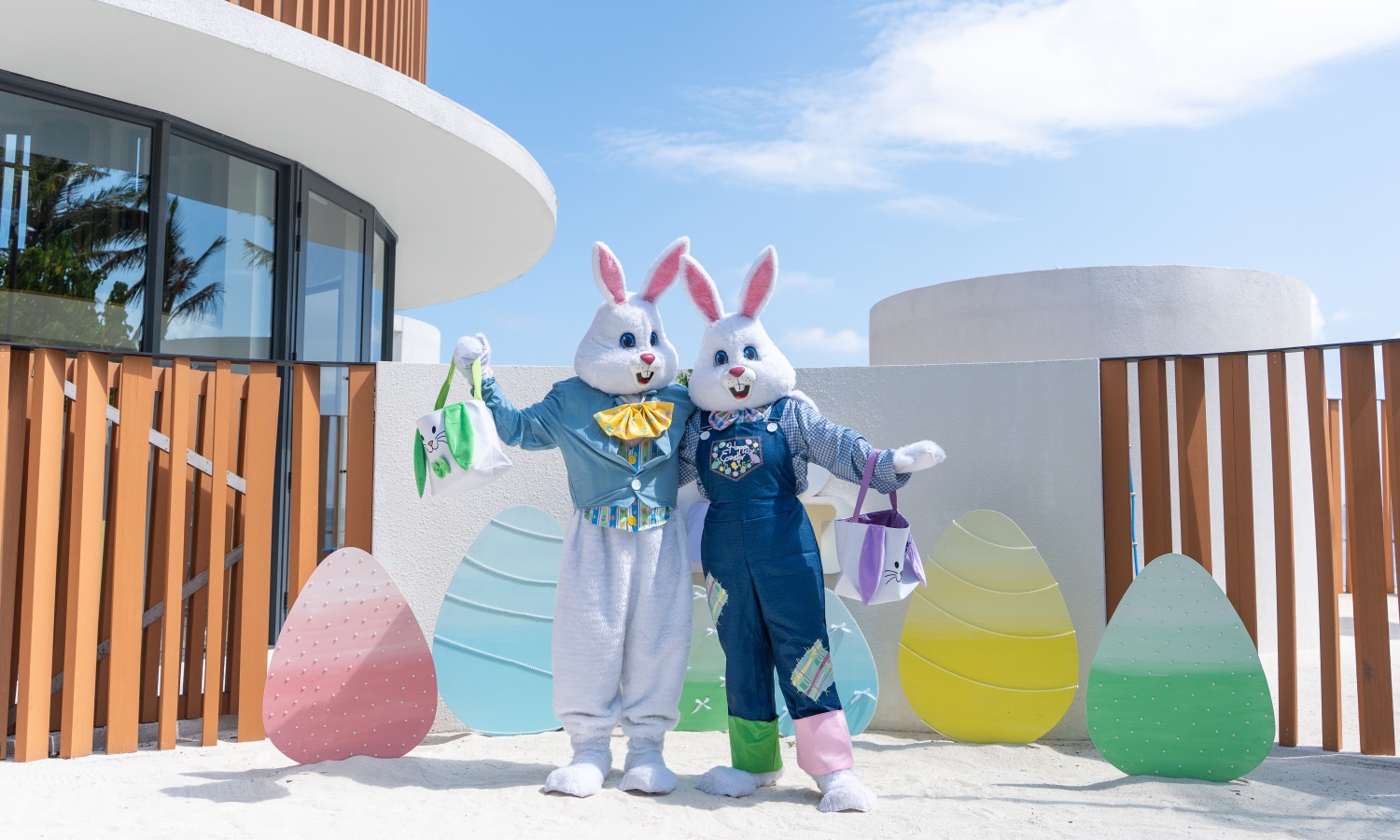
SO/ Maldives has announced a three-day Easter programme taking place from 3 to 5 April 2026, featuring dining experiences, sunset gatherings, beach cinema and family activities across the island.
Set against the backdrop of the Maldives’ lagoon waters, the programme is designed to combine culinary events, music and leisure activities, offering guests a variety of experiences over the Easter long weekend.
The celebrations begin on Good Friday, 3 April, with the Ocean Harvest & Wine Soirée at Citronelle Club. The event features a five-course seafood dinner inspired by South African cuisine, accompanied by a curated wine pairing hosted by a master sommelier. The experience will be limited to 20 guests.
Later in the evening, entertainment will continue at Lazuli Beach Club, where the Vintage Nights at Lazuli event will feature curated wines and DJ music in a beachfront setting.
On Saturday, 4 April, guests will be invited to a Golden Hour Sundowner at the Pavilion Bar, where cocktails will be served during sunset overlooking the lagoon.
The evening will continue with the Starlit Holy Saturday Feast at Lazuli Beach Club, featuring a three-course dinner served outdoors. The programme will conclude with an open-air beach cinema experience, where guests can watch a film on the beach accompanied by popcorn and refreshments.
The programme concludes on Easter Sunday, 5 April, with a series of events along the island’s shoreline. The evening begins with Easter Bloom Cocktail Hours, offering floral-inspired drinks prepared with fruit and botanical ingredients.
The highlight of the celebrations will be the Easter Grand Beach Barbecue at Citronelle Club, featuring grilled dishes served in a seaside setting. The event will also include live saxophone performances and music.
Throughout the weekend, children will have access to a dedicated programme at The Nest, where activities will include Easter crafts, egg decorating, dance sessions and an Easter egg hunt. Additional activities such as face painting, piñata games and creative workshops will also be available.
Through its Easter programme, SO/ Maldives aims to provide a mix of dining, entertainment and family-friendly activities, offering guests the opportunity to mark the holiday while enjoying the island setting.
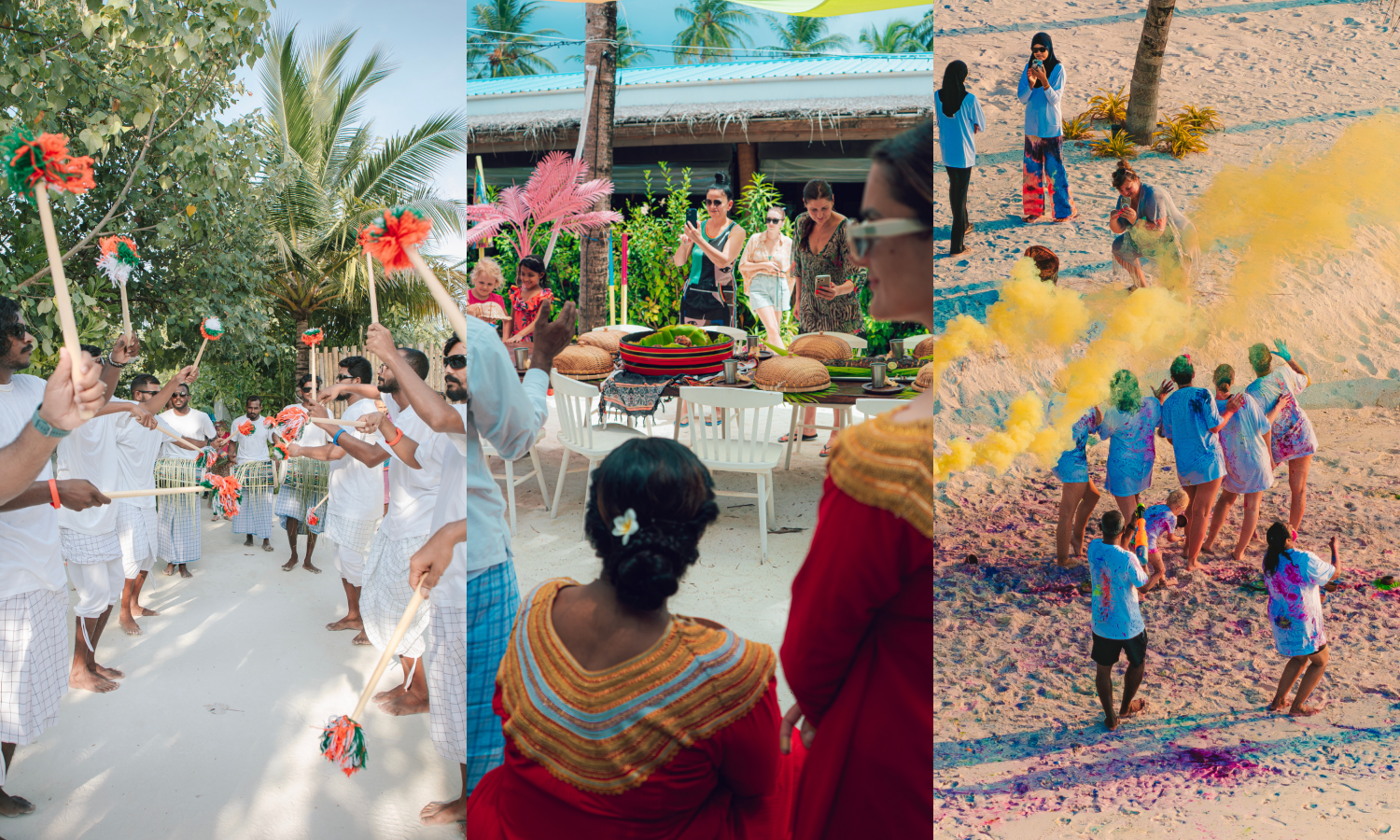
Kula Kula Festival will return for its fourth edition at Oaga Art Resort from 20 to 25 March, bringing together cultural influences from the Maldives, Brazil and India in a programme centred on art, music and community.
The festival combines the traditions of Eid al-Fitr, the vibrant spirit of Brazilian Carnaval, and the colours of Holi, creating a multi-cultural celebration that highlights performance, heritage and shared experiences.
The programme begins with Eid-related traditions, inviting guests to take part in cultural rituals and performances inspired by Maldivian heritage. The festival continues its collaboration with Kiyavahi Culture Studio, which will present workshops, demonstrations and interactive installations showcasing traditional Maldivian crafts and storytelling.
Guests will have opportunities to explore cultural practices such as Fangi Viyun (thatch weaving), Roanu Veshun (coir rope making), Kasabu Gethun (lacquer work) and Thundu Kunaa Viyun (mat weaving). Through these sessions, participants will also learn about the history and cultural significance of these crafts.
The festival begins with Eid Malhi, a bonfire lit by Oaga’s Rahvehin on 19 March to mark the sighting of the new moon. This is followed by Eid prayers and Eid Sai, a traditional breakfast at Kaa Kada. Throughout the day, guests can take part in activities such as Eid Kulhivaru beach games and Fen Kulhi, which combines water and colour play. The Maali Parade, inspired by Maldivian folklore, will lead guests to a high tea gathering at Raa Baa Beach featuring live performances and traditional attire experiences.
Live entertainment forms a central part of the festival programme, with performances from local and international artists. Guests will experience Boduberu fusion performances by Nuff and Ciam, storytelling rhythms by the Harunulaa Boduberu Group, and electronic music performances by Digital Flock during the Kula Kula Rave.
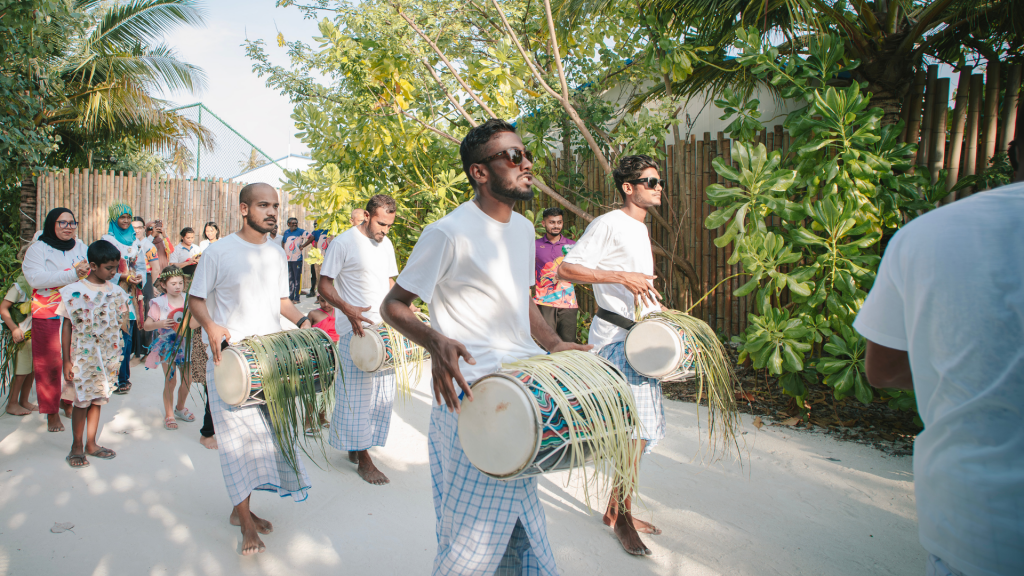
Dhivehi music will also be featured through performances by solo artist Naffah, while storyteller Amney will share Maldivian folklore through music sessions at O’Fire.
Indian classical music will be represented by sitar player Kalyan, who will perform across multiple sessions during the festival. Brazilian performer Alikko will introduce elements of Brazilian culture through fire shows and performances accompanying dining experiences at Kaa Kada.
Dining experiences will also highlight cultural diversity, with lunch and dinner services featuring themed presentations such as Eid Jaafaiy and Indian-inspired cuisine prepared in collaboration with Kalyan.
Evening programmes will include live music, fire performances, communal barbecues and a collaborative live art and music showcase titled Unethical Projection, featuring both resident and guest artists.
For the first time at the festival, Brazilian Carnaval will be incorporated into the programme. The segment will feature a Brazilian-inspired buffet at Kaa Kada, performances by Alikko and a Kula Kula Rave hosted by Digital Flock.
The final days of the festival will bring together Maldivian, Indian and Brazilian cultural influences under the theme Made of Many, Felt as One. Activities will include music sessions, collaborative performances featuring the Rav drum with Nuff, and storytelling by Amney.
The festival will conclude with a Deserted Day Picnic at Hastheem Sandbank, where guests can enjoy watersports, snacks and DJ sets by Afruh.
Through its programme of performances, cultural workshops and shared experiences, the Kula Kula Festival continues to position itself as a platform for artistic expression and cultural exchange, reflecting the creative identity of Oaga Art Resort.

-
 Culture1 week ago
Sun Siyam Iru Fushi marks Eid with cultural celebrations and community spirit
-
 News6 days ago
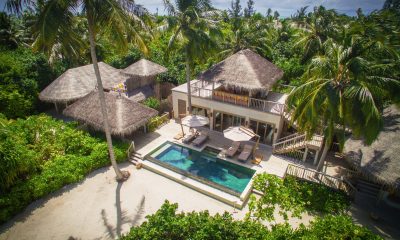
TIME recognises Six Senses Laamu among World’s Greatest Places for 2026
-
 Action6 days ago
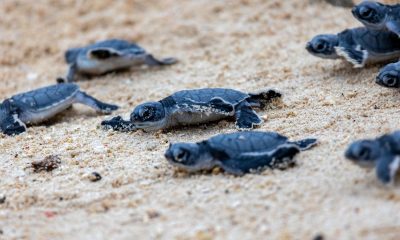
Banyan Tree Vabbinfaru marks first Hawksbill turtle hatchling event since 2015
-
 Family1 week ago
W Maldives launches Easter celebration with kayak races and beach feast
-
 Culture1 week ago
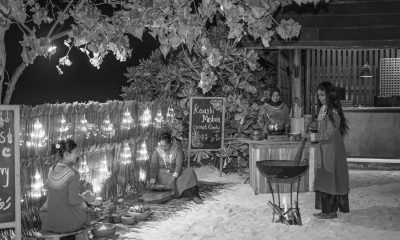
Fushifaru Maldives showcases Maldivian culture through Eid celebrations
-
 Family1 week ago
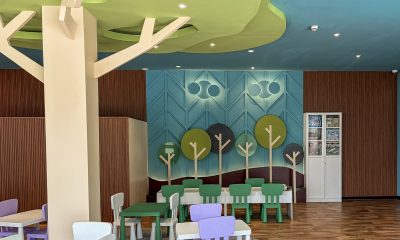
Madifushi Private Island opens Kokko Learning Studio for young guests
-
 Culture1 week ago
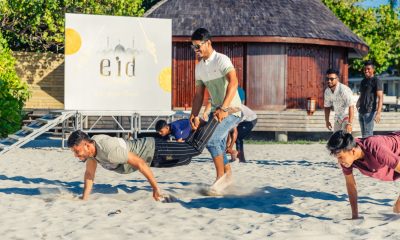
Sun Siyam Olhuveli celebrates Eid with beach fiesta and cultural performances
-
 News7 days ago
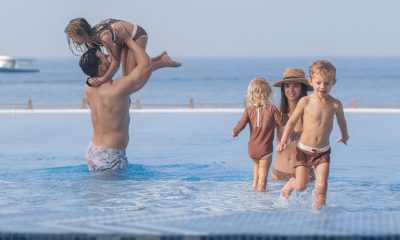
A new approach to family travel at JW Marriott Maldives Resort & Spa