

Action
Finolhu Baa Atoll invites guests to participate in coral reef propagation project


One of the main attractions of a tropical island paradise is the opportunity to snorkel or dive amidst the vibrant colours and sheer diversity of marine life living in its coral reefs. However, while coral reefs are major tourist attractions, they are also incredibly vulnerable and their popularity also places them at risk of accidental human damage.
In line with the continuous efforts to safeguard the biodiversity of its abundant marine ecosystems, Finolhu Baa Atoll Maldives launches its Coral Reef Propagation Project and invites guests to be part of it.
With the main aim of rebuilding the resort’s reef, the first phase of this initiative will replace the corals that have been lost or damaged over the years as a result of environmental and human impacts. In the long run, it will also increase the number and diversity of species living on the resort’s house reef.
Through guest participation, the project also has a strong educational aspect.
“We want to raise awareness of how important coral reefs are as ecosystems in the Maldives and around the world. Coral reefs host around 25% of all species within the marine environment, and if lost can have extremely damaging effects on our oceans. We hope that with this project we will increase the number and diversity of species we already have here on our house reef,” Abby Cooper, the resident Marine Biologist, said.
The regeneration of Finolhu’s reef begins with fragments of coral being attached to spiderweb-shaped frames, which are then placed on the edge of the resort’s house reef to create a coral nursery. The nursery is regularly monitored and maintained to prevent the buildup of algae and remove any predators that could have an adverse effect on the coral.
The fragments of coral used in the project are what is known as “opportunity coral”. This includes pieces of naturally broken coral found during snorkel and dive excursions, coral that has been relocated during construction projects, or small pieces of healthy coral harvested carefully from large thriving colonies. By collecting coral from different sources, it ensures the genetic diversity necessary for healthy growth and reproduction.
Guests are able to snorkel out to the nursery to see the progress of the coral growing on the frames. If they then choose to participate in the project, they will receive a certificate and photographic updates of the coral they planted every 6 months. Prices of the frame are USD 150 (Small), USD 300 (Medium) and USD 450 (Heart-shaped). Moreover, a webpage dedicated for this project will be launched in the near future.
To know more about this project or to those who would wish to have their “personal coral plantation”, feel free to reach out to marinebiologist@finolhu.mv. In-house guests can drop by the Dive Centre to sign up.


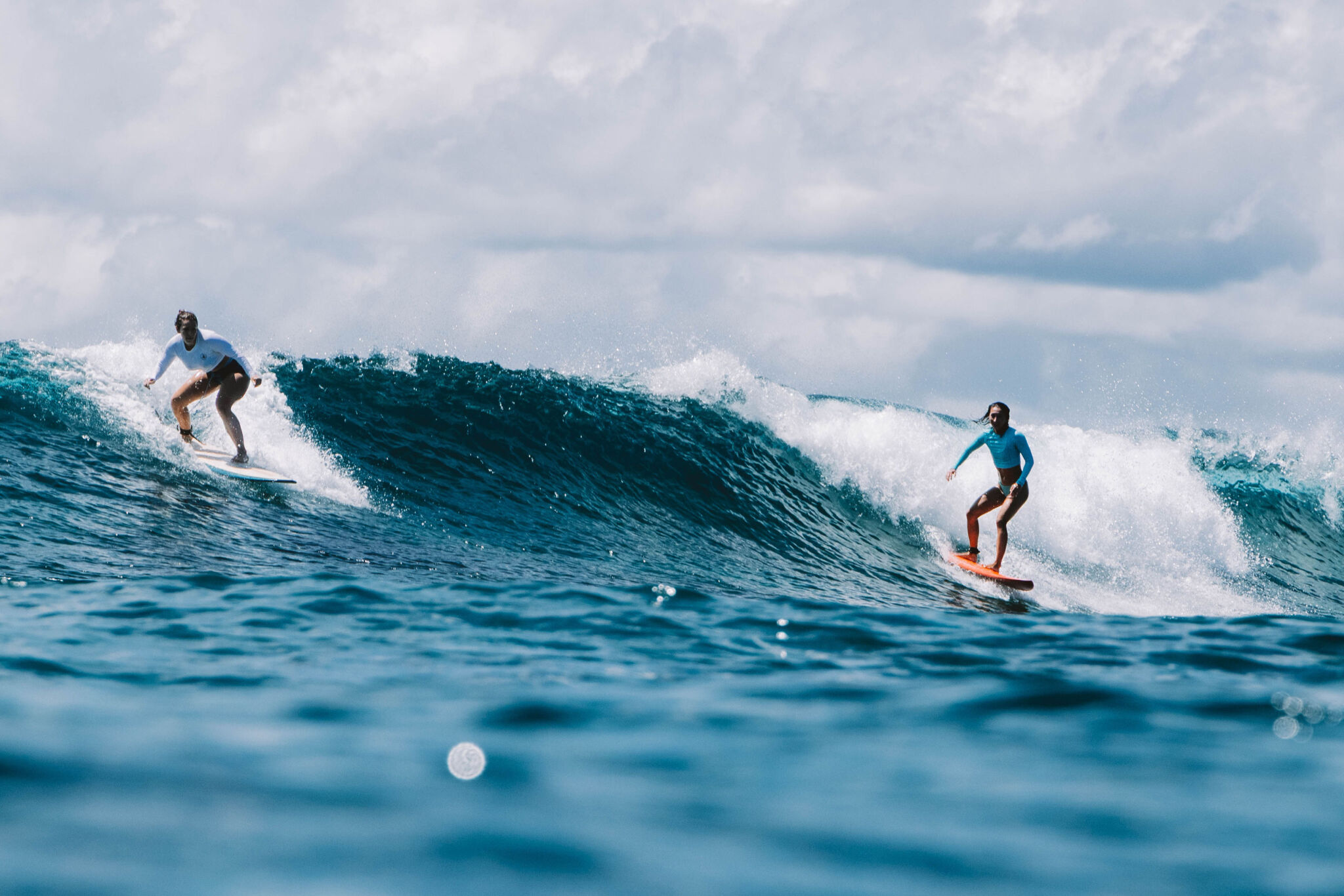
One of the Maldives’ most celebrated surf destinations, Lohis, is making waves beyond the surfing world as Adaaran Select Hudhuran Fushi hosts a landmark all-female surf retreat, bringing together 40 women for eight days of surfing, adventure, wellness and meaningful connections.
Taking place from 11 to 18 October, the exclusive surfing experience, organised by renowned surf coach and SurferElle founder Elle Sampiere, marks an exciting new chapter for Lohis, showcasing not only the exceptional quality of its waves but also its growing appeal as a destination where world-class surfing meets extraordinary island living. For this special gathering, the iconic Lohis lineup has been dedicated to the female surfing community, creating an environment where participants can challenge themselves, share experiences and build friendships against the breathtaking backdrop of the Indian Ocean.

Lohis: Where the World’s Surfers Come for More Than Just Waves
Situated along the edge of Adaaran Select Hudhuran Fushi in North Malé Atoll, Lohis has earned an international reputation for its celebrated left-hand reef break, attracting passionate surfers from around the world.
What makes Lohis truly distinctive, however, extends beyond the wave itself.

Few surf destinations offer the opportunity to wake up on a tropical island, walk directly from your accommodation to an internationally recognised surf break and enjoy the comforts of an all-inclusive resort between sessions. At Lohis, surfing is not simply an excursion. It is part of everyday island life. With access managed through a limited number of surf passes, capped at 45 registered surfers per day under the resort’s standard surf management programme, Adaaran Select Hudhuran Fushi offers a carefully managed surfing experience that distinguishes it from many of the world’s more crowded surf destinations.
The resort also provides access to several celebrated breaks across North Malé Atoll through organised surf excursions, offering visiting surfers the opportunity to explore the diversity of waves that has made the Maldives a sought-after destination on the international surfing map.Just a short speedboat journey from Velana International Airport, this unique combination of exceptional surfing, accessibility, natural beauty and relaxed island hospitality reinforces Lohis’ position among the world’s most distinctive surf resort experiences.

A New Wave of Women Redefining Surf Travel
The SurferElle gathering brings a powerful new dimension to Lohis’ established surfing heritage.Throughout the eight-day retreat, participants are embracing a programme that extends well beyond the surf lineup, with professional coaching, yoga, wellness experiences, snorkeling, diving, fishing and island excursions creating opportunities for adventure, relaxation and personal discovery.
More importantly, the gathering reflects a growing movement within international surf culture: women seeking experiences that combine the thrill of the ocean with genuine connection, confidence and a sense of belonging.

The exclusive female surfing environment encourages participants to support one another, develop their abilities and enjoy the freedom of surfing alongside women who share their passion.
Against the turquoise waters and tropical scenery of the Maldives, the event demonstrates how a surf holiday can evolve into something more meaningful, an experience that inspires long after the final wave.

Connecting International Surf Culture with the Maldives
Beyond the international attention surrounding the gathering, the retreat also places importance on fostering connections with the emerging community of Maldivian female surfers.
By celebrating women’s participation in surfing and encouraging engagement between visiting surfers and the local community, the initiative highlights the potential for surf tourism to create opportunities for cultural exchange, inspiration and greater visibility for women in ocean sports.

It is a reflection of how the Maldives can continue to evolve as a surf destination, not only through the quality of its waves, but through the people, experiences and communities that shape its identity.
More Than a Wave. A Destination That Stays With You.

For Adaaran Select Hudhuran Fushi, the SurferElle gathering represents more than a special event. It demonstrates the destination’s ability to bring together the very best elements of surf travel: celebrated waves, a carefully managed surf environment, exceptional island surroundings and experiences that create lasting emotional connections.From early-morning sessions at Lohis to relaxed afternoons overlooking the Indian Ocean, the resort offers a distinctive rhythm of life where adventure and relaxation exist naturally side by side.As the gathering continues, Lohis is demonstrating that its greatest appeal lies not only in the waves surfers travel across the world to experience, but also in the memories, friendships and sense of community created around them.
At Lohis, the wave brings people together. The island makes the experience unforgettable.

Located in North Malé Atoll, Maldives, Adaaran Select Hudhuran Fushi is an all-inclusive island resort renowned for its natural tropical beauty, relaxed hospitality and direct access to the internationally celebrated Lohis Surf Break.
With a dedicated surf management programme, access to nearby surfing destinations, a range of accommodation options, dining experiences, wellness facilities and island activities, the resort offers a distinctive combination of world-class surfing and immersive Maldivian island living.
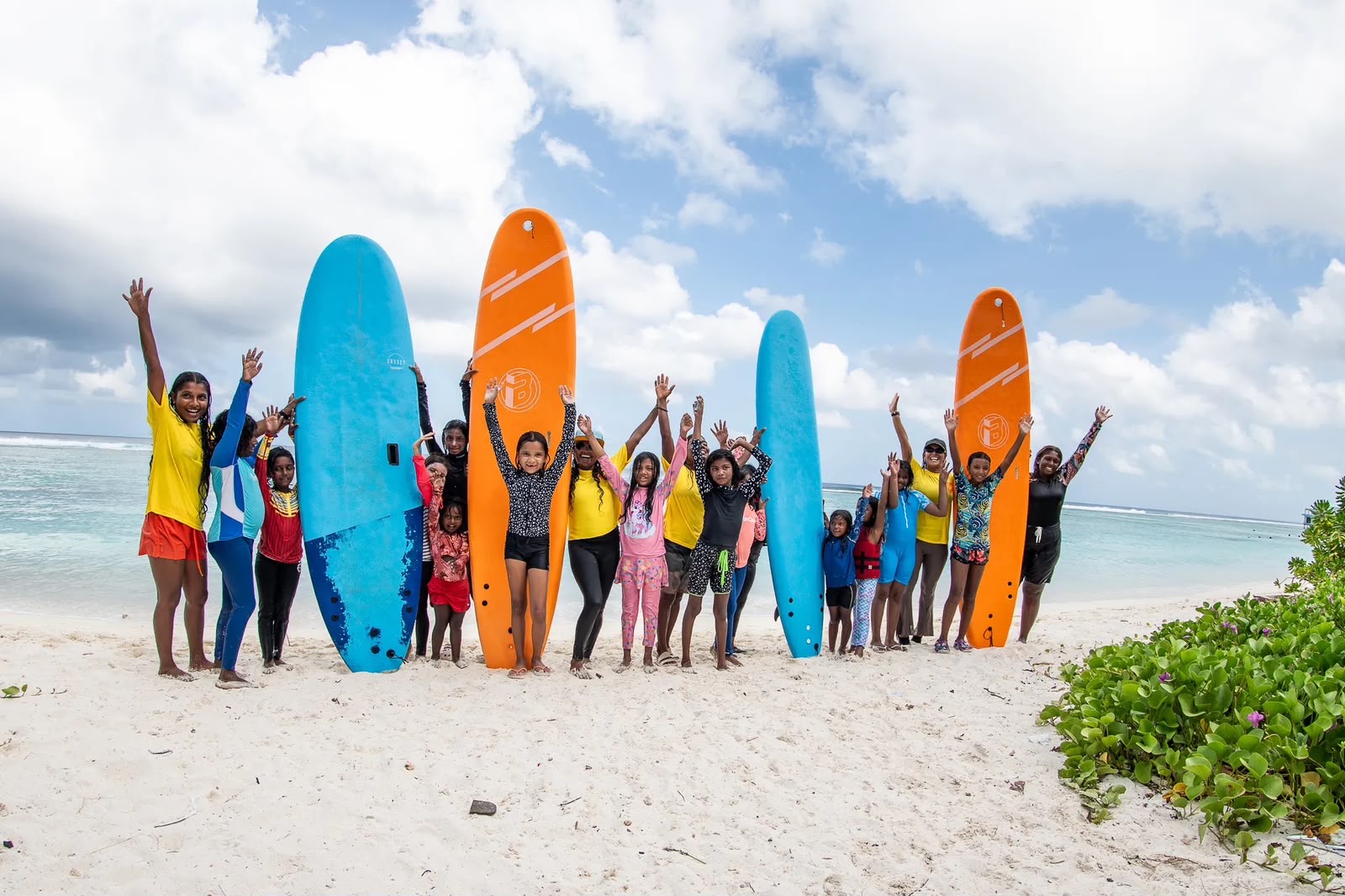
Adaaran Select Hudhuranfushi with its renowned wave Lohis, recently welcomed an all-female surf group for a week of surfing, wellness, and meaningful connections. Beyond experiencing the Maldives’ world-class waves, the visit created an opportunity to bring together international surfers from Surferelle, a women-focused female surf KOL, and members of Surf Her Story, a local female surfing community, for an inspiring exchange of experiences, perspectives, and stories.

Connecting Women Through Surfing
The gathering brought together women from different countries, cultures, and backgrounds, united by their shared passion for the ocean.

Through conversations and shared experiences, participants exchanged perspectives on surfing, personal growth, confidence, and the challenges women face in pursuing their passions.
What began as a meeting of surfers became a reminder that, despite cultural differences, women often share similar aspirations and challenges. The exchange offered an opportunity for mutual encouragement, new friendships, and inspiration that extended well beyond the water.

Surf Her Story: Empowering the Next Generation
Founded by former professional surfer Maju Freitas, with the support of local surfers Aya Naseem and Rishtha Suja, Surf Her Story is a community-driven initiative dedicated to introducing more girls across the Maldives to surfing.

The idea began four years ago when Freitas first visited the Maldives and noticed something missing from its incredible surf scene.
“I remember thinking, ‘Oh my God! This place has amazing waves… but WHERE ARE ALL THE GIRLS?'” she recalls.
Determined to make a difference, Maju created Surf Her Story to help more Maldivian girls discover the physical, mental, and social benefits of surfing.

Beyond developing surfing skills, the initiative aims to build confidence, encourage self-expression, and create a supportive sisterhood where girls can grow together, both in and out of the ocean.
“My biggest dream is for every girl to have the opportunity to experience the freedom, happiness, and empowerment that surfing has given me throughout my life,” says Maju. “I truly believe surfing can change lives, and through Surf Her Story, I hope to share that feeling with as many girls as possible.”

Giving Back to the Community That Makes Surfing Possible
As a surf destination, the Maldives offers extraordinary experiences to visitors from around the world. Lohis Maldives believes that the benefits of surf tourism should also extend to the local communities that call these islands home.
Welcoming Surf Her Story was a small but meaningful step toward that vision: creating space for local female surfers to connect with an international community, share their voices, and gain encouragement from women with different life experiences.

By facilitating these connections, the resort hopes to contribute to a future where more Maldivian girls feel welcome in the water, confident in their abilities, and supported in pursuing their ambitions.
At Lohis, the true value of surf travel lies not only in the waves we enjoy, but also in the positive connections and opportunities we leave behind.
The resort looks forward to continuing to support community engagement, celebrate women in surfing, and create experiences that bring lasting value to both visitors and the local community.
Action
Four Seasons Resorts Maldives honoured for 25 years of marine conservation efforts at HICAP 2026
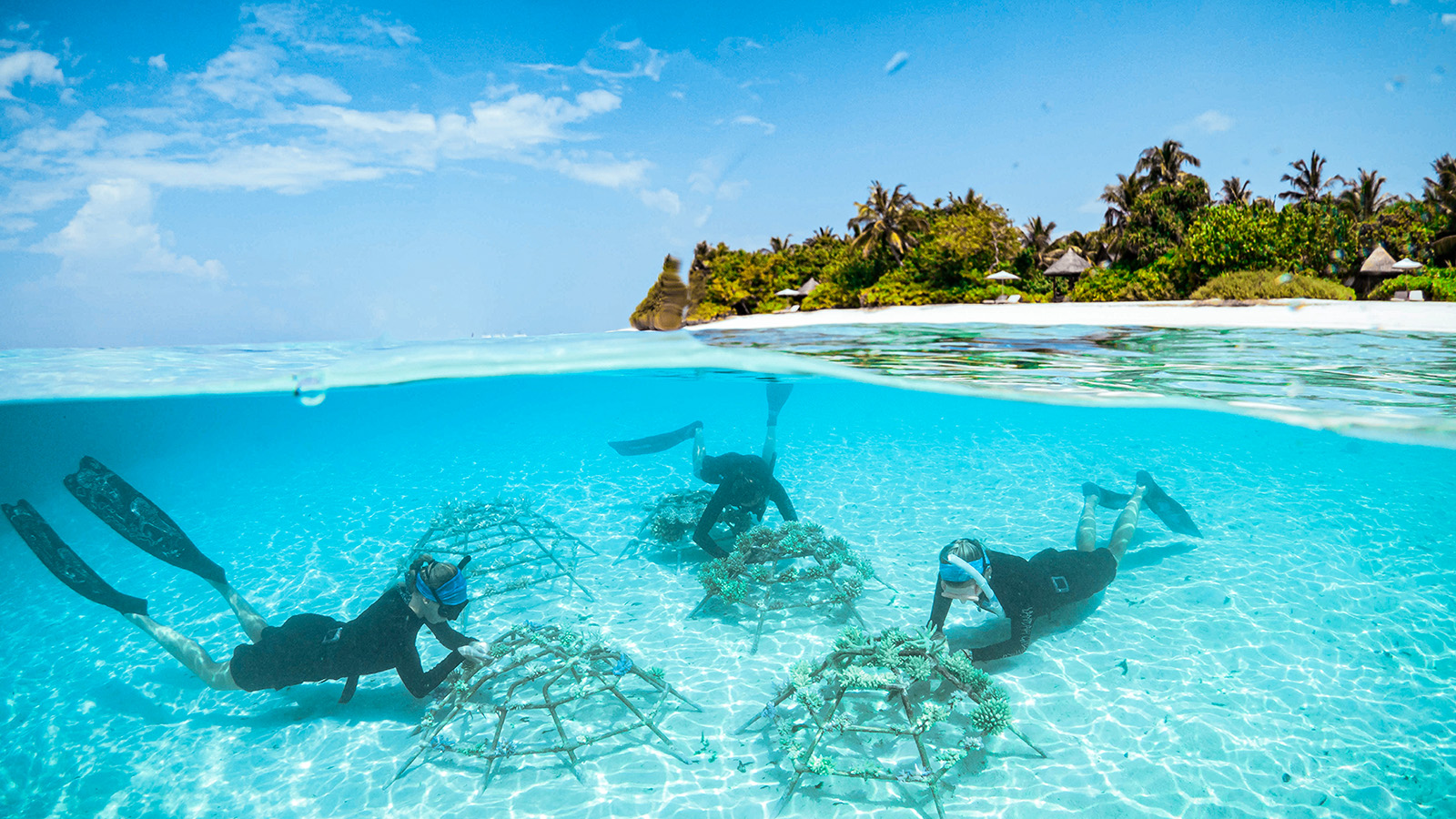
Four Seasons Resorts Maldives has won the 2026 Sustainable Hotel Award for Biodiversity Action & Education from Hotel Investment Conference Asia Pacific (HICAP). The award recognises 25 years of conservation, research and training at Four Seasons Resort Maldives at Kuda Huraa (since May 1998) and Four Seasons Resort Maldives at Landaa Giraavaru (since November 2006).
Winners are selected by an expert judging panel for innovative sustainability practices that can be replicated across Asia Pacific. The Biodiversity Action & Education category emphasises measurable conservation and practical learning. Four Seasons Resorts Maldives was recognised for connecting sustained conservation and scientific advances with hands-on learning for guests, local schoolchildren and young Maldivians.
The resorts’ Reefscapers partnership, launched at Kuda Huraa in 2001, encompasses more than 9,000 coral frames across one of the Indian Ocean’s largest artificial reef restoration projects. Decades of monitoring have supported peer-reviewed, AI-assisted research into coral survival, informing restoration methods as environmental pressures increase. Corals on mature frames now reproduce naturally, while spawning and larval-settlement research advances methods to repopulate damaged reefs and increase diversity.

That research also supports practical conservation education. Since 2023, Landaa has hosted the Baa Atoll Marine Biology Internship Programme, a three-stage, three-year initiative introducing students across the atoll to marine science.
Furthermore, the resorts’ government-accredited Apprenticeship Programme has produced 1,058 Maldivian graduates since 2001 and currently offers 14 career pathways, including Marine Conservation. A new, fully funded four-year Marine and Environmental Science apprenticeship with Maldives National University combines academic study with fieldwork at both Kuda Huraa and Landaa Giraavaru. The pathway progresses towards a bachelor’s degree.
“This award belongs to the people who keep doing the work,” says Armando Kraenzlin, Regional Vice President and General Manager. “Our marine biologists, conservation partners, gardeners and trainers turn years of experience into knowledge others can use. Guests and young Maldivians contribute too, learning alongside our teams and helping carry that work forward.”

Science that informs action
Marine Savers, the resorts’ conservation programme, operates from Marine Discovery Centres at Kuda Huraa and Landaa Giraavaru, working with long-term partners including Reefscapers and The Manta Trust.
Reefscapers achieved a Maldives first by collecting coral reproductive cells in the wild, then fertilising them and settling larvae under controlled conditions. During severe bleaching in 2024, teams relocated 28,000 corals to deeper, cooler waters.

The Turtle Rehabilitation Centres at Kuda Huraa and Landaa Giraavaru have cared for over 500 sea turtles. To date, of the many injured by ghost fishing nets carried into Maldivian waters by wider Indian Ocean currents, more than 280 have been released.
Both resorts also support manta research, with studies by Landaa’s onsite Manta Trust scientists identifying the world’s largest-known reef manta population. Their research contributed to Baa Atoll’s designation as the Maldives’ first UNESCO World Biosphere Reserve in 2011.

Learning through participation
Guest coral sponsorship funds restoration, with guests transplanting fragments alongside marine biologists and following their development on MarineSavers.com.
Marine Discovery Centres connect guests and local schoolchildren with this conservation work. At Kuda Huraa, the Junior Marine Savers introduces younger children to ocean conservation through hands-on marine discovery activities. Landaa’s one-to-one Trainee Marine Biologist Programme gives teenagers practical experience across six specialist modules, while garden tours connect cultivation with food, wellness and composting.

All of the resorts’ research, field reports and findings are shared with the Maldives wider resort community, students, researchers and a global audience via MarineSavers.com. The Reefscapers programme’s selection as a World Sustainable Hospitality Alliance case study further extends its relevance to the hospitality industry.

For more information and ways to participate in award-winning biodiversity conservation and education at Four Seasons Resorts Maldives, visit MarineSavers.com or contact the Resorts at reservations.mal@fourseasons.com or call +960 66 00 888.

-

 Awards1 week ago
Cinnamon Maldives resorts celebrate triple win at SATA 2026
-

 Cooking1 week ago
Belgian Chef Wout Bru to bring exclusive dining experiences to Meyyafushi, Fushifaru Maldives
-

 News1 week ago
Patina Maldives announces Orthodox Christmas celebrations with Russian cuisine and live entertainment
-

 News6 days ago
.Here Baa Atoll completes two-island concept with opening of Nowhere Private Island
-

 Action6 days ago
Adaaran Select Hudhuran Fushi brings together 40 women for surfing, wellness retreat
-

 Cooking7 days ago
Award-winning Pastry Chef Elena Nabiullina brings contemporary pâtisserie to The Nautilus Maldives
-

 News6 days ago
Six Maldives spas operated by Mandara Spa recognised in global top 100 list
-

 News1 week ago
Atmosphere Hotels & Resorts introduces three distinct festive experiences in Maldives