

Action
Authentic Traditional Souvenirs of Maldives


 Since the beginning of tourism in Maldives during the 1970’s the local crafts have gained a vast popularity among tourists. The various crafts and handiwork of Maldivian craftsmen have always intrigued travelers from all over the world. However over time the magnificent works of art has fallen victim to rising tides of cheap imitations and unauthentic replicates. While this may be due to the high production costs from traditional methods, when applied to large scale production, unauthentic products cannot even come close to the real ones in both beauty and uniqueness. Souvenir shops in the city and in islands usually trade both cheap imports and original local handicraft. For travelers it is vital to know that what they are paying for is authentic works of art.
Lacquer works

Also known as “Liye Laajehun”, Maldivian lacquer works are and always has been a magnificent art which has produced creative designs that have survived through the Maldivian history. Since ancient times, the techniques have been applied to create vases, jewelry boxes, and kitchen utensils of fabulous beauty, for the royals of Maldives.
It is a highly decorative art carried out by skilled artists in which lathes are used to paint layers of colored lac over shaped wood. Usually the artist starts with a bright color and ends with a dark color such as black. The artist then uses a sharp tipped object to carve designs exposing the bottom layers. A finishing polish is applied and the work is ready for use.
Dhoni crafts
 Dhonis or sail boats are a major invention of Maldivians as they were the first modes of transportation among Maldivians. They are designed to withstand the vigor of the oceans and to provide swift motion. Crafting of miniature models of these ancient works of art is known as Dhoni crafting.
Such models of varying sizes and quality are available in Maldives. Maldivian artists use timber which is carved into models that represent the ancient vessels. The parts are polished and varnished before they are constructed into models.
Wood carvings
 Due to the remoteness and abundance of plants in Maldives, ancient natives used wood from the trees to create objects to optimize their work and fulfill their needs. Objects such as kitchen utensils and containers were carved from wood. The carvings are sometimes polished and can represent magnificent designs.
Wood carving has evolved to create works of art such as miniature models that represent the early Maldivians and their culture. These wood carvings are sometimes painted and sometimes subjected to lacquer work. Carvings of images and text into wood was also carried out by early Maldivians. Traditional Maldivian mosques have large wooden planks with text carved into them.
Mat weavings
 Mats or “Kunaa” were vital to the early natives. They were mostly used for seating and sleeping among other uses. Mats have also been delivered as royal gifts by the Maldivian Sultans. The artistic designs created during the weaving are still comparable to modern textures. However the technique used is very simple and mostly it is just the creativity of the weaver that produces astonishing designs.
Screw-pine leaves are collected and dried in the sun. Natural dyes are then used to dye them into three basic colors, black, brown and yellow. A simple loom and a knife are used to slit screw-pine leaves to produce the varying patterns on the mat.
Coconut shell products
 Coconut is one of the most abundant fruits in Maldives. It is one of those fruits that can be used during all stages of its maturation. In fact the coconut palm, one of the most abundant palm trees in Maldives, is the Maldivian national tree and has been used for multiple purposes throughout history.
The trunks are used for timber while the husks are used to make coir ropes.The leaves are used for weaving mats and creating thatching for roofs. The eakles are used to create brooms. The shell is cleaned, dried, and polished, before it is used to create ornaments or other works of art. “Raa Bandhi” is a container created from two coconut shells joined to increase capacity. It is used to collect and store toddy from coconut palms.
Coir ropes
 Coir Ropes are an important part of Maldivian civilization, as they have multiple purposes. They were extremely important to early Maldivians during the building of huts and construction of sailing vessels and hammocks. Ancient Maldivians chose the coconut husks as it is a strong material as well as an easily available resource.
The coconut husks are soaked for about two or three weeks by burying them in the beach. They are then pounded and beaten into fibers which are washed and sun dried. They are then hand rolled and woven into ropes of different sizes. The coir ropes or “Roanu” are now mainly used in ornamental purposes.


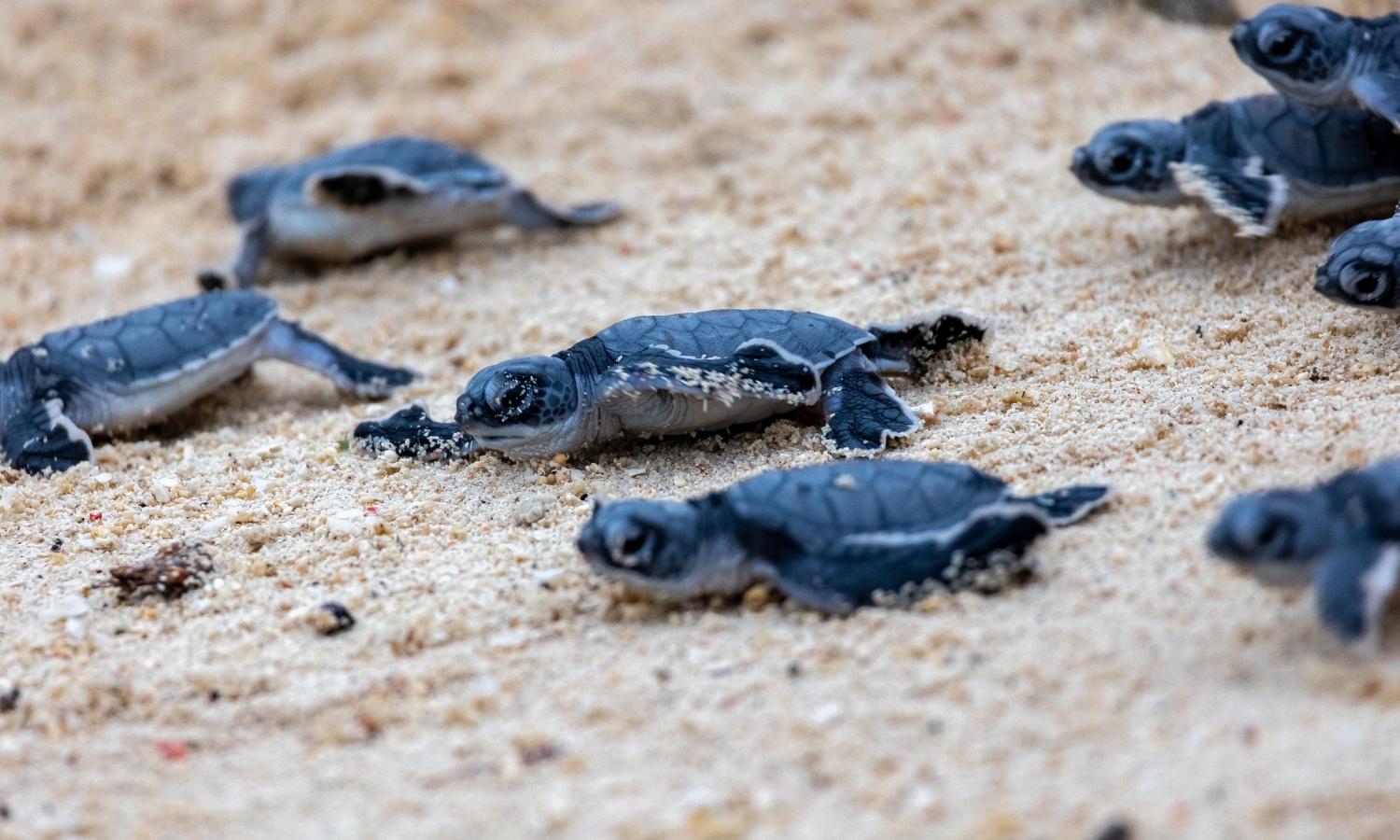
Banyan Tree Vabbinfaru has recorded the return of a Hawksbill sea turtle to its shores for the first time since 2015, with eggs laid in January hatching on the afternoon of 23 March, marking a meaningful moment for the island and its surrounding marine environment.
The eggs, laid on 24 January, have now hatched, with tiny hatchlings emerging beneath sun-warmed sands and making their way across the beach into the lagoon. The moment was quietly witnessed by guests and resort associates, offering a precious and moving glimpse into one of nature’s most delicate life cycles.
The return comes alongside Banyan Tree Vabbinfaru’s ongoing marine conservation efforts, led by its on-site Marine Lab – one of the first resort-based marine conservation programmes in the Maldives. For over two decades, the Marine Lab has contributed to coral restoration, reef protection, marine biodiversity monitoring and environmental education.
The Banyan Tree Marine Lab actively engages guests and associates through ongoing conservation activities, including Marine Talks on turtle and shark conservation, reef restoration and monitoring, as well as ongoing turtle identification and monitoring initiatives that support broader research efforts across the country.
Hawksbill turtles, listed as critically endangered, continue to face threats across the Maldives from habitat loss, marine pollution and climate change. Their rare return to shore serves as a gentle yet powerful reminder of the responsibility we share in protecting these fragile species and the ecosystems they depend on.
“Moments like are truly special,” said Alex Burden, Marine Lab Manager at Banyan Tree Vabbinfaru. “The return of a sea turtle to our shores is a powerful reflection of what long-term commitment and genuine care for the marine environment can achieve.”
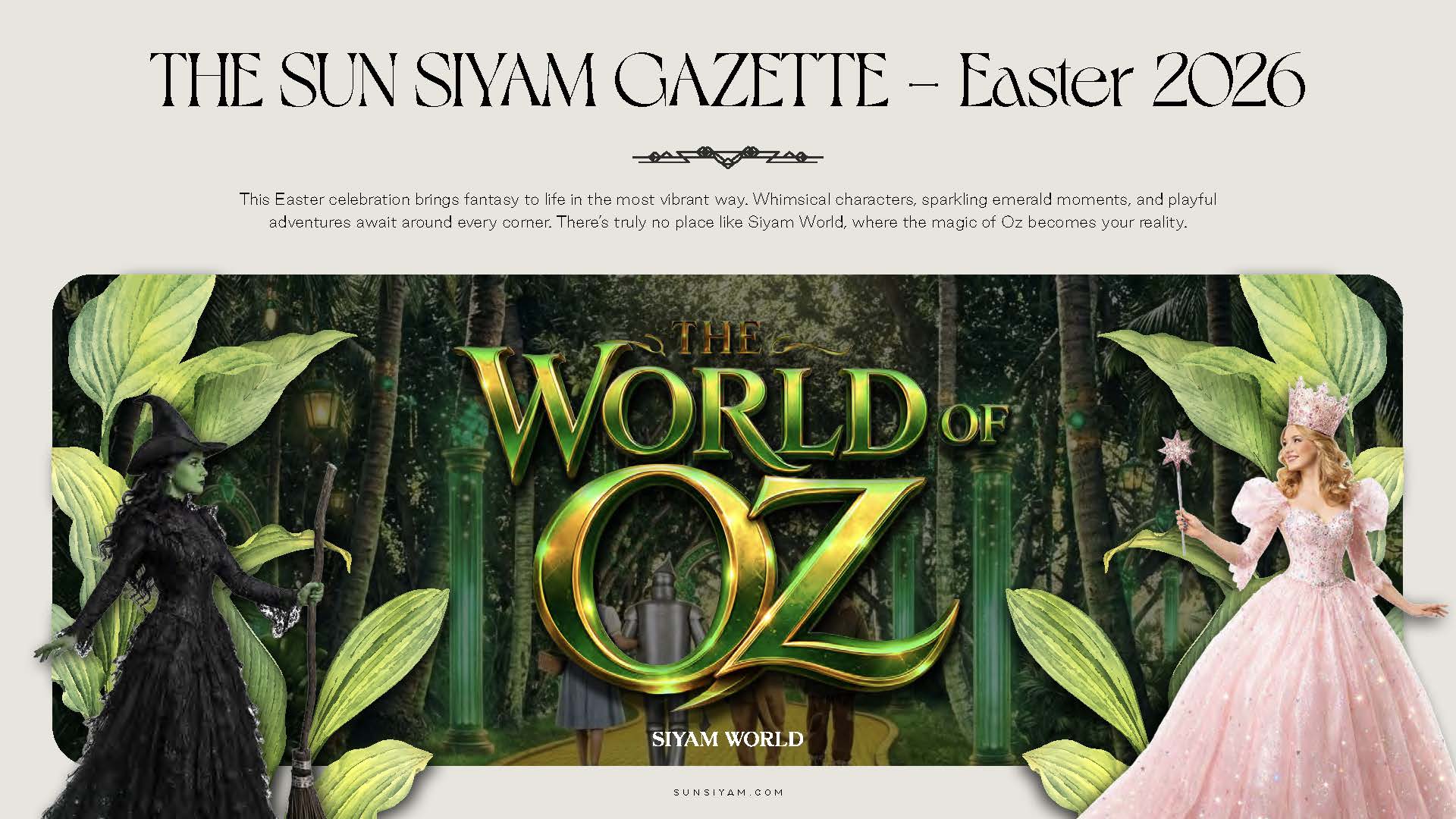
This Easter, Siyam World Maldives, part of Sun Siyam’s Lifestyle Collection, is clicking its ruby slippers and transforming into the magical World of Oz from From March 31st – April 17th, 2026 with not one, not two, but three international football legends arriving on island. Yes, while the Wizard may rely on smoke and mirrors, Massimo Ambrosini, Javier Saviola and Gary Cahill are very real, and they will be hosting exclusive football camps throughout April for young players and fans ready to sharpen their skills in paradise.
But that is only the beginning because, unlike Dorothy, you might not want to go home.
Alongside these star-studded camps, Siyam World’s Easter celebrations invite guests to follow the Yellow Brick Road into the World of Oz, where the island comes alive with magical shows, playful races, kid-friendly carnivals, and high-energy island adventures.
The journey begins with Dorothy’s Arrival, a sunset gathering at Together Beach where emerald lights glow, music fills the air, and the first clues of the Oz adventure begin to unfold. Guests are then invited to follow the Yellow Brick Road across the island, discovering surprises along the way. The highlight of the Easter programme is the spectacular Journey to the Emerald City Stage Show, featuring dazzling dance performances, aerial artistry, fire acts, and immersive visuals that bring the magic of Oz to life.

Young adventurers can explore the Wizard’s Kidz Carnival, packed with games, face painting, and playful characters, while guests ready for a challenge can join The Amazing Race – Wizard of Siyam Edition, racing around the island in a series of fun challenges inspired by brains, heart, and courage.
Meanwhile, the SW 3K Easter Run adds an extra splash of fun with bubble tunnels, misty surprises, and plenty of laughter along the way.
And for football lovers, the island’s pitch becomes the ultimate training ground with three exclusive camps:
- Massimo Ambrosini Football Camp (2–4 April) – The AC Milan midfield legend known for leadership and tactical brilliance
- Javier Saviola Football Camp (5–10 April) – The lightning-fast Argentine forward “El Conejo,” famed for creativity and clinical finishing.
- Gary Cahill Football Camp (13–17 April) – The England international and former Chelsea captain celebrated for his defensive strength and leadership.
With world-class football, magical storytelling, and island adventures around every corner, The World of Oz at Siyam World promises an Easter celebration where fantasy, sport, and pure fun collide.
Because at Siyam World, the adventure never ends, it simply follows the Yellow Brick Road.
For more information and to book your stay or check out the full Easter programme, please visit the resort’s website.
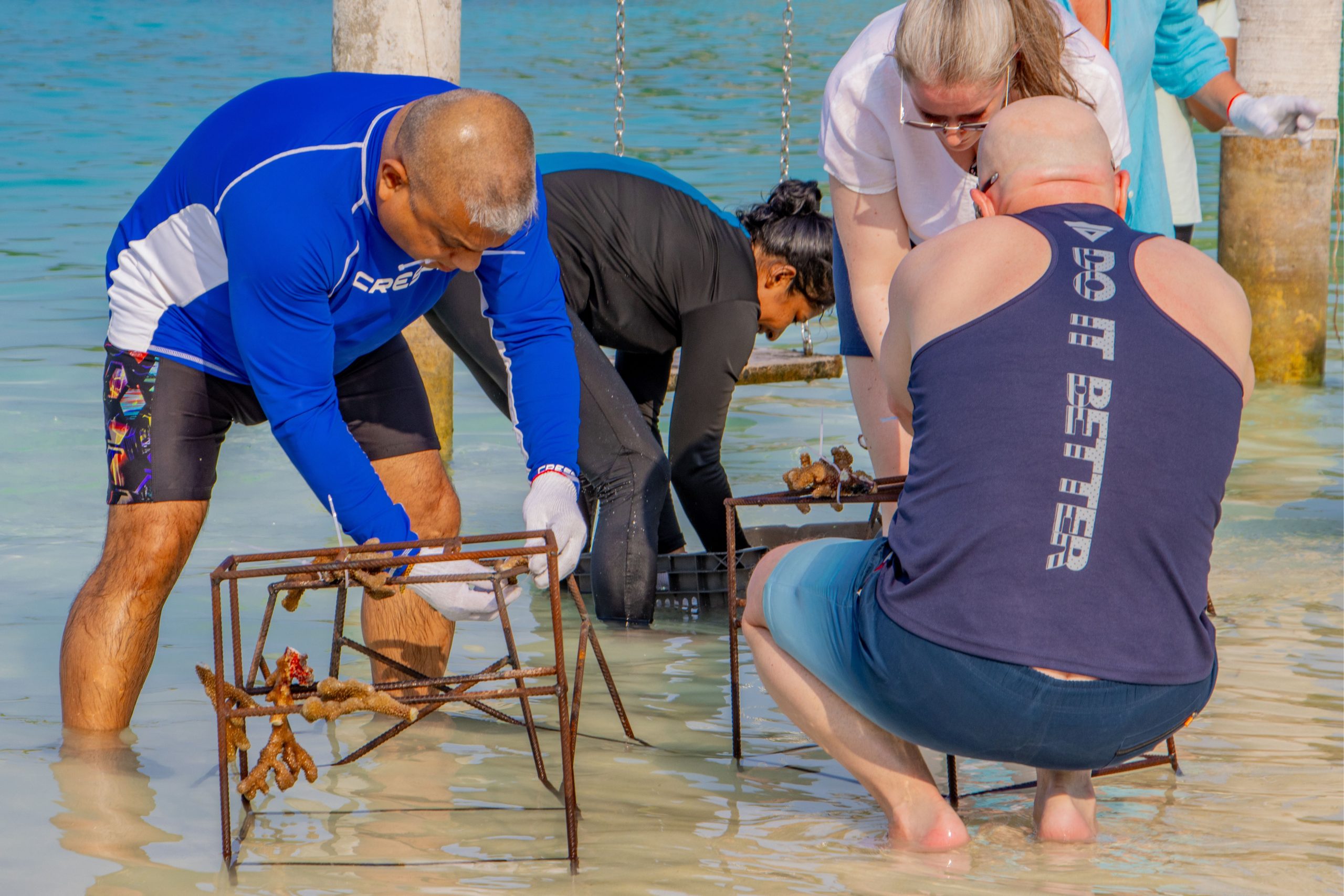
The vibrant coral reefs surrounding Cinnamon Dhonveli Maldives play a vital role in sustaining the island’s rich marine biodiversity. Recognising the growing threats faced by coral ecosystems worldwide, the resort has introduced a coral restoration initiative aimed at supporting the long-term recovery of its house reef.
Coral reefs are among the most sensitive and fragile ecosystems on the planet and are increasingly affected by environmental stressors such as rising ocean temperatures, coral bleaching, and human activity. These ecosystems not only support thousands of marine species but also play a crucial role in maintaining ocean health and protecting coastlines.
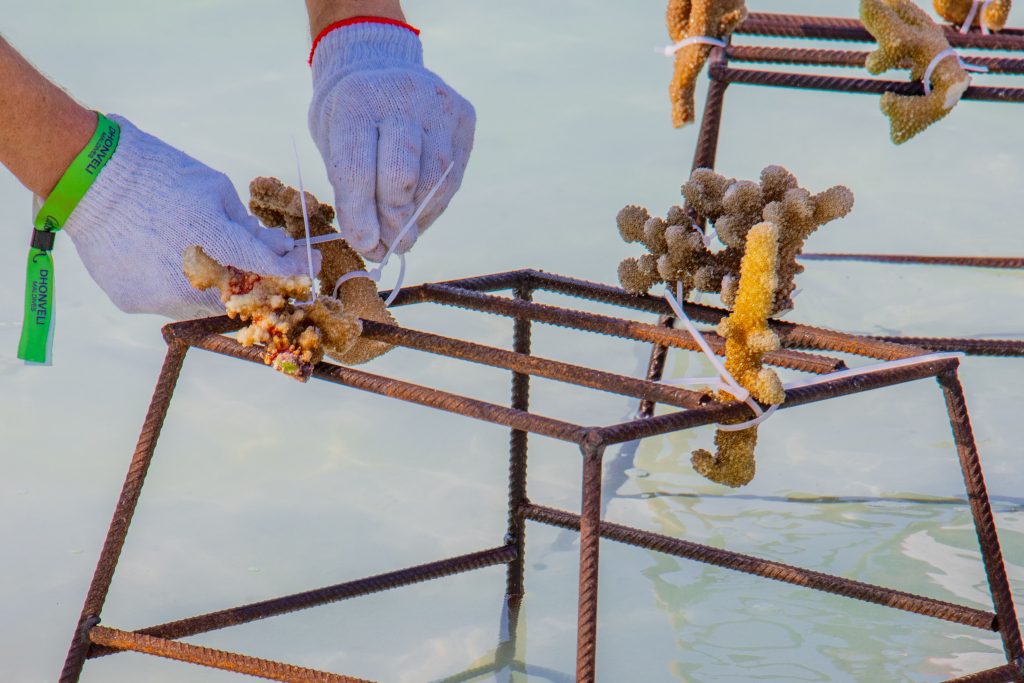
As part of its ongoing sustainability efforts, Cinnamon Dhonveli Maldives has taken proactive steps to assist reef regeneration through a structured coral restoration programme. The initiative recently saw the installation of 25 coral frames, each carefully planted with coral fragments collected from naturally broken corals found within the surrounding lagoon and reef areas.
Over time, these fragments will grow and fuse with one another, gradually forming new coral colonies that contribute to rebuilding the reef structure. As the corals mature, they create shelter and feeding grounds for a wide variety of marine life, helping restore the ecological balance of the reef ecosystem.
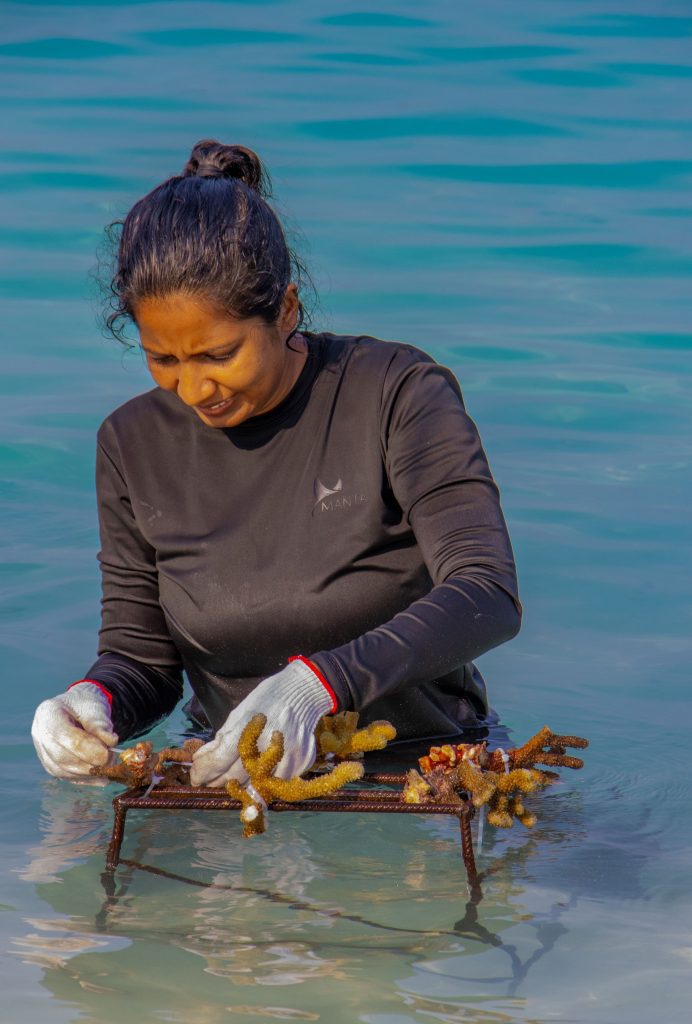
The restoration project also serves as an important platform for raising awareness among guests and team members about the importance of marine conservation. By nurturing these coral frames and monitoring their progress, the resort contributes to strengthening the resilience of its surrounding reef while supporting broader efforts to safeguard the Maldives’ underwater ecosystems.

-
 Family1 week ago
Easter in Maldives: COMO Cocoa Island and Maalifushi launch curated festivities
-
 News1 week ago
Loredana to attend Caravela opening at NH Collection Maldives Reethi Resort
-
 News1 week ago
The Westin Maldives Miriandhoo Resort launches immersive experiences to enhance meaningful travel
-
 News1 week ago
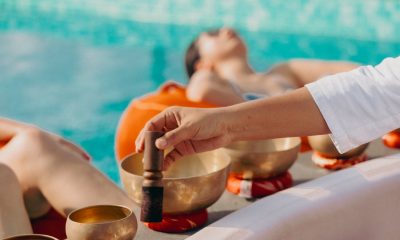
Meyyafushi Maldives expands wellness offering with sound healing programme
-
 Business1 week ago
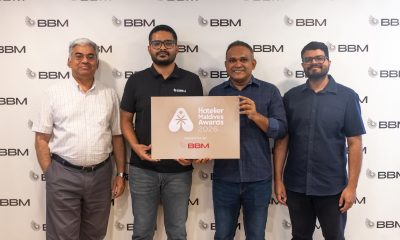
BBM renews as Title Partner of Hotelier Maldives Awards under multi-year agreement
-
 Family1 week ago
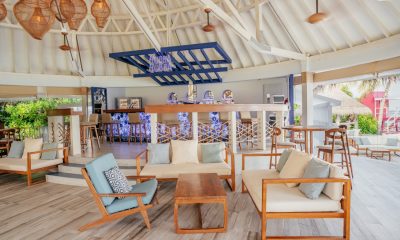
Ifuru Island Maldives introduces Easter festivities inspired by Chocolate Factory concept
-
 Family1 week ago
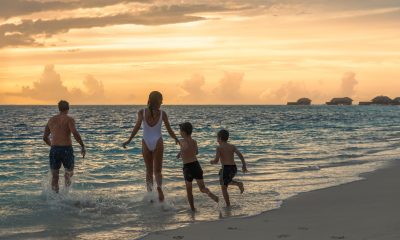
Conrad Maldives Rangali Island introduces Roarsome-themed adventure programme
-
 Drink1 week ago
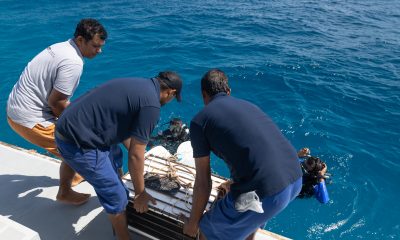
NH Collection Maldives Reethi Resort pioneers underwater rum ageing project