

News
Celebrating World Wetlands Day at Canareef Resort Maldives


As the world comes together to celebrate World Wetlands Day on February 2nd, Canareef Resort Maldives stands proud as a beacon of natural beauty and ecological preservation. Nestled in the heart of Addu City, a recently declared UNESCO Biosphere Reserve, Canareef is not just a resort but a haven for biodiversity, boasting a stunning array of wetlands, lakes, and vibrant ecosystems. This World Wetlands Day, we invite you to explore the wonders of Canareef’s natural treasures and discover why it is one of the top resorts in the Maldives for nature enthusiasts.
At the heart of Canareef Resort lies the Canareef Eco Park, a sprawling sanctuary centred around the largest lake on the island. This eco-park is a testament to the resort’s commitment to preserving and showcasing the rich biodiversity of the Maldives. Home to a variety of wildlife, including fish, birds, and unique flora, the Eco Park offers guests an immersive experience into the natural world.

Here are some of the incredible species you can encounter at Canareef Eco Park:
- Fruit Bat (Vau): The Fruit Bat, or Flying Fox, is a nocturnal marvel that plays a vital role in pollination and seed dispersal. These gentle creatures are often seen feasting on tropical fruits, contributing to the health of the ecosystem.
- Grey Heron (Maakanaa): The elegant Grey Heron is a common sight in the wetlands of Canareef. With its long legs and graceful movements, this bird is often spotted wading in shallow waters, hunting for fish.
- Maldives Water Hen (Kan’bili): As the national bird of the Maldives, the Maldives Water Hen holds a special place in the hearts of locals. This small, elusive bird is native to the Maldives and can often be seen darting through the wetlands.
- White Tern (Dhondhooni): The White Tern is a striking seabird with pure white plumage and long, pointed wings. Known for its graceful flight, this bird is often seen soaring over the coral reefs and nesting in the trees of Addu Atoll.
- Maldivian Little Heron (Dhivehi Raabondhi): This endemic subspecies of the Little Heron is a skilled hunter, primarily feeding on fish and insects.
- Tilapia (Thelaapia): These freshwater fish are a common sight in the lakes and ponds of Canareef. Tilapia thrive in shallow waters and play a crucial role in maintaining the aquatic ecosystem.
- Milkfish (Beyn’gu): The Milkfish, an indigenous species of the Indo-Pacific, is known for its impressive size and omnivorous diet. These gentle giants feed on algae and small invertebrates, contributing to the balance of the ecosystem.
- Mud Crab (Kandoo Kakuni): The Mud Crab is a fascinating inhabitant of the mangroves and estuaries around Canareef. These crabs are an essential part of the coastal ecosystem, and their presence is a sign of a healthy environment.
- Mangrove Whelk (Fulli): This unique brackish-water snail is commonly found in mangrove environments. The Mangrove Whelk plays a vital role in the nutrient cycle of the wetlands.
- Crickets (Rafeegu): The nocturnal chirping of crickets adds a soothing soundtrack to the evenings at Canareef, reminding us of the interconnectedness of all life.
- Seashore Screwpine (Boakashikeyo): The Seashore Screwpine is a coastal tree known for its prop roots and spiky leaves. Its edible, pineapple-like fruits are a traditional food source, and the tree is also used for crafting and coastal protection.
- Coconut Palm (Ruh): An iconic symbol of the Maldives, the Coconut Palm is deeply intertwined with local culture and daily life. From food and drink to construction, this versatile tree is a cornerstone of the Maldivian way of life.
- Black Mangrove (Burevi): The Black Mangrove is a vital component of the coastal ecosystem. Its roots stabilize the shoreline and provide a habitat for a diverse range of wildlife.
- Sea Hibiscus (Dhiggaa): With its vibrant yellow flowers, the Sea Hibiscus is a beautiful addition to the coastal flora, helping to stabilize sandy shores.
- Coastal Ironwood (Fithuroanu): This hardy tree is a natural protector of the coastline, offering windbreaks and shelter for wildlife.

Canareef Resort Maldives is more than just a destination; it is a sanctuary for nature and wildlife. By celebrating World Wetlands Day, the resort aims to raise awareness about the importance of wetlands and their role in sustaining biodiversity. The wetlands and lakes of Canareef are not only a source of natural beauty but also a vital part of the global ecosystem.
As you explore the wonders of Canareef Eco Park, take a moment to appreciate the delicate balance of nature and the efforts being made to preserve it. Together, we can ensure that these precious ecosystems continue to thrive for generations to come.
This World Wetlands Day, join Canareef Resort Maldives to celebrate the beauty of nature and the incredible biodiversity that makes the island truly special. Let’s cherish and protect the wetlands, for they are the lifelines of our planet.


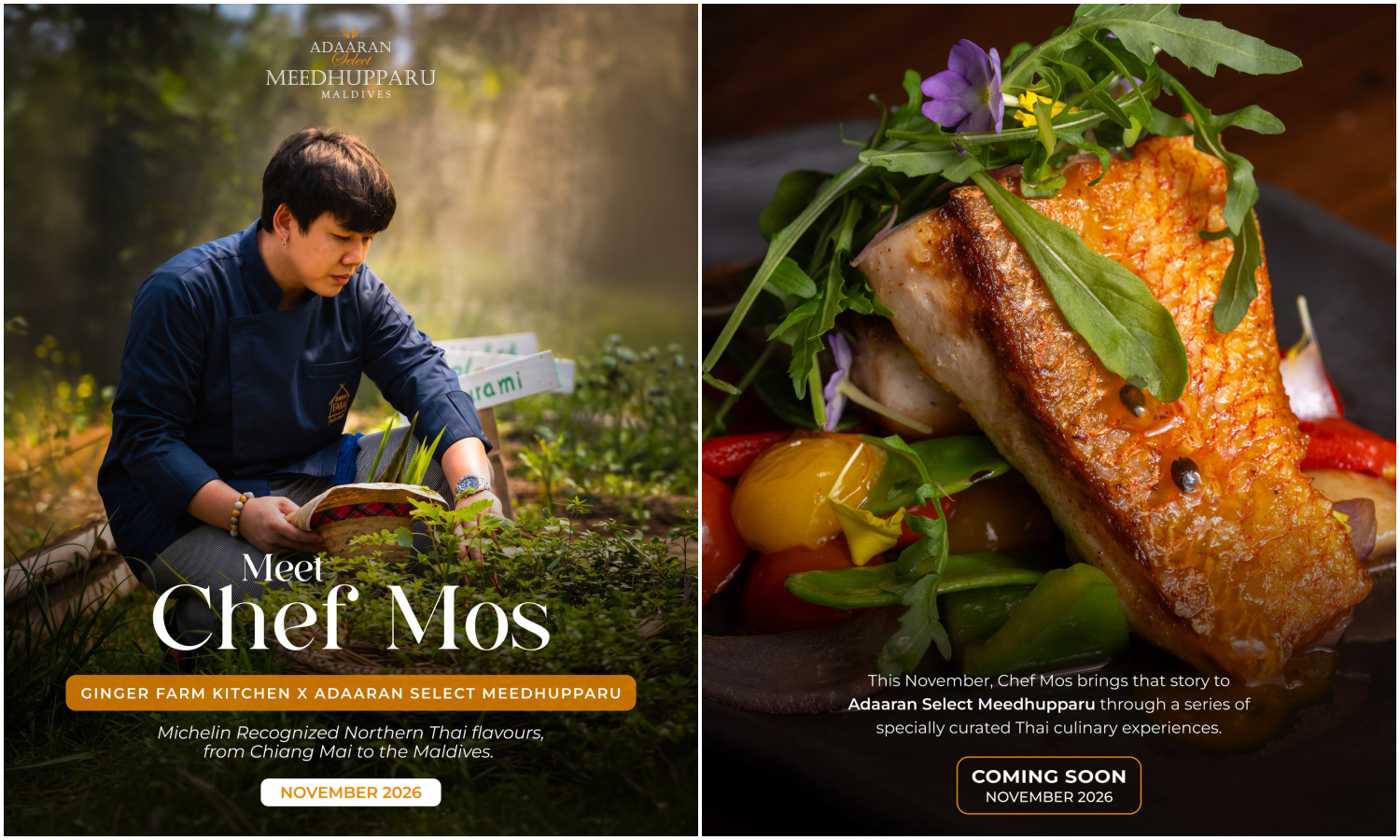
This November, Adaaran Select Meedhupparu welcomes a taste of Northern Thailand as Michelin recognized Ginger Farm Kitchen and The House by Ginger arrives in the Maldives for a special culinary collaboration inspired by the traditions, ingredients and home cooking of Chiang Mai.
Born and raised in Chiang Mai, Chef Mos brings with him a strong connection to the food of Northern Thailand and the philosophy behind Ginger Farm Kitchen, a restaurant concept that began on a working farm in Saraphi, just outside the city.
What started as a family space for children and visitors to experience rice planting, harvesting and traditional farm life gradually evolved into the brand’s distinctive Farm to City philosophy.
Today, Ginger Farm Kitchen celebrates authentic Thai home cooking, with an emphasis on Northern Thai flavours, family recipes, local produce and time-honoured cooking techniques.
Chef Mos will bring this spirit to Adaaran Select Meedhupparu through a series of specially curated culinary experiences on 8 and 9 November 2026.
On 8 November, guests can begin with an intimate, hour-long cooking demonstration. The session will showcase three Thai favourites: Tom Kha with chicken, Pad Thai with prawns or chicken, and Thai green curry with chicken, offering an opportunity to discover the ingredients and techniques behind each dish.
That evening, the experience continues at Tawa with an exclusive five-course wine pairing dinner. The menu combines Thai flavours with contemporary presentation, beginning with Ma Hor and prawn spring roll, followed by crab pani puri with coconut citrus sauce, Burmese tea leaf salad with soft-shell crab and Tom Yum lobster bisque.
For the main course, guests can choose between beef Massaman with garlic mashed potatoes, burnt leeks and Thai gremolata, or grilled sea bass with Tom Kha sauce, crab salad and jasmine rice. A lemongrass panna cotta with tropical fruits and mango and passion fruit sauce brings the evening to a close.
On 9 November, the focus shifts to a more relaxed Thai street-food and BBQ dinner on the beach. The buffet will feature favourites including chicken satay, spring rolls, Thai pineapple fried rice, seafood Tom Yum, Massaman curry, pomelo salad and Pad Ka Prao Neur. Live stations will serve freshly prepared Pad Thai with prawns and Khao Soi chicken curry noodles, followed by mango sticky rice for dessert.
The collaboration also brings recognised culinary pedigree. Ginger Farm Kitchen’s original Chiang Mai restaurant at One Nimman received Michelin Bib Gourmand recognition from 2020 to 2023.
From Chiang Mai’s farms to the shores of the Raa Atoll, Ginger Farm Kitchen x Adaaran Select Meedhupparu brings guests closer to the roots of Thai cuisine through shared dining, authentic flavours and chef-led discovery.
For more information and bookings, please visit the resort’s website.
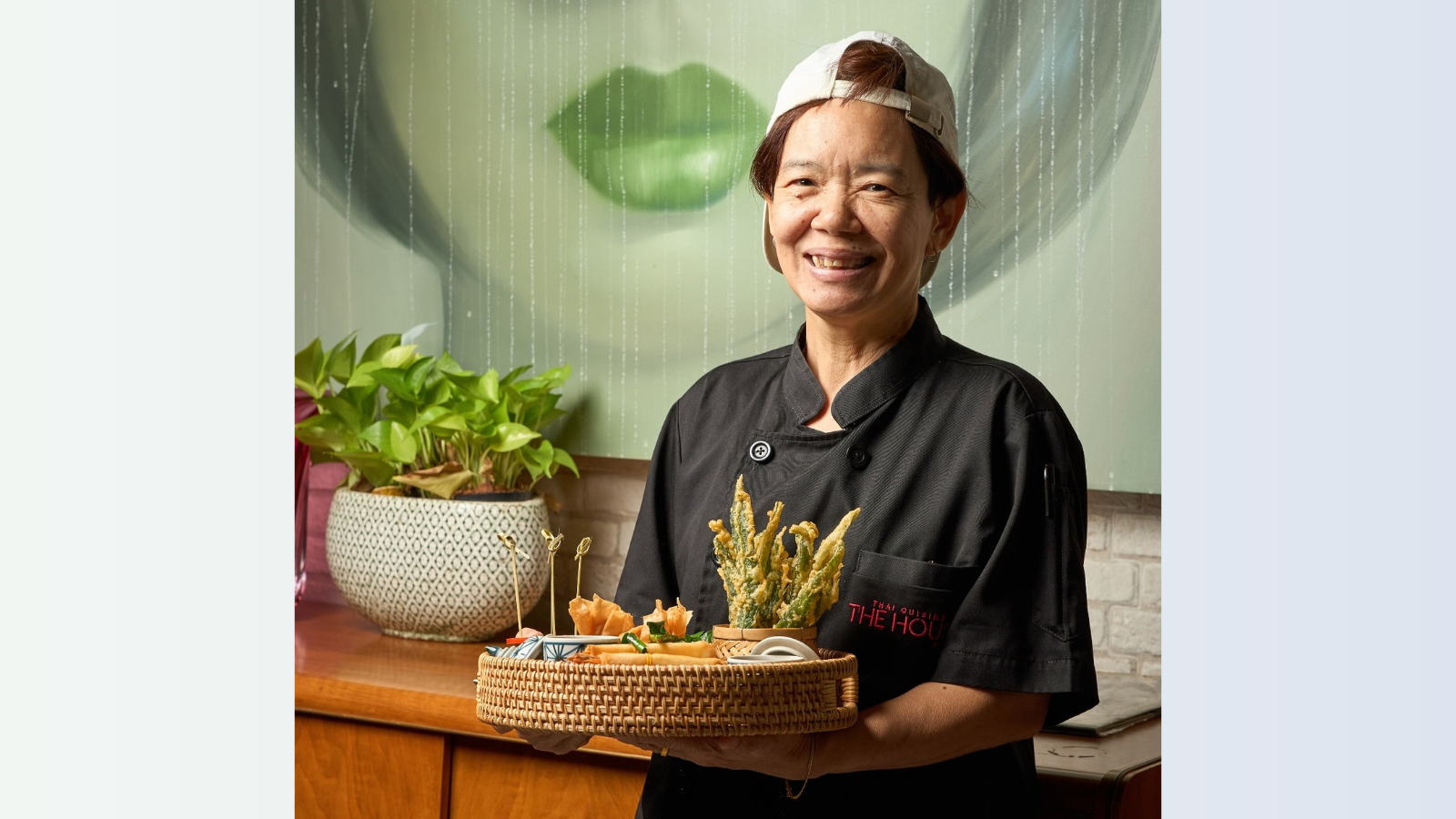
This November, the flavours of Chiang Mai arrive in the Maldives as Michelin recognised The House by Ginger and Ginger Farm Kitchen joins Heritance Aarah for a special culinary collaboration celebrating the depth, character and creativity of Thai cuisine.
Taking place from 4-6 November 2026, the collaboration will see Chef Aree bring the culinary identity of The House by Ginger to the shores of the Raa Atoll through a series of curated dining experiences, chef-led demonstrations and vibrant Thai flavours.
Based in Chiang Mai’s Old City, The House by Ginger has been part of the city’s dining scene since 2004. Set within a restored heritage house dating back to 1937, the restaurant brings together Thai culinary traditions, regional ingredients and contemporary interpretation. Its approach is rooted in cooking from scratch and respecting the stories behind familiar Thai dishes, while presenting them with a distinctive modern character.
At Heritance Aarah, guests will have several opportunities to experience this philosophy throughout the week.
On 4 November, Ralu will host a special Thai à la carte experience featuring familiar favourites such as chicken satay with peanut sauce, som tum, green curry, seafood hor mok, stir-fried chicken with cashew nuts, pad Thai and mango sticky rice.
For a more refined expression of the collaboration, wine pairing dinners on 5 November will explore Thai flavours through a contemporary five-course menu. Dishes include crab pani puri with coconut citrus sauce, Burmese tea leaf salad with soft-shell crab, Tom Yum lobster bisque and mains such as beef Massaman with garlic mashed potatoes or grilled sea bass with Tom Kha sauce. The evening concludes with lemongrass panna cotta accompanied by tropical fruit.
Guests can also get closer to the techniques behind the cuisine through cooking demonstrations on 5 November, featuring Thai favourites including Tom Kha, pad Thai and green curry.
The experience becomes more relaxed on 6 November, when Thai street food takes centre stage. Live cooking stations and a generous selection of dishes will bring together everything from chicken satay and spring rolls to Khao Soi, seafood Tom Yum, Massaman curry and mango sticky rice.
The collaboration adds another dimension to Heritance Aarah’s already diverse culinary story, creating an opportunity for guests to discover Thai cuisine through both traditional flavours and contemporary presentation.
For 3 days this November, Chiang Mai meets the Maldives through food, craft and shared culinary discovery at Heritance Aarah.
For more information and bookings, please visit the resort’s website.
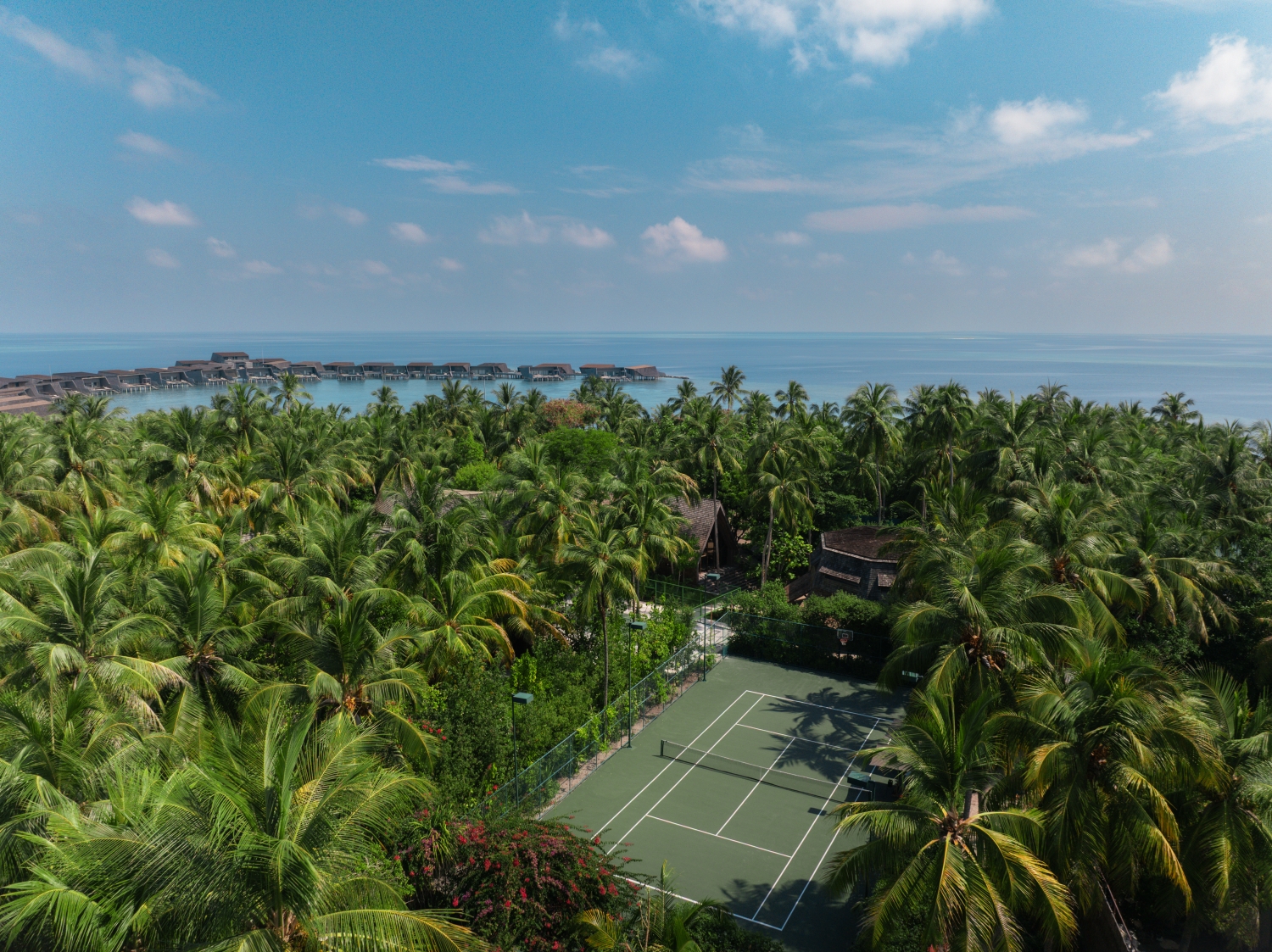
The St. Regis Maldives Vommuli Resort has announced a special edition of The Astor Club Soirée in partnership with LUX Tennis, welcoming three of the sport’s most accomplished players, Daniil Medvedev, Paula Badosa, and Donna Vekić, for a series of tennis residencies from October 26 through November 30, 2026. Taking place at the Maldives’ finest address, the program will feature private coaching sessions, group clinics, junior development activities, and guest appearances, offering participants direct engagement with some of tennis’s most recognized names.

The Astor Club Soirée Tennis Series will commence with Donna Vekić from October 29 to November 1, 2026. One of Croatia’s most accomplished tennis players, Vekić has captured five WTA singles titles throughout her career and achieved a career-high ranking of World No. 17. Her recent achievements include a silver medal at the Paris 2024 Olympic Games, a semifinal appearance at Wimbledon, and victory at the prestigious Queen’s Club Championships in 2026. Renowned for her powerful playing style and competitive spirit, Vekić will share her expertise through a series of guest sessions designed for players of all levels.

From November 13 to 14, 2026, the resort will welcome Paula Badosa, one of the most inspiring players on the WTA Tour. After capturing the French Open Girls’ title and turning professional in 2015, Badosa rose steadily through the ranks to reach a career-high World No. 2 ranking in 2022. Following a determined comeback from injury setbacks, she re-established herself among the world’s elite with a title run at the Washington Open, a quarterfinal appearance at the US Open in 2024, and an Australian Open semifinal appearance in 2025. Guests will have the chance to spend time with one of modern tennis’ most resilient and admired competitors through a series of coaching and on-court sessions.

The pinnacle of the series arrives November 26 to 27, 2026 with the highly anticipated residency of Daniil Medvedev, former ATP World No. 1 and one of the defining champions of his generation. Widely regarded as one of the most accomplished players in contemporary tennis, Medvedev’s distinguished career includes a historic US Open title, multiple ATP Masters 1000 victories, ATP Finals success, and numerous Grand Slam final appearances.
Celebrated for his tactical brilliance, relentless competitiveness, and commanding presence on court, Medvedev has consistently performed at the highest level of the sport while establishing himself as one of tennis’ most influential global stars. As the headline appearance of The Astor Club Soirée Tennis Series, he will lead a schedule of private lessons, clinics, and guest events throughout this stay.
“The Astor Club Soirée was created to bring influential figures in sport and culture to The St. Regis Maldives Vommuli Resort through bespoke guest programming,” says Ozgur Cengiz, General Manager of The St. Regis Maldives Vommuli Resort. “We are pleased to welcome Daniil Medvedev, Paula Badosa, and Donna Vekić, whose achievements have made a lasting impact on professional tennis. Their presence reflects our continued focus on presenting distinctive experiences that inspire, engage, and leave a lasting impression on our guests.”
Designed for aspiring young athletes, tennis enthusiasts, and seasoned players, each residency offers a unique opportunity to learn directly from some of the sport’s most accomplished professionals.

The Astor Club Soirée forms part of The St. Regis Maldives Vommuli Resort’s signature platform for distinctive guest programming. Inspired by the Astor family’s appreciation for sports, culture, and refined leisure, The Astor Club Soirée unites influential figures from around the world through engaging experiences that inform, inspire, and connect, embodying the quintessential St. Regis tradition of bringing people together through personalized service.
For more information, please visit stregismaldives.com.

-

 Cooking1 week ago
Belgian Chef Wout Bru to bring exclusive dining experiences to Meyyafushi, Fushifaru Maldives
-

 News1 week ago
.Here Baa Atoll completes two-island concept with opening of Nowhere Private Island
-

 News1 week ago
Patina Maldives announces Orthodox Christmas celebrations with Russian cuisine and live entertainment
-

 Cooking1 week ago
Award-winning Pastry Chef Elena Nabiullina brings contemporary pâtisserie to The Nautilus Maldives
-

 News7 days ago
Six Maldives spas operated by Mandara Spa recognised in global top 100 list
-

 Action7 days ago
Adaaran Select Hudhuran Fushi brings together 40 women for surfing, wellness retreat
-

 Cooking1 week ago
Barceló Nasandhura Malé partners with Ministry of Crab for rooftop dining experience
-

 News1 week ago
COLOURS OF OBLU reveals festive experiences for families and couples across four resorts