

Featured
Reaching zero: Soneva, Biogents lead way in sustainable pest management in Maldives


As regular guests to the Maldives might know, the islands can often be prone to large populations of mosquitoes, particularly during the monsoon season.
Mosquito-borne illness is a concern in the Maldives, although it varies by island and by time of year. The island nation has been malaria free since 1984; however, cases of dengue and chikungunya are still found on some local islands.
While many resorts use chemical fogging to manage the mosquito population, Soneva recently revealed that for more than a year they have been working with Biogents, a company on the forefront of international mosquito control research, in order to introduce a sustainable, insecticide-free mosquito management system.
The aim of this partnership between Soneva and Biogents is to bring the mosquito population on the island of Kunfunadhoo, the home of Soneva Fushi, down to zero, to show the international community that it is possible to use sustainable insecticide-free alternatives in mosquito control, and to be the first mosquito-free island in the Maldives.
“Improving the efficacy of mosquito traps has always been the core expertise of Biogents. So, we had the right tools to offer, but the approach also needs a solid understanding of mosquito ecology,” said Dr Andreas Rose, Co-Founder and Management Board Member at Biogents.
“Soneva really understands this, and thanks to the vision and expertise of all the involved partners, the project is indeed setting new standards.”

Starting July 2019, a month into the operation, a sharp decline in the number of mosquitoes trapped on the island was already observed, and today the mosquito population has been reduced by around 95-98 per cent.
Soneva’s target is to eliminate all mosquitoes on Kunfunadhoo island by the end of 2020.
Biogents has assured Soneva that eliminating mosquitoes from the island will have no impact on the local food chain and ecosystems, as Kunfunadhoo has low biodiversity and no freshwater aquatic ecosystems where mosquito larvae are a necessary part of the food chain.
“The adoption of this project by Soneva is exemplary and sets an example for the rest of the world on how sustainable and environmentally-friendly mosquito management can replace the indiscriminate use of chemical pesticides,” said medical entomologist Bart GJ Knols, who together with Soneva’s Integrated Pest Control Manager Akib Jahir leads the implementation of the project on Soneva Fushi alongside Biogents and Soneva.
The halting of chemical fogging has also resulted in the appearance of a greater diversity of flora and fauna on the island.
Before the partnership with Biogents, the mosquito population at Soneva Fushi was managed by a conventional pest control company with hot fogging and mist blowing.
However, the mosquito population built strong resistance to this treatment over time, rendering it ineffective. Fogging is also directed against adult mosquitoes only.
While mosquitoes turned resistant, the fogging reduced the number of other insects usually found on Kunfunadhoo Island, including species of butterflies, dragon flies, bumble bees, beetles and more.
Now, with the new mosquito management system, guests and hosts alike have seen an increase in the Maldives’ native insects. These natural pollinators are now back in abundance, which means there are more flowers, more fruits and Soneva Fushi’s organic gardens are thriving as a result with more produce to serve its restaurants.
With the increase in fruits and insects, there are also more birds visiting the shores of Kunfunadhoo and fire flies are once again spotted at night.
“At Soneva, we have always used nature as an inspiration for our innovation. In fact, our organisational structure is inspired by the relationship of the planets to each other. In the middle of last year at Soneva Fushi, we set a target to become the first island to be completely mosquito free,” said Sonu Shivdasani, Soneva’s CEO and Co-Founder.
“We installed more than 500 Biogents traps throughout the island. While some mimic mosquito breeding sites, others hold a sachet that mimics human sweat with the smell of lactic acid. We also add a mix of sugar water and yeast as a means to produce carbon dioxide, mimicking exhaled human breath. So, these traps smell and breathe like a human being. The mosquitoes are lured into a catch-bag where they dry out and die.”

Two types of mosquito traps, with a total of more than 500, have been deployed across the island: the BG-GAT, which is a passive trap for egg-laying tiger mosquitoes that have bitten someone and are searching for a place to lay eggs; and the BG-Mosquitaire CO2, which attracts mosquitoes in search of blood.
Carbon dioxide, produced through yeast and sugar fermentation helps attract the mosquitoes in combination with lactic acid that humans emanate from the skin.
In tandem to placing the traps, Knols and Jahir also educated Soneva Fushi’s hosts about mosquito breeding sites and how to reduce the amount of stagnant water found on the island. This included reducing the use of tarpaulins, island clean-up days to remove coconut shells and any other objects that could contain water, and daily inspections of island sectors for the presence of mosquito larvae.
Recently, Soneva gifted a number of mosquito traps to the parliament in Male, the capital of the Maldives, and is currently deploying traps at Soneva Jani in the Noonu atoll. There, in a time-frame of 48 hours, a single BG-Mosquitaire CO2 trap caught a record number of 2,972 mosquitoes.
“In the first weeks of implementing this, the traps caught up to 9,000 mosquitoes a day, on average 20 mosquitoes per trap. Since then, this number has reduced to single digits. We have two mosquito species on the island, the Aedes and the Culex. The Culex is nearly extinct and we hope that the Aedes will soon follow,” said Sonu.
“It is my hope that this will be a perfect example of how closely following and understanding the laws of nature, and innovating around it, one can find solutions that end up being more effective than solutions that are the result of bioengineering.”
In 1995, the award-winning luxury resort Soneva Fushi set the standard for all desert island barefoot luxury hideaways in the Maldives. Located in the Baa Atoll UNESCO Biosphere Reserve, Soneva Fushi pairs the castaway fantasy with intelligent luxury.
Stay in one of the 63 island villas, ranging in size from one to nine bedrooms, and eight one- and two-bedroom Water Retreats.
Each island villa comes with its own stretch of beach, most have their own pools, and are hidden among dense foliage within touching distance of a pristine coral reef. The Water Retreats all have water slides into the sea below, private pools, and Soneva’s iconic retractable roof above the master bed.
Intuitive service is provided by Mr./Ms. Friday butlers.
Highlights include the outdoor Cinema Paradiso, exploring the cosmos at the high-tech Observatory, indulging in the complimentary chocolate, ice cream and cheese rooms, five hundred wines to choose from, and 11 restaurants and bars.
Soneva’s floating villa concept, Soneva in Aqua, is a luxury two-cabin yacht that sets sail from Soneva Fushi and Soneva Jani.
Explore the treasure trove that is the children’s Den, that comes with a Lego room, dress up room, two pools, a water slide and more.
There is a multi-purpose facility that encompasses the Maldives’ only hot glass studio, the glass gallery, and boutique where guests can learn the art of glassblowing.
If the experiences are magical, the philosophy is simple: No news, no shoes. No pretensions either.


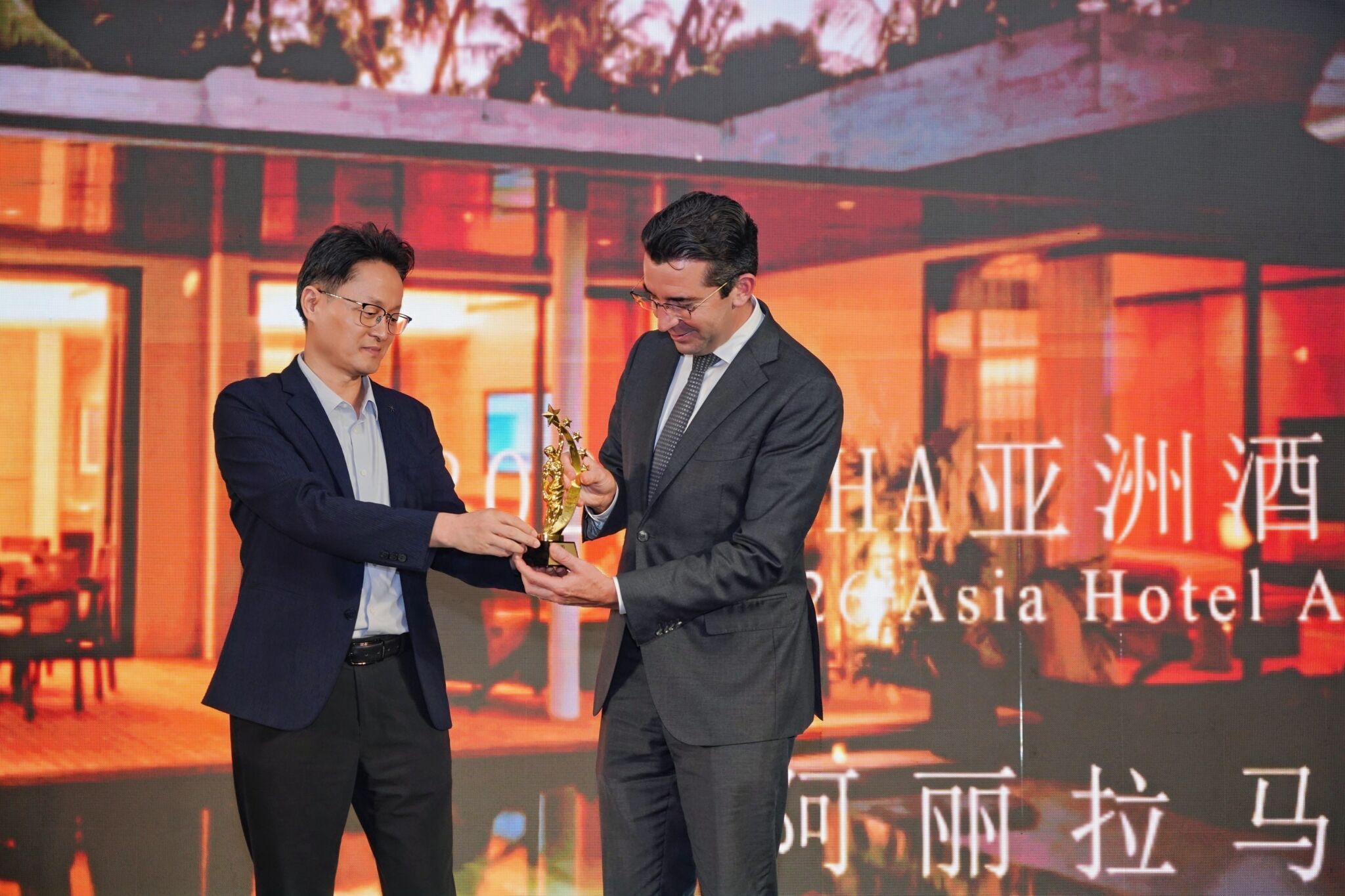
Alila Kothaifaru Maldives has been named Best Resort of the Year at the 2026 AHA Asia Hotel Awards, held at Capella Bangkok in Thailand. The recognition places the resort among leading hospitality properties across Asia, acknowledging its approach to luxury hospitality, guest experiences, design and service.
The award was presented during the 15th edition of the ceremony, which marked a milestone in the programme’s history. Established in 2010 by LIFESTYLE Magazine as the CHA China Hotel Awards, the programme expanded in 2026 to become the AHA Asia Hotel Awards, bringing together hotels and resorts from across the region.
The decision to host the gala in Bangkok for the first time reflected the programme’s broader ambition to recognise achievements in hospitality beyond China. The ceremony brought together hospitality leaders and industry representatives to celebrate achievements in luxury accommodation, resort experiences, design, wellness and service.
Alila Kothaifaru Maldives received the Best Resort of the Year award in recognition of its approach to providing guest experiences that combine contemporary design, personalised service and a connection to the island’s natural surroundings.
“To receive this recognition alongside some of Asia’s most respected hospitality names is a proud moment for all of us at Alila Kothaifaru Maldives,” said Thomas Weber, General Manager.
“Our island has its own character, and we have always believed that the most meaningful experiences come from allowing guests to discover it at their own pace. This award belongs to our team, whose care, dedication and genuine warmth bring that philosophy to life every day. We are equally grateful to our guests for choosing to share their time and special moments with us.”
Located in Raa Atoll, Alila Kothaifaru Maldives features 41 beachfront villas, 36 overwater villas, three two-bedroom beach villas and the Boduge Residence. Each accommodation category includes a private pool, with designs intended to offer privacy while maintaining a connection to the island’s landscape and surrounding Indian Ocean.
The resort offers a range of experiences centred on its location, including guided house reef exploration with marine experts, underwater activities and opportunities to learn about Maldivian traditions through cultural programmes.
Its dining experiences include seafood and international cuisine, as well as private dining arrangements on The Shack, a secluded sand cay. Spa Alila offers treatments and wellness programmes designed around relaxation and wellbeing.
“An award such as this reflects the dedication of many people working together, often through the smallest details that guests may never see,” said Jamal Ahmed, Resort Manager.
“We take great pride in creating an atmosphere where service feels personal and unforced, and where every guest feels genuinely welcomed. It is especially rewarding to see the efforts of our colleagues recognised on a regional stage.”
The latest recognition follows another achievement for Alila Kothaifaru Maldives in 2026, when the resort received the Tripadvisor Travellers’ Choice Award. The accolade places the property among the top 10 per cent of hotels worldwide based on traveller reviews and ratings.
The two awards recognise the resort’s performance from both industry and guest perspectives, reflecting its focus on service standards, guest satisfaction and experiences connected to the Maldivian environment.
Alila Kothaifaru Maldives continues to focus on delivering personalised hospitality, maintaining service standards and developing experiences that allow guests to explore the natural and cultural attractions of the Maldives.
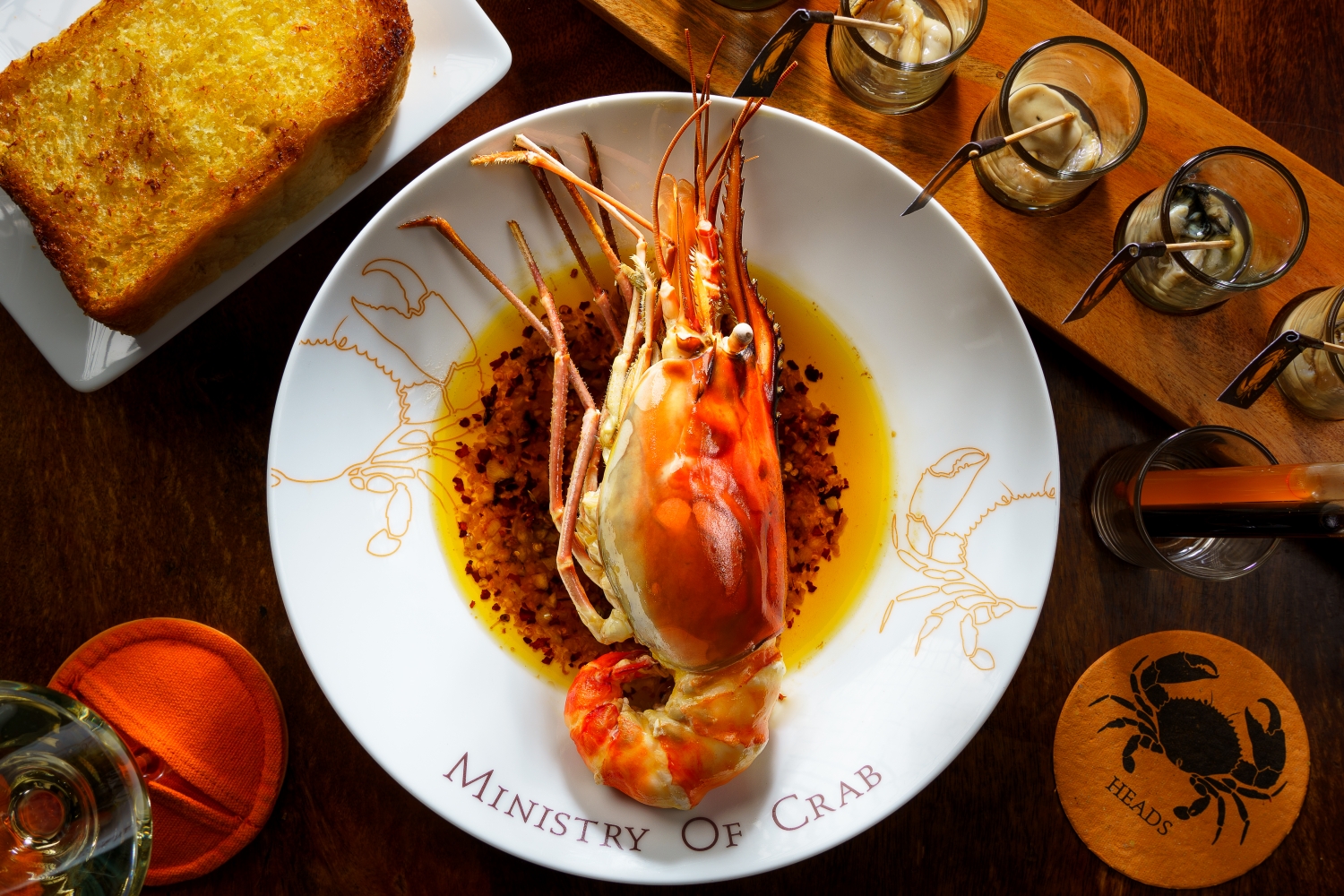
Barceló Nasandhura Malé has announced an exclusive two-night gastronomic pop-up collaboration featuring the celebrated flavours of Ministry of Crab at B.Heaven Rooftop on 13 and 14 November 2026.
Created by internationally acclaimed chef-restaurateur Dharshan Munidasa, Ministry of Crab is a distinguished fixture on Asia’s 50 Best Restaurants list. Known also for Carne Diem Grill at Crossroads Maldives, the country’s only restaurant featured in 50 Best Discovery this year, Chef Dharshan’s culinary philosophy will be brought to life in Malé through an extraordinary showcase of iconic Sri Lankan mud crab and freshwater prawn specialities.

Hosted against the panoramic ocean backdrop of B.Heaven Rooftop, this landmark commercial engagement brings Ministry of Crab’s world-renowned culinary philosophy to the Maldivian capital. Built on a foundation that prioritizes ingredient freshness above all else, Ministry of Crab operates under a strict “no-freezer” policy. The event will feature export-quality Sri Lankan mud crabs and majestic freshwater prawns flown in fresh for the two-day dining showcase.

“We are delighted to bring the iconic flavours to Barceló Nasandhura Malé this November,” said Enric Reina, Hotel Manager at Barceló Nasandhura Malé. “This partnership marks a significant milestone for both our hotel and the capital’s dining scene as we elevate the local epicurean landscape, offering our resident guests and Malé’s culinary connoisseurs a rare opportunity to experience award-winning gastronomy.”

Chef Dharshan Munidasa commented on the collaboration: “Maldives holds a special place in the regional food landscape, surrounded by the same pristine Indian Ocean waters that inspire much of my culinary work. Partnering with Barceló Nasandhura allows us to showcase our iconic Ministry of Crab signature dishes—from our Garlic Chili Crab to our hand-crushed Pepper Crab—alongside exclusive preparations crafted specifically for B.Heaven Rooftop.”
Over the course of this limited two-day engagement, guests will indulge in a curated menu highlighting Ministry of Crab’s flagship preparations.
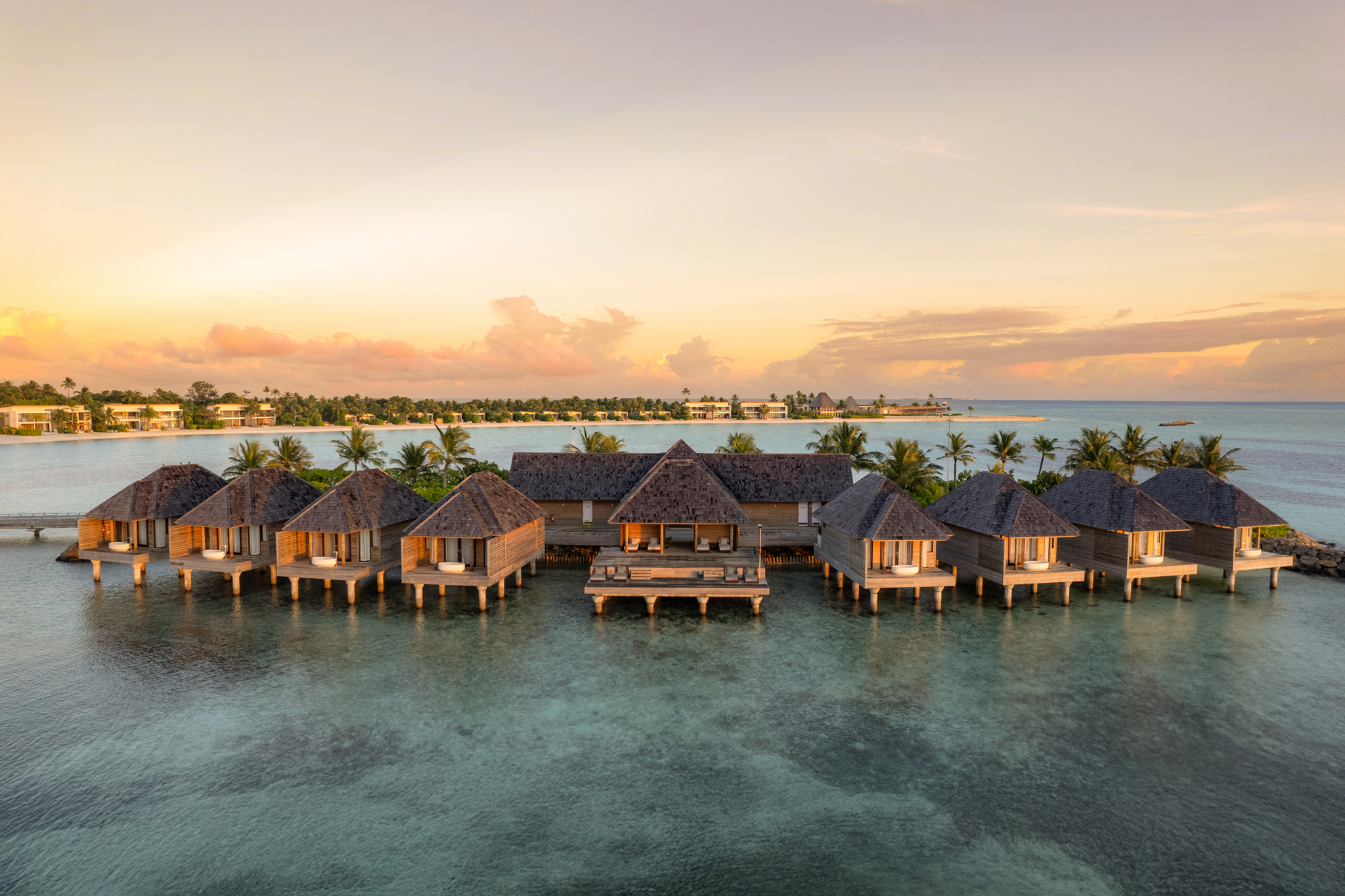
Kuda Villingili Resort Maldives has been included in the 2026 selection of the MICHELIN Guide, recognising the independently owned Maldivian resort for its hospitality, facilities and guest experiences.
The MICHELIN Guide’s hotel selection features properties from around the world, assessed against five criteria: connection to the destination, architecture and design, quality and consistency of service, authenticity and character, and value for the experience offered.
Located in North Malé Atoll, approximately 30 minutes by speedboat from Velana International Airport, Kuda Villingili features 75 villas, including 36 overwater villas, each equipped with a private pool. The resort caters to couples, families and groups of friends, offering accommodation and facilities designed to accommodate different guest preferences.
The resort offers eight dining experiences, an overwater spa, a 150-metre swimming pool, and a range of sports and wellness facilities. Its location near Chickens Break, one of the Maldives’ established surfing destinations, provides guests with access to surfing activities alongside other water-based experiences.
Kuda Villingili has also received Green Globe certification for the third consecutive year, reflecting its efforts in environmental sustainability and community engagement.
“Being selected for the MICHELIN Guide is a meaningful recognition for Kuda Villingili and, above all, for our team. Every day, our ambassadors bring warmth, care and individuality to the guest experience. This recognition reflects the passion behind what we have created together and encourages us to continue evolving while remaining true to who we are,” said Amjad Thaufeeg, Commercial Director of Kuda Villingili Resort Maldives.
The resort’s hospitality concept focuses on providing guests with flexibility to personalise their stays through activities including surfing, wellness, dining and family experiences, as well as opportunities for relaxation.
The inclusion in the MICHELIN Guide’s 2026 hotel selection represents another development for Kuda Villingili as it continues to position itself within the Maldives’ luxury hospitality sector under its brand philosophy, Time and Space Redefined.

-

 Awards1 week ago
Cinnamon Maldives resorts celebrate triple win at SATA 2026
-

 Action1 week ago
Four Seasons Resorts Maldives honoured for 25 years of marine conservation efforts at HICAP 2026
-

 Fashion1 week ago
KAYALI showcases Maldives as luxury brand destination with first global trip
-

 Cooking1 week ago
Milaidhoo Maldives welcomes Chef JKP for culinary workshop, wine-pairing dinner
-

 Awards1 week ago
ELE|NA recognised for excellence in wellness hospitality at SATA 2026
-

 News1 week ago
The Standard, Huruvalhi Maldives to introduce refreshed villas, dining and wellness facilities
-

 News1 week ago
Sheraton Maldives launches festive offer with up to 20% savings on stays
-

 News6 days ago
Patina Maldives announces Orthodox Christmas celebrations with Russian cuisine and live entertainment