

Action
Great night life in Maldives with ‘Bodu Beru’


By Niuma Ugail
It so happens that Lisa from North Yorkshire, England was browsing through various holiday brochures. For her next holiday, she wants to visit an exotic place. The Maldives, of course is a place she has heard of, but never visited before. Stunning weather, pristine beaches and clear waters – that’s what comes to her mind when she thinks of the Maldives.
Then, a thought crossed her mind, “What about night life? Apart from watching the shimmering night sky and counting stars, what else can I do during evenings in a quite place like the Maldives?”
Well, your choices on pub crawling might be rather limited when you are holidaying in a remote island. However, nightlife in the Maldives is far from boring. There is a variety of options to choose from. As the saying goes, when in Rome do as Romans do, and so when you are in a remote island in the Maldives you must experience night life the Maldivian way.
In this respect, the traditional Maldivian music and dances are not to be missed. Bodu Beru, Thaara, Lagiri and Bandiya are some examples of how the locals combine traditional music with local dance moves. In particular, experiencing the famous Maldivian cultural dance of Bodu Beru is certainly a must.

Bodu Beru performers on a resort island in Maldives. PHOTO/ COCO COLLECTION
Bodu Beru in local Dhivehi language literally means the “Big Drums”. It has its origins and roots in East Africa, and therefore Bodu Beru invokes a certain type of inner feelings that one cannot explain. Historians believe that music came to the islands of the Maldives around the 11th or 12th Century AD – this is something the Africans and the Arabs passed to the islanders on their route to Asia. Like everything else, the traditional forms of this type of music and dance moves have evolved over the years and have neatly blended in with modern cultural norms.
When first seen, Bodu Beru would appear to be a mindless form of dance without any particular structure to it. However, this is far from it. In Bodu Beru, usually there are 10 to 15 people in a group. There is a lead singer who sings a traditional song and the rest sings the chorus. There are five to six drummers called Beruverin. The Beru or the drum is the main and most special instrument used in this traditional music. The drum itself is locally crafted with material readily available on the islands. For example, to craft a good drum one needs a piece of hollowed coconut wood with both ends of it covered either by manta ray or goat skin. A coir fibre wire can be tied to the wood piece which acts as a strap.
To play Bodu Beru, one would need to wear the traditional costume – usually a sarong and a white shirt. All the members in the band wear the same design of clothes. A typical Bodu Beru dance takes place on an open sandy beach where one half of the drummers will often face the other half, all standing in a row. The drum master will often sit at the centre, with a big drum giving the tempo and leading the rest of the musicians.

Tourists join in and dance during a performance of Bodu Beru. PHOTO/ KURUMBA MALDIVES
The most interesting and intriguing thing about Bodu Beru is that it gets people to stand and dance – perhaps because of its original connection to Africa! The music starts with a slow beat and in due course would lead to a hyperactive and almost to a frantic set of beats and moves. When the tempo of the music increases it naturally allows dancers to move all around in an improvised stage, in a very ample way, turning and twisting their bodies, moving their arms up and down, looking at each other or not, entering into some kind of phase that appears to be uncontrollable. The moves all come together in response to the beating of the drums. Along with the drums, dancers slowly start to sing a slow traditional Dhivehi song in a very languorous voice that progressively rise and speed up. As the song continues, the rhythm picks up and people come out of the chorus and dance to the music. As the rhythm of the drums takes on the night, the scene and the music can quickly become hypnotic. If you have the desire to invoke an inner state in you and increase the dopamine level in your brain without resorting to an illicit substance, then Bodu Beru certainly is the choice for you.
For a tourist, the traditional Bodu Beru dance is on the menu in almost all resort islands. Usually there are two to three evenings in which Bodu Beru is performed on resort islands. During those nights, guests can join the fun and are encouraged to join the chorus, singing and clapping along to the music. The Bodu Beru songs usually have rhyming words which makes it easy to follow and sing along, even if you do not understand Dhivehi. More importantly, the dance moves, surely, are easy to pick up. Besides, once you start moving to the rhythm of Bodu Beru, the “inner dancer” gets invoked, even if you have never danced before!
Note: Niuma Ugail is a Maldivian journalist currently reading for the BA in Public Relations with Journalism course at Leeds Beckett University in the UK.


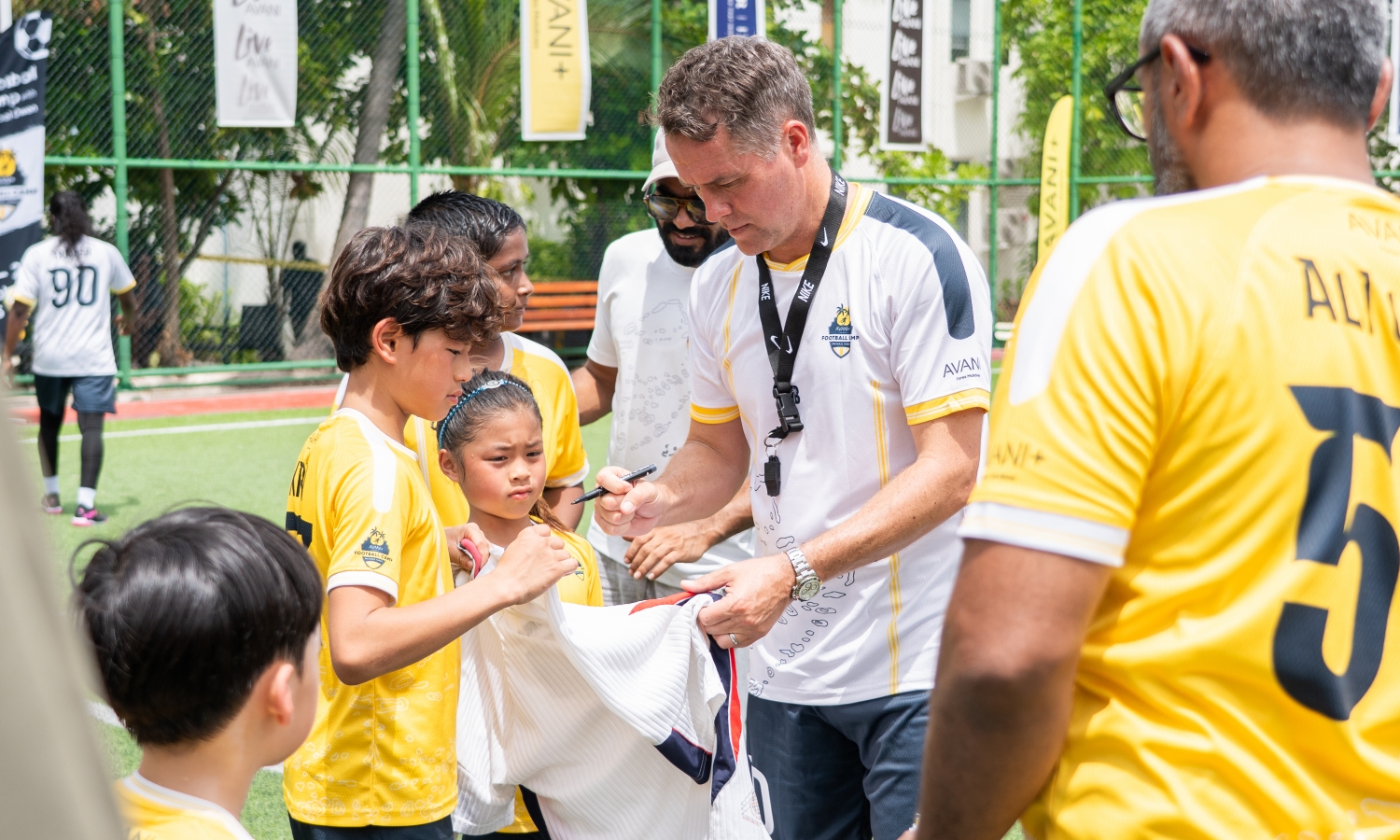
Avani+ Fares Maldives Resort has announced the return of former England striker and Ballon d’Or winner Michael Owen for a third Kids’ Football Camp, scheduled from 14 to 17 October 2026.
The four-day programme will be open to children aged five to 13 of all skill levels, with sessions combining football coaching, skills drills and games alongside beach activities and island experiences. The camp will conclude with a Grand Finale on 17 October, when participating children will receive medals and certificates.

Participation in the camp will be complimentary for guests staying at Avani+ Fares Maldives during the event period.
The October programme will mark Owen’s third football camp at the Baa Atoll resort and his second visit to the property this year, following an Easter edition held in late March and early April. The resort first introduced the programme in October 2025.
The inaugural camp ran from 20 to 23 October 2025, followed by a Grand Finale on 24 October. Owen led coaching sessions on the resort’s football pitch, with the programme designed to give young guests opportunities to learn from the former England international while focusing on football skills, teamwork and participation. The first edition was complimentary for eligible children staying at the resort.
Following the response to the first camp, Avani+ Fares brought Owen back for its Easter programme in 2026. More than 30 children and teenagers participated in the second edition, taking part in daily sessions led by Owen and assistant coaches. Training covered areas including dribbling, passing, positioning and teamwork, with sessions adapted for different ages and ability levels.

The second camp also formed part of a wider programme for families, incorporating activities for children and teenagers beyond the football pitch. Participants concluded the programme with certificates and medals, while opportunities were also provided for meet-and-greet sessions, autograph signings and photographs with Owen.
Owen won the Ballon d’Or in 2001 and represented England during an international career that included appearances at three FIFA World Cups. At club level, he played for Liverpool, Real Madrid, Newcastle United, Manchester United and Stoke City. His involvement in the Avani+ Fares programme has been centred on introducing younger players to football through training and activities within a resort holiday setting.
The third edition will retain the programme’s focus on children aged five to 13, combining coaching with recreational activities during the October school holiday period. According to the resort’s announcement, the camp will include expert coaching, drills for different skill levels, beach games and island adventures before the final session and awards ceremony on 17 October.

Avani+ Fares Maldives Resort is located on Fares Island in Baa Atoll, within the UNESCO Biosphere Reserve and close to Hanifaru Bay. The property offers 176 rooms, pavilions, beach and overwater villas and residences, together with seven dining and bar venues. Its family facilities include AvaniKids, a Teens Club and Petit Bistro, a restaurant dedicated to younger guests.
The resort also provides access to snorkelling and diving on its house reef, alongside water sports, tennis, fitness and spa facilities. Avani+ Fares was named Best Beach Resort at the Travel Trade Maldives Awards 2025, following its Best Dive Resort recognition in 2024.
The return of Owen for a third camp continues Avani+ Fares Maldives’ use of sports-led programmes as part of its family offering, bringing the former England striker back to Fares Island less than seven months after his previous camp.
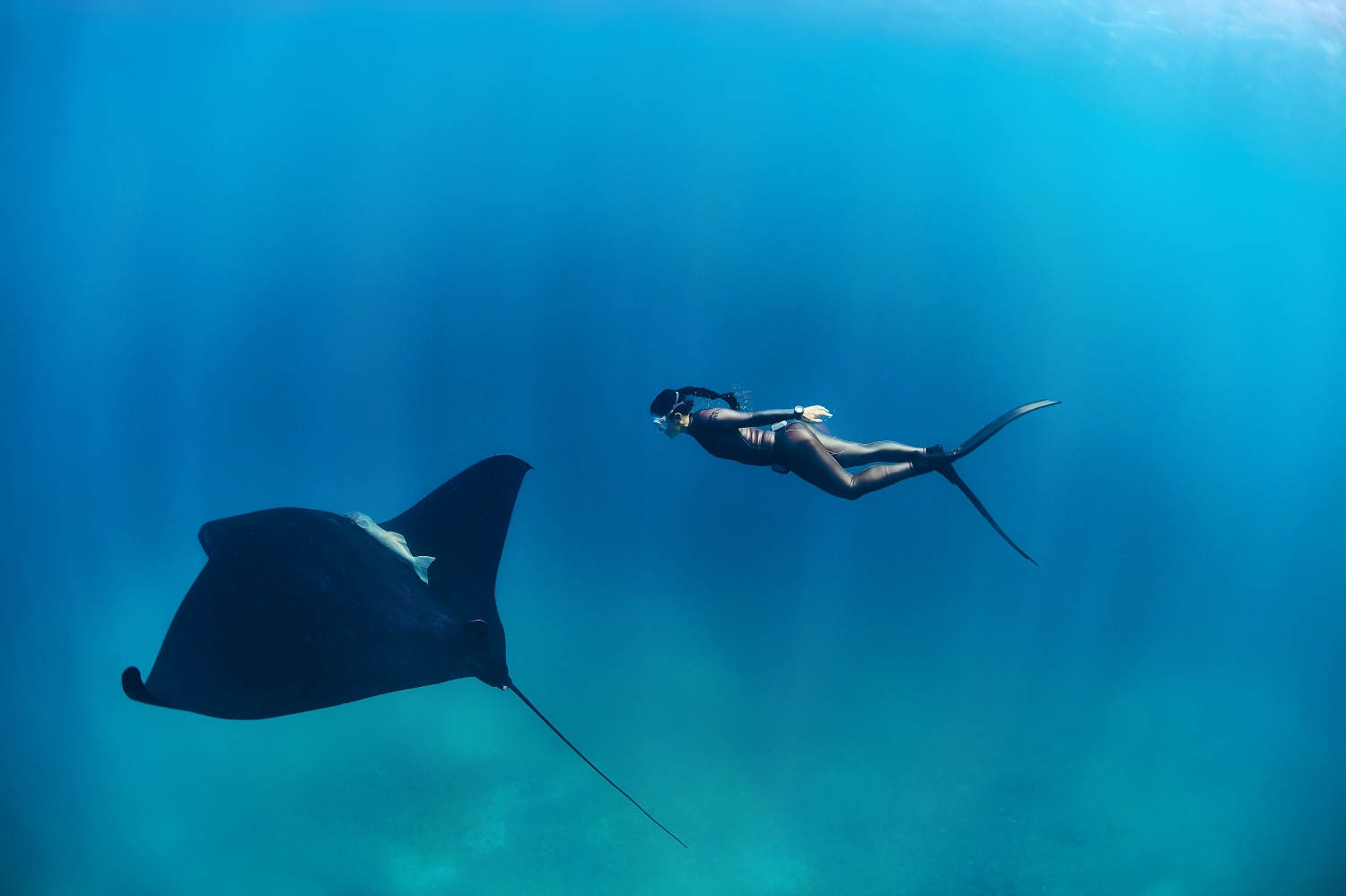
Following the success of her 2025 freediving retreat at Avani+ Fares Maldives Resort, eleven-time freediving world-record holder and ocean conservationist Hanli Prinsloo will return to Baa Atoll this September with an expanded programme across two Minor Hotels resorts.
Hanli will begin with a Family Freediving Retreat at Avani+ Fares Maldives from 7 to 10 September before continuing to NH Collection Maldives Reethi for Into the Blue, a four-night retreat running from 14 to 18 September. Together, the two experiences offer different ways to explore the Baa Atoll UNESCO Biosphere Reserve, from a playful introduction for families to a more immersive programme for beginners and experienced freedivers aged 16 and above.

At Avani+ Fares, Hanli will introduce parents and children to freediving through breathwork, floating, snorkelling, gentle duck dives and underwater games. The focus is not on depth or competition, but on helping families build confidence in the water, understand their breathing and experience the ocean together at a comfortable pace.
The Family Freediving Retreat will open the resort’s annual Ocean Aware Month, a September programme dedicated to marine discovery and conservation. Activities will include coral conservation and planting workshops, underwater photography and videography sessions, beach clean-ups and PADI speciality courses.

On 17 September, Avani+ Fares will celebrate World Manta Day with marine-inspired art workshops for all ages and snorkelling excursions to Hanifaru Bay, known for its seasonal gatherings of manta rays.
“Baa Atoll keeps calling us back,” said Hanli Prinsloo. “Following last year’s retreat at Avani+ Fares, I am excited to return with a full family programme and to continue the journey at NH Collection Maldives Reethi. At Avani+ Fares, we will make freediving playful and approachable for parents and children. At Reethi, guests will have more time to develop their skills through breathwork, training and exploration. Both retreats are about building confidence in the ocean and understanding why this remarkable environment deserves our care.”

In addition, Hanli will host the four-night Into the Blue retreat at NH Collection Maldives Reethi. Open to guests aged 16 and above who are comfortable swimming, the programme combines yoga, meditation and guided breathing with house reef snorkelling, rope freediving and drift dives. Beginners and experienced freedivers can train together while progressing at their own pace.
The retreat will also include an excursion to Hanifaru Bay, approximately 15 minutes from the resort. At Reethi, guests can continue exploring from the island’s house reef, which supports marine life including angelfish, clownfish, reef sharks and sea turtles.

The three-night Family Freediving Retreat at Avani+ Fares Maldives starts from USD 3,160 per person, based on single occupancy. The package includes accommodation, full board, return seaplane transfers and all retreat sessions. Ocean Aware Month activities are complimentary for resort guests, subject to availability.
The four-night Into the Blue retreat at NH Collection Maldives Reethi starts from USD 4,333 net per adult, inclusive of accommodation on full board, return seaplane transfers and the full retreat programme.
For details and reservations, visit world.nh-hotels.com/en/nh-collection-maldives-reethi, email reservations.nree@nhcollection.com or call +960 660 2626.
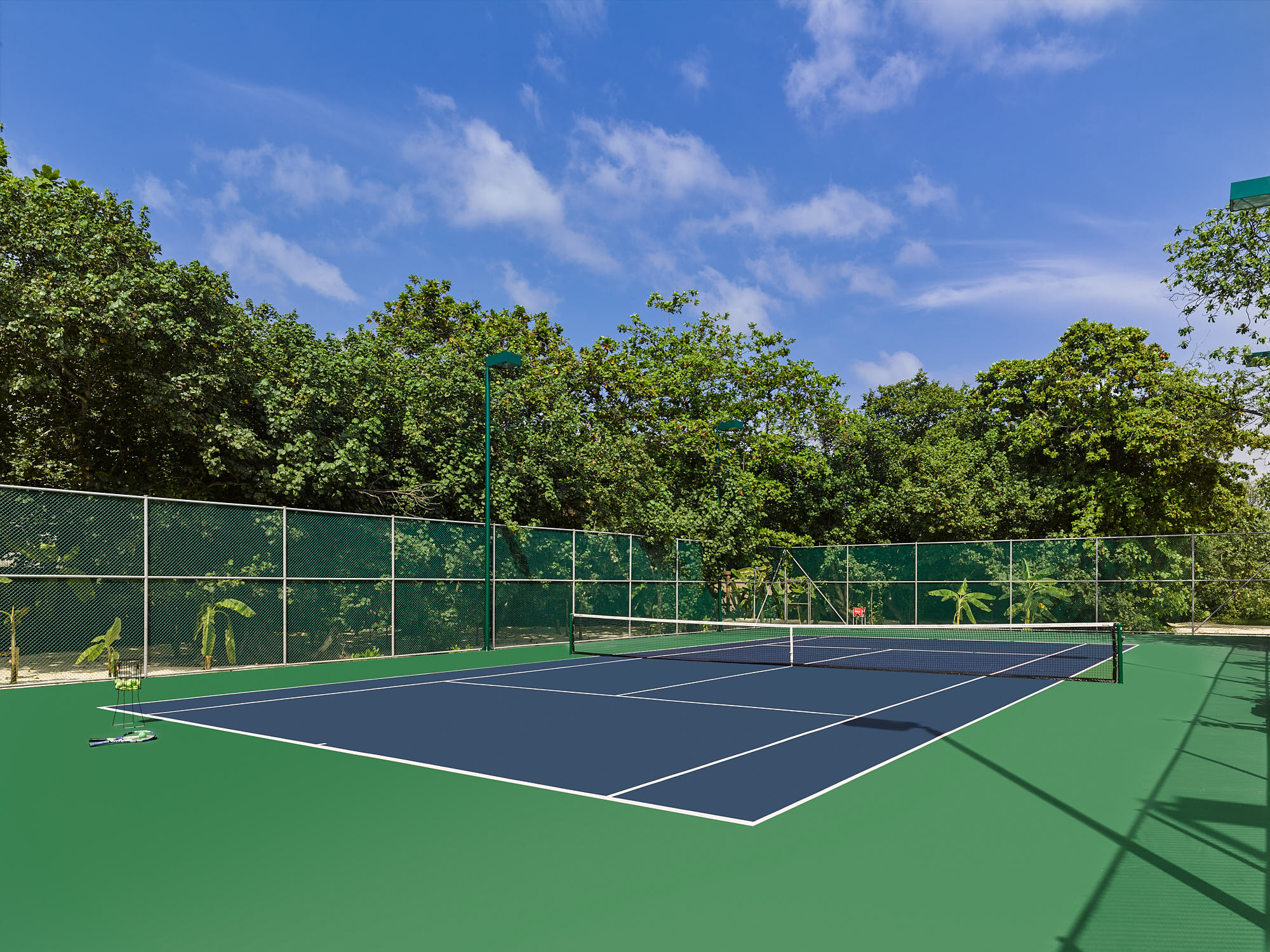
JOALI Maldives has announced two exclusive tennis residencies with Grand Slam champions Elena Rybakina and Ana Ivanović, bringing world-class tennis to the island across November and the festive season.
Designed for both adults and younger players, the residencies offer guests the rare opportunity to step onto the court with two of the sport’s most accomplished athletes through intimate clinics and camps that combine technique, confidence, discipline and the joy of the game.
Set within JOALI Maldives’ philosophy of Creative Living, the programme brings a dynamic sporting dimension to island life, creating meaningful opportunities for guests to learn directly from champions while enjoying a highly personalised experience in the Maldives.

Game. Set. Inspire. with Elena Rybakina | 17–23 November 2026
Wimbledon Champion and Australian Open Champion 2026 Elena Rybakina invites guests to experience the game through the eyes of a Grand Slam champion.
Known for her powerful serve, precision and calm determination, Elena made history as Kazakhstan’s first Grand Slam singles champion when she claimed the Wimbledon title in 2022, before adding the 2026 Australian Open title to her achievements. She also reached a career-high ranking of World No. 2 in women’s singles.
Through two exclusive workshops for adults and younger players, guests will have the rare opportunity to train alongside one of the world’s leading athletes while discovering the discipline, focus and joy behind championship-level tennis.
Play Like a Champion with Ana Ivanović | 22–27 December 2026
Former World No. 1 Ana Ivanović brings her passion for tennis and Grand Slam-winning legacy to JOALI Maldives for an exclusive festive-season residency. Celebrated for her powerful forehand, competitive spirit and elegant style of play, Ana captured the 2008 French Open title before becoming World No. 1 in women’s singles and earning global acclaim as a modern tennis icon.
Guests will be invited to share the court with Ana across two exclusive workshops. The 60-minute Tennis Clinic for adults, ages 16 and above, focuses on the techniques, strategy and discipline that shaped her career. The 60-minute Tennis Camp for children ages 4 to 15 offers a lively introduction to tennis, helping young players develop skills, build confidence and find their rhythm on court.
From November through the festive season, the two residencies bring together championship-level sport and JOALI Maldives’ distinctive approach to meaningful guest experiences. With programming created for adults and families alike, guests can discover tennis in an intimate island setting while learning directly from two Grand Slam champions.

-

 Entertainment1 week ago
Sun Siyam Olhuveli turns three islands into Carnival of the Isles this festive season
-

 News1 week ago
Nova Maldives launches festive season experience inspired by connection and wellbeing
-

 Drink1 week ago
The Ritz-Carlton Maldives, Fari Islands welcomes SUSHISAMBA Dubai for exclusive pop-up
-

 Action1 week ago
Michael Owen returns to Avani+ Fares Maldives for October football camp
-

 Awards1 week ago
Grand Park Kodhipparu earns three World Luxury Awards 2026 nominations
-

 Business6 days ago
BBM Hulhumalé Phase 2 opening promotion winner receives Honda Airblade
-

 Cooking6 days ago
VARU by Atmosphere celebrates Maldivian cuisine with new Kaagé cookbook
-

 Meditation4 days ago
Four Seasons Kuda Huraa introduces ŪRJĀ, a new naturopathy wellness island