

Featured
Intl researchers in Maldives develop new way of growing islands, coastlines


Researchers at Massachusetts Institute of Technology (MIT) and in the Maldives have come up with a solution to help coastal communities threatened by climate change: submersible objects carefully placed to promote the growth of beaches and islands.
The Growing Islands project is the work of MIT’s Self-Assembly Lab and Maldivian organisation Invena, who came together to explore how design could stop coastal erosion and sea-level rise — two problems associated with increasing global temperatures.
MIT’s Self-Assembly Lab typically produces objects that build themselves, such as inflatables with multiple final forms. These structures respond differently depending on the amount of air pressure inside, thanks to the intricate geometries 3D printed in their interior.
The Self-Assembly Lab has been eager to see if these computational design approaches could work on a more macro level.
MIT designs self-growing sandbars, islands and beaches
“For a long time I’ve thought, ‘isn’t there a way that we could utilise some of the energy that’s just naturally around us in disasters — you know earthquakes, tornadoes, landslides, tsunamis — and do something productive’,” Self-Assembly Lab head Skylar Tibbits said.
“Couldn’t we use that to design and build rather than destroy?”
From that initial impetus the team came to focus on wave energy. Invited to the Maldives by Invena, they noted that sandbars, shaped by waves, grow rapidly and follow a predictable pattern.
They thought that if they could analyse this pattern and replicate it, they might be able to strategically control the sandbar growth. In effect, they would make self-growing sandbars, islands and beaches.
Tests to continue over coming years
 After experimenting with variously shaped submerged objects and wave patterns in a tank in their lab, the group took their work into the field in February, sinking several three-by-three-metre structures off the Maldivian coast.
The structures are large bladders, sewn out of canvas and biodegradable material and filled with sand. The researchers say they are low-cost, easy to deploy, adaptable and work with nature rather than fighting against it.
The group will continue to observe the results and run more field tests over the coming years.
While the title of the project is Growing Islands, the objects actually have three distinct potential uses: the first is to construct all-new islands. The second and third Tibbits says are probably more immediately relevant: supporting existing islands and beaches.
About 40 per cent of the world’s population is thought to live in coastal areas, which are threatened by erosion, rising lea levels and storm activity heightened by climate change.
Growing islands “more elegant solution” to artificial reefs
One of the current antidotes to this is the building of artificial reefs, which works on similar principles as the Growing Islands project but employs less precision and more man-made materials.
Tibbits also says the Self-Assembly Lab’s proposal is many times better than dredging, where sand is dug out from one section of the ocean and moved to another.
This is the current process for building artificial islands, but it is energy intensive, can negatively impact marine ecosystems and requires frequent attention to stop deposits washing away.
“We want to let structures grow and emerge and build themselves by using wave energy or natural materials, found materials and simple forces in the environment,” Tibbits said.
“We think it’s a more elegant solution or a more sustainable approach to building than manmade fixed infrastructure.”
Several artificial island projects are currently in development around the world, including what is set to be one of the world’s largest in Hong Kong and a network of nine joined together into a tech hub outside of Copenhagen.
Architecture firm BIG also recently unveiled a concept for a floating city that could help populations threatened by extreme weather events and rising sea levels.




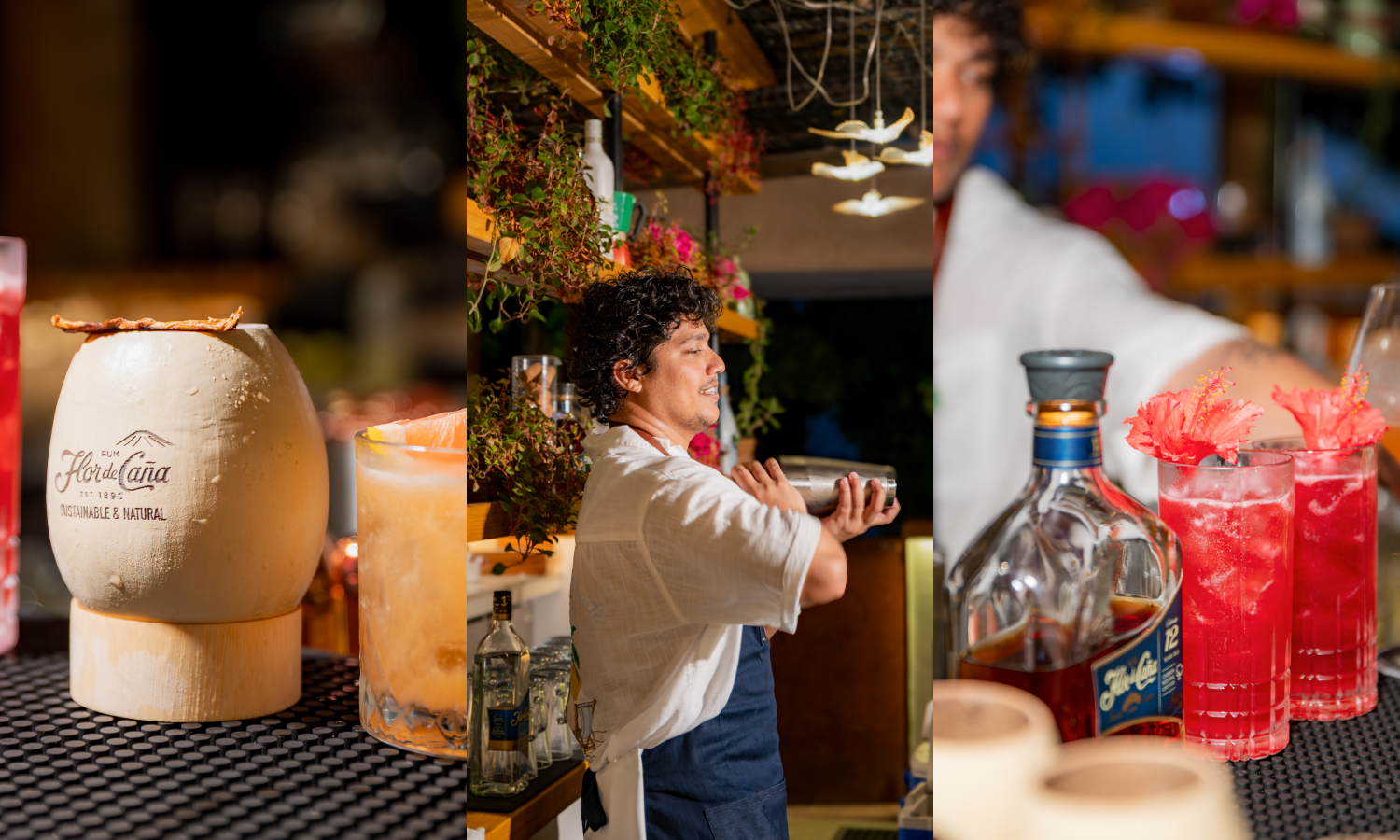
The Behind The Bar Sirru Icon series recently hosted a mixology event at Sirru Fen Fushi Private Lagoon Resort, featuring Dinesh Mondkar, Flor de Caña’s brand ambassador for India.
The event gave guests an opportunity to explore a selection of rum cocktails while learning more about the craftsmanship and heritage behind the Flor de Caña brand. Set against a sunset backdrop over the ocean, the session combined cocktail-making techniques, brand storytelling and a relaxed island setting.
Guests were introduced to a range of cocktails that highlighted bold flavours and the versatility of rum in contemporary mixology. The evening also offered insight into the methods and presentation behind premium cocktail service, adding an interactive element to the experience.
The event formed part of the resort’s ongoing Behind The Bar Sirru Icon series, which continues to bring recognised figures from the international spirits industry to the Maldives. Through the series, the resort aims to expand its food and beverage offering with curated events that connect guests with global brands and industry expertise.
Such experiences are designed to complement the wider guest programme by combining destination dining and beverage concepts with the setting of the Maldives, while offering visitors a more immersive way to engage with the resort’s hospitality offerings.
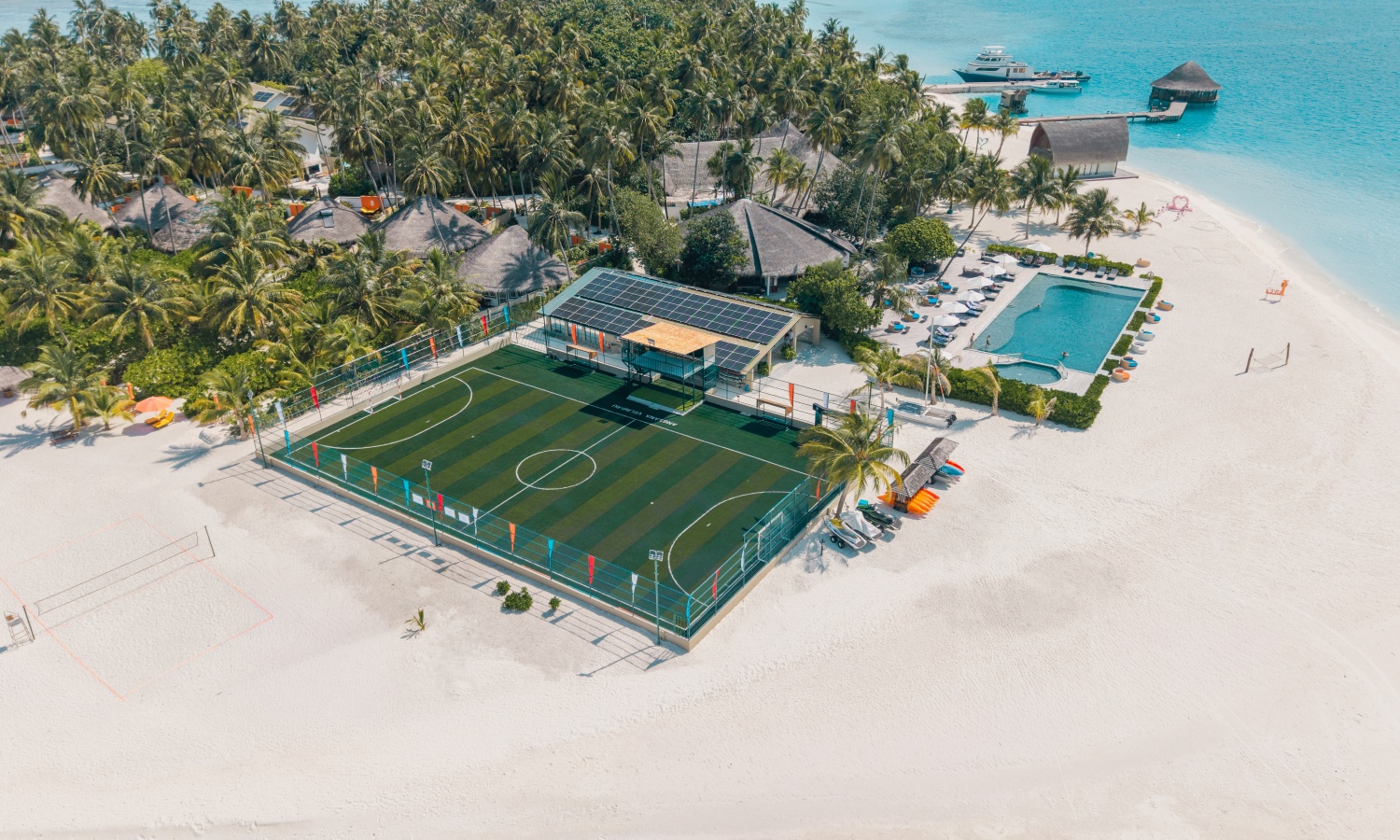
Angsana Velavaru has reopened its futsal facility as part of efforts to enhance guest experiences and staff engagement through sport and community activities.
The reopening ceremony was officiated by Dhaalu Atoll Council president Ahmed Shafiu and the resort’s general manager, Ahmed Zahir, who jointly cut the ribbon to mark the occasion.
Located within the island grounds, the futsal court measures 57 metres by 38 metres and is intended to serve as a space for both recreational use and organised activities for guests and resort associates.
The resort said the facility would form part of its wider recreational offering and would host workshops and expert-led collaborations aimed at providing guests with sports-based experiences while also supporting skill development and interaction. It added that the initiative also reflects its focus on staff wellbeing, teamwork and active living.
The opening event included friendly matches between the Angsana Velavaru men’s and women’s teams, as well as an inter-resort match between the Angsana Velavaru Orange Army and Banyan Tree Vabbinfaru.
Adjacent to the futsal court is the resort’s upgraded watersports centre, which now includes updated guest facilities such as shower and changing areas.
Ahmed Zahir said the reopening of the futsal ground represented more than a recreational upgrade and reflected the resort’s commitment to creating meaningful experiences for both guests and associates. He said the facility would support active living, connection and wellbeing, while also serving as a space for learning and collaboration.
Angsana Velavaru, located in South Nilandhe Atoll, said the reopening of the futsal facility forms part of its wider efforts to expand its lifestyle and community-focused offerings.
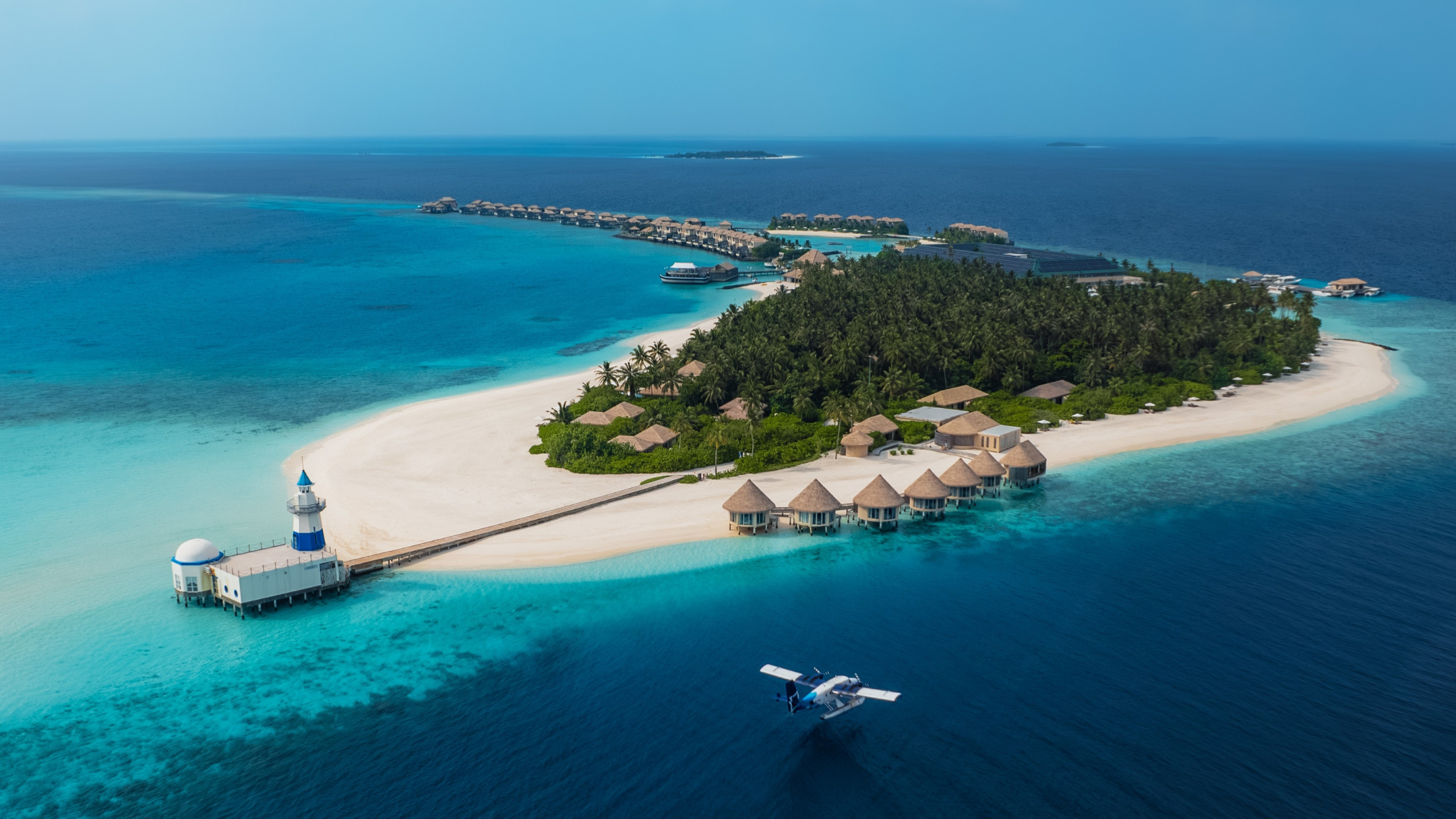
InterContinental Maldives Maamunagau Resort has launched the Graffiti Club to mark World Art Day, introducing a team-led initiative focused on artistic expression, collaboration and storytelling through art.
The resort said the initiative brings together more than 18 team members from across different departments, reflecting a shared interest in creativity. As part of the project, selected back-of-house spaces have been turned into canvases, transforming staff areas into spaces for artistic work.
Inspired by the natural environment of the Maldives and the Maamunagau lagoon, the first set of artworks features marine life such as manta rays, whale sharks and sea turtles. The resort said the designs reflect the biodiversity of the destination and its connection to the surrounding ocean. Additional artwork is also being developed as the project continues.
InterContinental Maldives said the initiative is rooted in its brand culture and service philosophy, Inspire Incredible, and is intended to support creativity, collaboration and self-expression among team members.
Renuka Gupta, cluster director of learning and development, said creativity exists in every individual, regardless of role or background. She said the initiative was created to provide team members with a space to express themselves, connect with colleagues and contribute to the environment in which they work each day.
The resort said the Graffiti Club forms part of its wider approach to workplace culture, with a focus on creativity, wellbeing and personal expression alongside the guest experience.

-
 News1 week ago
St. Regis Maldives expands and upgrades Two-Bedroom Ocean Villa
-
 News1 week ago
Centara Hotels & Resorts Maldives marks Thai New Year across island portfolio
-
 Featured1 week ago
Coco Collection brings conservation and low-waste living into resort experience
-
 News1 week ago
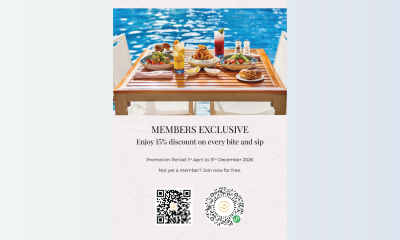
Shangri-La Circle offers dining benefits at JEN Maldives Malé
-
 Awards6 days ago
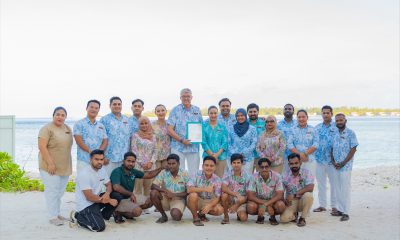
Atmosphere Core secures British Airways Holidays awards across five Maldives resorts
-
 Drink6 days ago
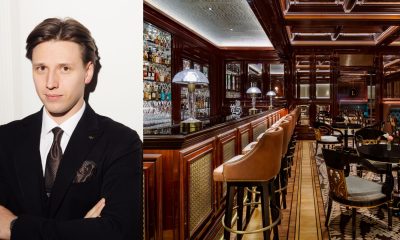
Lily Beach announces guest bartender residency featuring Vyacheslav Kasitsyn
-
 Featured6 days ago
The Standard, Maldives unveils new Premium All-Inclusive package
-
 News5 days ago
Alila Kothaifaru Maldives expands wellness programme with curated experiences