

Featured
Three Baa Atoll islands pledge to end open burning in Soneva-led clean waste management initiative


Three islands in Baa atoll have pledged to end the open burning of island waste, in a radical shift towards eco-friendly waste management to be called ‘Namoona Baa Atoll’.
The pledge was made by the presidents of Maalhos, Dharavandhoo, and Kihaadhoo island councils, during a workshop on waste held at Soneva Fushi resort from January 5-8.
“With a population of 529, the waste management problem in Kihaadhoo is more manageable than in bigger islands. But we lack a system to manage waste in a way that is responsible towards the environment and human health. Through Namoona Baa Atoll, we can finally end the practice of open burning of waste in Kihaadhoo — that is a day I look forward to,” Ibrahim Fazeel, Kihaadhoo council president, was quoted in a statement, as saying.
In order to end open burning of waste, which poses a health and environmental hazard and damages tourism, each island will create an ‘eco-centro’ waste-to-wealth centre that will sort, recycle and reuse island waste.
The eco-centro waste-to-wealth model was pioneered at Soneva Fushi, which is located close to Maalhos. At the resort, food and organic waste, metals, and bottles are chipped, ground down or composted, and turned into things of economic value, such as concrete building blocks and fertiliser. Plastic waste is either recycled or used to create useful new objects.
Soneva has pledged funds from its Soneva Save our Seas programme to support creating the eco-centros on Maalhos, Dharavandhoo, and Kihaadhoo. The first eco-centro is due to open in Maalhos this summer. Open burning in Maalhos is expected to end shortly after the island’s eco-centro is fully operational.
“Maalhos is doing better than most islands when it comes to waste management but we still face problems managing solid waste. The Namoona Baa Atoll initiative will revolutionise the way we manage waste on Maalhos,” Abdullah Shujau, Maalhos council president, said.

Abdullah Shujau, president of Maalhos island council, explains how composting is done in Maalhos. PHOTO/ SONEVA
During the January workshop, the island council presidents helped forge a new partnership amongst their islands, Soneva Fushi and Common Seas, an international NGO dedicated to reducing marine plastic pollution.
“Dealing with the current volume of single use plastic waste is expensive for communities to manage, off-putting for tourists, and harmful to fish stocks. The items most commonly found on Maldivian beaches are plastic bottles, disposable nappies, cigarette butts, straws and plastic bags, so we already know where start. We are excited to work collectively and urgently to solve this problem,” Jo Royle, Managing Director and Founder of Common Seas, said.
The new partnership — part of the international Clean Blue Alliance which supports islands to prevent plastic waste leaking into the ocean — sets a course for Baa Atoll, and eventually the Maldives, to become a global leader in halting ocean plastic pollution.
“As an island that relies heavily on guest house tourism, this is an exciting prospect for Dharavandhoo. I hope that what is being done on Dharavandhoo, Kihaadhoo and Maalhos will be well received and the government and other stakeholders will look at these three islands as a model to be replicated on other islands,” Ali Maajidh, Dharavandhoo council president, said.
Senior officials from the President’s Office and the environment ministry, who attended the workshop, took note of the partnership and the plans to open eco-centros on Maalhos, Dharavandhoo and Kihaadhoo.
Plastic waste pollution is a huge problem in the Maldives, with plastic bottles littering beaches, plastic bags smothering coral reefs, and plastic detritus killing marine life.
More than 280,000 plastic water bottles are used daily in capital Male, and 104 million non-biodegradable plastic bags were imported to the Maldives last year. The President’s Office along with government ministries and state-owned enterprises recently banned the use of single-use plastic bottles.
Other countries are also taking action against single use plastic. Kenya has recently banned single use plastic bags. Vanuatu has pledged to be the first Pacific country to ban plastic bottles and bags. France will bring in a total ban on plastic cups, plates, and cutlery from 2020.
Soneva, which operates two resorts in the Maldives, recycles or reuses 90 per cent of their waste and has a zero waste target. Soneva replaced branded bottled water 10 years ago in favour of producing drinking water on site in reusable glass bottles, which has prevented the production of 1,500,000 single use plastic bottles.
“If we work together, we are sure we can create the right environment for the Maldives to be the world’s most progressive country on single use plastic. If we project forwards just a few years, we can see that all islands will have thriving waste-to-wealth centres; there will be no plastic bags; no plastic straws; islands will have their own water bottling plants; no guesthouses or resorts will serve water in single use bottles,” Sonu Shivdasani, Founder and CEO of Soneva, said.
Main photo:(From left to right) representatives from Dharavandhoo, Common Seas, Soneva, Kihadhoo and President’s Office with the signed pledge. PHOTO/ SONEVA


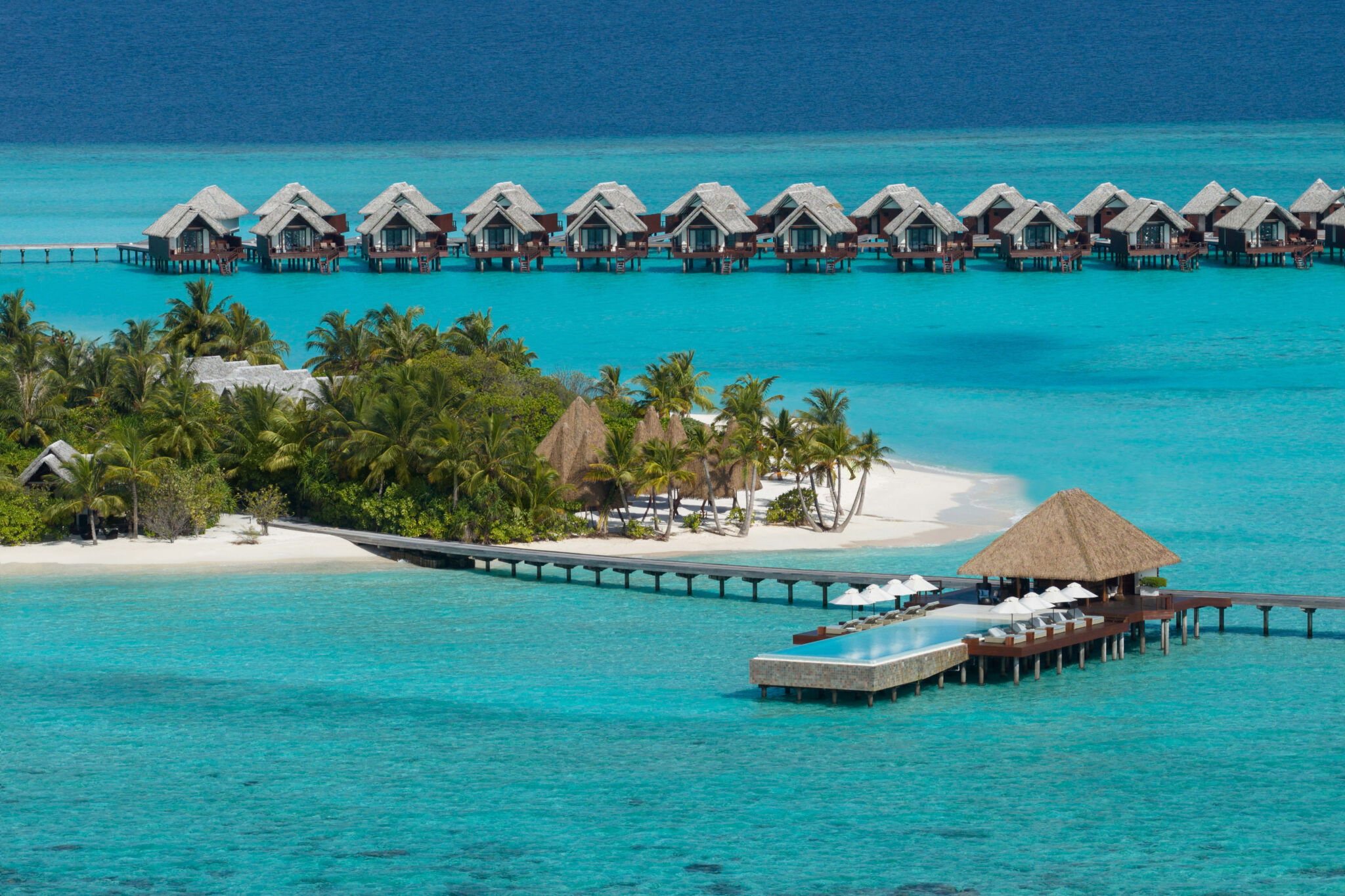
Heritance Aarah has won Gold in the Leading All-Inclusive Hotel/Resort category at the South Asian Travel Awards (SATA) 2026, recognising its Premium All-Inclusive offering in the Maldives.
Located in Raa Atoll, Heritance Aarah offers beach and overwater accommodation alongside dining, wellness, marine activities and cultural experiences. The resort’s Premium All-Inclusive concept focuses on providing guests with a range of experiences and personalised services throughout their stay.
Stasshani Jayawardena, Chairperson of Aitken Spence Hotel Holdings PLC, attributed the achievement to the resort’s team.
“This award is a tribute to our team, whose commitment to creating exceptional guest experiences brings together the very best of Heritance Aarah while celebrating the beauty and character of the Maldives,” Jayawardena said.
Susith Jayawickrama, Managing Director of Aitken Spence Hotel Holdings PLC, said the award recognised the resort’s approach to hospitality and the efforts of its employees.
“This recognition is a proud moment for everyone at Heritance Aarah. Our Premium All-Inclusive experience has always been about going beyond the expected, delivering thoughtful service, exceptional dining, and moments that profoundly connect our guests with the Maldives. This award is a reflection of the passion, commitment and consistency of our team, who continue to raise the bar every day,” Jayawickrama said.
Dining forms a central part of the resort’s offering, with seven restaurants and five bars serving international and Mediterranean cuisine, seafood and overwater dining experiences.
Among its dining venues is Ambula, which combines Sri Lankan and Maldivian culinary traditions through a specially developed menu. Ralu Lounge features one of the largest rum collections in the Maldives.
The resort has also introduced new dining concepts, including Fehi Raha, a garden-to-table experience set within its organic garden. The concept incorporates seasonal produce grown on the island into its menus.
For families, the Ufa Ghadhiya ice cream truck offers ice cream, sundaes and tropical popsicles.
Beyond dining, Heritance Aarah provides a range of recreational and wellness activities, including snorkelling, diving and ocean excursions in Raa Atoll. Guests can also access treatments at IASO Medi Spa and explore Maldivian traditions, craftsmanship and cultural heritage through the resort’s Maldivian Village.
The resort’s adults-only Ocean Suite Wing caters to couples seeking greater privacy, offering overwater accommodation, butler service, private leisure spaces and exclusive dining options. The main island accommodates couples, families and multigenerational travellers.
According to the resort, the SATA 2026 recognition reflects the contribution of its employees across culinary operations, wellness, guest services and recreational activities, as well as its continued focus on developing its Premium All-Inclusive offering.
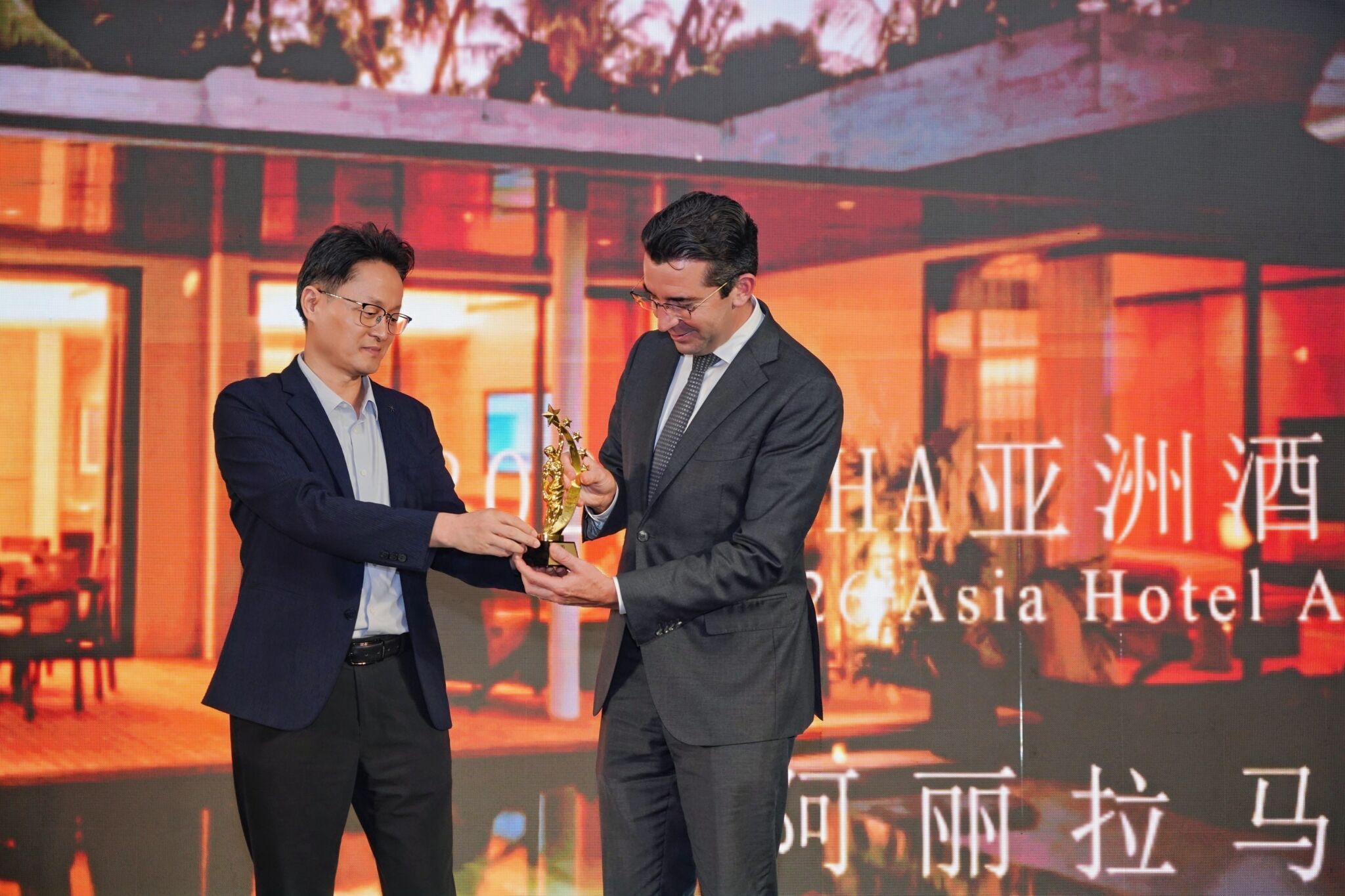
Alila Kothaifaru Maldives has been named Best Resort of the Year at the 2026 AHA Asia Hotel Awards, held at Capella Bangkok in Thailand. The recognition places the resort among leading hospitality properties across Asia, acknowledging its approach to luxury hospitality, guest experiences, design and service.
The award was presented during the 15th edition of the ceremony, which marked a milestone in the programme’s history. Established in 2010 by LIFESTYLE Magazine as the CHA China Hotel Awards, the programme expanded in 2026 to become the AHA Asia Hotel Awards, bringing together hotels and resorts from across the region.
The decision to host the gala in Bangkok for the first time reflected the programme’s broader ambition to recognise achievements in hospitality beyond China. The ceremony brought together hospitality leaders and industry representatives to celebrate achievements in luxury accommodation, resort experiences, design, wellness and service.
Alila Kothaifaru Maldives received the Best Resort of the Year award in recognition of its approach to providing guest experiences that combine contemporary design, personalised service and a connection to the island’s natural surroundings.
“To receive this recognition alongside some of Asia’s most respected hospitality names is a proud moment for all of us at Alila Kothaifaru Maldives,” said Thomas Weber, General Manager.
“Our island has its own character, and we have always believed that the most meaningful experiences come from allowing guests to discover it at their own pace. This award belongs to our team, whose care, dedication and genuine warmth bring that philosophy to life every day. We are equally grateful to our guests for choosing to share their time and special moments with us.”
Located in Raa Atoll, Alila Kothaifaru Maldives features 41 beachfront villas, 36 overwater villas, three two-bedroom beach villas and the Boduge Residence. Each accommodation category includes a private pool, with designs intended to offer privacy while maintaining a connection to the island’s landscape and surrounding Indian Ocean.
The resort offers a range of experiences centred on its location, including guided house reef exploration with marine experts, underwater activities and opportunities to learn about Maldivian traditions through cultural programmes.
Its dining experiences include seafood and international cuisine, as well as private dining arrangements on The Shack, a secluded sand cay. Spa Alila offers treatments and wellness programmes designed around relaxation and wellbeing.
“An award such as this reflects the dedication of many people working together, often through the smallest details that guests may never see,” said Jamal Ahmed, Resort Manager.
“We take great pride in creating an atmosphere where service feels personal and unforced, and where every guest feels genuinely welcomed. It is especially rewarding to see the efforts of our colleagues recognised on a regional stage.”
The latest recognition follows another achievement for Alila Kothaifaru Maldives in 2026, when the resort received the Tripadvisor Travellers’ Choice Award. The accolade places the property among the top 10 per cent of hotels worldwide based on traveller reviews and ratings.
The two awards recognise the resort’s performance from both industry and guest perspectives, reflecting its focus on service standards, guest satisfaction and experiences connected to the Maldivian environment.
Alila Kothaifaru Maldives continues to focus on delivering personalised hospitality, maintaining service standards and developing experiences that allow guests to explore the natural and cultural attractions of the Maldives.
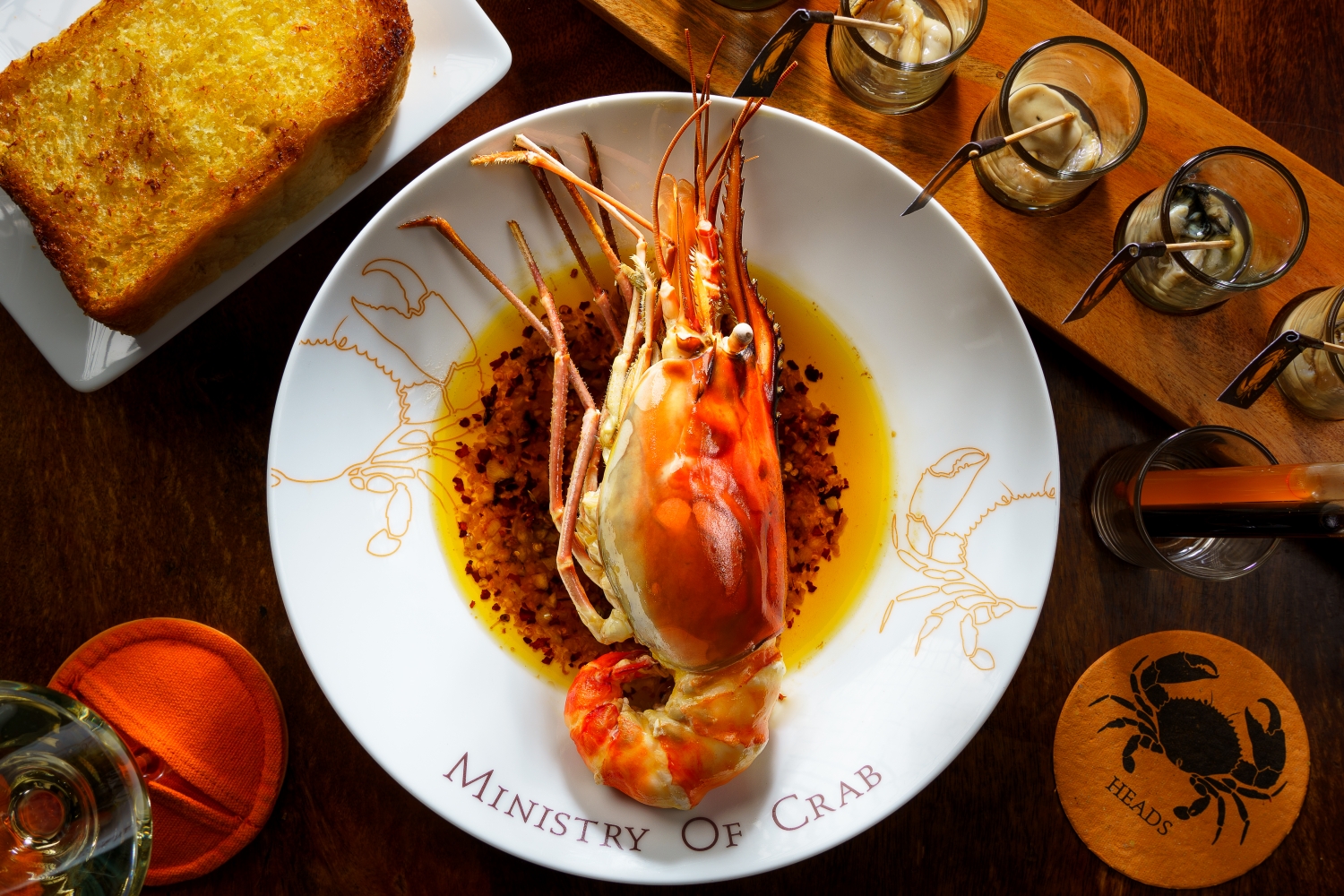
Barceló Nasandhura Malé has announced an exclusive two-night gastronomic pop-up collaboration featuring the celebrated flavours of Ministry of Crab at B.Heaven Rooftop on 13 and 14 November 2026.
Created by internationally acclaimed chef-restaurateur Dharshan Munidasa, Ministry of Crab is a distinguished fixture on Asia’s 50 Best Restaurants list. Known also for Carne Diem Grill at Crossroads Maldives, the country’s only restaurant featured in 50 Best Discovery this year, Chef Dharshan’s culinary philosophy will be brought to life in Malé through an extraordinary showcase of iconic Sri Lankan mud crab and freshwater prawn specialities.

Hosted against the panoramic ocean backdrop of B.Heaven Rooftop, this landmark commercial engagement brings Ministry of Crab’s world-renowned culinary philosophy to the Maldivian capital. Built on a foundation that prioritizes ingredient freshness above all else, Ministry of Crab operates under a strict “no-freezer” policy. The event will feature export-quality Sri Lankan mud crabs and majestic freshwater prawns flown in fresh for the two-day dining showcase.

“We are delighted to bring the iconic flavours to Barceló Nasandhura Malé this November,” said Enric Reina, Hotel Manager at Barceló Nasandhura Malé. “This partnership marks a significant milestone for both our hotel and the capital’s dining scene as we elevate the local epicurean landscape, offering our resident guests and Malé’s culinary connoisseurs a rare opportunity to experience award-winning gastronomy.”

Chef Dharshan Munidasa commented on the collaboration: “Maldives holds a special place in the regional food landscape, surrounded by the same pristine Indian Ocean waters that inspire much of my culinary work. Partnering with Barceló Nasandhura allows us to showcase our iconic Ministry of Crab signature dishes—from our Garlic Chili Crab to our hand-crushed Pepper Crab—alongside exclusive preparations crafted specifically for B.Heaven Rooftop.”
Over the course of this limited two-day engagement, guests will indulge in a curated menu highlighting Ministry of Crab’s flagship preparations.

-

 Cooking1 week ago
Belgian Chef Wout Bru to bring exclusive dining experiences to Meyyafushi, Fushifaru Maldives
-

 News1 week ago
.Here Baa Atoll completes two-island concept with opening of Nowhere Private Island
-

 Cooking1 week ago
Award-winning Pastry Chef Elena Nabiullina brings contemporary pâtisserie to The Nautilus Maldives
-

 News1 week ago
Patina Maldives announces Orthodox Christmas celebrations with Russian cuisine and live entertainment
-

 News1 week ago
Six Maldives spas operated by Mandara Spa recognised in global top 100 list
-

 Action1 week ago
Adaaran Select Hudhuran Fushi brings together 40 women for surfing, wellness retreat
-

 Cooking1 week ago
Barceló Nasandhura Malé partners with Ministry of Crab for rooftop dining experience
-

 News1 week ago
COLOURS OF OBLU reveals festive experiences for families and couples across four resorts