

Featured
Etihad Airways to resume Maldives flights on July 16


Etihad Airways will resume passenger flights to Maldives from July 16, as the airline continues to add travel options for customers travelling after the coronavirus pandemic.
Male is among 15 more destinations the Abu Dhabi-based airline plans to add to its network starting July 16.
“Throughout July, we’re planning to operate flights to more than 40 worldwide destinations. We continue to work closely with the UAE government and global aviation authorities to increase our network in the future,” the United Arab Emirates carrier said on its website.
In addition to the Maldivian capital, the carrier will add the Indian cities of Bengaluru, Chennai, Delhi, Hyderabad, Kochi, Kozhikode and Mumbai.
For Pakistan, it will operate only inbound flights to three Pakistani cities: Islamabad, Karachi and Lahore.
In the Middle East, Etihad will start flying to Amman and Cairo.
For Europe, it will add Belgrade, Istanbul, Manchester, Munich and Dusseldorf.
The airline said passengers can check in and choose their seats online around 30 hours before departure.
It said passengers do not need a Covid-19 test before they travel to the airport.
Etihad continues to follow UAE and international government, regulatory and health authority directives, and is playing its part in helping to limit the spread of Covid-19.
The airline has implemented an extensive sanitisation and customer safety programme and is practicing the highest standards of hygiene at every part of the customer journey. This includes catering, aircraft and cabin deep-cleaning, check-in, health screening, boarding, inflight, crew interaction, meal service, disembarkation and ground transportation, amongst others.
Etihad launched daily scheduled flights between the capital cities of the UAE and the Maldives in November 2011.
Before the pandemic, the airline was operating 11 services a week on the Abu Dhabi-Male route.
Meanwhile, Dubai-based Emirates will also resume passenger flights to the Maldives from July 16.
The announcements come as the Maldives prepares to reopen its borders on July 15.
Maldivian officials have said that a majority of international airlines that operated scheduled flights to the Maldives before the coronavirus pandemic will resume their operations in July.
With the borders reopening on July 15, resorts and hotels on uninhabited islands as well as liveaboard vessels can begin hosting tourists right away.
Guesthouses and hotels located on inhabited islands will be allowed to reopen on August 1. Passengers on cruise ships and yachts will be barred from disembarking at inhabited islands until then.
Thirty-day free on-arrival visa will be issued to all tourists with a confirmed booking for a stay at any registered tourist facility in the country. The entire holiday has to be booked at a single facility except for transit arrangements.
There will be no mandatory quarantine or testing on arrival. Tourists will only have to complete a health declaration form.
But visitors with symptoms of the Covid-19 respiratory disease caused by the novel coronavirus or those travelling with someone who has similar symptoms will be tested at their expense.
The coronavirus outbreak has also hit the Maldivian economy hard, as travel restrictions and other preventive measures affect the country’s lucrative tourism industry, which contributes the bulk of the island nation’s state revenue and foreign reserves.
Before the pandemic, the government had been bullish about tourism prospects, targeting two million, high-spending holidaymakers this year after last year’s record 1.7 million.
However, only 382,760 tourists visited the Maldives before the country closed its borders on March 27. It was a 40.8 per cent decline over the 646,092 that visited the Maldives from January to March last year.
With arrival numbers falling, several resorts across the Maldives suspended operations.
Tourism has been the bedrock of the Maldives’ economic success. The $5 billion-dollar economy grew by 6.7 per cent in 2018 with tourism generating 60 per cent of foreign income.
However, the government is at present projecting a possible 13 per cent economic contraction this year — an estimated $778 million hit.
On March 8, Maldives reported its first cases of the novel coronavirus, as two hotel employees tested positive for Covid-19 at a luxury resort in the archipelago.
Eighteen more cases — all foreigners working or staying resorts and liveaboard vessels except five Maldivians who had returned from abroad — were later identified.
A six-case cluster of locals, detected in capital Male on April 15, confirmed community transmission of the coronavirus. Several more clusters have since been identified, bringing the total number of confirmed case in the Maldives to 2,337.
Eight deaths have been reported and 1,927 have made full recoveries.
The Maldives announced a state of public health emergency on March 12, the first such declaration under a recent public health protection law.
The public health emergency declaration allowed the government to introduce a series of unprecedented restrictive and social distancing measures, including stay-at-home orders in capital Male and its suburbs, a ban on inter-island transport and public gatherings across the country, and a nationwide closing of government offices, schools, colleges and universities.
Non-essential services and public places in the capital such as gyms, cinemas and parks were also shut.
Restaurants and cafes in the capital were asked to stop dine-in service and switch to takeaway and delivery.
A nationwide shutdown of all guesthouses, city hotels and spa facilities located on inhabited islands was also ordered.
These measures allowed authorities to contain the outbreak.
More than half of the people who contracted the virus have recovered and daily recoveries have over taken the number of new infections detected per day.
The restrictions are now being eased in phases, with the third phase kicking in Wednesday.


Amilla Maldives is inviting guests to mark Eid al-Fitr with a series of island celebrations under the theme Eid in Harmony, bringing together cultural experiences, family activities and festive dining.
Eid, which marks the end of the holy month of Ramadan, is widely celebrated across the Maldives as a time of gathering and shared moments. At Amilla Maldives, the occasion will be observed through a programme of relaxed events designed to reflect the atmosphere of island life and community.
During the celebrations, guests will be able to take part in cultural performances, family-friendly activities and island gatherings highlighting Maldivian traditions. These will include performances of Bodu Beru, interactive island games and creative workshops that offer visitors insight into local culture.
The resort will also present a range of culinary experiences for the occasion. Chefs will prepare festive dishes inspired by both regional and Maldivian flavours, with dining experiences ranging from relaxed daytime offerings by the beach to evening dinners served under the stars.
Set within the Baa Atoll UNESCO Biosphere Reserve, the celebrations are designed to offer guests an opportunity to experience the traditions and atmosphere of Eid in a natural island setting.
Guests interested in the full programme of celebrations can access the resort’s Eid 2026 brochure online.
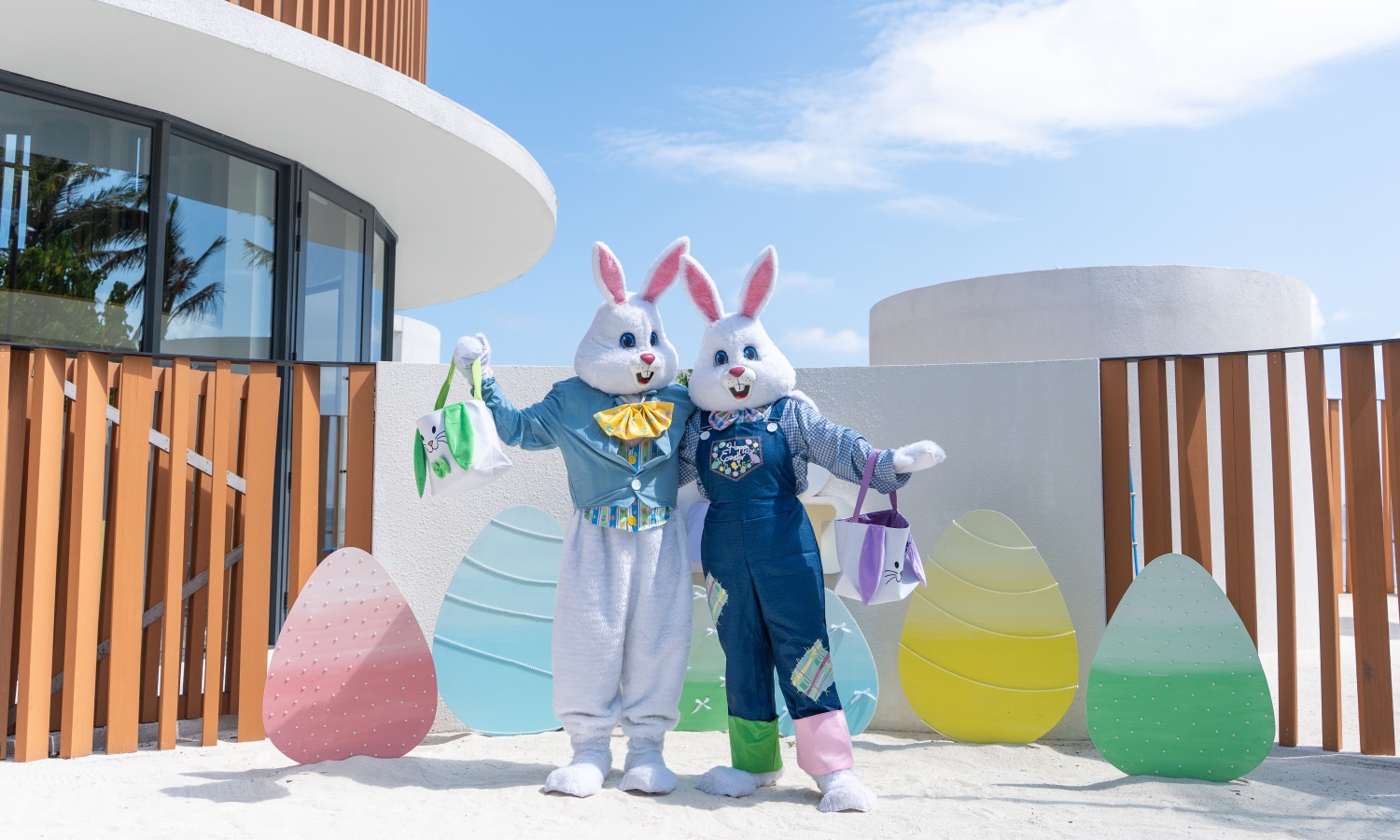
SO/ Maldives has announced a three-day Easter programme taking place from 3 to 5 April 2026, featuring dining experiences, sunset gatherings, beach cinema and family activities across the island.
Set against the backdrop of the Maldives’ lagoon waters, the programme is designed to combine culinary events, music and leisure activities, offering guests a variety of experiences over the Easter long weekend.
The celebrations begin on Good Friday, 3 April, with the Ocean Harvest & Wine Soirée at Citronelle Club. The event features a five-course seafood dinner inspired by South African cuisine, accompanied by a curated wine pairing hosted by a master sommelier. The experience will be limited to 20 guests.
Later in the evening, entertainment will continue at Lazuli Beach Club, where the Vintage Nights at Lazuli event will feature curated wines and DJ music in a beachfront setting.
On Saturday, 4 April, guests will be invited to a Golden Hour Sundowner at the Pavilion Bar, where cocktails will be served during sunset overlooking the lagoon.
The evening will continue with the Starlit Holy Saturday Feast at Lazuli Beach Club, featuring a three-course dinner served outdoors. The programme will conclude with an open-air beach cinema experience, where guests can watch a film on the beach accompanied by popcorn and refreshments.
The programme concludes on Easter Sunday, 5 April, with a series of events along the island’s shoreline. The evening begins with Easter Bloom Cocktail Hours, offering floral-inspired drinks prepared with fruit and botanical ingredients.
The highlight of the celebrations will be the Easter Grand Beach Barbecue at Citronelle Club, featuring grilled dishes served in a seaside setting. The event will also include live saxophone performances and music.
Throughout the weekend, children will have access to a dedicated programme at The Nest, where activities will include Easter crafts, egg decorating, dance sessions and an Easter egg hunt. Additional activities such as face painting, piñata games and creative workshops will also be available.
Through its Easter programme, SO/ Maldives aims to provide a mix of dining, entertainment and family-friendly activities, offering guests the opportunity to mark the holiday while enjoying the island setting.
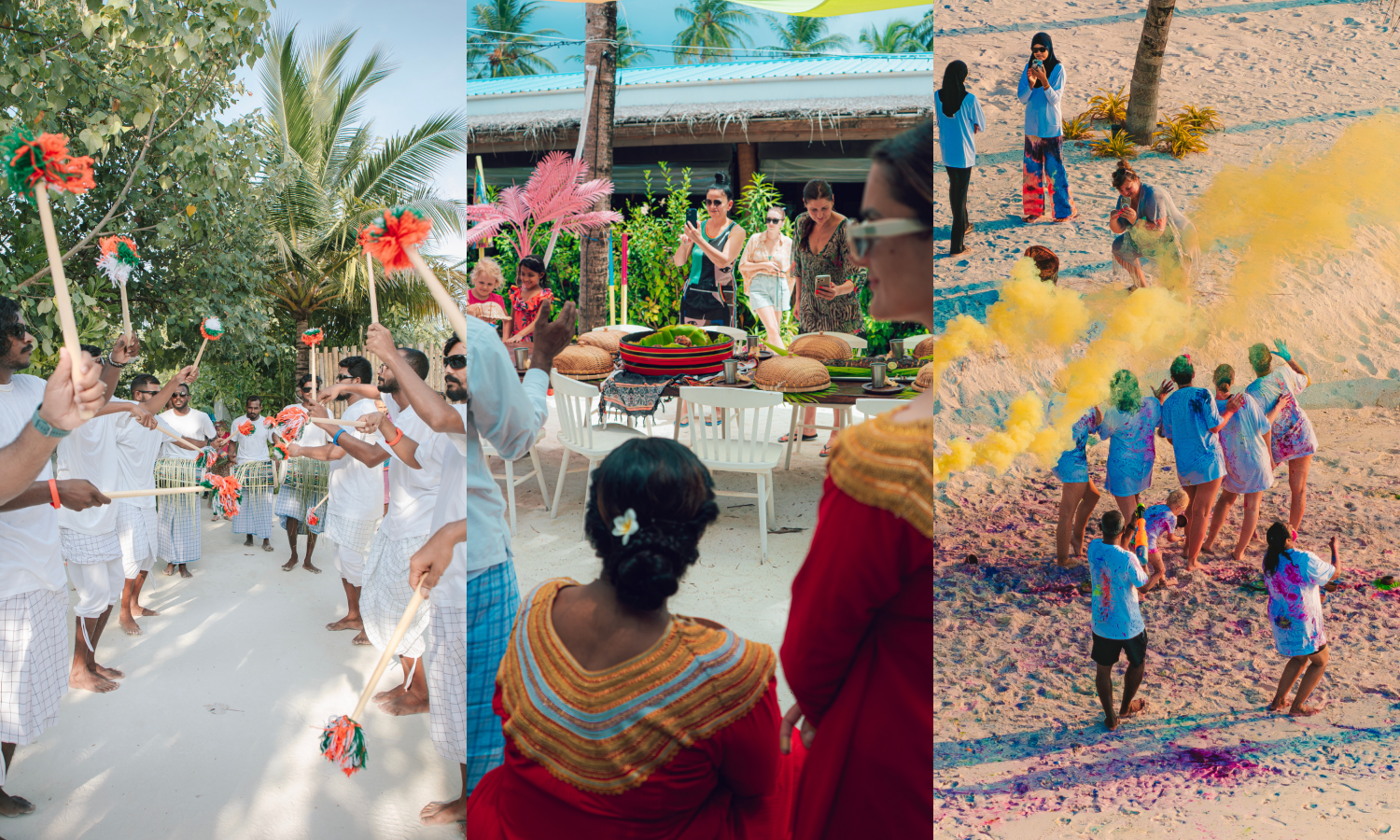
Kula Kula Festival will return for its fourth edition at Oaga Art Resort from 20 to 25 March, bringing together cultural influences from the Maldives, Brazil and India in a programme centred on art, music and community.
The festival combines the traditions of Eid al-Fitr, the vibrant spirit of Brazilian Carnaval, and the colours of Holi, creating a multi-cultural celebration that highlights performance, heritage and shared experiences.
The programme begins with Eid-related traditions, inviting guests to take part in cultural rituals and performances inspired by Maldivian heritage. The festival continues its collaboration with Kiyavahi Culture Studio, which will present workshops, demonstrations and interactive installations showcasing traditional Maldivian crafts and storytelling.
Guests will have opportunities to explore cultural practices such as Fangi Viyun (thatch weaving), Roanu Veshun (coir rope making), Kasabu Gethun (lacquer work) and Thundu Kunaa Viyun (mat weaving). Through these sessions, participants will also learn about the history and cultural significance of these crafts.
The festival begins with Eid Malhi, a bonfire lit by Oaga’s Rahvehin on 19 March to mark the sighting of the new moon. This is followed by Eid prayers and Eid Sai, a traditional breakfast at Kaa Kada. Throughout the day, guests can take part in activities such as Eid Kulhivaru beach games and Fen Kulhi, which combines water and colour play. The Maali Parade, inspired by Maldivian folklore, will lead guests to a high tea gathering at Raa Baa Beach featuring live performances and traditional attire experiences.
Live entertainment forms a central part of the festival programme, with performances from local and international artists. Guests will experience Boduberu fusion performances by Nuff and Ciam, storytelling rhythms by the Harunulaa Boduberu Group, and electronic music performances by Digital Flock during the Kula Kula Rave.
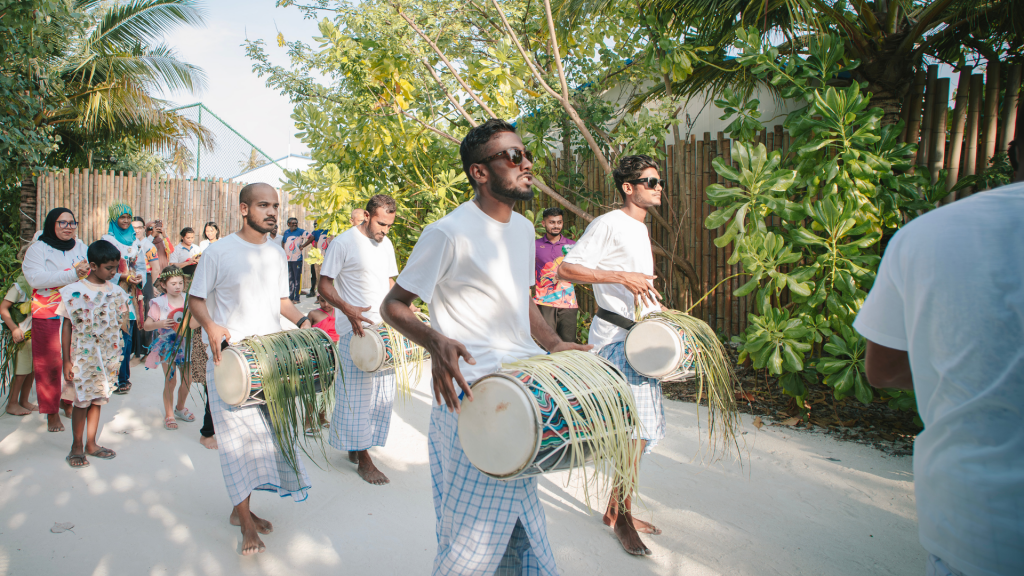
Dhivehi music will also be featured through performances by solo artist Naffah, while storyteller Amney will share Maldivian folklore through music sessions at O’Fire.
Indian classical music will be represented by sitar player Kalyan, who will perform across multiple sessions during the festival. Brazilian performer Alikko will introduce elements of Brazilian culture through fire shows and performances accompanying dining experiences at Kaa Kada.
Dining experiences will also highlight cultural diversity, with lunch and dinner services featuring themed presentations such as Eid Jaafaiy and Indian-inspired cuisine prepared in collaboration with Kalyan.
Evening programmes will include live music, fire performances, communal barbecues and a collaborative live art and music showcase titled Unethical Projection, featuring both resident and guest artists.
For the first time at the festival, Brazilian Carnaval will be incorporated into the programme. The segment will feature a Brazilian-inspired buffet at Kaa Kada, performances by Alikko and a Kula Kula Rave hosted by Digital Flock.
The final days of the festival will bring together Maldivian, Indian and Brazilian cultural influences under the theme Made of Many, Felt as One. Activities will include music sessions, collaborative performances featuring the Rav drum with Nuff, and storytelling by Amney.
The festival will conclude with a Deserted Day Picnic at Hastheem Sandbank, where guests can enjoy watersports, snacks and DJ sets by Afruh.
Through its programme of performances, cultural workshops and shared experiences, the Kula Kula Festival continues to position itself as a platform for artistic expression and cultural exchange, reflecting the creative identity of Oaga Art Resort.

-
 Family7 days ago
Easter in Maldives: COMO Cocoa Island and Maalifushi launch curated festivities
-

 Family1 week ago
Art, gastronomy and island adventure headline Easter at JOALI Maldives
-
 News1 week ago
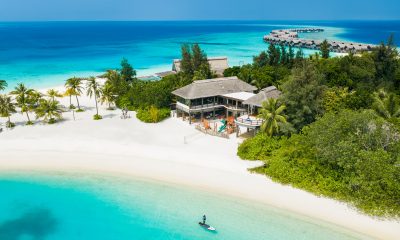
Pay 4, Stay 6: Grand Park Kodhipparu rewards guest loyalty with new summer offer
-

 News1 week ago
Loredana to attend Caravela opening at NH Collection Maldives Reethi Resort
-
 News1 week ago
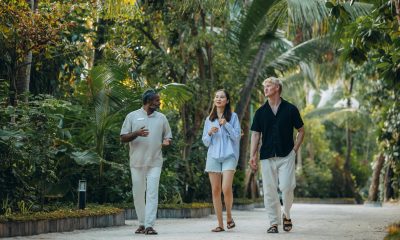
The Westin Maldives Miriandhoo Resort launches immersive experiences to enhance meaningful travel
-

 Business1 week ago
BBM renews as Title Partner of Hotelier Maldives Awards under multi-year agreement
-
 News1 week ago
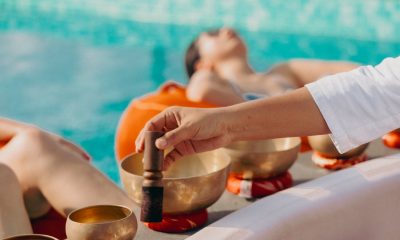
Meyyafushi Maldives expands wellness offering with sound healing programme
-
 Family1 week ago
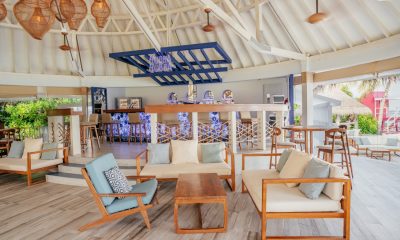
Ifuru Island Maldives introduces Easter festivities inspired by Chocolate Factory concept