

Featured
The Maldivian ‘new normal’


By Sonu Shivdasani
It has been a torrid few days in the Maldives’ battle against Covid-19: we’ve seen spikes in new cases and, unfortunately, the country’s first victim. In much of the rest of the world, though, the news has been more positive. Many countries, which are also big tourism markets to the Maldives, have flattened the curve and slowly started opening back up.
Life is starting to resemble a sort-of-normal in places such as Austria, Switzerland and Germany (although there is still no date for when international borders will reopen). Hopefully, the Maldives will flatten its curve over the next couple of weeks and bring the virus outbreak under control. This begs the question: what might the ‘new normal’ look like here?
There are many unique aspects to the virus. One of the most unexpected relates not to epidemiology, but to politics. In every global crisis since the Second World War, the United States led the global recovery effort. But under President Trump, America has turned its back to the world, and shunned international co-operation. Under Obama or Bush, the world could have sat back and allowed the superpower to lead efforts to combat the virus, and set international protocols about air travel and reopening borders. In the absence of US leadership, the Maldives, alongside everyone else, will have to figure this out on their own.
With travel and tourism accounting for a huge slice of the Maldivian economy and generating most jobs, clearly a ‘new normal’ has to include the re-opening of the country to tourists. But how can this be done safely?
We will have to work closely with other countries and organisations. This means striking bilateral agreements with our major tourism markets in Western Europe, India, and China, as well as working with international tourism bodies such as the United Nations World Tourism Organisation (UNWTO) to establish a way forward. One of the tricky issues will be establishing new protocols on how people can travel, how they are screened upon arrival, and how they can avoid the requirement to quarantine for two weeks when they return home.
For the Maldives, testing and screening passengers upon arrival and departure will have to become part of our new normal; it is difficult to see how we can reopen safely without it. This will pose challenges and require strict new protocols at the airports, but testing will become progressively easier as test kits become quicker, cheaper, and more reliable.
Hygiene will become a major consideration, or ‘qualifier’, for holidaymakers. Nobody wants to stay in a dirty hotel room, but in the Covid-19 era, hygiene will take on a whole new meaning. Travel and tour operators will compete fiercely on providing a safe, hygienic holiday, where social distancing can be maintained. Last week brought news of a partnership between Bureau Veritas, a testing, inspection and certification company, and Accor, a major hotel chain, which will establish standards for hygiene in hotel operations.
Other hotel companies are bound to follow suit, tying up with inspection agencies in order to reassure would-be travellers that their hotel rooms, restaurants and communal areas are properly sanitised, and the property isn’t overcrowded.
In an era where guests are as preoccupied about safety and hygiene as they are about the quality of the food, Maldivian resorts are well placed. The country is one of the few to operate a policy of ‘one island one resort’ – a geographic advantage that makes it much easier to prevent and contain a coronavirus outbreak, because each resort can strictly control who steps onto their island. In fact, the English word ‘isolation’ and the Italian ‘isola’ both derive from the Latin ‘insula’, which means island. Island = isolation. Perhaps the country’s tourism strapline, “The Sunny Side of Life” needs to change to reflect the safe, isolated nature of its resorts.
At Soneva, we’ve been thinking through our own ‘new normal’. We believe that customers’ fears over safety will be allayed by a rigorous new testing regime. Soneva plans to give everyone who arrives at our resorts a quick coronavirus test. After completing the test, guests will be escorted straight to their villa, or staff to their host accommodation, until the result comes through. If the test is negative, the guest or host can carry on as normal. If the test is positive, we will follow government rules, which likely means moving people to an isolation facility – which are fortunately some of the world’s most luxurious, located in resorts.
If such a testing policy was introduced across the Maldives, it will reassure tourists that the country is safe to visit, and also reduce the likelihood of future virus outbreaks. Robust testing also provides the Maldives with the opportunity of creating something truly unique: virus free resorts.
By testing everyone who comes onto an island, we can ensure that everybody on it is clear of the virus. This would render social distancing, and no-touching rules, unnecessary within that particular island. Maldivian resorts could thus transport guests back to the heyday of 2019, without constant coronavirus reminders spoiling their holiday. This could be a major ‘differentiator’ for Maldivian tourism compared to other holiday destinations.
For the rest of the world, largely made up of bigger countries adjoined to each other by land borders, it is almost impossible to create virus-free havens. The threat of infection will always lurk in the building across the street, the hotel staff who travel to work each morning on crowded public transport, or from the neighbouring country with a porous border.
The ‘new normal’ in the Maldives will be different to the normal life we enjoyed before Covid-19. But the country remains extremely lucky because of its unique geography. If the right testing protocols are established, the Maldives will enjoy a significant competitive advantage – something that could underpin its future prosperity, even during these troubled and turbulent times.
Editor’s Note: This op-ed was originally published on Linkedin by Sonu Shivdasani. Sonu is the founder and CEO of Soneva, which owns luxury resorts Soneva Fushi and Soneva Jani in the Maldives, and Soneva Kiri in Thailand.


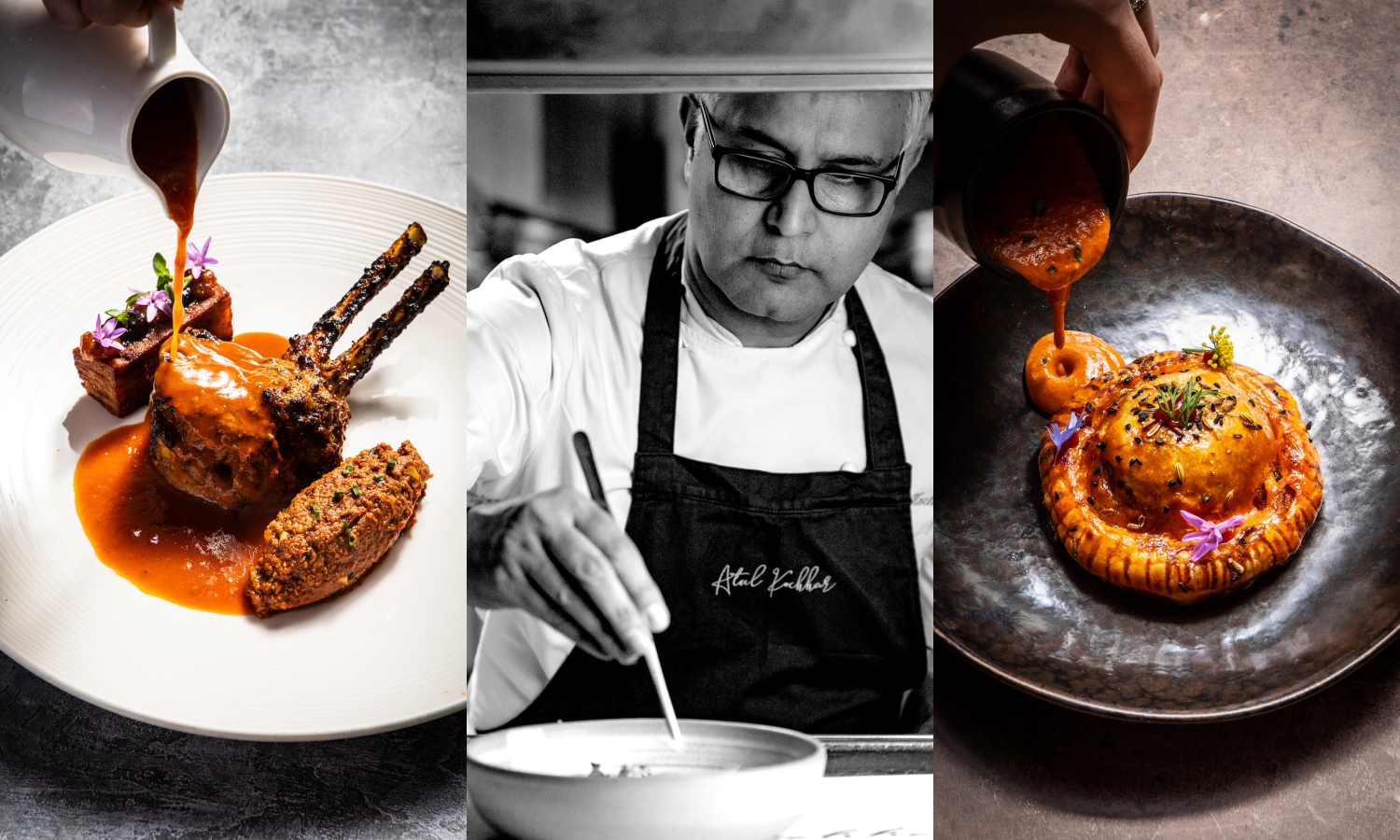
Patina Maldives, Fari Islands will welcome Indian chef and restaurateur Atul Kochhar for a culinary residency from 7 to 9 November 2026, coinciding with Diwali.
Kochhar, the first Indian chef to be awarded a Michelin star, will bring the culinary approach of his London restaurant, Kanishka by Atul Kochhar, to Helios. The residency will present his contemporary interpretation of India’s regional cuisines, drawing on the traditions and influences that have shaped his cooking.
Rooted in Kochhar’s connection to India, the menu will combine regional flavours with contemporary techniques and carefully selected ingredients. It will reflect his approach to developing Indian cuisine while retaining its cultural foundations.
With more than 30 years in the industry, Kochhar has built an international reputation for his contribution to Indian dining. He received his first Michelin star in 2001, followed by another in 2007. His culinary philosophy brings together India’s regional diversity, traditional cooking practices and contemporary methods.
At Patina Maldives, this philosophy will be interpreted through the resort’s Indian Ocean setting and the multicultural character of the Fari Islands. The residency will give Kochhar an opportunity to adapt his culinary identity to the island and the Diwali celebrations, creating an experience shaped by the occasion and its surroundings.
Kochhar leads the Atul Kochhar Hospitality Group, whose portfolio includes Kanishka in Mayfair, Vaasu and Sindhu in Marlow, Riwaz in Beaconsfield, Masalchi in Wembley Park, Indian Essence in Petts Wood and Essence in Tunbridge Wells.
The residency forms part of Patina Maldives’ culinary programme, which connects guests with different cultures, perspectives and creative disciplines. Through Kochhar’s cooking, guests will have an opportunity to explore India’s regional food traditions and celebrate Diwali through shared dining experiences.
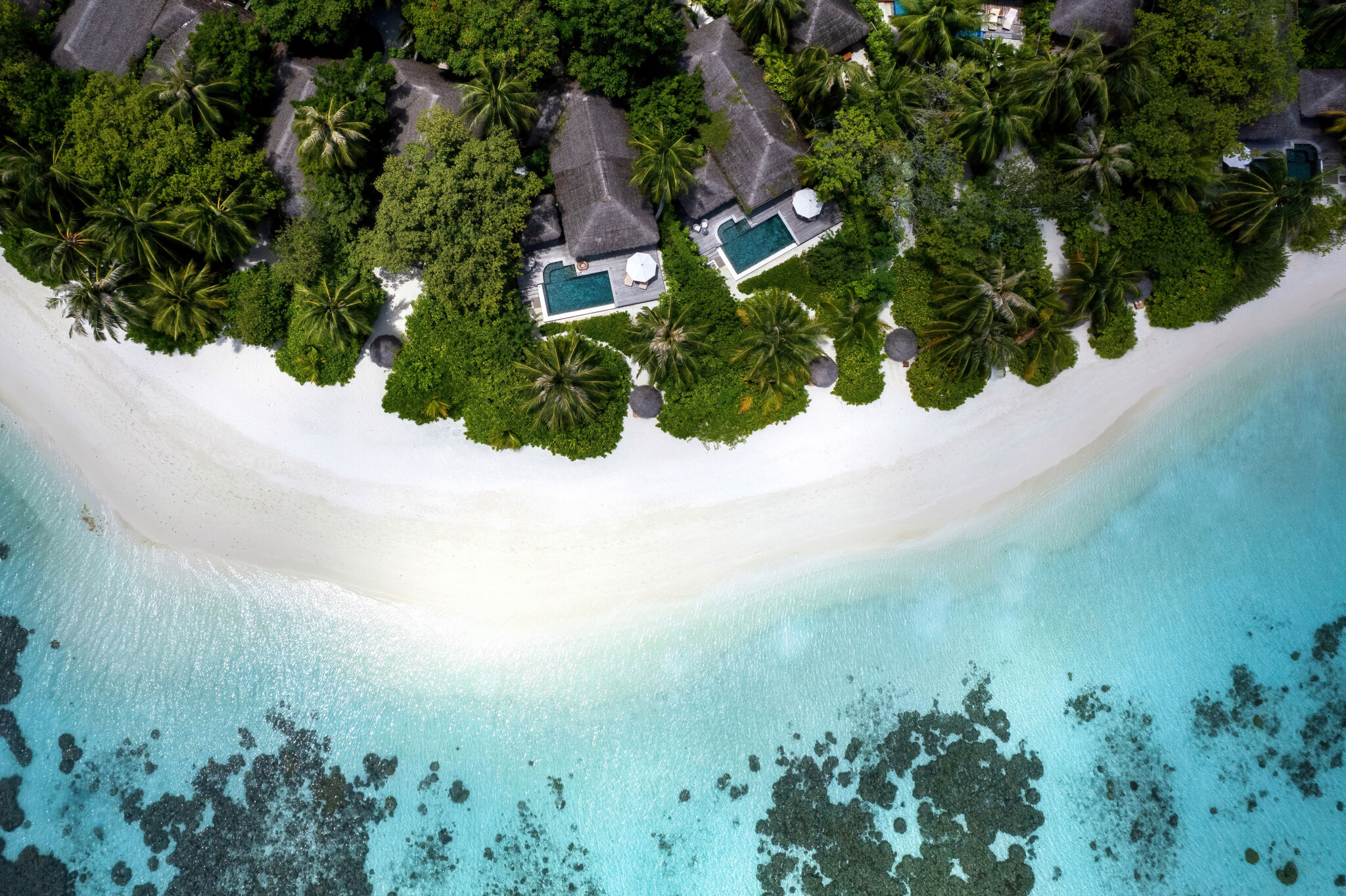
Baros Maldives will welcome guests for its festive season from 22 December 2026 to 7 January 2027, with a programme centred on the island’s natural surroundings, Maldivian heritage and a series of culinary, marine and cultural experiences.
The programme will combine Christmas and New Year traditions with activities inspired by island life, including ocean excursions, local cultural experiences, festive dining and wellbeing sessions.
The season will begin with a Christmas Tree Lighting ceremony, followed by a series of activities introducing guests to festive traditions and Maldivian culture. These will include a Christmas cookie workshop, an Ocean, Coconut & Spice cooking class, a Maldivian Heritage Evening and an Island Christmas Market.
Marine experiences will remain a central part of the festive programme. Guests will be able to join a Sunrise Nooma sailing experience, take part in fishing trips at sunrise or twilight, explore the house reef with the resort’s marine team or join a dolphin-watching cruise.
Private yacht excursions, visits to local islands and trips to Malé will also be available for guests wishing to explore beyond the resort.
Baros Maldives will also offer a series of culinary experiences throughout the festive period. These will include a Sake Pairing Dinner, a Great Gatsby-themed five-course dinner and a Champagne Dinner inspired by the Seven Seas.
Other dining experiences will include a Butcher’s Block buffet, an Omakase tasting lunch and a Master Chef Tuna Carving Show & Tasting. Guests will also be able to take part in wine discovery experiences, cocktail-making sessions and an Island Crafted Cocktails programme.
On Christmas Eve, guests will gather at The Lighthouse for a cocktail reception before continuing to Lime for the Christmas Eve Gala Dinner.
Christmas Day will feature breakfast, festive activities and time for guests to enjoy the beach, lagoon and other island experiences with family and friends.
New Year’s Eve celebrations will begin with a cocktail reception, followed by a Gala Dinner, live entertainment and the countdown to 2027.
New Year’s Day will start with a celebratory brunch, followed by a selection of wellbeing and dining experiences. These will include a beachfront degustation dinner accompanied by live violin and saxophone performances.
Younger guests will also have a dedicated programme of festive activities, including mocktail-making, Christmas cookie workshops and island-based activities designed for families and children.
Throughout the season, Baros Maldives will host live music, marine presentations, yoga and meditation sessions alongside its wider programme of dining, recreation and ocean experiences.
The festive programme is intended to reflect the character of Baros Maldives by combining Christmas and New Year celebrations with the island’s marine environment, culinary offering and Maldivian culture.
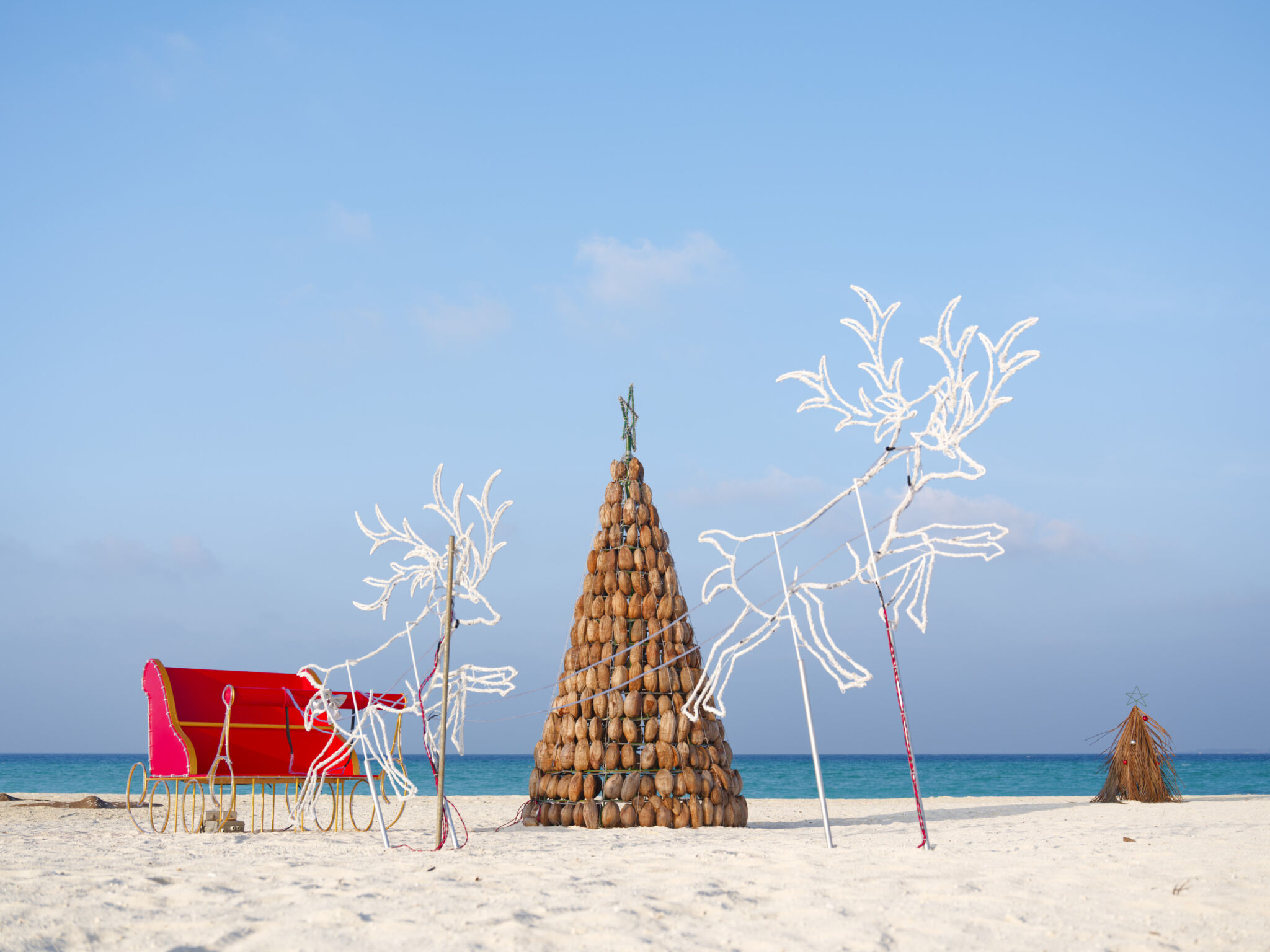
From 21 December 2026 to 1 January 2027, Niva Kuramathi will mark the festive season with “A Tropical Festive Season”, a programme of dining, entertainment, outdoor activities and family experiences shaped around the island setting.
The programme will make use of Kuramathi’s natural surroundings, including its house reef and sandbank, alongside its 12 restaurants and seven bars.
The festivities will begin on the evening of 21 December with a Christmas Tree Lighting ceremony on the sandbank. Guests will be welcomed with drinks and live music at sunset, followed later in the evening by a traditional Bodu Beru performance.
On 28 and 29 December, the resort will host a traditional Maldivian Market, featuring Bodu Beru drumming, a folklore parade and locally made artisanal crafts.
Christmas Eve festivities
Christmas Eve celebrations will begin on the sandbank at sunset, with welcome drinks and Christmas carols. Santa Claus and his elves will also make an appearance before guests gather for a gala buffet dinner.
The evening will conclude with an outdoor screening of a classic Christmas film under the stars.

Countdown to 2027
New Year’s Eve celebrations will begin at sunset with cocktails on the sandbank.
A gala dinner will then be served across Farivalhu, Malaafaiy and Haruge restaurants before the countdown to 2027. Fireworks will mark the arrival of the New Year, while live music and DJ performances will continue at Fung Bar and Sand Bar.
Festive activities
Throughout the festive period, Niva Kuramathi will offer a programme of recreational, culinary and entertainment activities.
Guests will be able to take part in moonlit yoga sessions on the sandbank, sand sculpting, Sip & Paint evenings for couples and fire dance performances.
Sporting activities will include beach volleyball, a football match between the Niva Kuramathi team and guests, as well as kayak, pedal boat and stand-up paddleboard races.
The entertainment programme will also include wine tastings, karaoke, music trivia, live music and DJ evenings.
Cooking classes will be held at Kobe, where guests will be able to take part in sessions centred around the restaurant’s open kitchen experience.
The festive programme is designed to allow guests to participate in scheduled activities while also having the option to spend time at leisure.
The season will conclude on 1 January 2027 with a late-morning brunch and the first house reef dive of the year.
Festive programme for children
Bageecha Kids Club will host a separate festive programme for younger guests, combining recreation, creative activities and environmental learning.
Activities will include treasure hunts, splash pad games, cookie-making, arts and crafts, eco workshops, nature exploration, holiday films, karaoke, bracelet-making and gardening in the resort’s hydroponic garden.
Children will also be able to take part in scavenger hunts, mini-Olympic games, yoga and disco dancing, as well as shared lunches and dinners with other young guests.
On Christmas Eve, the programme will begin with a family photograph session, followed by gingerbread house decorating, writing letters to Santa, a palm-leaf handicraft workshop and outdoor games.
Christmas morning will feature a pyjama party with musical games and pool activities. Later in the day, families will gather at Athiri Deck to welcome Santa Claus, who will distribute gifts to children.
New Year’s Eve activities for younger guests will take place during the afternoon, with music and games around the pool followed by a children’s disco as part of the resort’s final celebrations of 2026.

-

 Featured6 days ago
Baros Maldives sets festive calendar of dining, culture and marine experiences
-

 Awards1 week ago
ROBINSON NOONU wins Best Fun & Friendly Resort title for second time
-

 News1 week ago
GullivAir announces direct Maldives–Bulgaria service for winter 2026/27
-

 Food1 week ago
The Standard, Maldives unveils September line-up of Oktoberfest, Negroni Week
-

 Action1 week ago
18-yacht Azimut fleet to serve Waldorf Astoria, Rosewood resorts in Maldives
-

 Drink7 days ago
Finolhu welcomes New Zealand’s Sato Wines for two exclusive dining experiences
-

 Cooking6 days ago
BBM’s Studio of Culinary Excellence to debut Masterclass programme with Chef Romain Dupeyre
-

 Meditation6 days ago
The St. Regis Maldives Vommuli Resort to mark World Wellness Weekend with three-day celebration