

Business
Maldives defers tourism lease rent


Lease rent payable by resorts in Maldives will be deferred for the rest of the year, the island nation’s president announced Wednesday.
In a televised address, Ibrahim Mohamed Solih said resorts and agricultural islands will be granted a lease rent deferral for the last six months of the year.
“As we prepare to restart economic activity, all sectors of the economy, including resorts, need concessions and support,” he said.
According to the president, the deferral will also cover land and property leased for other purposes through the finance ministry.
What is the lease rent?
Maldives allows tourism leases up to 99 years, with rent calculated based on the land area of the island leased.
Lease rent, also called Tourism Land Rent, has to be paid in advance for each quarter. By that requirement, tourist resorts can now get the rent payable for the third and fourth quarter of the year deferred.
Failure to pay lease rent attracts a penalty of 0.5 per cent of the amount that is due. The penalty is levied for each day of delay, and continues to be applied until such time the lease rent amount and accrued penalties are all paid.
In recent weeks, the issue of lease rent has become a major contentious issue between the government and leading figures in the tourism industry.
The government earlier offered to defer lease rent for the third and fourth quarter, but it was tied to a key condition that all local employees be retained for three months.
This sparked a rare criticism by the Maldives Association of Tourism Industry (MATI). The influential industry representative body said the offer came too late.
Borders, resorts will reopen in July
In his address Wednesday evening, president Solih also announced plans to reopen the country’s borders and restart its worst-hit tourism industry in July.
“Guidelines on reopening the country are being formulated with input from industry stakeholders,” he said.
The president’s announcement comes a day after his tourism officials invited comments from industry stakeholders on draft guidelines, which — if finalised — will see the introduction of a $100 visa fee and mandatory on-arrival testing for coronavirus for all tourists when the island nation reopens its borders to visitors.
According to the draft guidelines, which have attracted public criticism for being too harsh and unpractical, only resorts and liveaboard vessels that have a so-called “safe tourism licence” will be permitted to open at first.
Guests can come to these tourist establishments either by private jet or superyacht from June 1, followed by charter and commercial flights a month later.
Charter flights and private jets will be charged a landing fee of $50,000. Superyachts will also have pay an entry fee fo $10,000.
Meanwhile, guesthouses and hotels will only be allowed to open from August.
There are no plans yet to allow cruise ships.
The tourism ministry expects the restrictions to be in effect until September “unless extended by the government”.
The ministry says the guidelines will only be finalised based on industry feedback.
The coronavirus outbreak has hit the Maldivian economy hard, as travel restrictions and other preventive measures affect the country’s lucrative tourism industry, which contributes the bulk of the island nation’s state revenue and foreign reserves.
Before the pandemic, the government had been bullish about tourism prospects, targeting two million, high-spending holidaymakers this year after last year’s record 1.7 million.
However, tourist arrivals saw a year-over-year decline of 22.8 per cent in the first 10 days of March. Officials say the number of tourist arrivals to the Maldives could drop by half in 2020.
All international airlines have suspended scheduled operations to the Maldives, as the island nation enforced a blanket suspension of on-arrival visa in late March in a bid to combat the spread of the novel coronavirus.
Even before the visa suspension, the Maldives had closed its borders to arrivals from some of the worst-hit countries, including mainland China, Italy, Bangladesh, Iran, Spain, the United Kingdom, Malaysia and Sri Lanka. Visitors from three regions of Germany (Bavaria, North Rhine-Westphalia and Baden-Württemberg), two regions of France (Île-de-France and Grand Est) and two regions of South Korea were also banned from entering the country.
All direct flights to and from China, Italy, South Korea and Iran were also cancelled.
Cruise ships and foreign yachts were also banned from docking at any of the country’s ports.
With arrival numbers falling and the visa suspension in effect, several resorts across the Maldives had been closed.
Tourism has been the bedrock of the Maldives’ economic success. The $5 billion-dollar economy grew by 6.7 per cent in 2018 with tourism generating 60 per cent of foreign income.
However, the government is at present projecting a possible 13 per cent economic contraction this year — an estimated $778 million hit.
On March 8, Maldives reported its first cases of the novel coronavirus, as two hotel employees tested positive for Covid-19 at a luxury resort in the archipelago.
Eighteen more cases — all foreigners working or staying resorts and liveaboard vessels except five Maldivians who had returned from abroad — were later identified.
A six-case cluster of locals, detected in capital Male on April 15, confirmed community transmission of the coronavirus. Several more clusters have since been identified, bringing the total number of confirmed case in the Maldives to 1,186.
Four deaths have been reported and 91 have made full recoveries.
The Maldives announced a state of public health emergency on March 12, the first such declaration under a recent public health protection law.
The public health emergency declaration has allowed the government to introduce a series of unprecedented restrictive and social distancing measures, including stay-at-home orders in capital Male and its suburbs, a ban on inter-island transport and public gatherings across the country, and a nationwide closing of government offices, schools, colleges and universities.
Non-essential services and public places in the capital such as gyms, cinemas and parks have also been shut.
Restaurants and cafes in the capital have been asked to stop dine-in service and switch to takeaway and delivery.
A nationwide shutdown of all guesthouses, city hotels and spa facilities located on inhabited islands is also in effect.


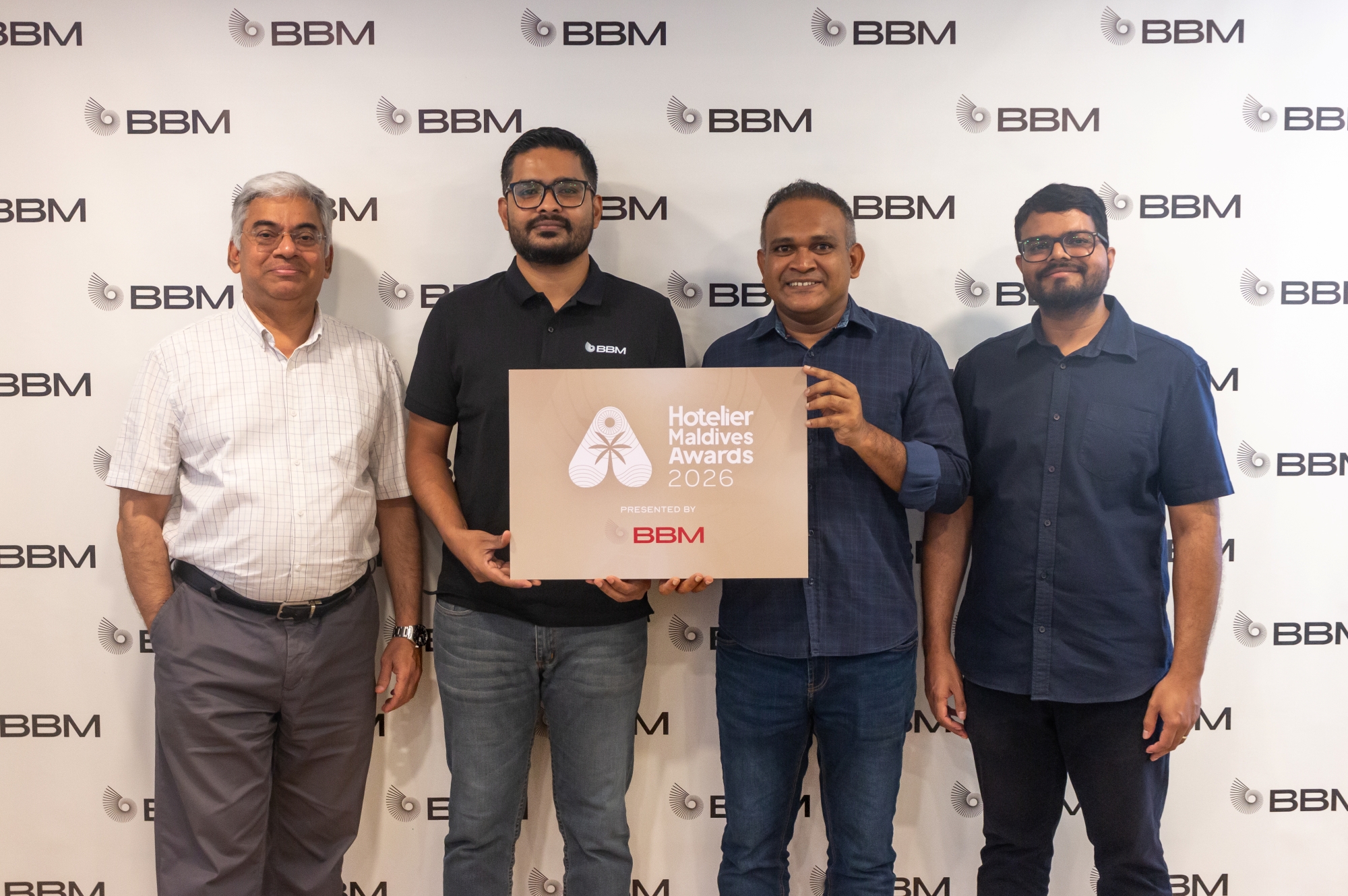
Hotelier Maldives has announced Bestbuy Maldives (BBM) as the Title Partner of Hotelier Maldives Awards 2026 under a multi-year agreement, reaffirming one of the longest-standing partnerships behind the publication’s flagship hospitality recognition platform.
The 2026 edition marks the third consecutive year that BBM has served as Title Partner of Hotelier Maldives Awards, having supported the event in the same capacity since its launch in 2024. BBM has also backed Hotelier Maldives’ second flagship event, GM Forum, every year since 2023, with 2026 set to mark its fourth year as a Silver Partner of the forum.
The continued partnership reflects a shared commitment to recognising the people behind the Maldives’ tourism industry while supporting platforms that encourage industry dialogue, leadership and professional development.
Hotelier Maldives Awards 2026 entered its public voting phase on 15 March 2026, with voting set to remain open for one month. Winners will be announced at the gala ceremony on 26 April 2026 at NIVA Kurumba Maldives.
Commenting on the partnership, Ali Naafiz, Editor of Hotelier Maldives, said: “BBM has been a valued partner of Hotelier Maldives Awards since the very beginning, and we are pleased to formalise this continued support through a multi-year agreement. Their decision to return as Title Partner for a third consecutive year reflects not only the strength of our relationship, but also a shared belief in the importance of recognising the people who drive excellence across the Maldives’ hospitality industry.
“BBM has also consistently supported GM Forum over the years, making them one of the most committed partners across our event platforms. We are proud to continue working together as we strengthen both Hotelier Maldives Awards and GM Forum as annual fixtures for the industry.”
AVS Subrahmanyam, Chief Operating Officer of BBM, said: “At BBM, we have always believed that a strong hospitality industry is built by strong people, and Hotelier Maldives Awards provides an important national platform to recognise the professionals whose work often takes place behind the scenes. We are pleased to continue as Title Partner of the awards under this multi-year agreement, while also extending our support to GM Forum for a fourth consecutive year.
“As a company that has grown alongside the Maldives’ hospitality sector, we value opportunities that celebrate talent, encourage professional pride and contribute to the long-term development of the industry. Our continued partnership with Hotelier Maldives reflects that commitment.”
Bestbuy Maldives is one of the country’s leading importers and distributors, serving the hospitality, HORECA and retail sectors with a broad portfolio of international brands. The company positions itself as a partner to the Maldivian hospitality industry, supplying products from around the world across key business verticals including resorts, foodservice and retail.
Hotelier Maldives Awards continues to recognise the contributions of resort-based hospitality professionals across the Maldives, highlighting both individual excellence and team performance. The awards programme remains the country’s only dedicated recognition platform focused on professionals working in resort operations. The current public voting round allows industry stakeholders, colleagues, guests and the wider public to take part in selecting this year’s winners.
The growing list of confirmed partners for Hotelier Maldives Awards 2026 includes Bestbuy Maldives (BBM) as Title Partner, Dhiraagu as Platinum Partner, Storm Events as Organising Partner, NIVA, Kurumba Maldives as Host Partner, Souvenir Marine as Transport Partner, ALIA as Associate Sponsor, and Lightsout Studios as Associate Partner. More partners and sponsors will be announced soon.
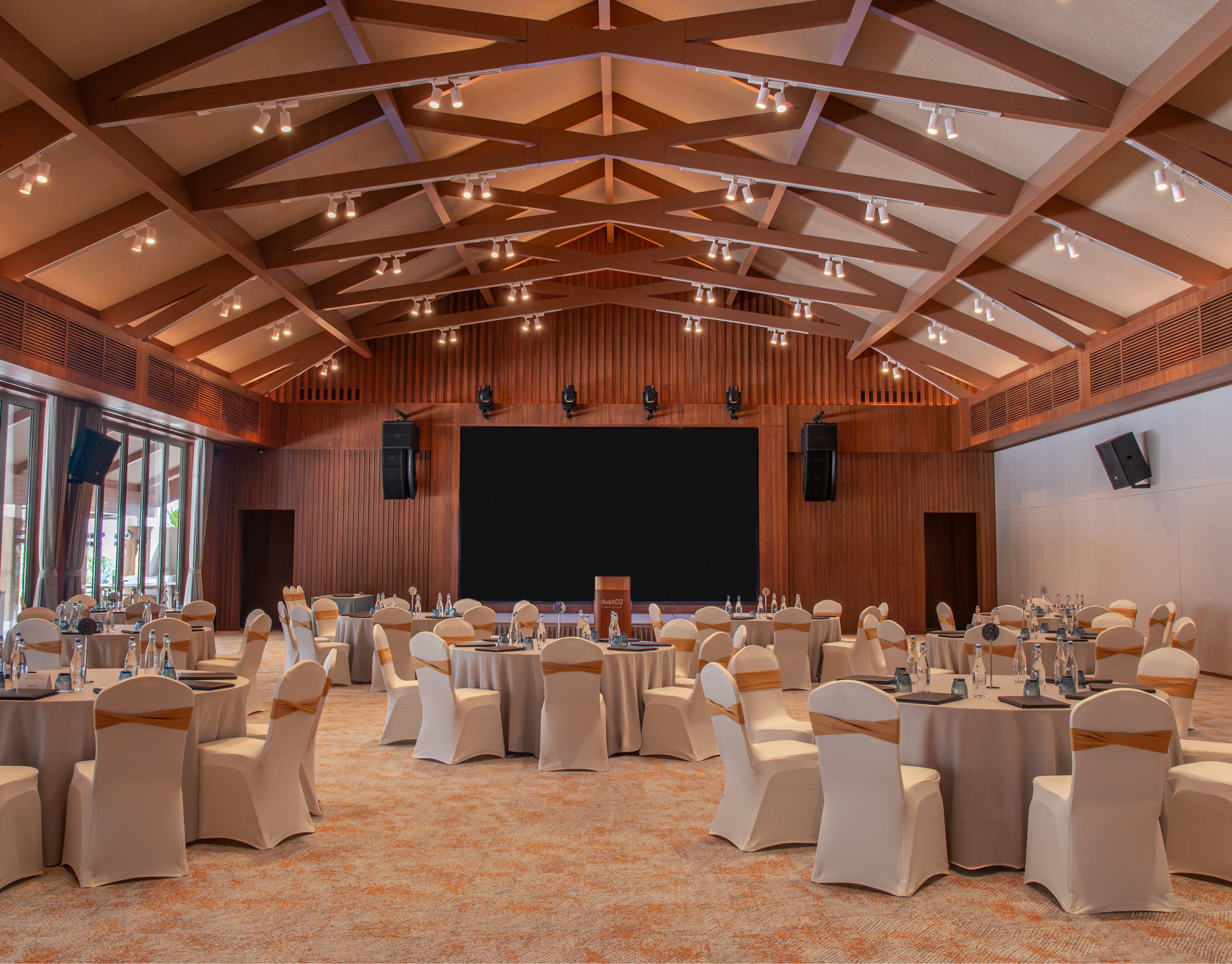
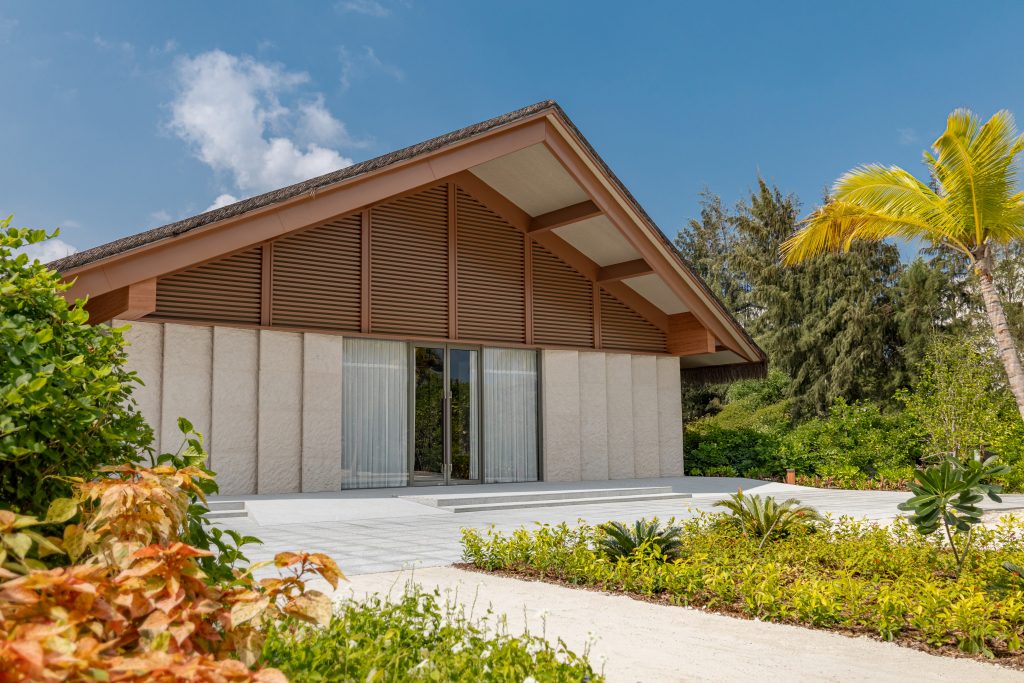
Dusit International, one of Thailand’s leading hotel and property development companies, has announced the opening of Feydhoo Hall, a landmark event venue at dusitD2 Feydhoo Maldives, redefining the possibilities for meetings, celebrations, and destination events in the Maldives.
Designed to bring scale, flexibility, and creativity to island gatherings, Feydhoo Hall represents a bold step forward in positioning the Maldives as a dynamic destination for conferences, weddings, and large-scale social occasions.
Feydhoo Hall offers a versatile event complex designed to accommodate a wide range of gatherings, from corporate meetings and conferences to weddings and social celebrations.
At its core is the 390 sqm Main Hall, capable of hosting:
- Up to 300 guests in theatre-style setup
- Up to 240 guests for dining and banquet-style events
- Up to 200 guests for cocktail-style receptions
- Up to 144 guests in cluster-round configuration
Enhancing the flexibility of the venue are additional dedicated spaces, including:
- A 110 sqm Veranda Terrace, ideal for welcome receptions, breakout sessions, and pre-event gatherings, accommodating up to 100 guests for cocktail-style events.
- A spacious 1,000 sqm Lawn Space, perfect for large-scale outdoor celebrations, destination weddings, and open-air events, accommodating up to 400 guests for cocktail receptions and up to 350 guests for dining setups.
- The 55 sqm Ekugai Meeting Room, designed for smaller meetings and executive sessions, accommodating up to 30 guests in theatre or dining setup and 24 guests in cluster-round format.
Together, these integrated spaces create a seamless indoor-outdoor event experience, allowing planners to design dynamic and personalised event journeys.
True to the dusitD2 brand’s lifestyle-driven philosophy, Feydhoo Hall introduces a fresh approach to meetings and events — where productivity meets creativity in an inspiring island setting.
The venue offers flexible meeting formats designed to suit different event needs, including:
- Half-Day Meeting Package (4 hours) — ideal for focused sessions, executive meetings, and creative workshops.
- Full-Day Meeting Package (8 hours) — designed for immersive conferences, extended workshops, and large-scale corporate gatherings.
These thoughtfully structured packages provide planners with the flexibility to create impactful and seamless experiences, whether hosting intimate strategy sessions or dynamic full-day events.
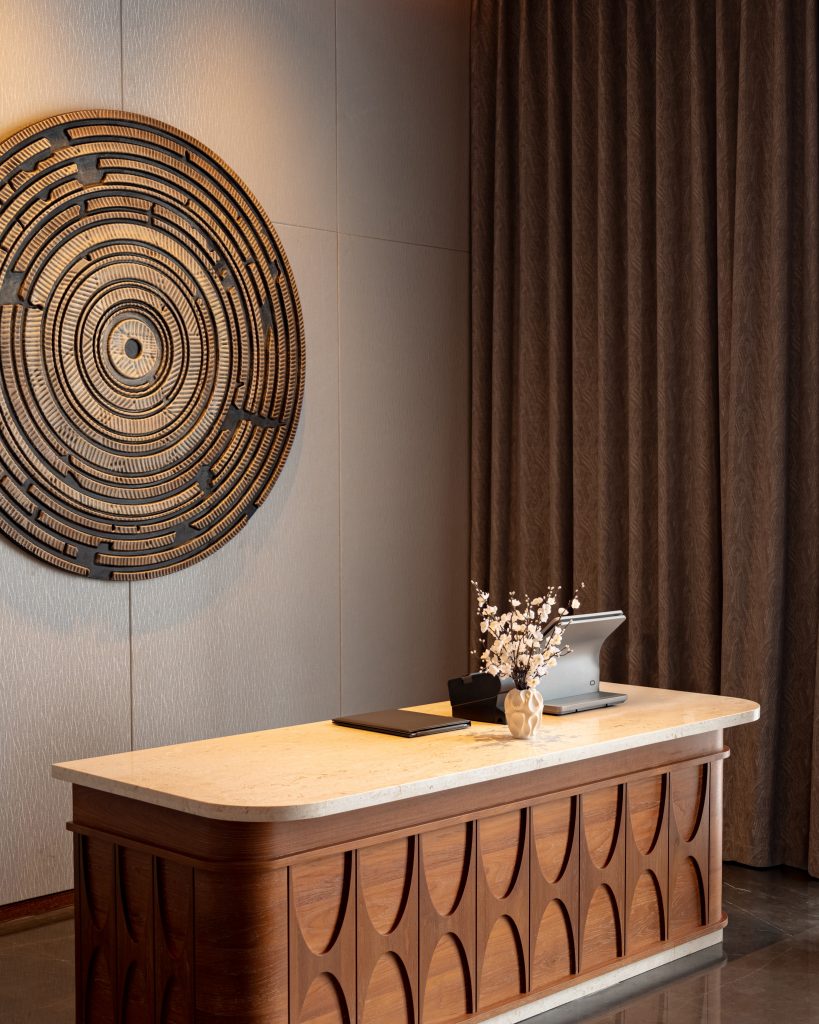
Located just seven minutes by speedboat from Velana International Airport, dusitD2 Feydhoo Maldives combines accessibility with vibrant lifestyle energy, offering event planners and guests a rare balance between convenience and tropical escape.
With the introduction of Feydhoo Hall, the resort strengthens its position as a versatile destination — not only for leisure travellers but also for international conferences, creative retreats, luxury weddings, and large-scale social celebrations seeking something refreshingly different in the Maldives.
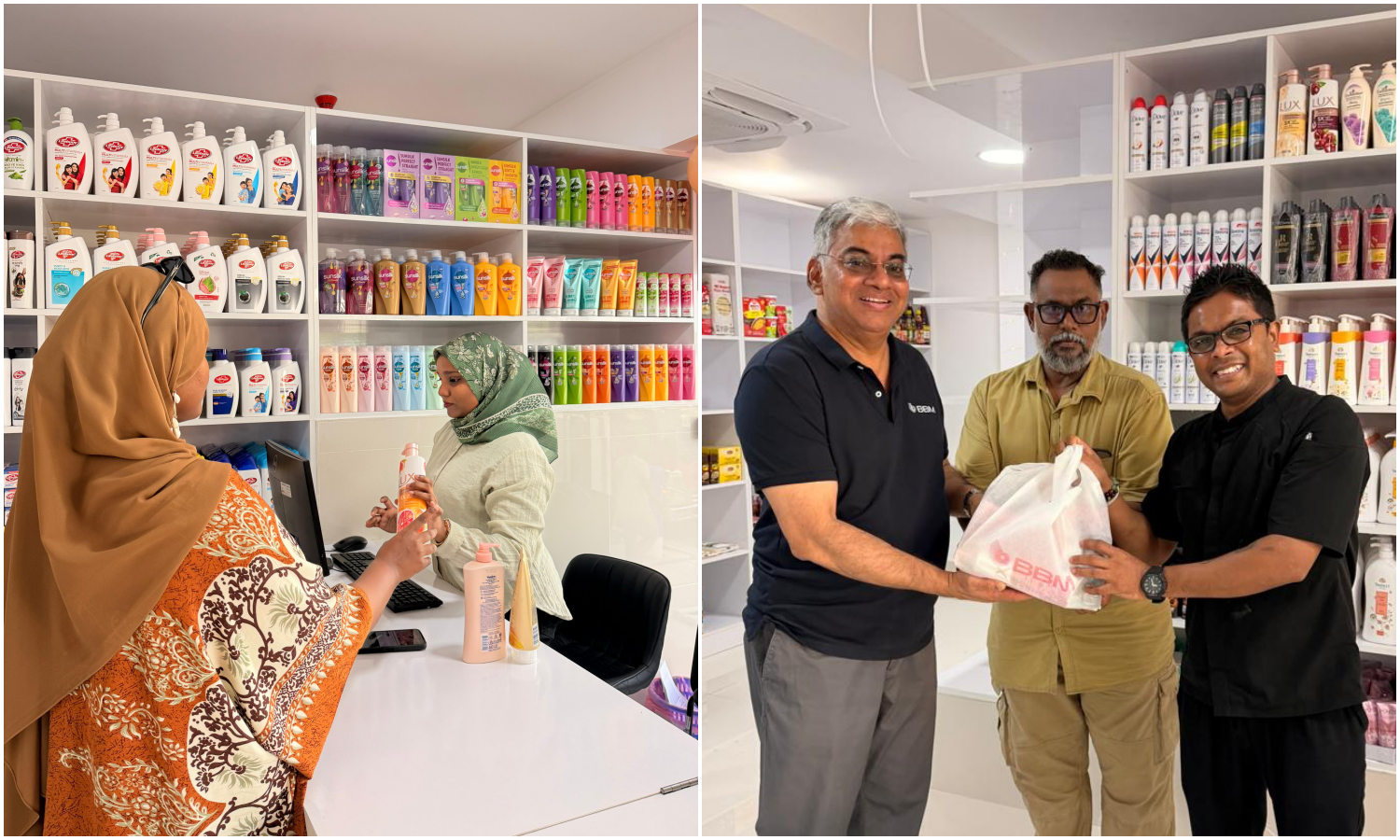
Bestbuy Maldives (BBM) opened a new wholesale store in Hulhumalé Phase 2 on Monday.
The outlet is located on the ground floor of Lot 20286, Nirolhu Magu, and is intended to improve access to BBM’s imported goods for residents of Hulhumalé Phase 2 and for businesses operating in the area.
According to the company, the opening forms part of its plan to expand services closer to customers in line with population growth in Hulhumalé.
With the opening of the new store, BBM’s full range of imported and distributed products will be available at the Hulhumalé Phase 2 location. These include consumer goods from international brands such as Lifebuoy, Vaseline and Unilever.
The store will also stock wholesale food products from brands including Daily, Cavin’s and Redman.
BBM has supplied goods to resorts, hotels and retail outlets across the Maldives for several years.

-
 Culture1 week ago
Sun Siyam Iru Fushi marks Eid with cultural celebrations and community spirit
-
 News6 days ago
TIME recognises Six Senses Laamu among World’s Greatest Places for 2026
-
 Action6 days ago
Banyan Tree Vabbinfaru marks first Hawksbill turtle hatchling event since 2015
-
 Family1 week ago
W Maldives launches Easter celebration with kayak races and beach feast
-
 Family1 week ago
Madifushi Private Island opens Kokko Learning Studio for young guests
-
 Culture1 week ago
Fushifaru Maldives showcases Maldivian culture through Eid celebrations
-
 Culture7 days ago
Sun Siyam Olhuveli celebrates Eid with beach fiesta and cultural performances
-
 News6 days ago
A new approach to family travel at JW Marriott Maldives Resort & Spa