

Action
The Coralarium by Jason deCaires Taylor opens at Fairmont Maldives Sirru Fen Fushi


The Coralarium by Jason deCaires Taylor has opened at Fairmont Maldives Sirru Fen Fushi resort.
Touted as the first ever underwater art installation in the Maldives, the Sculpture Coralarium is situated in the centre of the largest developed coral lagoon in the Maldives. The artwork created by renowned environmental sculptor Jason deCaires Taylor is a semi-submerged tidal gallery space that exhibits a series of sculptural artworks on the skyline, inter-tidal waterline and seabed.

The work aims to create a direct pathway to the ocean. A long swimming pool transects the island and denotes the starting point. The art installation begins by following this line into the clear shallow waters of the sea where an underwater coral pavement begins. Sea-scaped with underwater poplar trees and endemic planted corals, it heads 100m through the shallows towards the underwater realm, a symbolic pathway to another world and the starting point of the artistic intervention.
 After a 50m snorkel or swim, guests encounter a submerged staircase which leads up towards a semi submerged tidal building. The building is cube shaped, six metres tall, with its front façade submerged up to median tide of three metres. The design of the walls is based on natural coral structures and is porous to allow the tides, current and marine life to pass through it and the structure to “breathe” within its location.
The complex structural formation is designed to dissipate oceanic forces whilst creating a protective space that encourages nature to colonise and seek refuge. The construction, using high grade, polished, marine stainless steel aims to reflect and mirror the surrounding blues of the coral atoll and the sky above. A mirage on the horizon, that over time will take on the patina of the sea as it becomes colonised by algae and weathers within the environment. The roof of the building houses a series of black silhouetted Jesmonite sculptures that connect both the sky above and the sea below, occupying a space between worlds.
The entrance of the building is situated above water and leads into a dry elevated viewing platform. The square gallery space exhibits a further 14 sculptures on plinths at various heights within the water column, some works completely submerged, others high above the water line, with the majority mid water interacting with both the marine and terrestrial world depending on the tidal level. The roof is perforated with a coral pattern to allow beams of light to illuminate the individual works and a series of submerged lights to illuminate the space during the night.

The sculptures themselves are hybrid forms, part-human, part-plant, part-coral. The organic forms are based on endemic species of the island and its surrounding reefs; banyan trees, screw pines, strangler ivy, mushroom and staghorn corals. Many of the works feature root systems, symbolic of the dependence of humans on the natural environment a connection to place. White calcium coral, formed of bones ingrained into the surface of works, aims to show how the reef is part of the Maldivian DNA. Leaves on the base of the plinths will provide additional marine habitat space.
The underwater realm of the installation includes a series of children looking up towards the surface of the sea posing questions about the threat of climate change and sea levels rising and the consequences for future generations. Overall the installation aims to draw all the elements of life on earth together, to portray a system where all components are dependant on each other, humans and the environment in coexistence, a levelling of relationships. The Coralarium becomes a portal or interface to the wonders of the underwater world.
Access to the Coralarium is available through guided tours in small groups lead by the resort’s resident marine biologists several times a day.

Located on the Shaviyani atoll, the stunning new Fairmont Maldives Sirru Fen Fushi resort offers 112 luxury villas, each with a private pool. Sirru Fen Fushi, which means ‘secret water island’ in the local Dhivehi language, is set on an exceptionally lush island bursting with flora and fauna. The picturesque locale is also surrounded by powder white sand beaches, peppered with thatched-roofed villas overlooking an endless turquoise sea.
The all-villa resort is ideal for couples or families, and features a 200-metre infinity pool as well as luxury safari-style tented villas nestled in the island’s lush interior jungle.
Fairmont Maldives Sirru Fen Fushi is the sole hotel on the pristine atoll, and its previously untouched location has allowed marine life to flourish, with manta rays, turtles, large pods of bottlenose dolphins and spinner dolphins regular visitors in the crystal-clear waters of the 600-hectare lagoon. The nine-kilometre-long house reef, directly accessible from the beach, is home to vibrant corals and a thriving ecosystem teeming with life. Uniquely, a manta ray cleaning station at the house reef, offers guests a rare close and extended glimpse of one of the world’s most majestic marine creatures, many of which drop by in a beautiful display of aquatic symbiosis with smaller sea life.
The 112 villas are categorised based on the island’s stunning topography, and include Beach Villas, Water Villas, and Tented Jungle Villas. Copper bathroom fittings and carved wood detailing on furniture lend the villas a bohemian rustic chic vibe. Specially adapted to the Maldives, the unique tented jungle villas offer privacy and a romantic castaway vibe; other guests can also experience the verdant island interiors with glamping BBQs or jungle cinema.
A strong connection to nature guides guests throughout their stay, even at the resort’s contemporary dining outlets. These include an international all-day dining spot called Raha Market; an overwater Japanese restaurant, sushi bar and sea lounge named Kata, where Chef Dharmen brings creative flair to add modern and Maldivian twists to Japanese dishes; and the overwater fine dining destination, Azure, where fresh seafood and fish-market displays of daily local catches are complemented by fantastic wines and Champagnes.
It’s the same tranquil natural surroundings from which the Willow Stream Spa at the Fairmont Maldives draws its energy and vitality. The 2,000 sqm wellness area has been adapted to Maldivian island chic in its concepts with the use of endemic herbs and Indian Ocean-inspired treatments. The architectural design features hand-carved wooden doors, with sea breeze passages designed to draw fresh sea air into the treatment rooms. A dedicated Olympic size Jacuzzi pool is provided for spa guests for pre or post treatment immersion.


Action
From zero experience to professional careers: Atmosphere Foundation celebrates Divemaster graduates
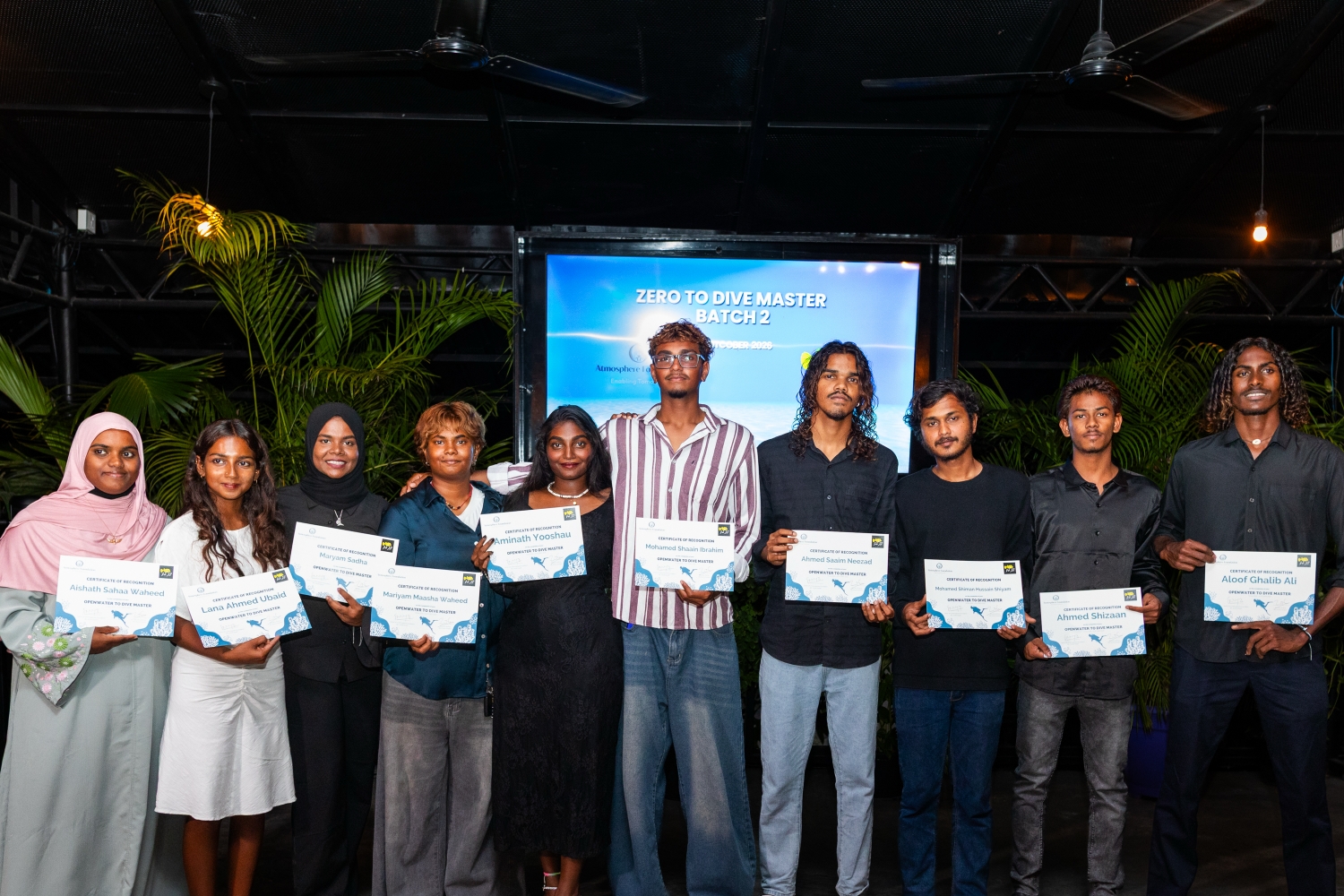
Atmosphere Foundation has celebrated the graduation of the second batch of its ‘Zero to Divemaster’ Scholarship Programme, bringing the total number of young Maldivians trained through the initiative to 20 as the Foundation continues to build pathways into professional careers in the country’s diving industry.
Ten participants completed the second batch of the three-month programme, which takes students through a structured training pathway from PADI Open Water Diver to Advanced Open Water Diver, Emergency First Response, Rescue Diver and, ultimately, professional Divemaster certification.

Delivered in partnership with Moodhu Bulhaa Dive Centre in Vilimalé, the programme is designed to enable Maldivians to enter the professional diving industry even without previous diving experience. The second batch, comprising five women and five men, began training in July following the completion of the inaugural cohort.
The latest graduation builds on strong outcomes from the first batch, which began in April 2026 with 10 participants. All 10 successfully obtained their professional Divemaster certifications, while nine have since secured employment across safari vessels, resorts and island-based dive centres.

The 90 per cent employment rate among the first batch highlights the programme’s success in translating professional training into direct employment opportunities within the Maldives’ tourism and marine sectors.
Beyond technical diving skills, the programme provides participants with training in safety, emergency response and the responsibilities associated with working as a professional Divemaster. The progressive training structure is intended to equip graduates with both the qualifications and practical competencies required to work in professional diving environments.
A key component of the initiative is the level of financial support provided to scholarship recipients. Atmosphere Foundation covers tuition, required certification and registration fees, while also providing accommodation and meals during the programme. The scholarship for the second batch additionally covered training materials and dive insurance, helping remove financial barriers that could otherwise prevent participants from pursuing professional diving qualifications.

By covering both the cost of training and participants’ day-to-day living requirements during the course, the programme allows scholarship recipients to focus on developing their diving skills and completing the demanding progression towards Divemaster certification.
The programme also links scholarship support with a longer-term commitment to the Maldives. Participants agree to work within the country’s diving and marine industry for at least two years after successfully completing their certification, helping ensure that the skills developed through the initiative contribute directly to the local workforce.
With diving forming an important part of the Maldives’ tourism industry, the initiative seeks to expand opportunities for Maldivians to develop specialised skills and pursue careers in an area where trained professionals are required across resorts, liveaboards and local dive centres.

The results of the first cohort provide an early indication of the programme’s potential. While only three graduates had secured jobs when the second batch was launched in July, that figure has since increased to nine, reflecting continued progression into employment following certification.
Following the completion of two batches, Atmosphere Foundation has confirmed that the Zero to Divemaster Scholarship Programme will continue, providing further opportunities for Maldivians seeking to enter the professional diving industry.

With 20 participants now having completed the programme across its first two cohorts, Zero to Divemaster is developing from a training initiative into an employment pathway, combining internationally recognised diving qualifications with practical skills, financial support and a direct connection to career opportunities within the Maldives.
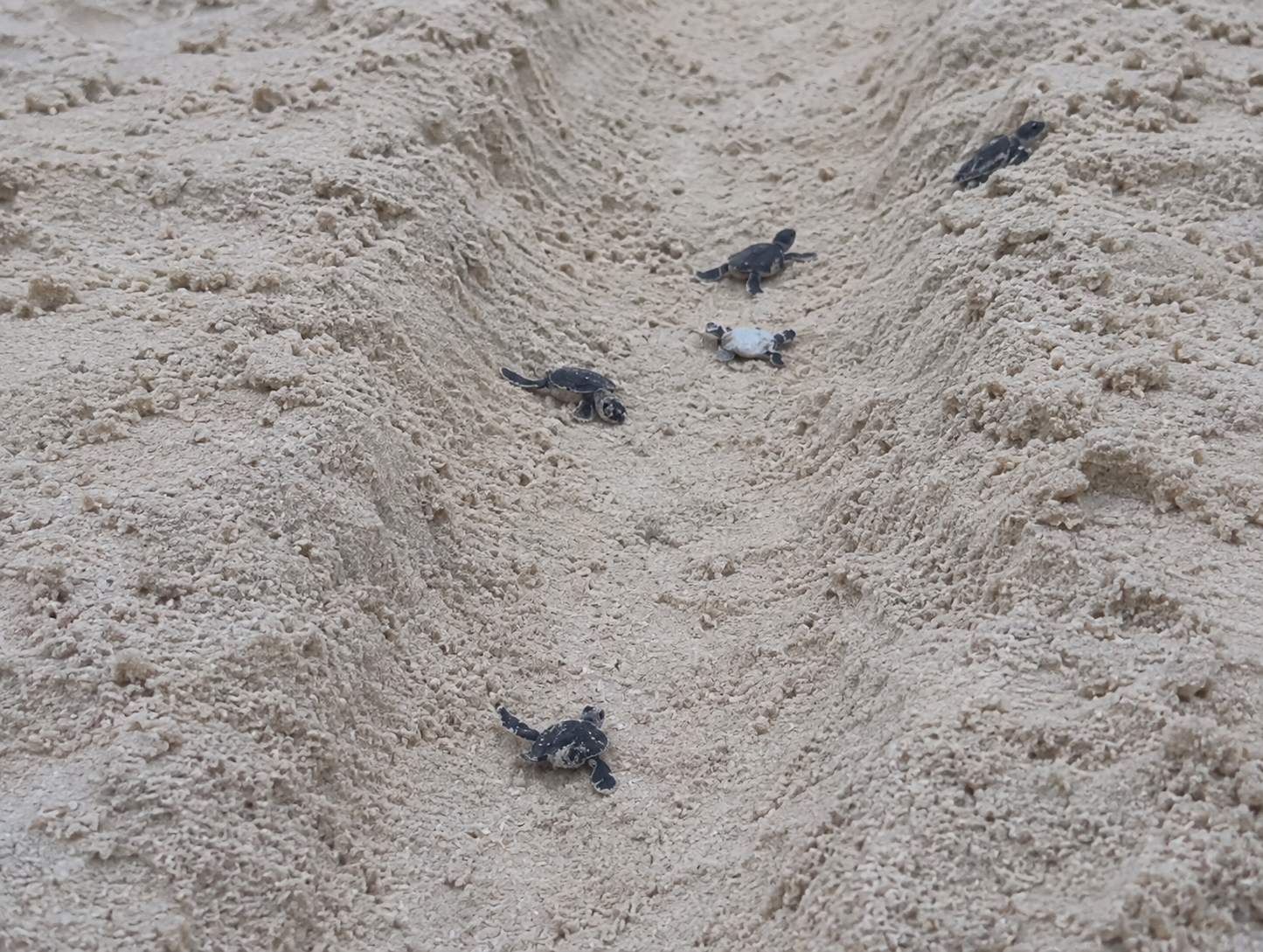
At Cinnamon Velifushi Maldives, seven sea turtle hatchlings recently emerged from the sand and made their way towards the Indian Ocean, their tiny flippers carrying them across the beach before disappearing into the blue. It was a fleeting moment, but one that offered a beautiful reminder that the beaches of the Maldives are more than places to escape to. They are living environments where some of the ocean’s most extraordinary stories begin.
For a sea turtle hatchling, the distance between nest and ocean may be measured in metres, but it marks an important first chapter in a much longer journey.

Sea turtles nest throughout the year in the Maldives, with nesting activity recorded across almost all of the country’s atolls. Green turtles account for the majority of recorded nests, while hawksbill and olive ridley turtles have also been documented. Recent research into nesting activity in the Maldives found that nests typically take around two months to hatch.

Once they emerge, however, the hatchlings are immediately faced with a challenging journey. Their instinctive movement towards the ocean is one of the most vulnerable stages of their lives. Natural predators are only part of the challenge. Artificial lighting can disorient hatchlings and lead them away from the water, while pollution, fishing activity, habitat loss and the effects of climate change continue to present threats throughout their lives.
Surrounded by the waters of Vaavu Atoll, Cinnamon Velifushi Maldives sits within a rich marine environment where encounters with the natural world extend far beyond the shoreline. The waters around the atoll are home to an abundance of marine life, from colourful reef fish and rays to sharks, dolphins and sea turtles, making the ocean an ever-present part of the island experience.

At Cinnamon Velifushi Maldives, these seven hatchlings were only visitors for a matter of minutes before the ocean carried them away. But for those fortunate enough to witness their first journey, they left behind something much bigger: a reminder that in Vaavu Atoll, some of the Maldives’ most memorable experiences are the ones nature chooses to create itself.
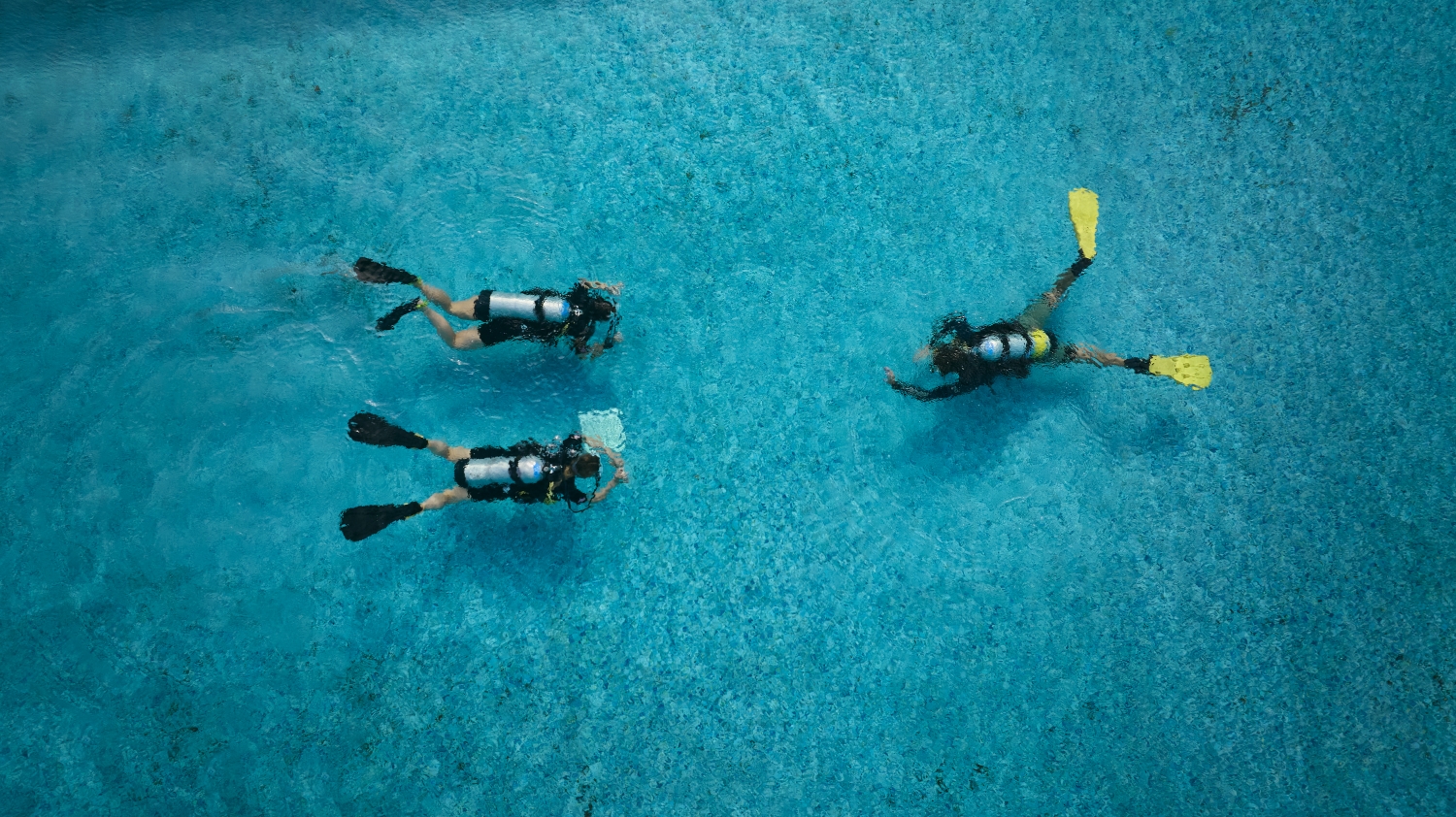
Pullman Maldives Maamutaa continues its ongoing marine conservation journey with the identification of Six Individual Indo-Pacific Leopard Sharks along the resort’s house reef. The sharks were documented through photographic observation and submitted to the MIYARU, the Maldives’ national non-profit organisation and research network focused on collaborative shark research and conservation.
The six identified sharks namely Atlas (LS081), Aurelian (LS083), Kikongo (LS090), Ambala (LS091), Ingwe (LS096), and Fowler (LS097) – can each be recognized by their distinctive patterns of dots and spots. Similar to a human fingerprint, these natural markings are unique to every shark, enabling marine researchers to identify individuals when they are encountered again.

By documenting these individual sharks, Pullman Maldives Maamutaa is contributing to a growing body of knowledge about the species and how it uses local reef habitats. Each sighting adds another piece to the wider picture of leopard shark presence and movements in the Maldives, supporting continued awareness, research and conservation.
For Pullman Maldives Maamutaa, conservation is about creating meaningful connections with the natural world. From a passing encounter with a leopard shark to learning how individual animals can be recognized beneath the surface, every discovery can offer a new perspective on the living reef.

The identification of these six leopard sharks reflects the resort’s continued approach to marine conservation through attentive observation, responsible marine experiences and collaboration with conservation partners.
As monitoring continues, Pullman Maldives Maamutaa invites guests to discover its house reef not simply as a destination beneath the surface, but as a living environment shared with an extraordinary diversity of marine life.
With every sighting, every photograph and every new record, the resort continues to build a deeper understanding of the waters surrounding Maamutaa – inspiring greater appreciation for the wildlife that calls the Maldives home.

Kayla Shortt is Pullman Maldives Maamutaa’s in-house Marine Biologist and PADI IDC Staff Instructor, who coordinated the in-water observations, photographic documentation and identification submissions that resulted in the six individual records.
Originally from South Africa, she has worked across five-star resorts in the Maldives since 2021, bringing together her experience in marine tourism and practical conservation.

Her expertise spans reef-health monitoring, turtle rehabilitation and shark behavior, with a particular focus on creating greater awareness and understanding of the marine environment.
At Pullman Maldives Maamutaa, Kayla makes marine science engaging and accessible, connecting guests with the underwater world while supporting the resort’s ongoing conservation efforts. Through her work, she contributes to a deeper understanding of the Maldives’ marine environment and the remarkable wildlife that calls it home.

-

 News1 week ago
‘The Curse of the Vigani’ takes over Oaga Art Resort this Halloween
-

 News1 week ago
InterContinental Maldives marks brand’s 80th anniversary with Michelin-starred culinary collaboration
-

 Awards1 week ago
Finolhu earns five Luxury Childcare Association Awards nominations
-

 News1 week ago
Soneva’s Maldives waterslide reimagined as contemporary art in Stockholm
-

 Awards1 week ago
Baros Maldives wins Indian Ocean’s Leading Water Villa Resort at World Travel Awards
-

 News1 week ago
Fushifaru Maldives unveils five-day celebration for ninth anniversary
-

 News1 week ago
Cora Cora Maldives welcomes guests back after planned island enhancements
-

 Awards1 week ago
Kuda Villingili Resort earns highly commended honour at Family Traveller Awards