

Featured
Water slides, retractable roofs, Soneva Jani brings excitement to intelligent luxury


In typical Maldivian fashion, it was a gloomy day in late July. But I was excited and determined to beat the South-West Monsoon rain as I boarded the seaplane to Soneva Jani, one of the most exciting new resorts in the Maldives. Since its launch in November, the resort has constantly created so much fanfare both locally and internationally. And I was eager to see it up-close-and-personal!
I am going to skip the personalised care given by the staff at the brand’s lounge at the seaplane terminal and the hassle-free check-in process — the level of service that you generally expect from Soneva — and fast forward to the end of my 45-minute seaplane flight. As the seaplane descended, I could see the lagoon of Medhufaru from a distance. It was huge by Maldives standard, with a collection of five islands providing it with protection and a majestic view to the visitors that have never seen anything of the sorts before.
As I stepped out of the seaplane and onto the floating platform, located a few kilometres away from the resort, I was greeted by Logie Rañosa-Afsan who introduced herself as my Ms. Friday — Soneva’s own brand of butler service. The waters were choppy, making it almost impossible to stand on the platform. So we hurried to the speedboat, which would take us to the resort in a minute or two.
The concept of barefoot luxury pioneered by Soneva began on the speedboat itself where I took off my shoes and put it in a bag marked with the brand’s “no news, no shoes” slogan. I would not be seeing it, let alone needing it until I take the very last step onto the seaplane after my trip!
https://www.facebook.com/Maldives.net.mv/videos/10155732312923846/
To understand the story of Soneva Jani, it is important to go back in time to 1995 when Eva and Sonu Shivdasani built their first resort, Soneva Fushi on the deserted island of Kunfunadhoo in the Maldives. Inspired by the couple’s intensely personal vision of a locally-crafted villa and environmentally responsible lifestyle, Soneva Fushi opened its doors as the first ‘castaway’ resort in the Maldives, pioneering a trend for back-to-nature luxury holidays.
With the resort located in the central Baa atoll, Soneva established a blueprint for barefoot luxury holidays in the Maldives and around the world, with several firsts to its name: the Maldives’ first integrated waste management centre, first to introduce a two percent carbon levy to offset carbon emissions, and the first Art and Glass studio in the Maldives.
Fast forward 20 years, Soneva Jani is the continuation of Sonu and Eva’s own brand of luxury tourism and their environmentally responsible lifestyle, SLOW LIFE. Inspired by the Sanskrit word Jani, which means wisdom, Soneva Jani is located on the 150-acre Medhufaru island, the largest of the five islands in the 5.6-kilometre private lagoon. The resort encompasses a collection of 24 overwater villas and one island villa, with more island villas set to be built later on.
I would be making one of those overwater villas, officially called Water Retreats or Reserves, home during my stay. But before taking me there, Loglie gave me a comprehensive tour of The Gathering, the heart of the overwater villas and the central hub of operations. This three-storey overwater building — dubbed the largest overwater structure in the Maldives — houses various dining outlets as well as the spa, library, kids club, retail area and wine cellar.

The Gathering at Soneva Jani. PHOTO/ SONEVA
Built from the same untreated wood and given the same ash-coloured finishing, The Gathering lets you enjoy drinks, snacks or global favourites from a carefully crafted food menu while sitting at sunken tables with glass bottoms or lying on daybeds and overwater catamaran nets overlooking the fish-filled waters of the lagoon. After your meal, you can skip dessert and head over to the So Cool to indulge in homemade ice-cream (over 50 flavours to choose from) and handmade chocolates from in-house chocolatiers — a complimentary offering that Soneva is famous for. You can follow it up with some light reading at the reading corners where shelves stacked with an inspiring and informative selection of literature on the Maldives and its magnificent underwater world are lined with. Or just extend the calmness the jelly fish art hanging from the ceiling, which itself has been decorated with dried leaves (I was later told that over 14,000 dried leaves have been used to decorate the ceilings of different buildings in the resort), gives you by heading to the spa for a rejuvenating treatment set against the stunning views of the shimmering lagoon.
The tour had me wanting to explore The Gathering more, but it was time for me to finally enter the two-bedroom Water Reserve that had been booked for me. And so, I got on an electric buggy along with Loglie and made our way through the zigzag-like wooden pathways over the lagoon. I was “so carried away”, as a piece of wood attached to one side of the buggy proclaimed, by the lingering ocean breeze and the azure waters of the lagoon that I did not even realise when the buggy came to a stop at the entrance to my villa.

Entrance to the two-bedroom Water Reserve. PHOTO/ MALDIVES INSIDER
Even from the first glance, it appeared fairytale-esque, with sandblasted pine decking and Shingle Red River Gum tiles adorning the outside. The roof, with a little secret to be discovered once inside, was shaped in such a way that it gave the villa an overall impression of a castle from a Disney movie. The sheer size — 555 square metres to be exact — added to its grandeur, making me wanting to just stay in for the rest of my stay here.
Once the wooden door opened, I was greeted by a large living room with a sunken table like those at The Gathering set in the middle. The villas are made from subtly weathered woods and natural materials in a colour palette of white, pastel greens and mauves. The overall effect is ethereal, light and airy — all in all, encouraging the ultimate state of relaxation.

Living room of a water retreat at Soneva Jani. PHOTO/ SONEVA
On one side, a door opened to the master bedroom, where a king-sized bed sat in the middle facing the sundeck, which was accessible through floor-to-ceiling glass doors. Through the room, a sliding wooden door opened to a private kitchen and walk-in mini-bar, while separate doors led to a walk-in closet and dressing room, a dedicated toilet, and an open-air bathroom with tub, shower and lagoon access. There was a light-filled study too, but what caught my attention the most was the large outdoor deck and seating area where sun loungers and an overwater swing seat were set. The highlight of this large, spacious deck that offered unfettered access to the lagoon was the 13m salt water swimming pool with catamaran nets and the adjoining water slide, a hit amongst kids and adults alike as it allowed them to be ‘thrown’ into the lagoon in a similar fashion as with a fun slide at a carnival.

The kitchen and walk-in minibar at a water retreat at Soneva Jani. PHOTO/ SONEVA

The master bedroom of a water retreat at Soneva Jani. PHOTO/ SONEVA

The outdoor deck of a water retreat at Soneva Jani. PHOTO/ SONEVA

The outdoor shower at a water retreat at Soneva Jani. PHOTO/ SONEVA
One the other side of the living room, a staircase took me to the second floor of the villa, where a smaller bedroom and outdoor terrace area with cushioned seats formed a separate living area totally detached from your regular space. Although the night was cloudy, I could imagine myself standing at the balcony, staring at the starlit night sky and listening to the rhythm of the waves.
But I had to try out the ultimate showstopper of the villa; the retractable roof. A remote with only three buttons — two arrows (one for opening and the other for closing) and a circle in the middle — lay in the top drawer of one of the bedside tables. I pushed the button and the roof slowly glided open, revealing the night sky. Although I was told that sensors detect rain and automatically close the roof even when I was asleep, I was advised to keep the roof shut when going out or sleeping.

Retractable roof of a water retreat at Soneva Jani. PHOTO/ SONEVA
This was next-level stargazing, right from the comfort of your bedroom! But Soneva Jani takes that experience even a bit further with its overwater observatory, located right next to The Gathering. Priding on being the first overwater observatory in the Maldives, it houses the “Rolls Royce” of telescopes; a 16-inch Schmidt-Cassegrain mounted on a 20-foot mast. This telescope — the largest in the Maldives — rises from the ground of the James Bond-inspired observatory, allowing you to zoom in on Jupiter, Saturn’s rings, and the Sombrero Galaxy some 31 million light years away.
The So Startruck observatory deck also transforms into a dining venue, where four dining tables equipped with screens linked to the view from the telescope are set in a circular fashion. Weather permitting, guests sit back on cushioned seats and enjoy great food and drinks from an Eclipse set menu prepared by the chef, as the in-house astronomer takes them through a journey of the night sky and the cosmos. I was booked for this out-of-the-world dining experience, but unfortunately bad weather got in the way.

So Starstruck at Soneva Jani. PHOTO/ SONEVA
The Gathering and the observatory lead the way to the Medhufaru island, which remains largely untouched for the time being except for the extensive gardens — from its time as a farm island 10 years ago — that still supply the fruits, vegetables, herbs and mushrooms to the resort’s kitchens. As Loglie and I approached the island on the buggy, I was again “so carried away” by the powder soft white sandbanks that were forming along with the low tide. Through the thick foliage and fully-formed vegetation that lined the sides of the narrow pathways, we stopped by at the areas marked for the second phase of the resort’s development, including the space for a new restaurant, spa and island villas, until we reached an isolated corner of the island.
This tranquil bay on the southern end of the island leads to the overwater, open air Cinema Paradiso — another first in the Maldives. Crossing a pathway made from cylindrical blocks of wood, which in high tide gives an impression of a floating jetty, guests are treated to screenings of movies old and new, with sound piped in via wireless headsets, so the noise does not disturb the underwater life and nesting wildlife of the island. As guests lie on catamaran nets hanging on the water, chefs create a special menu at the adjoining restaurant, which would be officially unveiled later this year as a full-fledged dining venue, to accompany the evening’s movie.

Cinema Paradiso at Soneva Jani. PHOTO/ SONEVA
From a distance, I could see a deserted island on the north, one of the four islands in the lagoon that will remain untouched. Named after a local chef, Zuhair’s Beach is accessible by a boat, and is the perfect spot for sunning, swimming and snorkelling. But that is not all you can do here; the island is home to a dining venue specialising in local cuisine. Refreshments are served throughout the day along with delightful lunches cooked only with what the chef can catch and pick. Here, guests can taste the freshest fish, grilled, barbecued or baked in the sand.
Back in the main island of Medhufaru, I was shown the waste-to-wealth Eco Centro. This is where Soneva Jani’s aim of becoming a zero-waste resort — everything composted, reused or used in construction — actively happens. With a strong emphasis on education and training, the practical but very guest friendly Eco Centro will be fully operational soon.
From there, we headed back to The Gathering. But there was one last attraction on the way; the Labyrinth, a meditative maze created out of ficus hedge that follows an ancient circular pattern. A walk or bicycle ride through this maze is so calming and refreshing that it not only helps you rediscover yourself, but also takes you back to the concept of intelligent luxury interwoven in every aspect of Soneva Jani. With buildings made from ethically-sourced highest quality sustainable materials, homegrown produce used in the kitchens and a comprehensive waste management and recycling programme, this is the culmination of Sonu and Eva’s two-decade long knowledge and experience in coining the concepts of SLOW LIFE and intelligent luxury, which recognises the ability for luxury holiday making and care for the environment to co-exist with perfect ease.

The Labyrinth at Soneva Jani. PHOTO/ SONEVA
But it is not just a guilt-free, ethical holiday that Soneva Jani treats you to, but authentic experiences that disconnect yourself from the noisy world out there and reconnect you with the nature that you truly belong to. The “no news, no shoes” slogan is very real here, with TVs tucked away in heavy boxes and mobile phone use in public places discouraged (who needs it anyway at a place like this?). As I put on my shoes on the speedboat ride to the seaplane platform, I took one last look at the lagoon — the most vibrant shades of blue I have ever seen — and the developments around that are in perfect harmony with nature, making Soneva Jani a one-of-a-kind holistic holiday experience inspired by nothing but nature and made exciting by simple yet awe-inspiring additions.


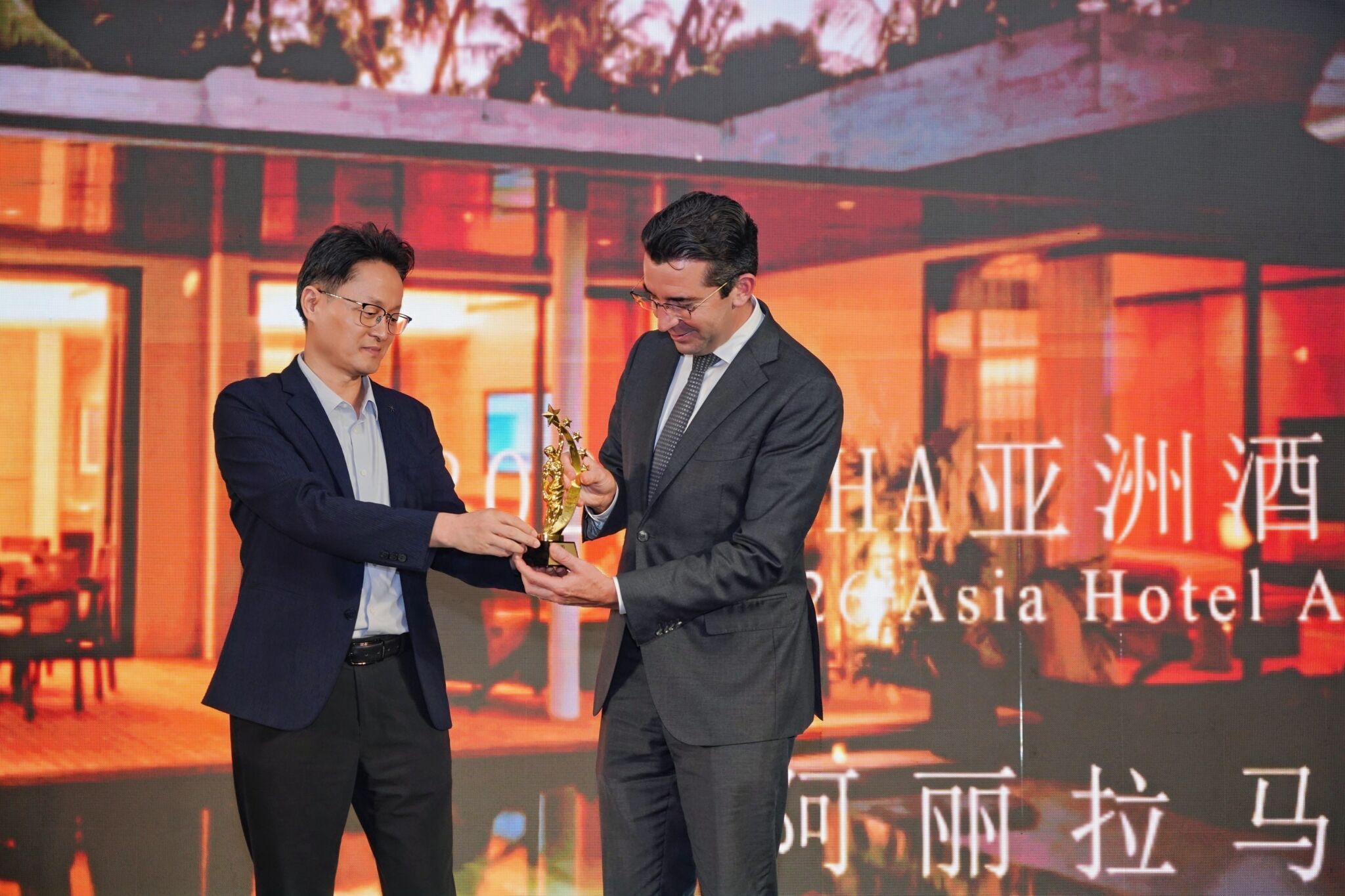
Alila Kothaifaru Maldives has been named Best Resort of the Year at the 2026 AHA Asia Hotel Awards, held at Capella Bangkok in Thailand. The recognition places the resort among leading hospitality properties across Asia, acknowledging its approach to luxury hospitality, guest experiences, design and service.
The award was presented during the 15th edition of the ceremony, which marked a milestone in the programme’s history. Established in 2010 by LIFESTYLE Magazine as the CHA China Hotel Awards, the programme expanded in 2026 to become the AHA Asia Hotel Awards, bringing together hotels and resorts from across the region.
The decision to host the gala in Bangkok for the first time reflected the programme’s broader ambition to recognise achievements in hospitality beyond China. The ceremony brought together hospitality leaders and industry representatives to celebrate achievements in luxury accommodation, resort experiences, design, wellness and service.
Alila Kothaifaru Maldives received the Best Resort of the Year award in recognition of its approach to providing guest experiences that combine contemporary design, personalised service and a connection to the island’s natural surroundings.
“To receive this recognition alongside some of Asia’s most respected hospitality names is a proud moment for all of us at Alila Kothaifaru Maldives,” said Thomas Weber, General Manager.
“Our island has its own character, and we have always believed that the most meaningful experiences come from allowing guests to discover it at their own pace. This award belongs to our team, whose care, dedication and genuine warmth bring that philosophy to life every day. We are equally grateful to our guests for choosing to share their time and special moments with us.”
Located in Raa Atoll, Alila Kothaifaru Maldives features 41 beachfront villas, 36 overwater villas, three two-bedroom beach villas and the Boduge Residence. Each accommodation category includes a private pool, with designs intended to offer privacy while maintaining a connection to the island’s landscape and surrounding Indian Ocean.
The resort offers a range of experiences centred on its location, including guided house reef exploration with marine experts, underwater activities and opportunities to learn about Maldivian traditions through cultural programmes.
Its dining experiences include seafood and international cuisine, as well as private dining arrangements on The Shack, a secluded sand cay. Spa Alila offers treatments and wellness programmes designed around relaxation and wellbeing.
“An award such as this reflects the dedication of many people working together, often through the smallest details that guests may never see,” said Jamal Ahmed, Resort Manager.
“We take great pride in creating an atmosphere where service feels personal and unforced, and where every guest feels genuinely welcomed. It is especially rewarding to see the efforts of our colleagues recognised on a regional stage.”
The latest recognition follows another achievement for Alila Kothaifaru Maldives in 2026, when the resort received the Tripadvisor Travellers’ Choice Award. The accolade places the property among the top 10 per cent of hotels worldwide based on traveller reviews and ratings.
The two awards recognise the resort’s performance from both industry and guest perspectives, reflecting its focus on service standards, guest satisfaction and experiences connected to the Maldivian environment.
Alila Kothaifaru Maldives continues to focus on delivering personalised hospitality, maintaining service standards and developing experiences that allow guests to explore the natural and cultural attractions of the Maldives.
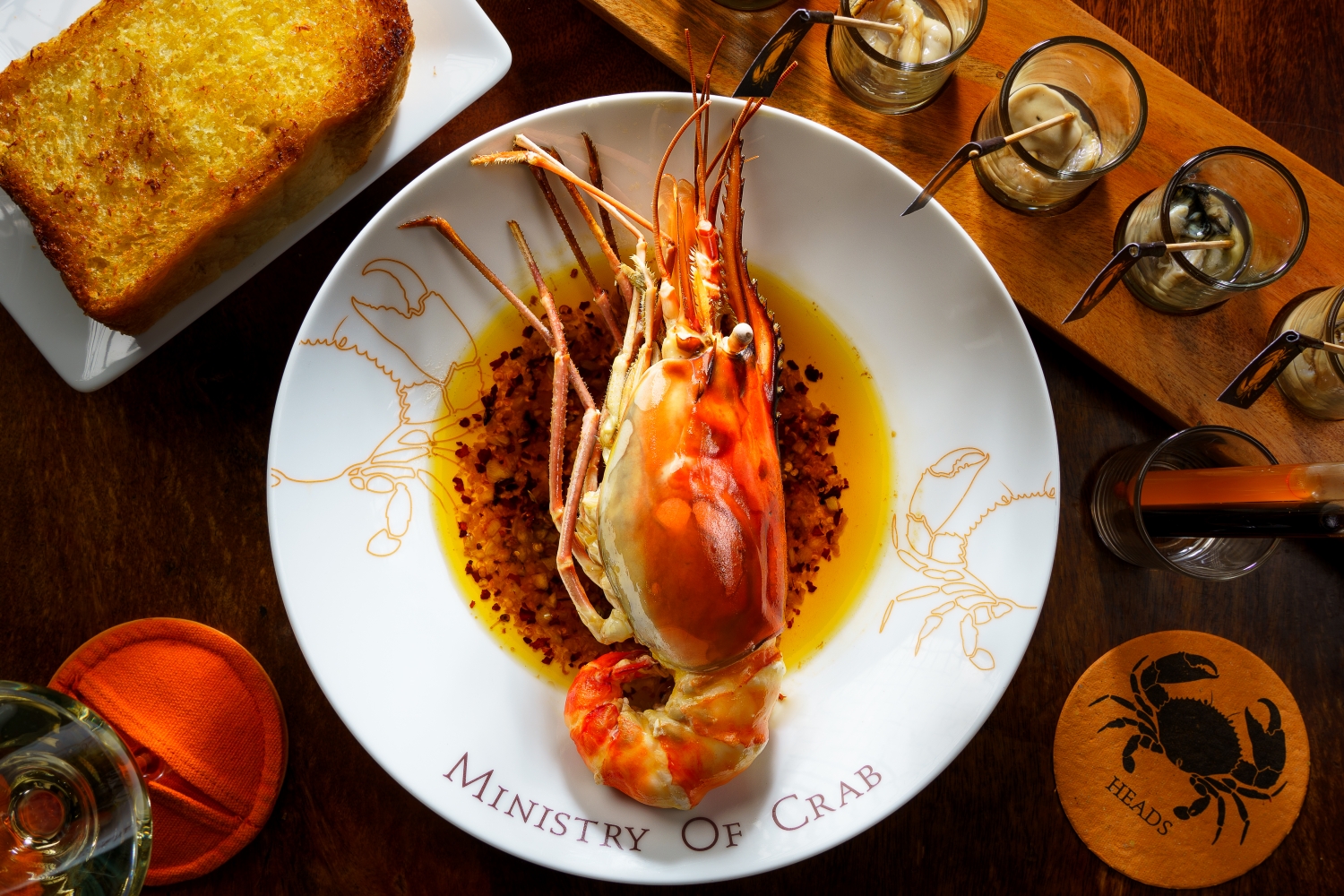
Barceló Nasandhura Malé has announced an exclusive two-night gastronomic pop-up collaboration featuring the celebrated flavours of Ministry of Crab at B.Heaven Rooftop on 13 and 14 November 2026.
Created by internationally acclaimed chef-restaurateur Dharshan Munidasa, Ministry of Crab is a distinguished fixture on Asia’s 50 Best Restaurants list. Known also for Carne Diem Grill at Crossroads Maldives, the country’s only restaurant featured in 50 Best Discovery this year, Chef Dharshan’s culinary philosophy will be brought to life in Malé through an extraordinary showcase of iconic Sri Lankan mud crab and freshwater prawn specialities.

Hosted against the panoramic ocean backdrop of B.Heaven Rooftop, this landmark commercial engagement brings Ministry of Crab’s world-renowned culinary philosophy to the Maldivian capital. Built on a foundation that prioritizes ingredient freshness above all else, Ministry of Crab operates under a strict “no-freezer” policy. The event will feature export-quality Sri Lankan mud crabs and majestic freshwater prawns flown in fresh for the two-day dining showcase.

“We are delighted to bring the iconic flavours to Barceló Nasandhura Malé this November,” said Enric Reina, Hotel Manager at Barceló Nasandhura Malé. “This partnership marks a significant milestone for both our hotel and the capital’s dining scene as we elevate the local epicurean landscape, offering our resident guests and Malé’s culinary connoisseurs a rare opportunity to experience award-winning gastronomy.”

Chef Dharshan Munidasa commented on the collaboration: “Maldives holds a special place in the regional food landscape, surrounded by the same pristine Indian Ocean waters that inspire much of my culinary work. Partnering with Barceló Nasandhura allows us to showcase our iconic Ministry of Crab signature dishes—from our Garlic Chili Crab to our hand-crushed Pepper Crab—alongside exclusive preparations crafted specifically for B.Heaven Rooftop.”
Over the course of this limited two-day engagement, guests will indulge in a curated menu highlighting Ministry of Crab’s flagship preparations.
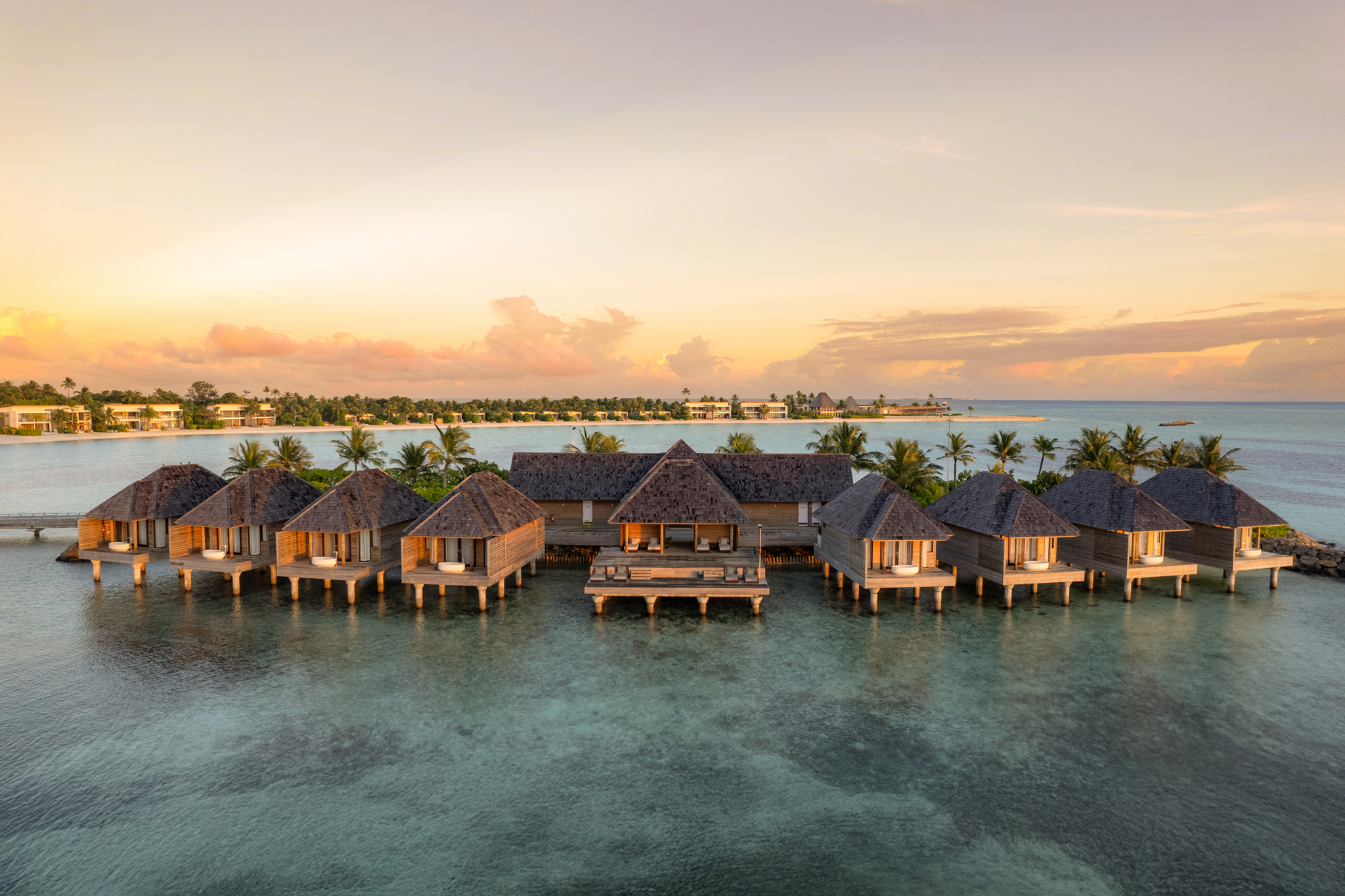
Kuda Villingili Resort Maldives has been included in the 2026 selection of the MICHELIN Guide, recognising the independently owned Maldivian resort for its hospitality, facilities and guest experiences.
The MICHELIN Guide’s hotel selection features properties from around the world, assessed against five criteria: connection to the destination, architecture and design, quality and consistency of service, authenticity and character, and value for the experience offered.
Located in North Malé Atoll, approximately 30 minutes by speedboat from Velana International Airport, Kuda Villingili features 75 villas, including 36 overwater villas, each equipped with a private pool. The resort caters to couples, families and groups of friends, offering accommodation and facilities designed to accommodate different guest preferences.
The resort offers eight dining experiences, an overwater spa, a 150-metre swimming pool, and a range of sports and wellness facilities. Its location near Chickens Break, one of the Maldives’ established surfing destinations, provides guests with access to surfing activities alongside other water-based experiences.
Kuda Villingili has also received Green Globe certification for the third consecutive year, reflecting its efforts in environmental sustainability and community engagement.
“Being selected for the MICHELIN Guide is a meaningful recognition for Kuda Villingili and, above all, for our team. Every day, our ambassadors bring warmth, care and individuality to the guest experience. This recognition reflects the passion behind what we have created together and encourages us to continue evolving while remaining true to who we are,” said Amjad Thaufeeg, Commercial Director of Kuda Villingili Resort Maldives.
The resort’s hospitality concept focuses on providing guests with flexibility to personalise their stays through activities including surfing, wellness, dining and family experiences, as well as opportunities for relaxation.
The inclusion in the MICHELIN Guide’s 2026 hotel selection represents another development for Kuda Villingili as it continues to position itself within the Maldives’ luxury hospitality sector under its brand philosophy, Time and Space Redefined.

-

 Awards7 days ago
Cinnamon Maldives resorts celebrate triple win at SATA 2026
-

 Awards1 week ago
Atmosphere Core wins Leading Resort/Hotel Brand and Hospitality Development Company titles at SATA 2026
-

 Action1 week ago
Four Seasons Resorts Maldives honoured for 25 years of marine conservation efforts at HICAP 2026
-

 Featured1 week ago
Reethi Faru Resort reveals festive line-up of dining, entertainment and island experiences
-

 Fashion1 week ago
KAYALI showcases Maldives as luxury brand destination with first global trip
-

 Cooking1 week ago
Milaidhoo Maldives welcomes Chef JKP for culinary workshop, wine-pairing dinner
-

 Awards1 week ago
ELE|NA recognised for excellence in wellness hospitality at SATA 2026
-

 News1 week ago
The Standard, Huruvalhi Maldives to introduce refreshed villas, dining and wellness facilities