

Action
Six Senses Laamu marks Turtle Day with 100th Hawksbill identification


Six Senses Laamu has celebrated the World Turtle Day this year with the identification of 100th Hawksbill turtle on the atoll’s reefs.
In July 2016, the resident marine biologists at Six Senses Laamu implemented a new code of conduct on how to sustainably snorkel and dive with turtles, ensuring that every encounter is a positive interaction and that it does not affect the natural behaviour and movements of the turtle. With this in mind, they began compiling a database of turtle sightings from the dive and snorkel sites around the Laamu atoll, via a simple photographic identification process.
The 100th Hawksbill turtle was identified this week and included in the resort’s marine database.
According to Six Senses Laamu, the identification process allows the marine team to closely monitor the population of both Green and Hawksbill turtles in the surrounding waters. Due to key members of the team being both dive and photography enthusiasts there are available sighting records dating back as far as 2013, it said.
“Of the 800+ total sightings, only 240 are of Hawksbills. The most re-sighted Hawksbill is Mia with 20 sightings,” the resort’s announcement read.

Six Senses Laamu said it aims to increase awareness of turtles and conservation measures to protect them and the habitats in which they live. Guests diving or snorkelling on the surrounding reefs are encouraged to take photos of turtles they come across, and if they find a newly spotted turtle, they may get a chance to give it a name, it added.
Hawksbill turtles are located worldwide and are easily distinguished from other sea turtles by their sharp curving beak and serrated edge to the rear of their shell. Like all sea turtles, they spend the first 20 or so years of their life in the open ocean feeding predominantly on jellyfish. Therefore, when they come to live in coral reef habitat, they change their diet and start feeding on sponges, algae, coral, and small crustaceans instead.
Hawksbill turtles play a key role in the coral reef ecosystem. There are few animals that eat the fast-growing sponges due to the toxins in their tissue; therefore they allow coral and other species to colonise and grow in the gaps they create. This maintains diversity throughout the reef ecosystem.
Hawksbill turtles are listed as Critically Endangered in the International Union for Conservation of Nature (IUCN) Red List. This is partly due to their shell being used for thousands of years for decoration purposes, but in the 1900s their population was estimated to drop by 80 percent. As air breathing reptiles, turtles are at great risk of drowning in fishing gear. In addition to this, with jellyfish as their main food source in the open ocean, plastic pollution is a major problem. In the present day, they are protected by the Convention on International Trade in Endangered Species of Wild Fauna and Flora (CITES) but much is still needed to conserve populations.

Six Senses Laamu is the only resort located in the Laamu atoll, which lies in the southern part of the Maldives. Surrounded by the Indian Ocean, the resort prides itself on its commitment to sustainable operations and development as outlined by Agenda 21 and Green Globe Benchmarking.
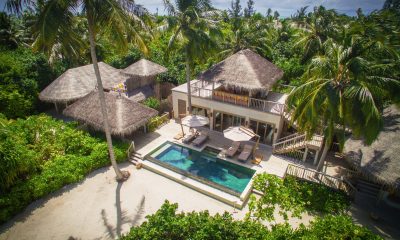
At Six Senses Laamu, most of the villas and facilities are built overwater. However, beach villas and on-land dining is an option. All villas offer a sense of privacy and seclusion, with an amazing view to the Ocean and Maldivian nature.
Six Senses Laamu offers a wide range of dining options, with cuisines from around the world, a swimming pool with a sunken bar, an ice cream parlour, an overwater wine cellar and a signature Chill bar. Many activities, excursions and options are available for everyone to enjoy, both overwater and underwater, in addition to the Six Senses Spa.





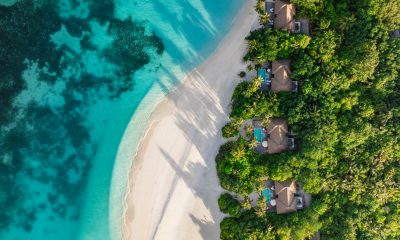

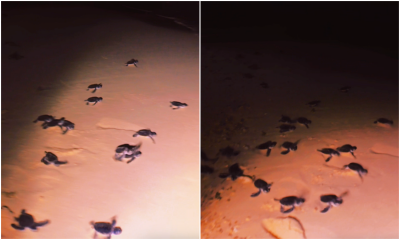


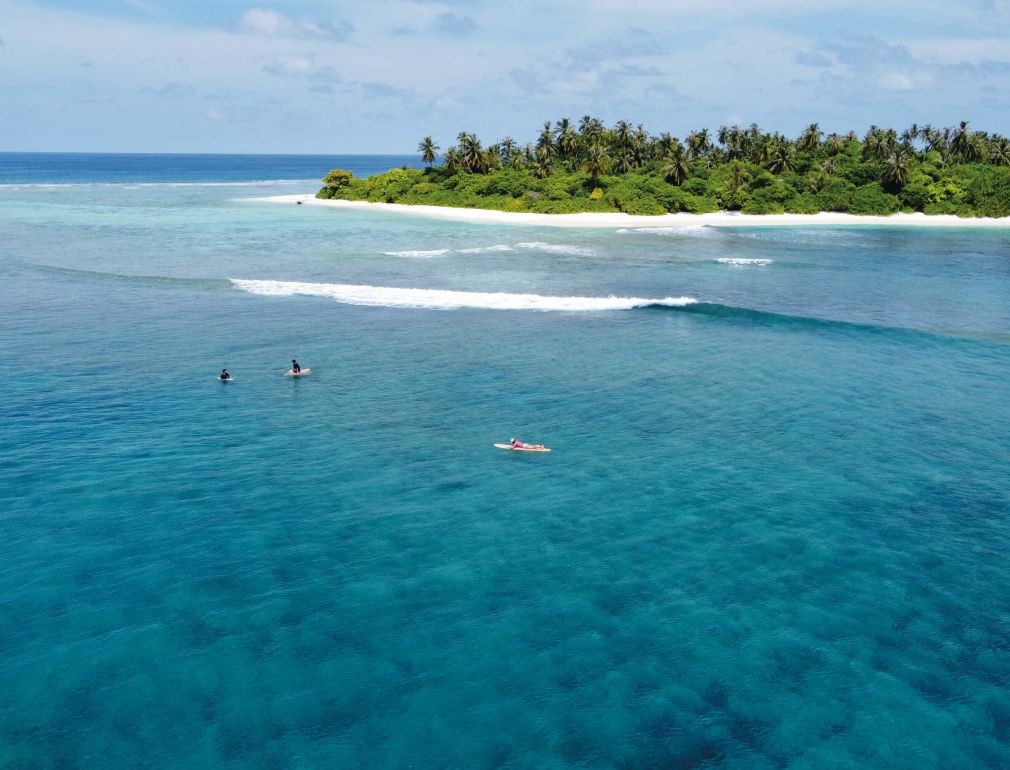
COMO Maalifushi presents a considered approach to surfing in the Maldives—one shaped by access, expertise, and the quiet privilege of space.
Located in the remote Thaa Atoll, the resort offers entry to a network of lesser-travelled breaks across the southern atolls, where consistent Indian Ocean swells meet uncrowded line-ups. Here, surfing unfolds without urgency—guided by natural rhythm rather than routine.
At the core of the experience is COMO Maalifushi’s long-standing partnership with Tropicsurf, daily sessions are shaped by real-time ocean conditions, with coaching that adapts intuitively to each guest—whether taking to the water for the first time or refining technique across more complex reef formations.
Guests are given access to a curated selection of breaks across Thaa Atoll, Laamu Atoll and Dhaalu Atoll—each offering a distinct character. From the long, forgiving rides of Farms to the more technical, fast-moving rights of ‘Machine’, the programme is designed to evolve with both conditions and capability.
“Surfing at COMO Maalifushi is defined by its sense of space and possibility,” says Peter Nilsson, Managing Director, COMO Maldives. “Our location allows access to some of the Maldives’ most consistent yet uncrowded waves, and through our partnership with Tropicsurf, we’re able to offer an experience that is both highly personalised and quietly exceptional—true to COMO’s way of doing things.”
The season, which runs from April through October, brings steady swells from the southern Indian Ocean. Yet beyond seasonality, it is the absence of crowds that defines the experience—allowing guests to engage with the ocean on their own terms.
Surfing at COMO Maalifushi sits naturally within the wider rhythm of the island. Time in the water is balanced with restorative treatments at the COMO Shambhala Retreat, unhurried dining, and the simplicity of island life—creating a sense of flow between activity and stillness.
Here, surfing is guided with care, framed by nature, and experienced without excess.
For more information, please visit the resort’s website.
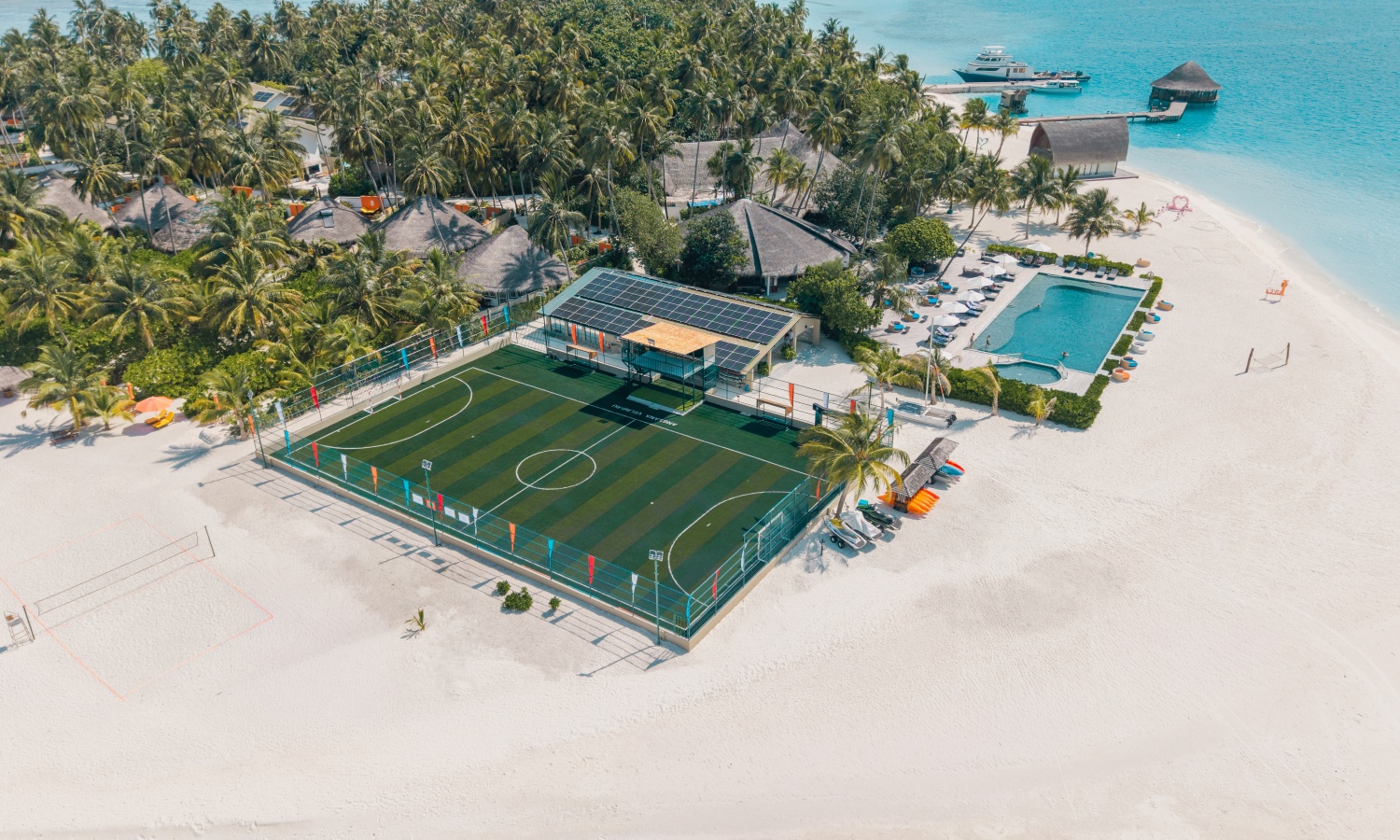
Angsana Velavaru has reopened its futsal facility as part of efforts to enhance guest experiences and staff engagement through sport and community activities.
The reopening ceremony was officiated by Dhaalu Atoll Council president Ahmed Shafiu and the resort’s general manager, Ahmed Zahir, who jointly cut the ribbon to mark the occasion.
Located within the island grounds, the futsal court measures 57 metres by 38 metres and is intended to serve as a space for both recreational use and organised activities for guests and resort associates.
The resort said the facility would form part of its wider recreational offering and would host workshops and expert-led collaborations aimed at providing guests with sports-based experiences while also supporting skill development and interaction. It added that the initiative also reflects its focus on staff wellbeing, teamwork and active living.
The opening event included friendly matches between the Angsana Velavaru men’s and women’s teams, as well as an inter-resort match between the Angsana Velavaru Orange Army and Banyan Tree Vabbinfaru.
Adjacent to the futsal court is the resort’s upgraded watersports centre, which now includes updated guest facilities such as shower and changing areas.
Ahmed Zahir said the reopening of the futsal ground represented more than a recreational upgrade and reflected the resort’s commitment to creating meaningful experiences for both guests and associates. He said the facility would support active living, connection and wellbeing, while also serving as a space for learning and collaboration.
Angsana Velavaru, located in South Nilandhe Atoll, said the reopening of the futsal facility forms part of its wider efforts to expand its lifestyle and community-focused offerings.
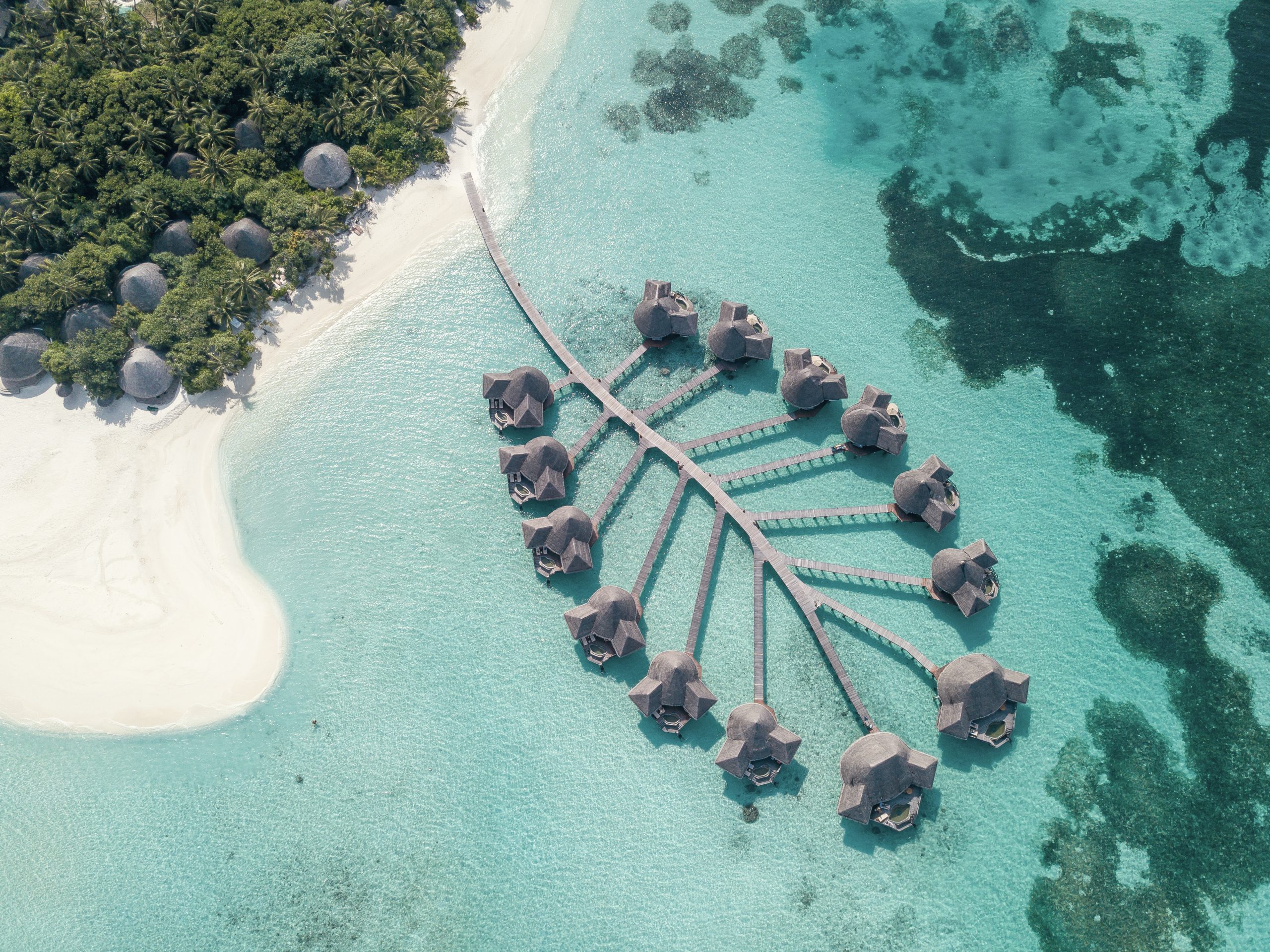
Coco Collection, a Maldivian-owned resort brand, has invited guests to experience a more conscious approach to luxury at Coco Palm Dhuni Kolhu and Coco Bodu Hithi.
Across its two island resorts, Coco Collection has incorporated environmental responsibility into the guest experience through its Coco Cares philosophy. From nature-led experiences inspired by the islands’ ecosystems to culinary offerings based on fresh, locally grown ingredients, the resorts have been designed to reflect the natural setting of the Maldives while integrating sustainability into daily operations.
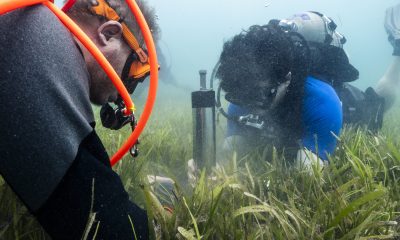
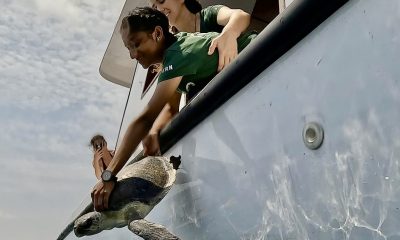
At Coco Palm Dhuni Kolhu, this commitment is reflected in the Maldives’ veterinary-led Marine Turtle Rescue Centre, which is operated in partnership with the Olive Ridley Project. As a founding partner of the facility, the resort provides care for injured sea turtles and supports marine conservation awareness. Since its establishment, the centre has treated and released 152 injured turtles, with a rehabilitation success rate of 60%. The resort also continues seagrass preservation efforts aimed at protecting marine habitats and supporting biodiversity in the surrounding waters.
Coco Palm Dhuni Kolhu also applies low-waste practices, mindful sourcing, and resource-conscious operations across the resort. This approach extends to Coco Farm, where homegrown produce, handcrafted preserves, and garden-to-table dining experiences are used to bring local flavour and seasonality to the table.
At Coco Bodu Hithi, the same approach is reflected in its food and beverage offerings. To mark Earth Day, the resort has introduced a green-inspired cocktail experience focused on eco-conscious mixology, using fresh ingredients grown on the island.
The resort said its low-waste approach informs all aspects of the guest experience, with attention given to responsible resource use. From the choice of herbs and fruits to preparation and presentation, the offering is intended to reflect respect for the natural environment.
This approach also extends across the resort’s wider culinary programme, which focuses on locally sourced ingredients, house-made preserves, and dishes inspired by the Maldives’ natural produce. Through seasonal menus, conscious sourcing, and resource management, Coco Bodu Hithi aims to offer an experience that combines hospitality with environmental responsibility.

-

 Honeymoon1 week ago
Centara Grand Lagoon Maldives offers secluded island experiences for couples
-
 Awards1 week ago
Kuda Villingili listed in Condé Nast Readers’ Choice Awards 2026
-
 Action1 week ago
Four Seasons Resort Maldives at Kuda Huraa to stage 14th edition of Surfing Champions Trophy
-
 Cooking1 week ago
Baros Maldives to showcase sustainable dining for Earth Day
-
 Drink1 week ago
Sirru Fen Fushi showcases mixology collaboration during Easter programme
-
 Featured1 week ago
Grand Park Kodhipparu to host lunar-themed experiences in May
-
 Awards1 week ago
Cinnamon Dhonveli Maldives earns TUI Global Hotel Award recognition
-
 News6 days ago
St. Regis Maldives expands and upgrades Two-Bedroom Ocean Villa