

Underwater
Become a marine conservationist for a day at Angsana Ihuru


Maldives.net.mv – Encircled by a beautiful coral reef and crystal clear water, Angsana Ihuru is famous for its dive sites teeming with vibrant sea life. With global climate change, the Maldives face rising sea levels in addition to issues such as over fishing. Angsana Ihuru is proud to be at the forefront of protecting the Indian Ocean’s sensitive eco-system; and, under the guidance of renowned Marine Biologist, Dr. Steven Newman, guests can now play their part to save the planet, enriching their stay with a hands-on experience of marine conservation.
Led by a team of expert marine biologists, the resort has developed a special conservation programme allowing guests to learn about the ocean environment through a diverse range of activities. These include protecting sea turtles and rebuilding delicate coral reef systems to collecting vital research data as part of the resort’s new ‘Citizen Scientist Programme’.

Wannabe-marine conservationists who take part in the programme will play an important role in helping the resort’s conservation team to monitor changes in the reefs and marine environment. The experience begins with an educational briefing at the resort’s Marine Centre, where guests are introduced to the fascinating underwater world of the Maldives as well as the research and restoration work conducted by the conservation team. After this, snorkellers and divers are provided with easy-to-use, waterproof guides to which they can record sightings of various marine life including sharks, rays and turtles, groupers and butterfly fish. The data collected is then taken back to the Marine Centre and used to monitor the health of the ocean as part of the wider study by the team.
The programme is free of charge to guests and is headed up by Dr. Steven Newman: “Citizen Science has been around for over a hundred years, but it is only recently becoming commonplace. Anyone from any walk of life with any level of interest in the environment can take part. It’s not only fun, but participants learn more about what they see in the water, and the information they help gather is critical to our understanding and conservation of the ocean.”

Guests can also get involved with the conservation of green sea turtles, endangered due to poaching of their eggs; which nest on nearby Banyan Tree Vabbinfaru. This resort has implemented a number of measures to ensure the turtles continue to nest and breed in the area. Its Turtle Head-Start Programme means approximately 10% of hatchlings are reared at the resort for the first year of their life before being released (at a larger size) into the wild, giving the island’s most famous residents a higher chance of survival. Guests have the opportunity to work alongside the Marine Laboratory team by monitoring the turtles’ growth, attending daily feeding sessions and releasing them into the wild.
In addition, guests can plant and grow their own coral. The azure waters surrounding Angsana Ihuru are home to delicate coral reefs, providing an important habitat for a huge variety of marine life. By assisting in cleaning the coral as well rebuilding the reef by growing and transplanting coral fragments, resilient and life-giving coral gardens are created.
The resort is also home to revolutionary electric reefs, introduced to encourage coral growth. Two steel structures have been submerged onto the seabed, each fed with a low voltage that triggers a chemical reaction, leading to a deposit of calcium carbonate. This increases the speed at which corals grow, as well as protects them from higher water temperatures threatening coral reefs globally.

Perfect for the whole family, kids can become a marine conservationist for the day too, with a host of educational and engaging activities to keep them occupied, from helping the marine biologists transplant coral to visiting the Marine Laboratory and learning to snorkel on the house reef.
The ‘Live For Adventure’ package at Angsana Ihuru is available from USD 790 per night in a Beachfront Villa and includes:
- Night Fishing
- Unlimited non-motorised water sports once during the stay
- Sunset cruise
- Discover Scuba diving for two The package is available until December 2015 and a minimum five night stay is required.


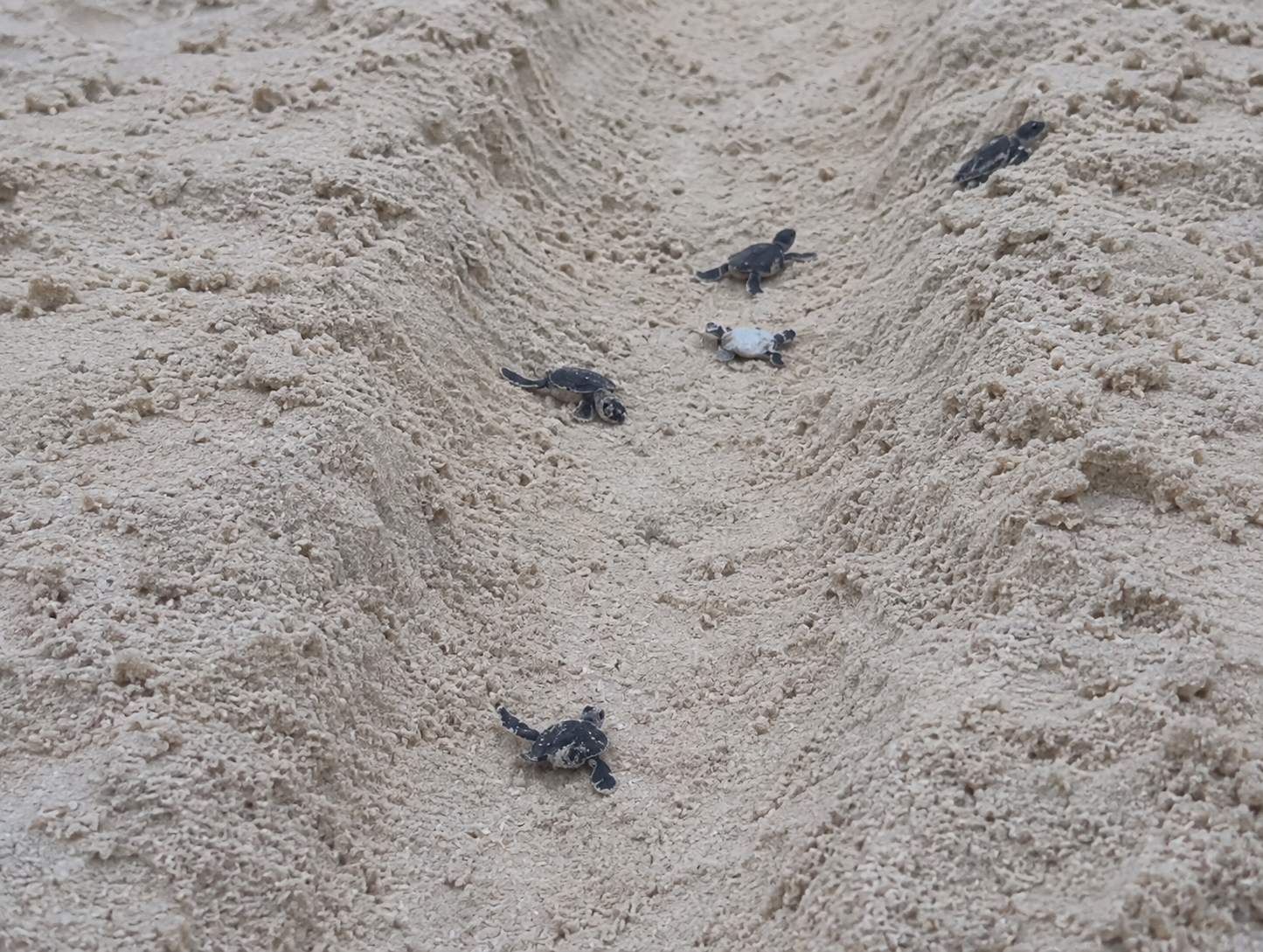
At Cinnamon Velifushi Maldives, seven sea turtle hatchlings recently emerged from the sand and made their way towards the Indian Ocean, their tiny flippers carrying them across the beach before disappearing into the blue. It was a fleeting moment, but one that offered a beautiful reminder that the beaches of the Maldives are more than places to escape to. They are living environments where some of the ocean’s most extraordinary stories begin.
For a sea turtle hatchling, the distance between nest and ocean may be measured in metres, but it marks an important first chapter in a much longer journey.

Sea turtles nest throughout the year in the Maldives, with nesting activity recorded across almost all of the country’s atolls. Green turtles account for the majority of recorded nests, while hawksbill and olive ridley turtles have also been documented. Recent research into nesting activity in the Maldives found that nests typically take around two months to hatch.

Once they emerge, however, the hatchlings are immediately faced with a challenging journey. Their instinctive movement towards the ocean is one of the most vulnerable stages of their lives. Natural predators are only part of the challenge. Artificial lighting can disorient hatchlings and lead them away from the water, while pollution, fishing activity, habitat loss and the effects of climate change continue to present threats throughout their lives.
Surrounded by the waters of Vaavu Atoll, Cinnamon Velifushi Maldives sits within a rich marine environment where encounters with the natural world extend far beyond the shoreline. The waters around the atoll are home to an abundance of marine life, from colourful reef fish and rays to sharks, dolphins and sea turtles, making the ocean an ever-present part of the island experience.

At Cinnamon Velifushi Maldives, these seven hatchlings were only visitors for a matter of minutes before the ocean carried them away. But for those fortunate enough to witness their first journey, they left behind something much bigger: a reminder that in Vaavu Atoll, some of the Maldives’ most memorable experiences are the ones nature chooses to create itself.
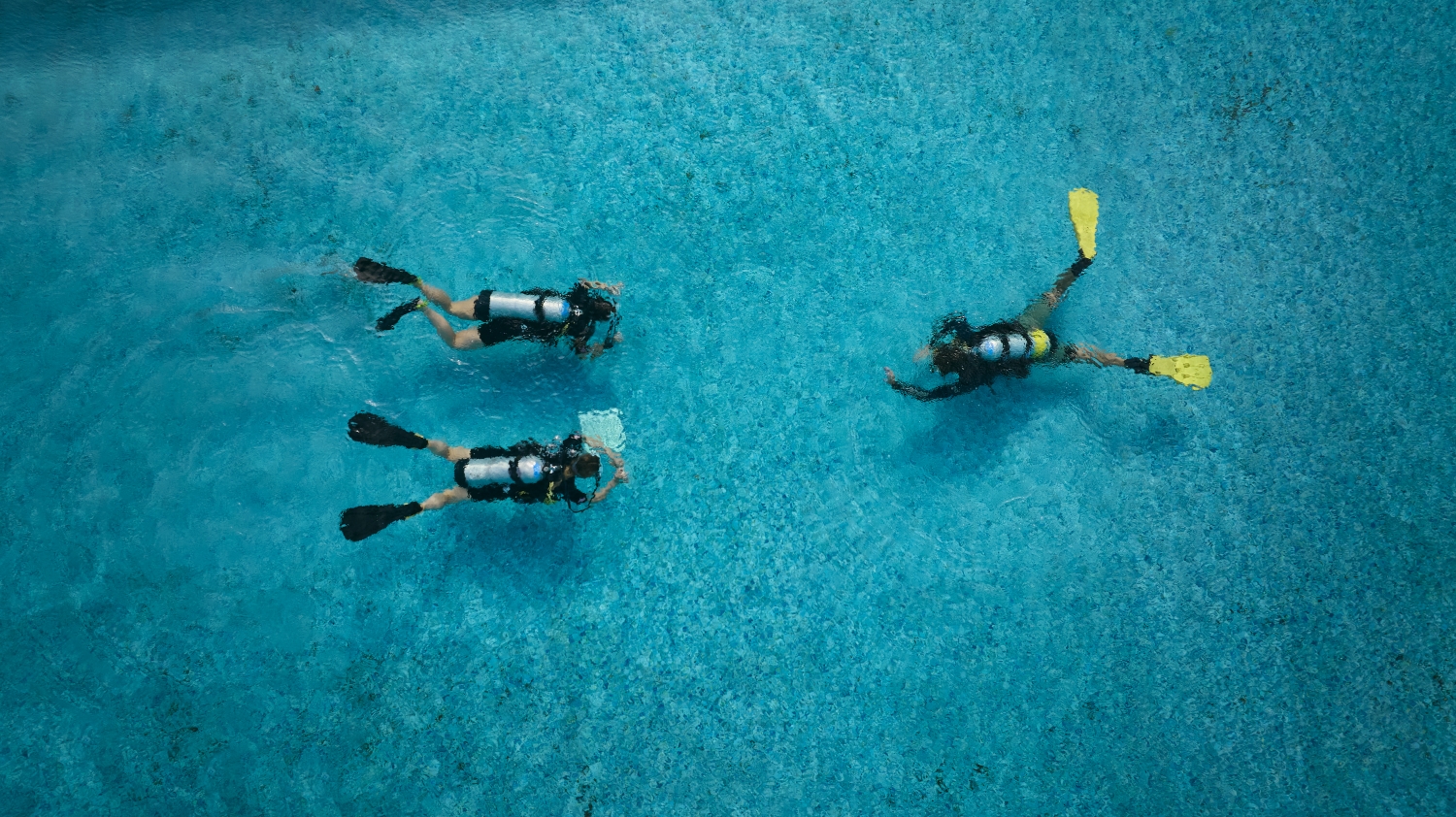
Pullman Maldives Maamutaa continues its ongoing marine conservation journey with the identification of Six Individual Indo-Pacific Leopard Sharks along the resort’s house reef. The sharks were documented through photographic observation and submitted to the MIYARU, the Maldives’ national non-profit organisation and research network focused on collaborative shark research and conservation.
The six identified sharks namely Atlas (LS081), Aurelian (LS083), Kikongo (LS090), Ambala (LS091), Ingwe (LS096), and Fowler (LS097) – can each be recognized by their distinctive patterns of dots and spots. Similar to a human fingerprint, these natural markings are unique to every shark, enabling marine researchers to identify individuals when they are encountered again.

By documenting these individual sharks, Pullman Maldives Maamutaa is contributing to a growing body of knowledge about the species and how it uses local reef habitats. Each sighting adds another piece to the wider picture of leopard shark presence and movements in the Maldives, supporting continued awareness, research and conservation.
For Pullman Maldives Maamutaa, conservation is about creating meaningful connections with the natural world. From a passing encounter with a leopard shark to learning how individual animals can be recognized beneath the surface, every discovery can offer a new perspective on the living reef.

The identification of these six leopard sharks reflects the resort’s continued approach to marine conservation through attentive observation, responsible marine experiences and collaboration with conservation partners.
As monitoring continues, Pullman Maldives Maamutaa invites guests to discover its house reef not simply as a destination beneath the surface, but as a living environment shared with an extraordinary diversity of marine life.
With every sighting, every photograph and every new record, the resort continues to build a deeper understanding of the waters surrounding Maamutaa – inspiring greater appreciation for the wildlife that calls the Maldives home.

Kayla Shortt is Pullman Maldives Maamutaa’s in-house Marine Biologist and PADI IDC Staff Instructor, who coordinated the in-water observations, photographic documentation and identification submissions that resulted in the six individual records.
Originally from South Africa, she has worked across five-star resorts in the Maldives since 2021, bringing together her experience in marine tourism and practical conservation.

Her expertise spans reef-health monitoring, turtle rehabilitation and shark behavior, with a particular focus on creating greater awareness and understanding of the marine environment.
At Pullman Maldives Maamutaa, Kayla makes marine science engaging and accessible, connecting guests with the underwater world while supporting the resort’s ongoing conservation efforts. Through her work, she contributes to a deeper understanding of the Maldives’ marine environment and the remarkable wildlife that calls it home.
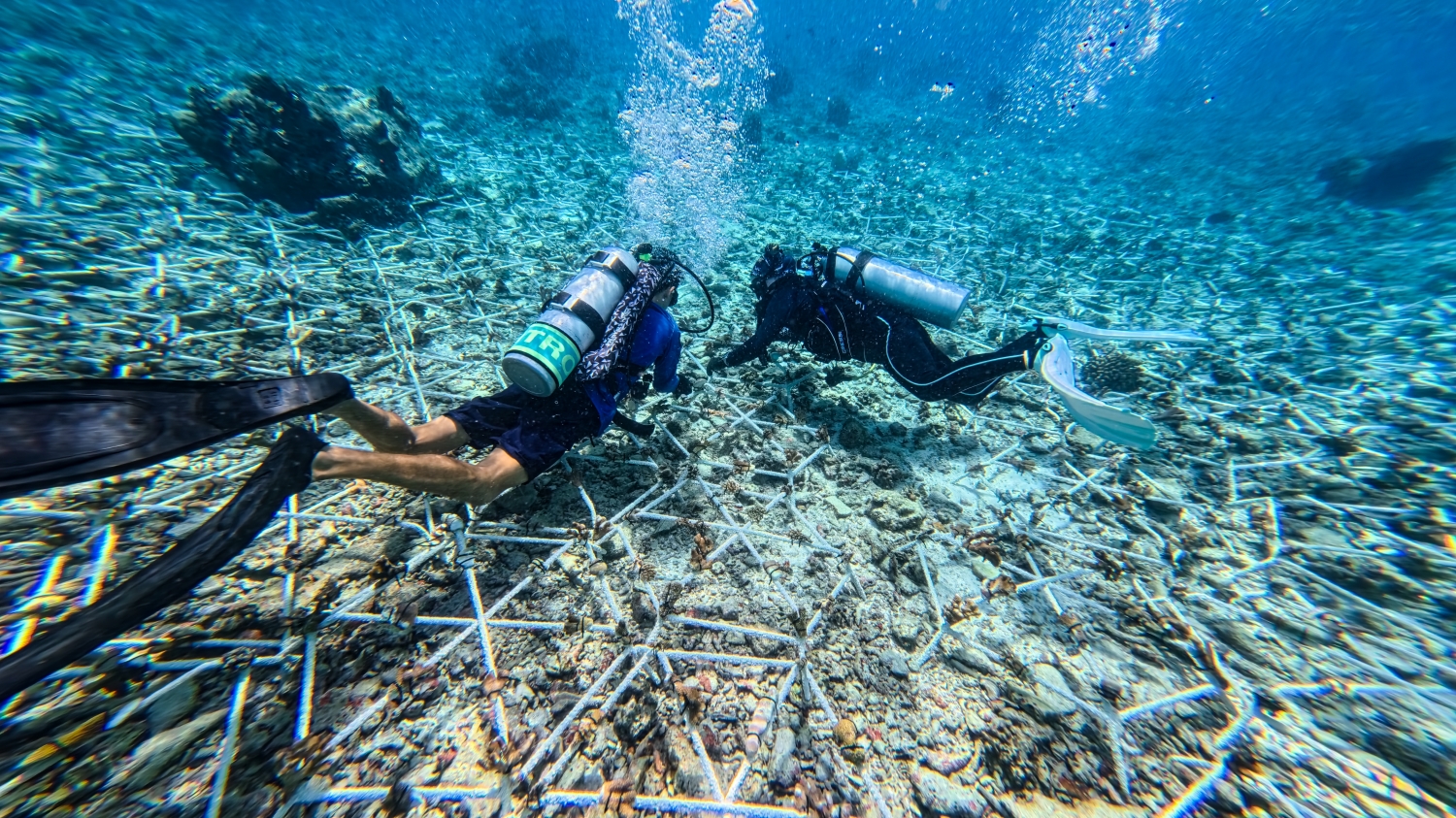
The Westin Maldives Miriandhoo Resort has marked a new chapter in its marine conservation journey with the successful completion of Coral RISE (Coral Restoration Initiatives for Sustainable Ecosystems), an initiative created in collaboration with MARS Sustainable Solutions. From September 18 to 20, 2026, the resort installed 100 Reef Stars and 1,500 coral fragments in its house reef.

Reef Stars are sand-coated, hexagonal steel structures that provide a stable foundation for coral fragments in damaged or degraded reef areas. Installed underwater and connected to form a supportive reef framework, they help coral fragments establish and grow while creating habitat for fish and other marine life.

The restoration work follows MARS Assisted Reef Restoration System (MARRS), a science-based method developed by MARS Sustainable Solutions. The approach combines trained restoration teams, locally sourced coral fragments, Reef Stars, and ongoing maintenance and monitoring. Over time, the structures are designed to integrate into the reef environment and support the recovery of a more diverse marine habitat.

“Coral RISE demonstrates how a focused first step can develop into a lasting commitment to reef restoration,” said Kate Janetski, Marine Program Lead for Maldives & Caribbean and Global Training Manager at MARS Sustainable Solutions. “The 100 Reef Stars installed at The Westin Maldives Miriandhoo Resort provide a practical foundation for coral growth, while continued monitoring and care will be essential to the project’s long-term progress. We are pleased to support the resort in bringing science-based restoration closer to its guests and associates.”
“Completing the first phase of Coral RISE is an important milestone for The Westin Maldives Miriandhoo Resort,” said Harish Gopalakrishnan, General Manager of The Westin Maldives Miriandhoo Resort. “The ocean surrounding our island is central to the Maldivian experience, and protecting it is a responsibility we take seriously. By making the restoration area accessible to guests for snorkelling, we hope to foster a deeper understanding of the reef and inspire more people to care for the natural environment.”

The initiative was introduced during World Wellness Weekend, reflecting Westin’s belief that well-being extends beyond the individual. As part of the weekend’s activities, guests joined the resort team and MARS Sustainable Solutions in building and preparing the Reef Stars before they were installed in the reef.
Located within an area accessible for snorkelling, the restoration site will allow guests to observe the Reef Stars and monitor coral development over time. Ongoing marine education will also help raise awareness of coral ecosystems and the importance of reef conservation in the Maldives.

Coral RISE also complements the resort’s broader sustainability journey, including its Green Globe certification and continued efforts to embed responsible practices into its operations and guest experience. Situated in Baa Atoll, a region known for its rich marine biodiversity, The Westin Maldives Miriandhoo Resort’s coral restoration initiative creates a visible local contribution to the health of the atoll’s reef ecosystem. The certification provides a framework for the resort’s sustainability work, while Coral RISE brings that commitment to life through direct action to support the marine environment.

For more information, visit westin-maldives.com.

-

 News1 week ago
Le Méridien Maldives Resort & Spa celebrates World Wellness Weekend with three-day wellness programme
-

 Business1 week ago
BBM’s ‘Studio of Culinary Excellence’ opens at MNU to bridge classroom, industry
-

 News6 days ago
Aman names Maldives debut Amanolu, with opening planned for 2028
-

 Meditation1 week ago
Canareef Resort Maldives expands yoga and holistic wellness experiences
-

 Meditation1 week ago
Villa Nautica expands wellbeing programme with holistic practitioner Adrianna Lawera
-

 Awards1 week ago
Finolhu wins Best Design Resort in Maldives at Global Destination Awards
-

 News1 week ago
Vanessa Goodman joins Pullman Maldives Maamutaa for Vibrance Week
-

 Action1 week ago
Hideaway Beach Resort combines running and wellness for World Wellness Weekend